JNA Mobility

myrene b

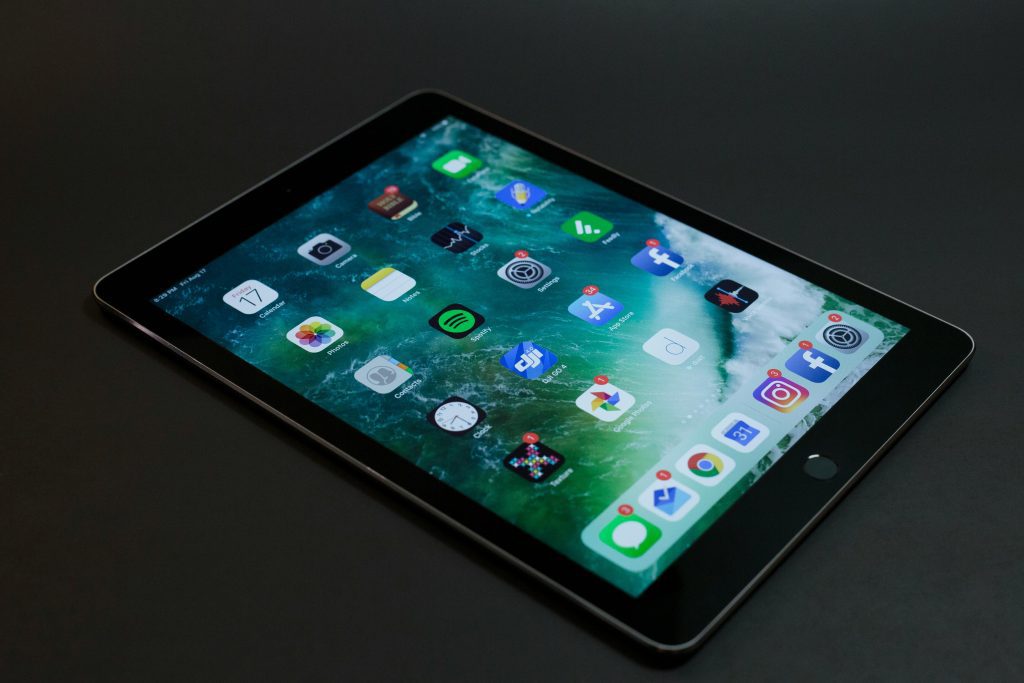
Ultimate Tablet Buying Guide: Best Options for Every Need

Tablets have come a long way from being simple “big phones.” Today, they’re powerful, versatile, and essential tools for work, study, and play. Whether you’re streaming your favorite shows, sketching digital art, attending online classes, or running a business on the go, a tablet can make life easier. But with so many options available, how do you know which one is right for you?

This guide will walk you through what to consider before buying a tablet, why pairing it with the right plan matters, and how to make sure your device lasts for years.

Why Tablets Are Worth the Investment

A tablet isn’t just another gadget it’s a device that adapts to your lifestyle. Here’s why people love them:

  • Portable yet powerful – Slim, lightweight, and easy to carry while still capable of multitasking.
  • All-in-one versatility – Use it for entertainment, learning, gaming, or even business tasks.
  • Productivity booster – With accessories like a stylus or keyboard, a tablet can double as a mini workstation.
  • Family-friendly – Kids can use them for school and learning, while adults enjoy them for work and leisure. Want the most value out of your tablet? Pairing it with a reliable data or Wi-Fi plan makes it even more powerful by keeping you connected wherever you go.

What to Consider Before Buying a Tablet

Not all tablets are the same. Here are the key factors to keep in mind before making your purchase:

  1. Purpose
    • Will you use it mainly for work, study, entertainment, or creativity?
    • Defining your needs helps narrow down your choices.
  2. Operating System
    • iPadOS, Android, or Windows—each ecosystem offers different apps, layouts, and features.
  3. Budget
    • Tablets range from affordable entry-level models to premium devices. Invest based on the features that matter to you.
  4. Display Size & Quality
    • Bigger screens are better for multitasking and entertainment, while smaller ones are more portable.
  5. Battery Life
    • Aim for a tablet with 8–12 hours of use for all-day reliability.
  6. Accessories & Add-ons
    • Stylus pens, detachable keyboards, and protective cases can completely change the way you use your tablet.

Find the perfect tablet for your lifestyle—Shop Now

Why Pair Your Tablet With a Plan

Buying a tablet is only half the equation—having the right plan ensures you get the most out of it. Here’s why:

  • Stay connected anywhere – With a tablet data plan, you’re not limited to Wi-Fi hotspots.
  • Save with bundles – Some providers offer tablets bundled with internet plans, which can be more affordable.
  • Choose your flexibility – Prepaid, postpaid, or pay-as-you-go options are available depending on your lifestyle.
  • Boost productivity – Always-on connectivity means you can work, stream, and browse anytime, anywhere. Pro Tip: If you’re mostly at home, a Wi-Fi plan may be enough. But if you travel often or work remotely, a tablet with mobile data and a flexible plan will be your best partner.

Tips to Make Your Tablet Last Longer

Since a tablet is an investment, here’s how to keep it performing well for years:

  • Use a protective case and screen protector from day one.
  • Avoid overcharging to maintain battery health.
  • Update software regularly to improve performance and security.
  • Keep storage clean by deleting unused apps and using cloud backup.
  • Handle it with care—remember, it’s portable but still fragile.

Find the perfect tablet for your lifestyle—shop now

Final Thoughts

Tablets have become everyday essentials for productivity, entertainment, and creativity. The best tablet isn’t necessarily the most expensive it’s the one that fits your lifestyle and needs.

Pairing it with the right tablet plan ensures you’re always connected, making your device even more valuable. Whether you’re a student, professional, traveler, or casual user, the right combination of device and plan will help you get the most out of your investment.

Ready to find your perfect tablet and plan?

Your next tablet could be more than just a gadget it could be your partner in work, learning, and play. Don’t just buy one make the smart choice and pair it with the right plan today.

Ultimate Tablet Buying Guide: Best Options for Every Need Read More »

Mobility Plans for Urban Living

Mobile Plans for Urban Living

Mobile plans for urban living have become essential in today’s fast-paced world. Picture this: you wake up in a bustling city, relying on your phone not just for calls, but for commuting, finding the best routes, booking rides, or even unlocking an e-scooter. With cities growing denser, having the right mobile plan ensures you can stay connected and navigate with ease.

Whether you’re commuting to work, exploring local culture, or coordinating your daily errands, a mobile-first lifestyle keeps everything at your fingertips. In this post, we’ll explore how modern mobile plans are designed to power the urban lifestyle — from connectivity and ride-booking apps to public transport access and last-mile convenience.


Why Mobile Plans Matter in Urban Living

City life comes with unique challenges: congested streets, limited parking, and the constant demand for real-time updates. Mobile plans tailored for urban living provide the flexibility and speed to meet these needs.

A strong mobile plan means:

  • Fast, reliable data to access ride-sharing, maps, and transport apps.
  • Seamless app integrations for booking and payments.
  • Affordable, bundled packages that fit busy urban lifestyles.

Ready to compare flexible options? Explore our affordable mobile plans and find one built for your lifestyle.


Shared Rides Powered by Mobile Apps

Ride-sharing has completely changed how we move through cities. Thanks to mobile-first integrations, it’s easier than ever to book and pay for shared rides directly from your phone.

How Mobile-Connected Shared Rides Work

  • Multiple passengers share one vehicle, cutting costs.
  • Ride apps optimize routes for efficiency.
  • Many mobile plans now integrate with ride-sharing services, making booking effortless.

Instead of owning a car, urban residents can rely on their mobile devices + shared rides to save money and reduce stress.


Mobile Partnerships with Public Transportation

Public transport remains the backbone of urban travel. Now, mobile plans often include perks like discounted fares or integrated apps that let you check schedules, buy tickets, and get real-time updates.

Key Benefits

  • Discounted or bundled fares.
  • Push notifications for delays or route changes.
  • Seamless transfers between buses, trains, and ride-shares.

See how our network integration makes commuting smoother with mobile-friendly tools.


Last-Mile Convenience: Mobile-First Solutions

That “last mile” — from a bus stop to your final destination — is where mobile-powered solutions shine.

Options include:

  1. E-Scooters & Bikes: Book via apps in seconds.
  2. Microtransit Services: Request on-demand shuttles straight from your phone.
  3. Pedestrian Routes: Mobile maps highlight safe, walkable paths.

Want to see how last-mile tools fit your lifestyle? Check out our city-friendly plans.


How Technology Shapes Mobile Plans

Modern mobile solutions go far beyond calls and data — they integrate with smart city initiatives and apps to keep you moving.

  • Mobile Apps: Book rides, pay bills, and track transport in one place.
  • Data Insights: Tailored recommendations based on your travel habits.
  • Smart City Sync: Better traffic flow, less congestion, faster commutes.

Learn why JNA Mobility is the leading choice for tech-driven mobile plans.


Better Service, Better Experience

Mobile providers know that in a 24/7 city, support is everything. The best urban mobile plans emphasize customer service:

  • 24/7 assistance for billing, app issues, or ride-booking queries.
  • User-friendly apps that put everything in one place.
  • Feedback systems to keep improving your experience.

Find the Best Mobile Plan for Your Urban Lifestyle

In conclusion, mobile plans are no longer just about calls and texts — they’re the foundation of connected, flexible city living. From shared rides and transport integration to last-mile solutions and real-time updates, the right mobile plan transforms how you move and live.

Don’t wait to upgrade your urban experience. Discover your ideal mobile plan today

Mobile Plans for Urban Living Read More »

Best Mobile Plans for Gamers: Low Latency and High Speeds Explained - JNA Mobility

Best Mobile Plans for Gamers

Finding the right mobile plan isn’t just about making calls or browsing social media anymore—it’s about powering the way you live, work, and play. At JNA Mobility, we help you explore plans that match your lifestyle, whether you’re streaming, working remotely, or gaming on the go. For gamers especially, speed, reliability, and data allowances are non-negotiable, and choosing the wrong plan can leave you with lag, throttling, or dropped connections.

This guide breaks down the essentials—latency, speed, data, and coverage—to help you pick the best mobile plan for your gaming needs.


1. Latency: Why Low Lag Matters

When it comes to mobile gaming, latency (or ping) can make or break your gameplay. High latency leads to lag, delayed actions, and a frustrating gaming experience. The best plans minimize latency by offering access to newer technologies like 5G.

  • Plans powered by 5G networks generally offer the lowest latency.
  • If you’re still on 4G, it may be worth comparing performance differences.

Learn more about the advantages of 5G networks and why gamers should make the switch.


2. Speed: High Bandwidth for Smooth Gameplay

Mobile gaming requires fast download and upload speeds, especially for cloud-based titles and multiplayer matches. While most carriers advertise blazing speeds, the actual experience depends on both your plan and coverage.

  • Gamers who stream their gameplay should look for plans with high upload speeds to avoid laggy streams.
  • Heavy gamers benefit from 5G plans, as the shift from 4G to 5G means not just higher speeds, but also more reliable connections.

Explore the differences between 4G vs 5G network coverage to see how much of an upgrade you can expect.


3. Data Allowances: Unlimited vs. Capped

Gaming eats up a surprising amount of data—especially if you’re downloading updates, streaming, or playing graphics-heavy games. This is where data allowances come into play.

  • Unlimited Data Plans: Best for hardcore gamers who never want to worry about overages.
  • Capped Data Plans: May work for casual gamers, but throttling could ruin the experience.

Before choosing, weigh the pros and cons of unlimited data vs. data caps.
For budget-conscious gamers, you may also want to compare prepaid vs postpaid phone plans to see which fits better.


4. Coverage: Consistency Over Speed

What good is a fast plan if you can’t get a stable signal where you play the most? Coverage ensures your connection remains consistent, whether you’re at home, commuting, or traveling.

  • Nationwide carriers often provide more stable connections.
  • MVNOs can offer cheaper alternatives, but coverage varies depending on which network they lease.

If you’re considering switching, check out the pros and cons of MVNOs vs traditional carriers.
For practical tips, here’s how you can boost your cell phone signal strength.


5. Streaming & Cloud Gaming: The Hidden Data Drain

Gamers who also use cloud gaming services or stream their sessions on platforms like Twitch will face even higher data consumption. These activities require both fast speeds and generous data allowances.

Check out how streaming services impact your phone plan data usage so you can plan ahead.
If you’re on Spectrum Mobile, here are 5 tips for maximizing your data usage.


Final Thoughts

Choosing the best mobile plan for gamers isn’t just about the cheapest option—it’s about finding the perfect balance of latency, speed, data, and coverage. With 5G rolling out nationwide and MVNOs offering budget-friendly alternatives, there’s never been a better time to explore your options.

For a deeper dive into overall plan selection, see our guide on choosing the best mobile plans for your connectivity needs.


Best Mobile Plans for Gamers Read More »

Unlock Phone

Unlocked Phones: Complete International Travel Guide

Traveling abroad is exciting, but it often comes with one important question: Will my phone work in a foreign country? The last thing anyone wants is to arrive somewhere unfamiliar only to realize they have no access to maps, messaging apps, or emergency contacts.

The good news is that unlocked phones solve this problem. But how exactly do they work, and what do you need to know before relying on one overseas? In this post, we’ll cover everything you need to know about using unlocked phones internationally, the benefits they offer, and how they complement your phone plans, insurance, and service providers like Tracfone.


What Is an Unlocked Phone?

An unlocked phone is a mobile device that isn’t restricted to a single carrier. Unlike locked phones, which only work on the network of the company that sold them—like AT&T, Verizon, or T-Mobile—an unlocked phone can accept SIM cards from virtually any carrier worldwide.

Think of it as a “travel-ready” phone. Instead of paying expensive international roaming fees with your home carrier, you can simply buy a local SIM card in the country you’re visiting. Pop it into your unlocked phone, and you’re instantly connected.

This flexibility makes unlocked phones ideal for frequent travelers, students studying abroad, remote workers, or anyone who wants to stay connected while avoiding huge international bills.


Why Travelers Prefer Unlocked Phones

1. Flexibility on the Go

One of the biggest advantages of an unlocked phone is the freedom to choose your network. You’re not locked into a single carrier, so you can switch to a local provider in the country you’re visiting.

For example, imagine landing in Italy. You could purchase a local prepaid SIM with data for the duration of your trip, allowing you to call, text, and use GPS without worrying about expensive roaming fees. Once you leave, you can simply remove the SIM and return to your home network.

This flexibility is especially valuable for longer trips or multi-country journeys, where staying connected without Wi-Fi is essential.

2. Significant Cost Savings

Using an unlocked phone with a local SIM card can save you a substantial amount of money. International roaming fees from U.S. carriers can be shockingly high, sometimes exceeding $10 per day just to access data. Over a week or month-long trip, this adds up fast.

Local SIM cards, by contrast, offer competitive rates for data, calls, and texts. In some countries, you can even find tourist-specific SIM packages with unlimited data for a set number of days, making travel much more affordable.

3. No Long-Term Contracts

Unlocked phones allow you to select the plan that works best for your situation. You can choose prepaid options for short trips, monthly plans for longer stays, or even pay-as-you-go options to control your budget.

Since you’re not tied to a long-term contract, you have complete control over your mobile service while traveling. This is particularly useful for digital nomads, students, or anyone who frequently changes locations.

4. Wide Compatibility

Most unlocked phones today are compatible with networks across the globe. From Europe and Asia to Africa and South America, your device can connect to local networks in most countries.

This global compatibility ensures that you can travel with confidence, knowing your phone will work nearly everywhere. You don’t have to worry about buying a new device or being limited to certain countries.


How Unlocked Phones Work With Insurance, Plans, and Providers

Phone Insurance: Added Security

Traveling always carries some risk—phones can get lost, stolen, or damaged. Having phone insurance provides peace of mind, and when combined with an unlocked phone, it ensures you stay connected even in unexpected situations.

If your phone is covered, you can replace a SIM card, repair damage, or even get a temporary replacement without losing access to your contacts or important apps.

Learn more about phone insurance here.

Compatible With Multiple Phone Plans

Unlocked phones aren’t limited to a single type of plan. They work with prepaid, postpaid, and pay-as-you-go plans, giving you flexibility depending on your travel needs.

For example:

  • A short vacation might call for a prepaid SIM card with limited data.
  • A longer stay could benefit from a monthly plan with unlimited data.
  • Multi-country trips might involve buying local SIMs in each country for maximum cost efficiency.

This versatility is one of the main reasons unlocked phones are preferred by international travelers.

Affordable Providers Like Tracfone

Providers such as Tracfone make it even easier to stay connected internationally. They offer SIM cards and plans that are compatible with unlocked phones, providing affordable options without sacrificing service.

Tracfone and similar providers also allow you to use your existing device with international plans, helping you save money compared to expensive roaming or buying a new phone abroad.


Tips for Using Your Unlocked Phone Abroad

  1. Check Network Compatibility Before You Travel – Make sure your phone supports the frequency bands used in the country you’re visiting. Most modern unlocked phones do, but it’s worth confirming.
  2. Research Local SIM Options – Look into local carriers and prepaid tourist SIMs before arriving. Some airports even sell SIM cards at kiosks for convenience.
  3. Back Up Your Data – Before swapping SIM cards, ensure your contacts and important data are backed up to the cloud.
  4. Keep Your Home SIM Card Safe – Store it securely so you can easily switch back when you return home.
  5. Monitor Your Usage – Even local SIM cards have limits. Keep an eye on your data and call usage to avoid unexpected charges.

Final Thoughts

Unlocked phones offer a combination of flexibility, affordability, and convenience that makes them ideal for international travel. With the ability to switch SIM cards, avoid expensive roaming fees, and use local plans, travelers can stay connected anywhere in the world without stress.

Before your next trip:

  • Confirm your phone is unlocked.
  • Research local SIM card options.
  • Consider how your phone insurance and plan fit your needs.

With these steps, you’ll enjoy seamless communication, avoid surprise costs, and have the freedom to explore the world confidently.

Bottom line: Travel smart, save money, and stay connected—an unlocked phone is your best travel companion.

Unlocked Phones: Complete International Travel Guide Read More »

Cut Costs, Not Speeds: Best Family Mobile Plans

Family Mobile Plans: How to Save Money

Family mobile plans have evolved to meet the growing demands of households that depend on fast, reliable connectivity. With multiple devices per person, endless streaming, online learning, remote work, and social media usage, the challenge for families is finding a plan that delivers speed and coverage without breaking the budget.

At JNA Mobility, we know families need more than just a basic plan—they need a solution that balances performance, affordability, and flexibility. This guide will help you understand what’s new in family mobile plans and how to choose one that keeps everyone connected without overspending.

Why Family Mobile Plans Are Different

Mobile carriers have shifted focus from offering unlimited data at any speed to delivering customized family packages with premium features. Many plans now include 5G Ultra Wideband access, shared data pools, device protection, and even bundled services like streaming subscriptions or roadside assistance.

For example, JNA Mobility’s family plans integrate Fortress Basic device protection and Drive America Roadside Assistance at no extra cost—making them a complete lifestyle package, not just a connectivity plan.

Key Features to Look for in a Family Mobile Plan

If you want to save money without sacrificing speed, pay attention to these essentials:

1. 5G Coverage in Your Area

Not all 5G networks are equal. Check your carrier’s coverage map to ensure you’ll get consistent high-speed data in your city and surrounding areas.

2. Data Sharing & Unlimited Options

Look for plans that allow data pooling between family members. This prevents wasted gigabytes and keeps everyone connected without throttling.

3. Built-In Extras

From phone insurance to entertainment perks, many providers offer value-added services that can save you money in the long run.

4. Device Compatibility & eSIM Support

Ensure the plan supports both iOS and Android devices, as well as modern features like eSIM for quick plan switching and international travel.

5. Cost Transparency

Hidden fees can destroy your budget. Choose a plan with clear pricing, no unexpected overage charges, and flexible upgrade options.

How to Save Money on Your Family Mobile Plan

Saving on your plan doesn’t mean cutting corners—it means making smart choices:

  • Bundle Services: Combine mobile plans with home internet or streaming subscriptions for discounts.
  • Go for Group Discounts: Carriers often give significant savings for plans with 4 or more lines.
  • Consider Prepaid Family Plans: These can be cheaper than postpaid without losing speed or coverage.
  • Monitor Data Usage: Use your provider’s app to track usage and avoid paying for unused data.

JNA Mobility customers, for example, can customize their family plan based on real-time usage reports to avoid overspending.

Speed That Keeps Up with Family Life

With remote work, online school, gaming, and streaming happening simultaneously, slow internet isn’t an option, leading family mobile plans are designed to deliver consistent 5G speeds even during peak hours, ensuring every member of the family can work, play, and connect without lag.

This is where JNA Mobility’s nationwide coverage stands out—optimized for speed, even in rural and suburban areas where other carriers struggle.

Get the Best of Both Worlds

The best family mobile plan is one that gives you affordable pricing and high-speed performance without compromise. By focusing on coverage, data flexibility, built-in perks, and cost transparency, you can keep the whole family connected and protected.

At JNA Mobility, our mission is to provide mobile plans that adapt to your family’s lifestyle, offering speed, savings, and peace of mind. Whether you’re upgrading devices, switching carriers, or just looking for a better deal, we’ll help you find the perfect plan for your needs.

Family Mobile Plans: How to Save Money Read More »

How to Unlock Your Phone from Any Carrier – Quick & Easy Guide

How to Unlock Your Phone from Any Carrier: Quick Guide

There’s nothing more frustrating than feeling stuck with one carrier. Maybe you found a better plan elsewhere, you’re traveling abroad, or you just want the freedom to sell your phone without limits. Whatever the reason, unlocking your phone can make life a whole lot easier.

The good news? Unlocking a phone in the U.S. isn’t as complicated as it sounds. With the right information, you can take control of your device in just a few steps.

What Does Unlocking a Phone Mean?

When you buy a phone from a carrier, chances are it’s “locked.” That means the phone is programmed to only work on that company’s network. If you try to pop in a SIM card from another carrier, it won’t work.

Unlocking removes that restriction. Once unlocked, your phone becomes much more versatile—it can connect to almost any provider that supports it. In other words, you’re no longer tied down.

Why Bother Unlocking Your Phone?

So, why go through the trouble of unlocking? The answer is simple: flexibility.

  • Switch carriers when you want. If another provider offers better coverage or lower rates, you won’t need to buy a new phone just to make the switch.
  • Save money while traveling. Instead of paying expensive roaming charges, you can just buy a local SIM card when abroad.
  • Get a better resale price. An unlocked phone appeals to more buyers, so you’ll usually get more money when you sell it.
  • Break free from restrictions. No more being tied to one company’s rules—you can actually use your phone the way you want.

What You’ll Need Before Unlocking

Not every phone can be unlocked right away. Carriers have certain rules, and you’ll need to meet them first. In most cases:

  • Your account needs to be in good standing.
  • The device must be paid off in full.
  • The phone can’t be reported lost or stolen.
  • If there’s a required service period, that has to be completed.

Once you’ve checked those boxes, you’re ready to start the process.

How to Unlock Your Phone

The actual process depends on your carrier, but the steps are fairly straightforward. Here’s how it typically works with the big providers:

AT&T

Go to AT&T’s Device Unlock page, enter your phone’s IMEI number, and submit a request. If everything checks out, they’ll email you instructions to finish the process.

T-Mobile

T-Mobile lets you check your device’s eligibility right from their app or website. If your phone qualifies, you can unlock it directly through the app, or you can request help from support.

Verizon

This one’s easy—Verizon automatically unlocks phones 60 days after purchase. You don’t even have to ask.

Other Carriers

If you’re with a smaller provider or an MVNO (like Cricket or Metro), you’ll need to reach out to customer service. Each has slightly different rules.

When the Carrier Won’t Help

Sometimes carriers drag their feet or deny requests. If that happens, you still have options. There are third-party services that can unlock phones, often faster. Just be careful—stick to reputable companies to avoid scams, and understand that unofficial methods might carry some risks.

Tips for a Hassle-Free Unlock

Unlocking your phone isn’t complicated, but a little prep can save you a headache:

  • Dial *#06# to confirm your IMEI number before you start.
  • Back up your data in case anything goes wrong.
  • Always try your carrier’s official process first—it’s usually free.
  • Give it a few days. Some requests don’t go through instantly.

The Bottom Line

Unlocking your phone isn’t just about switching carriers—it’s about having the freedom to use your device on your own terms. Whether you’re hunting for a better plan, planning a trip abroad, or looking to sell your phone, unlocking makes it all possible.

Photo by George Dolgikh: https://www.pexels.com/photo/person-holding-smartphone-white-sitting-1310532/

How to Unlock Your Phone from Any Carrier: Quick Guide Read More »

Phone Bill Reduction

Phone Bill Reduction Tips That Really Work

Anyone who owns a smartphone knows that phone bills can get expensive quickly. With data overage charges, financing for new devices, and extra features like hotspot access, it’s easy for your wireless phone bill to creep up well over $100 per month. 

While staying connected is important, there are ways to reduce your phone expenses without totally sacrificing call quality, data speeds, or features. With a few tricks, you can slim down that monthly bill while still enjoying a modern, connected device.

Read on for 5 tips that can lower your phone bill dramatically while maintaining a high quality experience. With some creative adjustments, you can stay connected on a budget.

Review Your Data Usage

The first step to lowering your phone bill is to review your monthly data usage. Most carriers provide tools to track your data consumption through your online account or mobile app. Spend some time analyzing your past bills to see when and how you use data throughout an average month. 

Look for any obvious areas where you may be able to cut back. For example, are you streaming high definition videos when standard definition would suffice? Are apps set to refresh more often than necessary? Identifying where you can scale back high bandwidth activities can help avoid costly overage charges.  

Consider setting data limits or disabling background data for certain apps. You may also want to switch off cellular data when connected to WiFi. Being more mindful about when you use data vs WiFi can help optimize your usage.

Monitoring your data on an ongoing basis provides visibility into your consumption patterns so you can make adjustments as needed. With some diligence, you can determine where cutbacks make sense without sacrificing quality.

Downgrade Your Plan

When reviewing your cell phone bill, take a close look at your current plan. Do you really need unlimited data or can you get by with a smaller data allowance? Are you still paying for extra lines that you no longer need? Carriers often provide discounts for bundling plans and the more lines you have, the higher your bill will be. 

Consider downgrading to a cheaper plan with fewer included devices, lower data limits, or dropping extra features you don’t really need. For example, switch to a prepaid plan which allows you to pay upfront each month rather than being locked into a long contract. Prepaid plans tend to be cheaper with no activation fees. You can also save money by changing from an unlimited data plan to one with a set data cap per month. Identify an amount that works for your usage needs.

Don’t be afraid to call your carrier and negotiate. Tell them you are considering switching to a cheaper provider and see if they can offer you a better rate. They may be willing to move you to a discounted loyalty plan not available to the general public. Review your plan every 6 months or when your contract is up to ensure you are still getting the best value. As your needs change, your cell phone plan should evolve as well.

Use WiFi Calling & Texting

One easy way to cut down on cellular minutes and text messages is to use WiFi calling and WiFi texting features when available. Most modern smartphones have built-in support for WiFi calling and texting, allowing you to route calls and texts over WiFi internet connections rather than cellular networks. 

To enable WiFi calling on an iPhone, go to Settings > Phone > Wi-Fi Calling and toggle it on. You can also enable it by contacting your carrier. For Android phones, go to Settings > Network & Internet > WiFi Calling and turn it on. 

When WiFi calling is enabled, any calls or texts made while connected to a WiFi network will use WiFi rather than cellular minutes. This can lead to substantial savings, especially if you are frequently around WiFi at home or work.

Some third party apps like Google Voice also allow WiFi calling and texting. With the Google Voice app, you can place calls and send texts over WiFi without using cellular networks.

By taking advantage of WiFi calling and texting features, you can easily reduce your reliance on cellular networks and potentially lower your phone bill each month. Just be sure to connect to safe and trusted WiFi networks when using these features.

Negotiate With Your Carrier

Negotiating with your current wireless carrier is one of the most effective ways to lower your monthly phone bill without switching providers. Here are some tips for getting a better deal:

Mention competitors’ offers – Do some research on what other carriers are offering for new customers, including promotional prices. Then call your provider and explain you’re considering switching due to a better deal elsewhere. They’ll often match or beat the competitor’s pricing to keep your business.

Ask about bundling – See if bundling your wireless plan with other services like home internet or TV can lower your overall costs. Most carriers offer discounts for bundling multiple products.

Inquire about loyalty discounts – If you’ve been with the same carrier for a while, ask about any loyalty discounts for long-time customers. Mention how much you’ve paid them over the years to negotiate a break on monthly fees.

Threaten to cancel – Be prepared to follow through, but threatening to switch carriers can sometimes get you special retention offers. However, use this sparingly so it doesn’t lose effectiveness.

Buy your own phone – Carriers often subsidize new phone purchases by charging higher monthly fees. If you buy an unlocked phone upfront, you avoid these extra costs.

The key is demonstrating you’re a valuable customer they don’t want to lose. Polite persistence pays off when trying to get lower rates. Know your usage needs and bottom line, and negotiate firmly but fairly. With some proactive bargaining, you can maintain service quality without overpaying.

Explore Alternative Carriers

If you’re willing to make a bigger change and switch carriers completely, you may be able to find much lower rates on alternative carriers. The major national carriers like AT&T, Verizon, T-Mobile and Sprint tend to charge higher prices, while smaller regional and discount carriers can offer significant savings.

Some alternative carriers to consider include:

Metro by T-Mobile – Metro offers prepaid plans with unlimited talk & text and data options from 2-10GB per month. Plans start at $30/month for 2GB data. Metro uses T-Mobile’s network.

Cricket Wireless – Cricket offers prepaid plans on AT&T’s network with unlimited talk & text and data options from 2-15GB per month. Plans start at $30/month for 2GB data.

Mint Mobile – Mint sells prepaid plans in 3, 6 or 12 month packages. Get unlimited talk & text and data options from 4-12GB per month. Plans start at $15/month for 4GB (on T-Mobile’s network).

Visible – Visible offers unlimited talk, text and data for $40/month on Verizon’s 4G LTE network. Taxes and fees included. Requires joining a Party Pay group.

Boost Mobile – Boost has prepaid plans with unlimited talk & text and data options from 1-35GB per month. Plans start at $10/month for 1GB of data on T-Mobile’s network.

Keep Connected With Nationwide 5G Coverage

Everyone streams, browses, texts differently. Get only what you need by choosing between By the Gig and Unlimited data.

The key pros of switching to an alternative carrier are saving money on your cell phone service and no contracts. The main cons are having less extensive cellular network coverage than major national carriers in rural areas. Be sure to check coverage maps before switching. But if you live in an urban area, an alternative carrier can be a great money saver.

Phone Bill Reduction Tips That Really Work Read More »

Smart Guide to Choosing the Perfect Phone Plan

Let’s be honest—shopping for a new phone plan can feel like trying to decode a foreign language. Unlimited this, family bundles, rollover data, prepaid, postpaid the list goes on. And of course, every carrier claims to have the “best” deal.

The truth? The best phone plan is different for everyone. What works for your cousin who streams Netflix all day on the bus might be overkill for you if you mostly just text and check email. So, let’s cut through the noise and break it down in plain English.


1. Prepaid vs. Postpaid: What’s the Difference?

Prepaid Plans are simple: you pay upfront, use what you bought, and that’s it. No surprise bills. They’re perfect if you’re on a budget, don’t want to commit to a contract, or need a short-term option. The downside? You might not get all the shiny perks like free streaming services or the latest phone on financing.

Postpaid Plans are what most of the big carriers push. You sign up, get billed at the end of the month, and often snag perks like unlimited data or a discounted phone. The catch? You’re usually locked into a contract, and if you’re not careful, you could end up paying for way more than you actually use.


2. Family and Business Plans: Worth It?

If you’ve got multiple people under one roof—or a team at work—a family or business plan can save you a chunk of cash. Instead of everyone paying full price, you share data and get a lower cost per line. The only tricky part? If someone on the plan loves streaming 4K videos, they might chew through everyone else’s data.


3. Features You Actually Need

Here’s where a lot of people overpay. Before signing anything, ask yourself:

  • Data: Are you a heavy streamer, or just scrolling Instagram now and then?
  • Coverage: Does the carrier have good service where you live and travel?
  • Hotspot: Do you ever use your phone to get your laptop online?
  • International: Do you travel often enough to care about roaming?

If you barely use 5GB a month, don’t get sucked into “unlimited everything” unless you really need it.


4. How to Save Without Settling

  • Consider smaller carriers (MVNOs): They often run on the same networks as the big guys but cost way less.
  • Switch during promos: Carriers love giving away free months, bill credits, or even phones if you switch.
  • Bundle it: Some providers knock money off if you combine your phone plan with internet or TV.
  • Track your usage: You’d be surprised how many people pay for unlimited but only use a fraction of it.

5. What’s New?

A couple of things worth keeping an eye on:

  • 5G is basically everywhere now. If your plan still doesn’t include it, you’re behind.
  • eSIMs are the new normal. No more fumbling with those tiny SIM cards—switching carriers is faster than ever.
  • Rollover data. Some carriers finally let unused data roll into the next month (a lifesaver if your usage is inconsistent).
  • Eco-friendly perks. A few companies now offer discounts if you trade in old phones or support renewable-powered networks.

Keep Connected With Nationwide 5G Coverage

Get Unlimited Plans


Final Takeaway

Picking a phone plan doesn’t have to be painful. The trick is knowing what you actually need—and ignoring the flashy extras you’ll never use. If you stream movies on the go, get unlimited data. If you just text and call, grab a smaller plan and save the money.

Bottom line: compare at least three options before deciding, and don’t be afraid to switch if a better deal comes along. Your phone should keep you connected—not drain your wallet.

Smart Guide to Choosing the Perfect Phone Plan Read More »

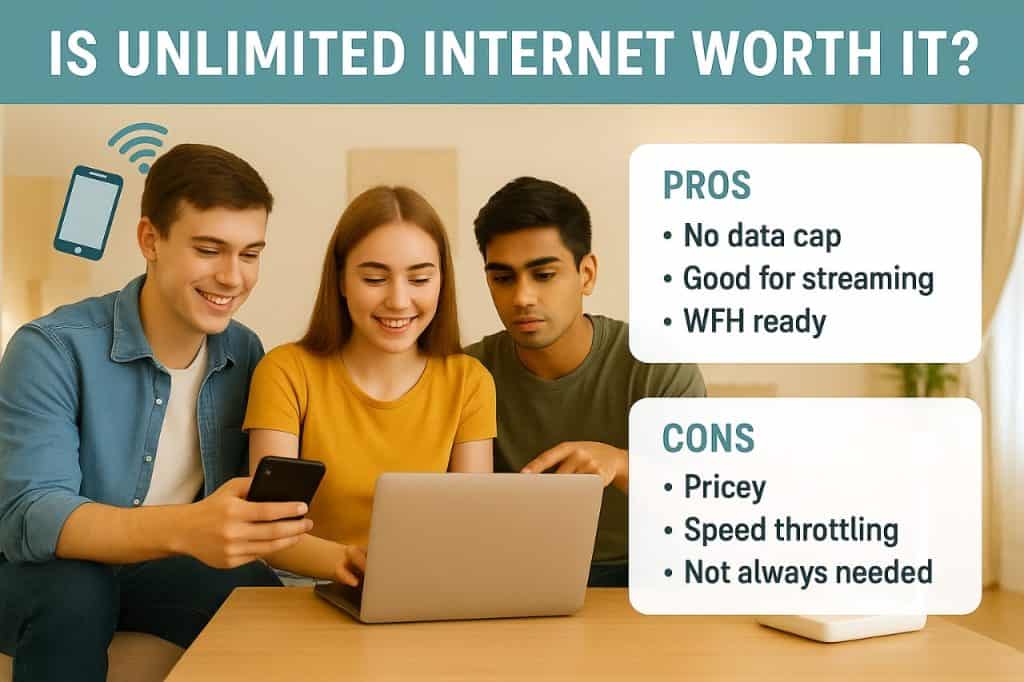
The Pros and Cons of Unlimited Internet Plans: Is It Really Worth It?

Unlimited Internet Plans: Pros & Cons – Is It Worth It?

These days, it feels like everyone is chasing after unlimited everything—unlimited streaming, unlimited texting, and of course, unlimited internet. On paper, an unlimited internet plan sounds like the ultimate solution: no more worrying about data caps, surprise charges, or being cut off mid-Netflix binge.

But here’s the thing—not all unlimited plans are created equal, and depending on how you use your internet, you might actually end up paying more than you need to. Let’s break it down in simple terms so you can figure out if unlimited is the right move for you.

The Perks of Unlimited Internet

1. No More Data Anxiety

We’ve all been there—getting that dreaded text saying you’re 90% through your monthly data allowance. With unlimited, you can browse, scroll, and stream without constantly checking the meter.

2. Perfect for Big Families (or Heavy Users)

If your household is full of streamers, gamers, and TikTok scrollers, unlimited is a lifesaver. Everyone can use the internet freely without arguments over “who used all the data.”

3. Great for Remote Work and School

Working from home? Attending online classes? Hosting video calls all day? Unlimited plans give you the peace of mind that your connection won’t suddenly cut out because you hit your data cap.

4. Predictable Bills

No surprise overage fees. You know exactly what you’re paying each month, which makes budgeting easier.

The Drawbacks of Unlimited Internet

1. It’s Usually More Expensive

Unlimited plans come with a higher monthly price tag. If you’re not using tons of data, you could be throwing money away.

2. Throttling Is Real

Many carriers advertise “unlimited,” but once you hit a certain threshold (like 50GB or 100GB), your speeds can slow down—especially during busy hours. So yes, it’s “unlimited,” but not always unlimited speed.

3. You Might Not Need It

If you’re someone who spends most of your time on Wi-Fi at home or work, a cheaper, smaller data plan might be just fine. Unlimited may sound nice, but it could be overkill.

4. The Fine Print Can Bite

Some unlimited plans come with restrictions—like capping video quality, limiting mobile hotspot usage, or prioritizing other users when the network gets busy. Always read the details before you sign up.

So, Who Should Go Unlimited?

  1. Unlimited makes sense if:
    • You stream video or music daily
    • You game or video chat a lot
    • You share your plan with family members
    • You hate keeping track of data
  2. You might skip it if:
    • You’re on Wi-Fi most of the time
    • You only use data for light browsing and social media
    • You’d rather save money with a smaller plan

Get Unlimited Data Plan

Bottom Line

Unlimited internet plans can be a game-changer for people who use a ton of data, big families, or anyone who doesn’t want the hassle of tracking usage. But if you’re not glued to your phone or you’re usually on Wi-Fi, paying extra for unlimited might not make sense.

The key is to know your usage and compare your options. Sometimes, a prepaid plan with just the right amount of data can give you the best of both worlds—flexibility and savings.

Unlimited Internet Plans: Pros & Cons – Is It Worth It? Read More »

Unlimited Data Plans vs. Wi-Fi Do You Still Need Both

Unlimited Data Plans vs Wi-Fi: Do You Still Need Both?

With the rise of unlimited 4G and 5G data plans, many people are starting to wonder: If my mobile plan gives me unlimited data, do I still need Wi-Fi at home?

On the surface, it feels like an easy choice. Why pay for two internet services when your phone can already stream Netflix, run video calls, and handle gaming all by itself? But the answer isn’t so simple. Let’s take a closer look.


Why People Love Unlimited Mobile Data

Unlimited mobile data plans are appealing because they offer:

  • Freedom on the go: No need to hunt for Wi-Fi in cafés, hotels, or airports.
  • Predictable costs: No surprise overage fees at the end of the month.
  • Powerful 5G speeds: Fast enough for streaming in HD or even 4K.
  • Hotspot flexibility: Share your connection with laptops or tablets when needed.

For many, an unlimited data plan feels like a one-stop solution for staying online everywhere.

Get Unlimited Data Plan


Why Wi-Fi Still Matters

Even with unlimited data, Wi-Fi hasn’t lost its place. Here’s why:

  1. Stability and Reliability
    Wi-Fi is usually more stable for high-bandwidth activities like video conferencing, cloud backups, and online gaming.
  2. Multiple Device Support
    Most households have more than just phones—think laptops, smart TVs, and smart home devices. Wi-Fi easily connects them all without relying on one mobile hotspot.
  3. Better for Data-Intensive Streaming
    Streaming in 4K or downloading large files can push even an unlimited mobile plan to its limits, especially if the carrier throttles speeds after a certain usage threshold.
  4. Cost Sharing
    Wi-Fi can be shared by everyone in the household, making it cost-effective for families compared to each person relying on mobile data alone.

Where Unlimited Data Makes More Sense

There are situations where unlimited mobile data can replace Wi-Fi entirely:

  • Single-person households where only one device is used regularly.
  • Frequent travelers who spend more time on the road than at home.
  • Urban areas with strong 5G coverage, where mobile networks are as fast as home broadband.

Where Wi-Fi Still Wins

Wi-Fi continues to shine in:

  • Homes with multiple devices needing simultaneous connections.
  • Work-from-home setups where reliable speeds are essential.
  • Areas with weak cellular coverage, where Wi-Fi provides a stronger connection.

Final Thoughts

Unlimited mobile data plans are powerful, and in some cases, they can replace Wi-Fi. But for most people, Wi-Fi remains the backbone of home connectivity—offering stability, coverage for multiple devices, and a buffer against potential speed throttling on mobile plans.

The best approach? Use both strategically. Rely on Wi-Fi when you’re home, and let unlimited data keep you connected when you’re on the go. That way, you get flexibility without sacrificing reliability.

Unlimited Data Plans vs Wi-Fi: Do You Still Need Both? Read More »