JNA Mobility

Mobile Data Plans

How to Choose the Perfect JNA Mobility Prepaid Plan for Your Lifestyle

How to Choose the Perfect JNA Mobility Prepaid Plan for Your Lifestyle

Everyone uses their devices differently. Whether you’re streaming Netflix, scrolling TikTok, sending photos of the grandkids, or just staying connected with friends and family, your mobile plan should fit your lifestyle—not the other way around. That’s where JNA Mobility comes in. With flexible prepaid plans, nationwide 5G coverage, and a variety of devices to choose from, you can get exactly what you need without paying for what you don’t.

Here’s a complete guide to picking the perfect JNA Mobility prepaid plan.


1. Understand Your Usage Habits

Before selecting a plan, it’s important to know how you use your phone. Ask yourself:

  • Do I stream videos frequently?
  • Do I browse social media a lot?
  • Do I mostly make calls and send texts?
  • Do I need high-speed internet for work or school?

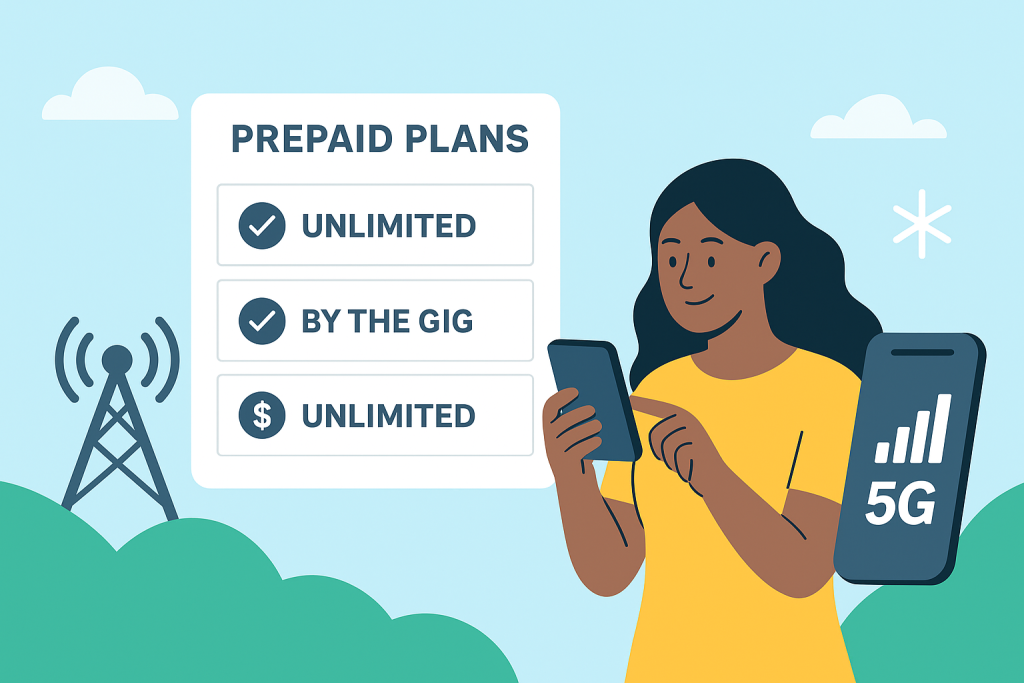
At JNA Mobility, you have the option to choose between “By the Gig” and unlimited data plans, so you only pay for what you actually use.


2. Explore JNA Mobility Plans

Here’s a quick breakdown of the plans JNA Mobility offers:

  • Unlimited+6 – $30/mo: Includes unlimited talk & text plus 1GB high-speed data. Perfect for light internet users who mostly call, text, or occasionally browse.
  • Unlimited+10 – $40/mo: Includes unlimited talk & text plus 10GB high-speed data. Great for moderate internet users who stream or use social media regularly.
  • Unlimited ULTRA – $50/mo: Includes unlimited talk & text plus 20GB high-speed data. Ideal for heavy users who stream, game, and browse constantly.

All plans also include phone insurance and roadside assistance, giving you peace of mind without added costs.


3. Consider Nationwide 5G Coverage

One of the biggest advantages of JNA Mobility is its ultrafast, reliable nationwide network. No matter where you are, you can enjoy smooth streaming, fast browsing, and clear calls. Plus, with access to a million secure hotspots, you can stay connected even when you’re out and about.


4. Choose the Right Device

Your plan is only as good as your device. At JNA Mobility, you can choose from a variety of phones to match your plan and budget. Popular options include:

  • iPhone XR (64GB & 128GB)
  • iPad Mini with Liquid Retina Display and ultrafast 5G

Don’t have a phone yet? No problem—explore our phone shop to find the perfect device to pair with your plan.


5. Enjoy Flexibility and Control

Life changes, and so can your plan. JNA Mobility makes it easy to upgrade or change your plan anytime, giving you complete control over your mobile service. Want to switch from a 10GB plan to unlimited? Done. Need fewer gigabytes this month? Adjust in minutes.


6. Extra Perks to Consider

  • Phone Insurance: Protects your device against accidental damage.
  • Roadside Assistance: Peace of mind when you’re on the go.
  • No Hidden Fees: Pay only for what you need, when you need it.

Final Thoughts

Choosing a prepaid plan doesn’t have to be confusing. By understanding your usage habits, exploring available plans, and pairing them with the right device, you can create a mobile experience that’s completely tailored to you.

With JNA Mobility, it’s simple: your wireless, your plan. Stay connected, stay flexible, and never pay for more than you need.

View Plans | Explore Phones

How to Choose the Perfect JNA Mobility Prepaid Plan for Your Lifestyle Read More »

Wi-Fi Calling vs Cellular Data

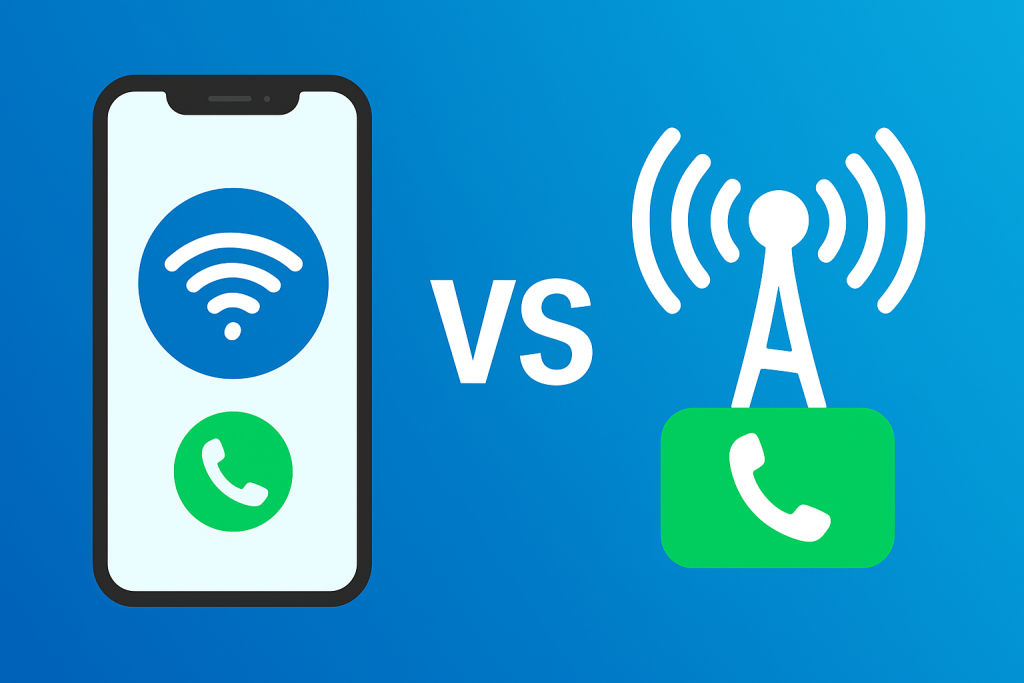
Wi-Fi Calling vs Cellular Data: Which Is Better for Call Quality, Coverage, and Cost?

Staying connected is more essential than ever—whether you’re working remotely, traveling abroad, or simply catching up with loved ones. One question many smartphone users face is: should you rely on Wi-Fi calling or cellular data for your everyday communication?

Both options have their perks. Wi-Fi calling uses an internet connection to make and receive calls, while cellular data calling (like VoLTE) or 5G calling uses your mobile network. Choosing between them isn’t just about saving data or avoiding dropped calls—it’s about finding the right balance between cost, convenience, and reliability.

In this guide, we’ll help you understand how each works, the pros and cons, and how to choose what fits your lifestyle.


What Is Wi-Fi Calling?

Wi-Fi calling allows your phone to make and receive calls using a wireless internet connection instead of a traditional cellular signal. It’s supported by most carriers and smartphones, and it’s especially useful in places where your mobile network is weak.

Benefits of Wi-Fi Calling

  • Better indoor coverage: Perfect for homes, offices, or buildings where cellular reception struggles.
  • Lower international costs: Great for travelers—make calls through Wi-Fi and avoid high roaming fees.
  • No extra apps needed: You can call and text using your regular number and contacts—just like a normal call.

Limitations of Wi-Fi Calling

The main downside is dependence on your Wi-Fi connection. If your internet is slow, overloaded, or drops frequently, your call quality will suffer. You might experience lag, echo, or dropped calls.

For this reason, Wi-Fi calling works best on fast and stable connections, ideally with at least 5 Mbps upload speed.

To make the most of your Wi-Fi experience, check out our guide on tips for protecting your data and privacy on your smartphone.


What Is Cellular Data Calling?

When you make a call using your carrier’s data network, it’s usually powered by Voice over LTE (VoLTE) or Voice over 5G (VoNR) technology. This means your voice travels over the same data network used for browsing and streaming—no need to switch to older 3G or 2G voice channels.

If you want to learn how these newer networks outperform older standards, read our comparison on GSM vs. CDMA: Which mobile network is right for you?

Advantages of Cellular Data Calling

  • Reliable coverage outdoors: Perfect for commuters or field workers who move between areas with strong 4G or 5G networks.
  • High-definition call quality: Voice over data often sounds clearer than traditional calling.
  • Freedom from Wi-Fi: You’re not limited by routers or hotspots—ideal for people constantly on the go.

Downsides of Cellular Data Calling

Using your data plan for calls can eat into your monthly allowance. If you don’t have an unlimited plan, frequent calls may increase your bill. In rural or low-signal areas, call quality may also drop.

To manage your usage effectively, you can apply these 5 tips for maximizing your data usage on Spectrum Mobile.


Wi-Fi Calling vs Cellular Data: Which Is Better?

The best choice depends on your environment and communication habits. Here’s how to decide:

For International Travelers

Wi-Fi calling wins hands down. It helps you avoid roaming charges and lets you stay connected anywhere with Wi-Fi—whether that’s your hotel, café, or coworking space. It’s also perfect for business calls when abroad.
If you travel often, check out our tips for seamless international travel to ensure stress-free connectivity overseas.

For Remote Workers and Home Offices

If you work from home or indoors most of the time, Wi-Fi calling offers a stable and affordable option. However, having a backup mobile plan ensures you stay connected during Wi-Fi outages.
Explore the best mobile plans for your connectivity needs to find a plan that fits your setup.

For Frequent Commuters or Outdoor Professionals

Cellular data calling is the better choice. Strong 4G and 5G network coverage means fewer disruptions while driving, traveling, or working outdoors. It’s more consistent when you’re moving between Wi-Fi zones.

For Rural or Low-Internet Areas

If your area has poor broadband coverage, a cellular data connection will likely perform better. Carriers continue expanding nationwide 5G coverage, making this option more reliable than rural Wi-Fi.


How to Maximize Call Quality on Any Network

Regardless of which option you use, optimizing your settings and habits can make a huge difference in call clarity and reliability.

1. Enable Both Wi-Fi Calling and VoLTE

Most smartphones let you enable both under “Network Settings.” This ensures your phone automatically switches between Wi-Fi and cellular when one becomes unstable. You can learn more about this technology in our article on embracing Voice over LTE technology.

2. Test Wi-Fi Calling at Home

Make a few test calls to see if your home Wi-Fi delivers stable audio. If you experience lags, consider upgrading your router or placing it in a more open location.

3. Use Airplane Mode + Wi-Fi Abroad

When traveling internationally, turn on airplane mode and manually enable Wi-Fi. This prevents accidental roaming charges while still allowing Wi-Fi calling.

4. Monitor Data Usage

Use your carrier’s mobile app to keep an eye on how much data your calls consume. This is especially important if you’re not on an unlimited plan.

5. Keep Your Device Updated

Software updates often include network optimizations and bug fixes that improve call quality. Always stay current with the latest version of your OS.


Tips for the Best Wi-Fi or Cellular Call Experience

Even with the right settings, small tweaks can further enhance your call quality:

  • Close bandwidth-heavy apps: Streaming or downloading files while calling can cause lag.
  • Use noise-canceling earbuds or headsets: Improve clarity and block out background noise.
  • Check your router placement: Keep it away from thick walls or metal objects that block signal.
  • Run speed tests regularly: Apps like Speedtest can help you ensure your connection is call-ready.
  • Review your carrier’s coverage map: Knowing your weak zones helps you prepare alternative connections.

If you’re concerned about network consistency, read about the factors affecting network reliability.


Choosing the Right Option for You

The Wi-Fi calling vs cellular data debate isn’t about which is better overall—it’s about when and where each works best.

  • Choose Wi-Fi calling if you spend most of your time indoors, travel internationally, or want to cut roaming costs.
  • Stick with cellular data calling if you’re often on the move, rely on consistent outdoor coverage, or have an unlimited plan.

In reality, the best setup uses both options together. By enabling Wi-Fi calling and VoLTE simultaneously, your phone automatically switches to the strongest connection available—keeping your calls smooth and uninterrupted wherever you are.


Final Thoughts

In today’s hyper-connected world, communication flexibility matters. Understanding how Wi-Fi calling and cellular data complement each other helps you stay connected more efficiently—without overpaying or dealing with poor reception.

By combining both technologies and fine-tuning your phone’s network settings, you can enjoy seamless call quality, whether you’re at home, on the road, or across the globe.

Wi-Fi Calling vs Cellular Data: Which Is Better for Call Quality, Coverage, and Cost? Read More »

Maximize Battery Life Without Losing Connectivity

Maximize Battery Life Without Losing Connectivity

Your smartphone’s battery powers everything—from calls and messages to entertainment and work tasks. But while most people focus on the hardware side (like screen brightness or charging habits), few realize that your mobile plan settings can play a major role in battery performance.

At JNA Mobility, a trusted prepaid and postpaid mobile plan provider, we’ve seen how optimizing your plan and network settings can extend your battery life significantly. Whether you’re streaming, traveling, or just trying to make your phone last the entire day, understanding how your mobile plan interacts with your device is the key to better performance.

Let’s explore how adjusting your mobile plan settings can keep your phone powered longer—without compromising your connectivity or convenience.


Why Mobile Plan Settings Affect Battery Life

Your phone’s connection to the network—whether it’s 5G, 4G LTE, or Wi-Fi—directly impacts battery drain. When your device constantly searches for a stronger signal or maintains high-speed data for tasks you’re not using, it consumes more power.

By fine-tuning how your mobile plan handles data, roaming, and connectivity, you can reduce background activity, minimize signal strain, and help your battery last hours longer each day.


1. Adjust Your Network Mode to Match Your Usage

Many smartphones automatically connect to the fastest available network—often 5G. While that’s great for speed, 5G networks can be power-hungry, especially in areas where coverage fluctuates. When your device frequently switches between 5G and 4G, it burns extra energy.

What You Can Do

  • If you’re not downloading large files or streaming video, switch to 4G LTE for standard browsing and messaging.
  • On most phones, you can change this under Settings → Mobile Network → Preferred Network Type.
  • Use Auto Mode only if you live in a strong 5G area. Otherwise, manually select LTE to stabilize performance and reduce drain.

This small tweak can make a big difference—especially when your battery is struggling near the end of the day.


2. Turn Off Data Roaming When It’s Not Needed

If your mobile plan includes roaming, your phone constantly searches for compatible partner networks when you’re outside your carrier’s normal area. This continuous scanning consumes energy, even if you’re not actively using your phone.

Pro Tip:

  • Disable data roaming unless you’re traveling.
  • When abroad, consider purchasing a local SIM or an eSIM plan through JNA Mobility for better coverage and less battery stress.
  • You’ll not only save battery power but also avoid unnecessary roaming fees.

3. Use Wi-Fi Calling for Efficiency and Clearer Connections

If your plan supports Wi-Fi Calling, enabling it can drastically reduce battery usage in low-signal areas. Phones expend more power trying to maintain a weak signal, but with Wi-Fi calling, your device uses a stable Wi-Fi network instead of the cell tower.

Benefits:

  • Reduced battery drain in weak signal zones.
  • Clearer voice calls with fewer dropped connections.
  • No extra data usage when connected to a Wi-Fi network.

To activate this, go to Settings → Mobile Network → Wi-Fi Calling and toggle it on.


4. Manage Background Data Access for Apps

Apps running quietly in the background can consume both data and battery. Many mobile plans allow you to manage which apps are permitted to use background data.

How to Optimize:

  • Head to Settings → Data Usage → App Data Access.
  • Turn off background data for non-essential apps such as games, shopping apps, or social media.
  • Keep necessary services—like messaging or email—active.

This not only conserves energy but also reduces unnecessary mobile data usage, helping you make the most of your plan.


5. Enable Data Saver Mode

Many smartphones include a built-in Data Saver feature that limits background processes and syncs. Fewer background tasks mean fewer active data connections—resulting in extended battery life.

Advantages:

  • Stops automatic loading of heavy media content (videos, high-res images).
  • Reduces the frequency of app server checks.
  • Works well with unlimited or limited data plans from JNA Mobility.

To enable:

  • Android: Settings → Network & Internet → Data Saver.
  • iPhone: Settings → Cellular → Cellular Data Options → Low Data Mode.

6. Optimize Your Hotspot Usage

Using your phone as a mobile hotspot is convenient, but it’s one of the fastest ways to drain your battery. When tethering, your device is simultaneously maintaining a data connection and a Wi-Fi signal for connected devices.

Smart Usage Tips:

  • Activate hotspot only when needed.
  • Limit the number of connected devices.
  • Plug your phone in while tethering for long sessions.
  • Consider using a dedicated hotspot plan from JNA Mobility for frequent use—this offloads the power burden from your main device.

7. Disable Always-On Location Services

Some mobile plans integrate with location-based tools for emergency alerts or family safety tracking. While these are useful, they continuously use GPS, which can cut your battery life by hours.

Recommendation:

  • Change permissions to “While Using the App” instead of “Always.”
  • Disable tracking apps or features when not needed.
  • Review app permissions under Settings → Privacy → Location Services.

This ensures your location is available when you need it—without draining power all day long.


8. Schedule Automatic Network Switching

Modern devices and advanced mobile plans include smart network switching that intelligently toggles between Wi-Fi and cellular data. While this helps maintain performance, scheduling or manually managing it can save additional battery life.

How to Use It:

  • Use Wi-Fi during office hours or while at home.
  • Turn on mobile data only when traveling or working outdoors.
  • Set automation routines using tools like Android’s Digital Wellbeing or Apple’s Shortcuts to manage connectivity automatically.

This balance helps your device stay efficient without losing essential functionality.


9. Combine Low Power Mode with Mobile Plan Tweaks

When you enable Low Power Mode on your phone, it already limits background processes, screen brightness, and mail fetch rates. Combining this with mobile plan adjustments—like switching from 5G to LTE or disabling background data—can provide even better results.

When to Activate:

  • Before long commutes, travel, or events where charging options are limited.
  • When your phone dips below 30%.
  • During extended calls or video sessions to prevent battery strain.

Together, these settings can easily add two to three extra hours of usable time.


10. Use Plan Features That Prioritize Efficiency

Not all mobile plans are created equal. Some modern plans, like those offered by JNA Mobility, are designed for energy-efficient connectivity by optimizing network switching, Wi-Fi calling, and background data sync.

Look for Plans That Offer:

  • Flexible data settings (control your speed or connection type).
  • eSIM support for seamless switching between networks.
  • Roaming control options built into the plan dashboard.

These features don’t just save data—they help your phone work smarter, not harder.


Bonus Tips for Everyday Battery Care

While mobile plan settings are a big part of energy management, here are a few daily habits that complement them perfectly:

  • Keep your screen brightness below 70%.
  • Turn off Bluetooth and mobile data when not in use.
  • Avoid letting your phone fully discharge—charge between 20–80%.
  • Keep your device software updated; new updates often include battery optimizations.
  • If your phone battery is old, consider a replacement to restore full performance.

Final Thoughts: Smart Plans, Smarter Power Management

Battery life isn’t just about hardware—it’s also about how your device communicates with networks, apps, and background services.

By understanding and customizing your mobile plan settings, you can take control of your phone’s power consumption. The right adjustments help you stay connected, productive, and stress-free throughout the day.

At JNA Mobility, we don’t just provide affordable and flexible mobile plans—we empower customers to get the most out of their devices. Small tweaks to your network and data preferences can be the difference between reaching for your charger at noon or sailing through an entire day with battery to spare.

Maximize Battery Life Without Losing Connectivity Read More »

Guide to Mobile Plans for Remote Professionals

Guide to Mobile Plans for Remote Professionals

Remote work has transformed how professionals connect, collaborate, and stay productive. Today, remote workers aren’t just logging in from home—they’re getting things done from coffee shops, co-working spaces, airports, and even while traveling internationally.

To keep up with this modern, mobile lifestyle, having the right mobile plan is more important than ever. It’s no longer about call minutes and text limits—it’s about having fast, reliable data, hotspot capabilities, and flexibility that supports a digital-first way of working.

At JNA Mobility, we understand how critical connectivity is for freelancers, digital nomads, and remote employees. That’s why we’ve taken a closer look at what makes a mobile plan ideal for remote professionals and how to choose one that truly fits your work style.


Why Mobile Plans Matter for Remote Work

Connectivity is the foundation of remote work. Every project, video call, and email depends on a reliable internet connection. A dropped call or a lagging video conference can disrupt your workflow—and even affect your professional credibility.

A strong mobile plan ensures that you stay:

  • Connected — for seamless communication with clients and teams.

  • Productive — by having reliable high-speed data anywhere.

  • Flexible — so you can work from anywhere without limits.

When your livelihood depends on your ability to connect, investing in a dependable mobile plan becomes essential to your success.


Data-First Plans for High Usage

Remote professionals use significantly more data than the average person. Between Zoom meetings, file sharing, and cloud-based apps, data consumption adds up quickly. That’s why data-first mobile plans are a must.

However, not all “unlimited” plans are truly unlimited. Many carriers throttle speeds after a specific threshold, causing frustration and slowdowns during crucial work moments.

When comparing plans, remote workers should check for:

  • Clear fair-usage policies to understand when throttling applies.

  • High-speed priority data that lasts throughout your billing cycle.

  • Options to purchase more high-speed data when needed.

If your workday includes streaming, video conferencing, or large file transfers, go for a plan that emphasizes reliable, high-speed data. You can browse our available mobile plans to find options designed for professionals who depend on strong, uninterrupted connections.


Hotspot Flexibility: Your Portable Office

Your phone’s hotspot feature can turn any location into your personal office. Whether you’re at a café, traveling, or in an area without Wi-Fi, hotspot connectivity allows you to work confidently from anywhere.

Hotspot access is vital for:

  • Working securely on the go without relying on public Wi-Fi.

  • Connecting multiple devices, such as laptops and tablets.

  • Staying online during power outages or when home internet fails.

Look for plans that include dedicated hotspot data or add-on hotspot packages, so you don’t burn through your main data allowance. The more hotspot flexibility your plan offers, the more freedom you have to work where and how you want.

For instance, many of the plans offered by JNA Mobility come with hotspot options ideal for professionals who rely on multiple devices.


Coverage That Follows You Everywhere

Coverage can make or break a mobile plan. Even the fastest data speeds mean nothing if your provider doesn’t have strong signal coverage where you live—or where your work takes you.

Before committing to a plan, always check coverage maps and verify that your provider’s network is strong in your key locations.

Here’s what to look for:

  • Strong rural and suburban coverage if you work outside major cities.

  • International roaming and eSIM compatibility for travel flexibility.

  • Carrier partnerships with global networks for seamless global access.

If you’re a digital nomad or frequent traveler, choose a plan that offers consistent coverage domestically and abroad. Reliable connectivity ensures that your workflow remains smooth and professional, wherever you are.


Balancing Cost and Value

Choosing the right mobile plan isn’t just about finding the cheapest option—it’s about finding the right value for your needs.

Many providers bundle additional features that make their plans more attractive to remote workers. These may include:

  • Free or discounted streaming services.

  • Cloud storage and productivity app bundles.

  • Multi-line discounts—ideal for separating work and personal numbers.

  • Month-to-month flexibility for freelancers or those constantly on the move.

A well-balanced plan gives you the features you need without breaking your budget. You can compare JNA Mobility’s mobile plans to find one that fits both your workflow and your wallet.


Security: A Top Priority for Remote Work

When you work remotely, you’re often handling sensitive data—from client information to company files. This makes mobile security an essential consideration when selecting a plan.

Some providers now include features that strengthen mobile security, such as:

  • Built-in VPNs for secure browsing.

  • Spam and phishing call blockers.

  • Malware and data protection tools.

Choosing a plan that includes these features helps you work safely from anywhere—especially when connecting through public Wi-Fi or mobile hotspots. Protecting your digital workspace means protecting your business and reputation.


Plans That Fit Different Remote Work Styles

Every remote worker has a unique routine and different connectivity needs. The best mobile plans are flexible enough to support a variety of lifestyles, including:

  • Digital Nomads: Need global roaming, flexible contracts, and eSIM compatibility for easy switching between countries.

  • Freelancers: Benefit from unlimited or high-data plans to handle regular uploads, communication apps, and content creation.

  • Corporate Remote Employees: Often require enterprise-level security and device management built into their plans.

No matter your work style, you’ll find suitable options among JNA Mobility’s available plans. Each is designed to help professionals stay connected, secure, and efficient from anywhere.


The Future of Mobile Connectivity for Remote Work

Mobile technology continues to evolve—and so do mobile plans. With faster 5G networks, smarter data management, and improved international coverage, staying connected is easier than ever.

For remote workers, the trend is clear: flexibility and reliability are the future of connectivity. Mobile providers are adapting to meet the demands of modern professionals who expect strong performance, transparency, and security in every plan.


Final Thoughts

Your mobile plan isn’t just another subscription—it’s your gateway to productivity, communication, and professional success. Whether you’re working from home, traveling across the country, or running your business abroad, the right mobile plan helps you stay connected to what matters most.

We make it easier to choose a mobile plan that fits your remote work lifestyle. From unlimited data options to flexible international coverage, our plans are designed to keep you online, productive, and empowered—wherever work takes you.

Explore our mobile plans today and find the perfect fit for your remote work needs.

Guide to Mobile Plans for Remote Professionals Read More »

Mobility Plans for Urban Living

Mobile Plans for Urban Living

Mobile plans for urban living have become essential in today’s fast-paced world. Picture this: you wake up in a bustling city, relying on your phone not just for calls, but for commuting, finding the best routes, booking rides, or even unlocking an e-scooter. With cities growing denser, having the right mobile plan ensures you can stay connected and navigate with ease.

Whether you’re commuting to work, exploring local culture, or coordinating your daily errands, a mobile-first lifestyle keeps everything at your fingertips. In this post, we’ll explore how modern mobile plans are designed to power the urban lifestyle — from connectivity and ride-booking apps to public transport access and last-mile convenience.


Why Mobile Plans Matter in Urban Living

City life comes with unique challenges: congested streets, limited parking, and the constant demand for real-time updates. Mobile plans tailored for urban living provide the flexibility and speed to meet these needs.

A strong mobile plan means:

  • Fast, reliable data to access ride-sharing, maps, and transport apps.
  • Seamless app integrations for booking and payments.
  • Affordable, bundled packages that fit busy urban lifestyles.

Ready to compare flexible options? Explore our affordable mobile plans and find one built for your lifestyle.


Shared Rides Powered by Mobile Apps

Ride-sharing has completely changed how we move through cities. Thanks to mobile-first integrations, it’s easier than ever to book and pay for shared rides directly from your phone.

How Mobile-Connected Shared Rides Work

  • Multiple passengers share one vehicle, cutting costs.
  • Ride apps optimize routes for efficiency.
  • Many mobile plans now integrate with ride-sharing services, making booking effortless.

Instead of owning a car, urban residents can rely on their mobile devices + shared rides to save money and reduce stress.


Mobile Partnerships with Public Transportation

Public transport remains the backbone of urban travel. Now, mobile plans often include perks like discounted fares or integrated apps that let you check schedules, buy tickets, and get real-time updates.

Key Benefits

  • Discounted or bundled fares.
  • Push notifications for delays or route changes.
  • Seamless transfers between buses, trains, and ride-shares.

See how our network integration makes commuting smoother with mobile-friendly tools.


Last-Mile Convenience: Mobile-First Solutions

That “last mile” — from a bus stop to your final destination — is where mobile-powered solutions shine.

Options include:

  1. E-Scooters & Bikes: Book via apps in seconds.
  2. Microtransit Services: Request on-demand shuttles straight from your phone.
  3. Pedestrian Routes: Mobile maps highlight safe, walkable paths.

Want to see how last-mile tools fit your lifestyle? Check out our city-friendly plans.


How Technology Shapes Mobile Plans

Modern mobile solutions go far beyond calls and data — they integrate with smart city initiatives and apps to keep you moving.

  • Mobile Apps: Book rides, pay bills, and track transport in one place.
  • Data Insights: Tailored recommendations based on your travel habits.
  • Smart City Sync: Better traffic flow, less congestion, faster commutes.

Learn why JNA Mobility is the leading choice for tech-driven mobile plans.


Better Service, Better Experience

Mobile providers know that in a 24/7 city, support is everything. The best urban mobile plans emphasize customer service:

  • 24/7 assistance for billing, app issues, or ride-booking queries.
  • User-friendly apps that put everything in one place.
  • Feedback systems to keep improving your experience.

Find the Best Mobile Plan for Your Urban Lifestyle

In conclusion, mobile plans are no longer just about calls and texts — they’re the foundation of connected, flexible city living. From shared rides and transport integration to last-mile solutions and real-time updates, the right mobile plan transforms how you move and live.

Don’t wait to upgrade your urban experience. Discover your ideal mobile plan today

Mobile Plans for Urban Living Read More »

Affordable Mobility Plans: Finding the Right Fit

Affordable Mobile Plans: Best Budget Options

We understand that affordable mobile plans are essential for staying connected in today’s fast-paced world. Whether you’re a student keeping in touch with friends, a professional managing work on the go, or a parent coordinating your family’s schedules, having a reliable and budget-friendly plan can make all the difference.

With so many options available, it’s easy to feel overwhelmed by technical jargon and endless plan details. But finding the right plan doesn’t have to be stressful. Imagine a mobile plan that perfectly matches your needs and budget—letting you browse, stream, and stay in touch without worrying about hidden fees or dropped calls.

That’s why JNA Mobility offers a wide range of affordable mobile plans designed to fit every lifestyle.


Understanding Affordable Mobile Plans

Mobile plans generally fall into three categories—prepaid, postpaid, and family plans. Each offers unique advantages:

  • Prepaid plans let you pay upfront and avoid contracts.
  • Postpaid plans often include more features like unlimited data.
  • Family plans allow you to share lines at discounted rates.

Our selection of prepaid and family-friendly mobile plans gives you the flexibility to choose what works best.


Identifying Your Usage Needs

The right plan depends on your habits. Heavy streamers and social media users may need larger data allowances, while light users who mostly call or text can save with simpler packages.

Many of our unlimited talk and text options are perfect for those who prioritize communication over data.


Comparing Providers

Not every provider offers the same coverage, pricing, or customer service. What sets JNA Mobility apart is our commitment to transparency, reliable service, and customer-first support.


Coverage and Network Quality

Strong network quality is as important as affordability. Dropped calls and slow connections can quickly ruin your experience. Our customers often rely on our nationwide coverage for consistent, reliable service.


Seasonal Discounts and Promotions

You don’t have to wait long for savings—our team regularly updates seasonal prepaid SIM promotions so you can switch or upgrade at the best possible rate.


Understanding Contract Terms

Nobody likes hidden fees. That’s why our contract terms are clear and simple. Before signing up, always review cancellation policies to avoid surprises.


Power of 5G Technology

If speed is your priority, our 5G mobile plans offer lightning-fast data and smooth streaming for gamers, streamers, and professionals.


Family Plans for Extra Savings

Families can save big by combining multiple lines. Our shared family plans are built for households that want more value without sacrificing quality.


Getting More Value with JNA Mobility

Price is only one part of the equation. Exceptional support and service matter, too. That’s why our focus on customer service sets us apart from the competition.


Device Discounts with Plans

When you sign up for a new plan, you can also enjoy discounts on the latest smartphones and tablets, making it easier to stay connected with the right device.


Tips for Getting the Best Deals

Here are some ways to stretch your budget:

  • Research and compare plans before signing up.
  • Look for bundles that combine mobile, internet, and home phone.
  • Don’t hesitate to negotiate if you’ve found a better deal.

Our blog on how to save on 5G phones has more insights for savvy shoppers.


Choosing the Right Affordable Mobile Plan

At JNA Mobility, we make it simple to find the right balance of affordability, reliability, and customer support. Whether you’re searching for prepaid flexibility, family savings, or high-speed 5G, you’ll find the perfect fit among our affordable mobile plans.

Affordable Mobile Plans: Best Budget Options Read More »

Best Mobile Plans for Gamers: Low Latency and High Speeds Explained - JNA Mobility

Best Mobile Plans for Gamers

Finding the right mobile plan isn’t just about making calls or browsing social media anymore—it’s about powering the way you live, work, and play. At JNA Mobility, we help you explore plans that match your lifestyle, whether you’re streaming, working remotely, or gaming on the go. For gamers especially, speed, reliability, and data allowances are non-negotiable, and choosing the wrong plan can leave you with lag, throttling, or dropped connections.

This guide breaks down the essentials—latency, speed, data, and coverage—to help you pick the best mobile plan for your gaming needs.


1. Latency: Why Low Lag Matters

When it comes to mobile gaming, latency (or ping) can make or break your gameplay. High latency leads to lag, delayed actions, and a frustrating gaming experience. The best plans minimize latency by offering access to newer technologies like 5G.

  • Plans powered by 5G networks generally offer the lowest latency.
  • If you’re still on 4G, it may be worth comparing performance differences.

Learn more about the advantages of 5G networks and why gamers should make the switch.


2. Speed: High Bandwidth for Smooth Gameplay

Mobile gaming requires fast download and upload speeds, especially for cloud-based titles and multiplayer matches. While most carriers advertise blazing speeds, the actual experience depends on both your plan and coverage.

  • Gamers who stream their gameplay should look for plans with high upload speeds to avoid laggy streams.
  • Heavy gamers benefit from 5G plans, as the shift from 4G to 5G means not just higher speeds, but also more reliable connections.

Explore the differences between 4G vs 5G network coverage to see how much of an upgrade you can expect.


3. Data Allowances: Unlimited vs. Capped

Gaming eats up a surprising amount of data—especially if you’re downloading updates, streaming, or playing graphics-heavy games. This is where data allowances come into play.

  • Unlimited Data Plans: Best for hardcore gamers who never want to worry about overages.
  • Capped Data Plans: May work for casual gamers, but throttling could ruin the experience.

Before choosing, weigh the pros and cons of unlimited data vs. data caps.
For budget-conscious gamers, you may also want to compare prepaid vs postpaid phone plans to see which fits better.


4. Coverage: Consistency Over Speed

What good is a fast plan if you can’t get a stable signal where you play the most? Coverage ensures your connection remains consistent, whether you’re at home, commuting, or traveling.

  • Nationwide carriers often provide more stable connections.
  • MVNOs can offer cheaper alternatives, but coverage varies depending on which network they lease.

If you’re considering switching, check out the pros and cons of MVNOs vs traditional carriers.
For practical tips, here’s how you can boost your cell phone signal strength.


5. Streaming & Cloud Gaming: The Hidden Data Drain

Gamers who also use cloud gaming services or stream their sessions on platforms like Twitch will face even higher data consumption. These activities require both fast speeds and generous data allowances.

Check out how streaming services impact your phone plan data usage so you can plan ahead.
If you’re on Spectrum Mobile, here are 5 tips for maximizing your data usage.


Final Thoughts

Choosing the best mobile plan for gamers isn’t just about the cheapest option—it’s about finding the perfect balance of latency, speed, data, and coverage. With 5G rolling out nationwide and MVNOs offering budget-friendly alternatives, there’s never been a better time to explore your options.

For a deeper dive into overall plan selection, see our guide on choosing the best mobile plans for your connectivity needs.


Best Mobile Plans for Gamers Read More »

Cut Costs, Not Speeds: Best Family Mobile Plans

Family Mobile Plans: How to Save Money

Family mobile plans have evolved to meet the growing demands of households that depend on fast, reliable connectivity. With multiple devices per person, endless streaming, online learning, remote work, and social media usage, the challenge for families is finding a plan that delivers speed and coverage without breaking the budget.

At JNA Mobility, we know families need more than just a basic plan—they need a solution that balances performance, affordability, and flexibility. This guide will help you understand what’s new in family mobile plans and how to choose one that keeps everyone connected without overspending.

Why Family Mobile Plans Are Different

Mobile carriers have shifted focus from offering unlimited data at any speed to delivering customized family packages with premium features. Many plans now include 5G Ultra Wideband access, shared data pools, device protection, and even bundled services like streaming subscriptions or roadside assistance.

For example, JNA Mobility’s family plans integrate Fortress Basic device protection and Drive America Roadside Assistance at no extra cost—making them a complete lifestyle package, not just a connectivity plan.

Key Features to Look for in a Family Mobile Plan

If you want to save money without sacrificing speed, pay attention to these essentials:

1. 5G Coverage in Your Area

Not all 5G networks are equal. Check your carrier’s coverage map to ensure you’ll get consistent high-speed data in your city and surrounding areas.

2. Data Sharing & Unlimited Options

Look for plans that allow data pooling between family members. This prevents wasted gigabytes and keeps everyone connected without throttling.

3. Built-In Extras

From phone insurance to entertainment perks, many providers offer value-added services that can save you money in the long run.

4. Device Compatibility & eSIM Support

Ensure the plan supports both iOS and Android devices, as well as modern features like eSIM for quick plan switching and international travel.

5. Cost Transparency

Hidden fees can destroy your budget. Choose a plan with clear pricing, no unexpected overage charges, and flexible upgrade options.

How to Save Money on Your Family Mobile Plan

Saving on your plan doesn’t mean cutting corners—it means making smart choices:

  • Bundle Services: Combine mobile plans with home internet or streaming subscriptions for discounts.
  • Go for Group Discounts: Carriers often give significant savings for plans with 4 or more lines.
  • Consider Prepaid Family Plans: These can be cheaper than postpaid without losing speed or coverage.
  • Monitor Data Usage: Use your provider’s app to track usage and avoid paying for unused data.

JNA Mobility customers, for example, can customize their family plan based on real-time usage reports to avoid overspending.

Speed That Keeps Up with Family Life

With remote work, online school, gaming, and streaming happening simultaneously, slow internet isn’t an option, leading family mobile plans are designed to deliver consistent 5G speeds even during peak hours, ensuring every member of the family can work, play, and connect without lag.

This is where JNA Mobility’s nationwide coverage stands out—optimized for speed, even in rural and suburban areas where other carriers struggle.

Get the Best of Both Worlds

The best family mobile plan is one that gives you affordable pricing and high-speed performance without compromise. By focusing on coverage, data flexibility, built-in perks, and cost transparency, you can keep the whole family connected and protected.

At JNA Mobility, our mission is to provide mobile plans that adapt to your family’s lifestyle, offering speed, savings, and peace of mind. Whether you’re upgrading devices, switching carriers, or just looking for a better deal, we’ll help you find the perfect plan for your needs.

Family Mobile Plans: How to Save Money Read More »

unlimited data

Beat Data Overages: Smarter Ways to Use Every Megabyte

We’ve all experienced that sinking feeling—getting a text from your carrier saying you’ve gone over your data limit. Not only does it disrupt your mobile experience, but it can also lead to costly fees you weren’t expecting. In 2025, as apps become more data-hungry and streaming quality continues to climb, making every megabyte count is more important than ever.

The good news? With a little planning and the right tools, you can beat data overages and still enjoy everything your smartphone has to offer. Let’s dive into smart, practical strategies that can help you stay connected without draining your data—or your wallet.


Why Data Overages Still Happen in 2025

Even with improved mobile networks and bigger data packages, overages remain a common headache. Reasons include:

  • High-definition video streaming that eats through gigabytes quickly.
  • Automatic app updates and background usage you don’t even notice.
  • Using mobile data instead of Wi-Fi when it’s available.

Understanding where your data goes is the first step to avoiding overages.


Step 1: Evaluate Your Plan Before You Upgrade

Before you throw money at a bigger plan, take a moment to assess whether you’re on the right one in the first place. For example, some carriers offer zero-rated data plans that allow you to use certain apps without data counting against your limit. While they can be helpful, it’s important to understand if they’re genuinely saving you money or simply a marketing tactic.


Step 2: Consider Unlimited Data Wisely

Unlimited data sounds like the perfect solution, but is it really necessary for you? If you’re a heavy app user who streams, games, and works remotely, then yes—it could be worth it. Learn more about whether unlimited data plans are worth it for heavy app users to see if it makes sense for your lifestyle. For lighter users, a capped plan with careful management may be the smarter choice.


Step 3: Use Wi-Fi Whenever Possible

This might sound obvious, but Wi-Fi is your best friend in beating data overages. At home, work, or even in public spaces, connecting to Wi-Fi instead of mobile data can save you gigabytes each month. In 2025, the choice between Wi-Fi calling and mobile data also plays a role. If you’re unsure which option benefits you more, check out how to choose between Wi-Fi calling and cellular data based on your usage habits.


Step 4: Control Background Data Usage

Many apps run in the background, eating up your allowance without you realizing it. To minimize this:

  • Turn off auto-play for videos on social media apps.
  • Restrict background data in your phone’s settings.
  • Disable push notifications for non-essential apps.

These small tweaks can save hundreds of megabytes each month.


Step 5: Understand Your Contract vs. No-Contract Options

Your plan structure has a direct impact on data management. Traditional contracts may lock you into certain data caps, while no-contract or prepaid options can offer more flexibility if your usage varies month to month. For a breakdown, check out this guide on phone plan contracts vs. no-contract options to see which one fits your data-saving goals.


Step 6: Download Instead of Streaming

Streaming music, movies, or podcasts on the go is a huge data drain. Instead, download playlists, shows, or maps while connected to Wi-Fi. This way, you enjoy uninterrupted access without the hidden data costs.


Step 7: Monitor Your Data Weekly

Don’t wait until your carrier warns you—you can track your data directly from your phone settings or with apps provided by your carrier. Setting a weekly reminder to check usage helps you spot patterns and adjust before you run into overages.


Step 8: Lower Video Quality When Possible

Watching YouTube or Netflix in 4K on your phone may not always be necessary. Dropping streaming quality to 720p can cut data usage by more than half, and on a smaller screen, the difference is often barely noticeable.


Step 9: Leverage Family or Shared Plans

If multiple people in your household are paying separate data fees, it might be time to switch to a shared plan. Many carriers now offer group packages that pool data, making it easier and often cheaper to manage usage collectively.


Step 10: Make Data Awareness a Habit

Ultimately, beating data overages isn’t about one-time fixes—it’s about building habits. From downloading instead of streaming to using Wi-Fi first, these small changes add up to big savings over time.


Conclusion

Data overages may be frustrating, but they’re not inevitable. By evaluating your plan, using Wi-Fi strategically, controlling background usage, and staying informed, you can make smarter choices and stretch every megabyte. With the right mix of tools and habits, you’ll enjoy a stress-free mobile experience—without the surprise fees.

Beat Data Overages: Smarter Ways to Use Every Megabyte Read More »

6G on the Horizon: What Comes After 5G? - JNA Mobility

6G on the Horizon: What Comes After 5G?

The rollout of 5G is still transforming industries, from lightning-fast streaming to powering the Internet of Things (IoT). But as technology never stands still, researchers and telecom leaders are already looking ahead to 6G networks. While 5G continues to expand globally, the next step in next-gen wireless is being developed with promises of even faster speeds, lower latency, and more intelligent connectivity. The future of mobile connectivity is about more than faster downloads—it’s about creating a hyper-connected, seamless digital world.

What is 6G?

Simply put, 6G is the sixth generation of wireless technology, expected to succeed 5G in the early 2030s. While still in the research and testing phase, experts predict that 6G will offer data speeds up to 100 times faster than 5G, with ultra-low latency approaching real-time communication.

But 6G is not just about speed. It’s about merging the digital, physical, and biological worlds. Think holographic communications, real-time AI processing, and an internet where devices interact intelligently without human input.

Key Features of 6G Networks

The future of mobile connectivity through 6G will be defined by several groundbreaking features:

  1. Terahertz Frequencies
    Unlike 5G, which relies on millimeter waves, 6G is expected to tap into terahertz (THz) spectrum, enabling faster, higher-capacity transmissions.
  2. AI-Driven Networks
    6G networks will integrate artificial intelligence for predictive data optimization, self-healing capabilities, and seamless handoffs between networks.
  3. Holographic and XR Communications
    With ultra-low latency, extended reality (XR) and holographic meetings could become part of everyday communication.
  4. Massive IoT Expansion
    While 5G is making IoT mainstream, 6G could connect trillions of devices simultaneously, from autonomous vehicles to smart cities.
  5. Sustainability and Energy Efficiency
    Future standards are focusing on making 6G more environmentally friendly, reducing energy consumption across devices and networks.

6G and the Future of Mobile Connectivity

The rise of 6G will redefine how we live and work. Imagine remote surgery with zero lag, fully autonomous traffic systems, and immersive education where students experience history through augmented reality in real time. For businesses, 6G means unprecedented opportunities in automation, logistics, and global collaboration.

More importantly, 6G will push the boundaries of next-gen wireless beyond personal devices. It will power smart environments, intelligent healthcare, and even digital twins—virtual replicas of physical systems used for monitoring and problem-solving.

Challenges on the Path to 6G

While the excitement around 6G is undeniable, there are challenges ahead:

  • Infrastructure Demands – 6G will require new antenna technologies, satellites, and fiber backbone upgrades.
  • Global Standards – Countries and telecom giants must agree on spectrum allocation and universal protocols.
  • Cost and Accessibility – Cutting-edge connectivity risks leaving some communities behind unless affordable solutions are developed.
  • Security Concerns – As with each new generation, cybersecurity will need to evolve to protect sensitive data and critical systems.

When Can We Expect 6G?

Most experts anticipate the first commercial 6G networks to roll out between 2030 and 2035. Until then, 5G will continue to evolve with upgrades like standalone 5G and edge computing, bridging the gap between current and future connectivity. Early trials and research partnerships are already underway in countries like South Korea, Japan, China, the U.S., and parts of Europe.

Preparing for the Next-Gen Wireless Era

While 5G is still revolutionizing how we connect, 6G networks are already on the horizon, shaping the future of mobile connectivity. With terahertz speeds, AI-driven intelligence, and a seamless blend of physical and digital worlds, 6G promises to change everything from business to daily life.

The journey to next-gen wireless won’t happen overnight, but it’s clear that 6G is the next giant leap in our digital future. Staying informed now means being prepared to embrace the transformation when it arrives.

6G on the Horizon: What Comes After 5G? Read More »