JNA Mobility

Uncategorized

Complete Guide to Mobile Prepaid Plans: How They Work

Choosing a mobile plan can feel overwhelming with so many options available. For people who want flexibility and control over their spending, prepaid mobile plans are a smart choice. Unlike postpaid contracts, prepaid plans let you pay in advance for the services you need—no hidden fees, no surprise bills. In this guide, we’ll walk through what prepaid plans are, how they work, and step-by-step tips to get the most out of them.

What Is a Prepaid Mobile Plan?

A prepaid mobile plan allows you to pay upfront for minutes, texts, and data. Once your balance runs out, you can “top up” or recharge whenever you need more. This means:

  • No long-term contracts
  • No credit checks
  • Full control of your usage and spending

Prepaid plans are perfect for students, travelers, or anyone who doesn’t want to be locked into a contract.

How Prepaid Mobile Plans Work

  1. Choose a plan – Most carriers offer a variety of prepaid options, such as unlimited talk and text, pay-as-you-go minutes, or data-focused bundles.
  2. Pay upfront – You load credit onto your account before using the service.
  3. Use your plan – As you call, text, or browse, the cost is deducted from your balance.
  4. Recharge when needed – Once your plan expires or your balance runs out, simply top up online, via an app, or at retail stores.

How to Choose the Right Prepaid Plan

When shopping for a prepaid plan, here’s what to consider:

  • Your usage habits – Do you use more data or more talk time? Pick a plan that fits your lifestyle.
  • Coverage – Check the carrier’s coverage map to make sure you’ll have reliable service in your area.
  • Extras – Some prepaid plans now include perks like international calling, rollover data, or mobile hotspot access.

Learn more: Save Money With Comparing Prepaid and Postpaid Phone Plans

How to Set Up a Prepaid SIM Card

Setting up your prepaid plan is simple:

  1. Buy a prepaid SIM card from your chosen carrier (in-store or online).
  2. Insert the SIM card into your phone.
  3. Activate the SIM – Usually through a carrier website, app, or customer service line.
  4. Choose and load your plan – Pay for your first month (or pay-as-you-go credit).
  5. Start using your phone immediately once activation is confirmed.

How to Recharge Your Prepaid Plan

There are several easy ways to top up your prepaid balance:

  • Online through your carrier’s website or app
  • Buying recharge vouchers at convenience stores or supermarkets
  • Auto-recharge options to ensure you never run out of service

Tips for Getting the Most Out of Prepaid Plans

  • Track your usage regularly to avoid running out of balance.
  • Use Wi-Fi whenever possible to save mobile data.
  • Compare prepaid deals—many carriers offer seasonal promotions or bonus data.
  • Consider bundling services (like prepaid family plans) for extra savings.

Final Thoughts

Mobile prepaid plans offer freedom, flexibility, and cost control—making them an excellent option for many users. With no contracts or surprise bills, you decide how much you spend and when to recharge.

Whether you’re a light user who only needs talk and text or a heavy data user who wants unlimited browsing, there’s a prepaid plan out there to fit your needs.

Complete Guide to Mobile Prepaid Plans: How They Work Read More »

International Phone Plans

International Phone Plans: Best Options for Traveler

Traveling is exciting, but staying connected abroad can quickly become a nightmare if you don’t have the right phone plan. From unexpected roaming charges to unreliable service, many travelers end up overspending or dealing with patchy connections. The good news? There are more flexible and affordable international phone plan options than ever before.

Whether you’re a frequent flyer, a digital nomad, or just heading overseas for a vacation, this guide will walk you through the best international phone plans, how they work, and how to pick the one that fits your needs.


Why You Need an International Phone Plan

If you’ve ever landed in another country, turned on your phone, and seen the dreaded “Roaming” icon, you already know how expensive things can get. Without the right plan, you might pay:

  • $5–$15 per day in roaming charges
  • $1–$3 per minute for calls
  • $0.25–$0.50 per text
  • $2–$10 per MB of data (!)

That means streaming a short video could cost you hundreds of dollars. That’s why choosing the right international phone plan before you travel is essential.


Best Options for International Phone Plans

Here are the most reliable and cost-effective ways to stay connected abroad:

Carrier International Add-Ons

Most major carriers (like Verizon, AT&T, T-Mobile) offer daily or monthly passes for international use.

  • Verizon TravelPass – $10/day in 210+ countries. Use your plan’s data, calls, and texts just like at home.
  • AT&T International Day Pass – $10/day for unlimited talk, text, and data. Great for short trips.
  • T-Mobile International – Included in many plans: unlimited texting and data (with speed caps) in 200+ destinations.

Want More Than Just an International Plan? Go with JNA Mobility

If you’re traveling abroad, you’ll need an international option—but once you’re back in the U.S., you still want reliable coverage, perks, and flexibility. That’s where JNA Mobility’s phone plans shine.

Why JNA Mobility Stands Out

  • Three Unlimited Tiers to Match Your Needs – From Unlimited+6 ($30/month for 6 GB high-speed data) to Unlimited+10 ($40/month) and Unlimited Ultra ($50/month for 20 GB), you can pick the plan that fits your data habits and budget.
  • Comprehensive Perks Built In – Every plan includes device protection with Fortress Basic, covering theft and cybersecurity, plus Drive America Roadside Assistance—rare add-ons that are especially helpful for frequent travelers.
  • Nationwide 5G Coverage, Full Control – Enjoy reliable 5G access across the U.S., with the flexibility to switch between By-the-Gig or unlimited options whenever you need.

If you’re already planning ahead for your international trip, make sure your domestic plan is just as strong. With JNA Mobility Unlimited Ultra, you’ll get 20 GB of high-speed data, unlimited talk and text, plus built-in insurance and roadside assistance—all for just $50/month.

Global eSIMs (Digital SIM Cards)

eSIM technology lets you download an international data plan directly to your phone—no need for a physical SIM card.

Best for:_ Tech-savvy travelers who want flexibility and no SIM card swapping.


Local SIM Cards

When you land, you can buy a prepaid SIM card from a local provider.

  • Usually cheaper than roaming.
  • Great for longer stays (weeks or months).
  • Offers local phone numbers for easy communication within the country.

Best for:_ Budget-conscious travelers who don’t mind a little setup hassle.


Wi-Fi Calling and Messaging Apps

If you have stable Wi-Fi (in hotels, airports, or cafés), you can use:

  • WhatsApp
  • Skype
  • Messenger
  • Google Voice

This can reduce your need for a robust international plan, especially for casual travelers.

Best for: Light users who only need occasional calls and texts.


How to Choose the Right Plan for You

Ask yourself these questions before deciding:

  1. How long will I be abroad?
    – Short trips = carrier add-ons; long trips = local SIM or eSIM.
  2. Do I need unlimited data?
    – Heavy users should look at Holafly or T-Mobile.
  3. Am I traveling to multiple countries?
    – Global eSIMs or roaming SIMs save hassle.
  4. Is cost or convenience more important?
    – Convenience = TravelPass/eSIM. Savings = Local SIM.

Pro Tips to Save on International Phone Plans

  • Turn off data roaming until you’ve activated your international plan.
  • Download offline maps (Google Maps, Maps.me) before leaving.
  • Use messaging apps (WhatsApp, iMessage, Telegram) instead of SMS.
  • Check coverage maps before buying a local SIM or eSIM.


Final Thoughts

International travel doesn’t have to come with phone bill anxiety. Whether you choose a carrier add-on, eSIM, local SIM, or global roaming card, there’s an option for every type of traveler.

And when you return home, having a reliable and perk-filled plan like JNA Mobility ensures you’re covered no matter where you go next.

Plan ahead, stay connected, and enjoy your journey

International Phone Plans: Best Options for Traveler Read More »

How to Choose the Right Data Plan for International Travel in 2025 - JNA Mobility

How to Choose the Right Data Plan for International Travel

International travel in 2025 is easier than ever, but staying connected abroad can still be challenging—and expensive—without the right mobile data plan. Whether you’re traveling for business or leisure, choosing the right data plan can mean the difference between smooth communication and unexpected roaming bills. JNA Mobility has put together this guide to help you navigate the options, compare benefits, and make the best decision for your next trip abroad.

Understand Your Travel Needs First

Before selecting a plan, take time to evaluate how you’ll be using your phone. A casual traveler who checks email and maps occasionally will have different needs from a remote worker relying on video calls.

Consider:

  • Frequency of travel – Is this a one-time trip or multiple international journeys throughout the year?
  • Data usage habits – Do you stream videos, use GPS navigation, or primarily send messages?
  • Destinations – Coverage and costs can vary depending on the country or region.

The more you know about your expected usage, the easier it is to match a plan to your needs.

Look for Plans with Transparent Pricing

Hidden roaming fees are one of the biggest frustrations for travelers. In 2025, many carriers offer dedicated international plans with fixed daily or monthly rates, but not all are equal.

When reviewing options, check:

  • The cost per day or per GB of data.
  • Whether incoming calls or messages are free.
  • If there’s a cap on data speed after a certain usage threshold.

Transparency ensures you can track expenses without unwelcome surprises.

Compare Local SIMs, eSIMs, and Carrier Add-Ons

International travelers now have three primary ways to access data abroad:

Local SIM Cards
Often the most affordable option for longer stays, but requires an unlocked device and sometimes a language barrier at purchase.

eSIM Technology
Allows you to activate a data plan digitally without swapping physical SIMs. Perfect for multi-country trips where switching is seamless.

Carrier Add-On Plans
Convenient for short trips, as you keep your number and plan—just activate the travel feature before departure.

Your choice may depend on trip length, device compatibility, and whether you want to maintain your current phone number while abroad.

Pay Attention to Coverage Quality

The cheapest plan won’t help if your coverage is unreliable. Research which networks your provider partners with in your destination country. For rural or remote areas, local carriers often provide stronger signal than global roaming partners.

It’s worth reading reviews from other travelers or checking coverage maps to avoid dead zones, especially if you rely on mobile navigation or travel apps.

Factor in Speed and Fair Usage Policies

Some plans advertise “unlimited” data, but slow speeds after a certain usage can make them impractical for heavy tasks. If you need to join video calls or stream, ensure your plan offers:

  • High-speed data allowances that match your trip’s needs.
  • Clear fair usage policies that don’t cut speeds drastically mid-trip.

Fast, reliable data is especially important for business travelers or those working remotely while abroad.

Use Wi-Fi Strategically to Reduce Costs

Even with a good plan, using Wi-Fi where available can help you stay within your data limits. Hotels, airports, cafés, and coworking spaces often provide free or low-cost Wi-Fi, which can be a lifesaver when uploading large files or making video calls.

Pairing a modest data plan with smart Wi-Fi usage can keep costs down while maintaining connectivity.

Don’t Forget About Security

When traveling internationally, connecting to public networks can expose you to cyber risks. If your plan offers a built-in VPN or you can add one, it’s worth the investment. Secure browsing helps protect sensitive information like passwords, banking details, and personal messages.

Some international plans now include cybersecurity tools as part of the package—an added value worth considering.

Choosing the right data plan for international travel in 2025 comes down to understanding your needs, comparing the main options—local SIMs, eSIMs, and carrier add-ons—and ensuring you have reliable coverage at a fair price. By focusing on transparency, speed, and security, you can travel with confidence and avoid the stress of unexpected bills.

At JNA Mobility, we help travelers find mobile solutions that keep them connected anywhere in the world. Whether you’re a digital nomad, a frequent flyer, or an occasional vacationer, the right plan will make your journey smoother, safer, and more affordable.

How to Choose the Right Data Plan for International Travel Read More »

Unlimited Data Plans: Are They Worth It for Heavy App Users? - JNA Mobility

Unlimited Data Plans: Are They Worth It for Heavy App Users?

As mobile usage skyrockets, heavy app users—streamers, gamers, remote workers—are facing a pivotal question: is an unlimited data plan truly worth the cost? JNA Mobility brings clarity to this decision, examining benefits, caveats, real-world usage patterns, and how to choose what’s right for you.

1. The Appeal: Limitless Usage and Seamless Experience

Unlimited data plans are marketed as the ultimate freedom—no caps, no overage fees, no usage monitoring. For heavy users, this translates into the ability to stream HD content, play online games, tether laptops, and run data-intensive apps without worry. Whether you’re commuting, traveling, or working remotely, the consistent access these plans promise is a powerful draw.

2. True Freedom or Marketing Illusion? The Hidden Limits

Despite the “unlimited” label, many plans feature fine-print throttling or deprioritization—slowing your speeds during network congestion or after reaching usage thresholds. For instance, Verizon’s Unlimited Plus plan throttles hotspot speeds after 30 GB/month or deprioritizes during congestion. It’s essential to scrutinize each provider’s policy to understand the real experience delivered under heavy use.

3. Who Benefits Most from Unlimited Data?

Unlimited plans shine for:

  • Heavy streamers watching in HD/4K
  • Mobile gamers engaging in extended sessions
  • Individuals who frequently tether devices or work remotely
  • Frequent travelers relying on mobile data for maps, communication, or hotspots

If your usage habits match these patterns, an unlimited plan offers simplicity, flexibility, and peace of mind—no more watching your data meter or switching to Wi‑Fi

4. The Flip Side: Do You Really Need It?

For light-to-moderate users—those who mainly browse, stream occasionally, or stick to Wi‑Fi—unlimited plans often represent wasted spend. Many unintentionally overpay. Understanding your usage via mobile data tracking or plan dashboards can help you make a smarter choice.

5. Cost vs. Convenience: Striking the Right Balance

Unlimited plans typically cost more, but they offer predictable billing and eliminate overage surprises. For heavy users, the savings from avoiding overage charges can outweigh the higher base rate. And knowing exactly what you’ll pay each month brings financial clarity.

6. Real Opinions from Users—Reddit Weighs In

On community threads like r/NoContract, users share that throttled speeds matter:

“It depends on the throttled speed. Some plans have throttled data at 1.5 mbps, which is at least usable. Most others throttle at around 128–512 kbps.”

The lesson? Not all throttling is equally painful—speed thresholds make a real difference in usability.

7. How to Decide: A Quick Decision Guide

  • Track your real data usage for a month or two.
  • Compare plan costs including overage fees—limited vs. unlimited.
  • Check fine print on throttling, deprioritization, and hotspot limits.
  • Weigh your use needs: streaming vs. occasional browsing, mobile hotspot use, work productivity.
  • Assess flexibility needs—if you’re on the move a lot, unlimited offers clear convenience.

Unlimited data plans can be a game-changer for heavy app users, offering worry-free usage and peace of mind. But “unlimited” isn’t absolute—know the throttles and limits before committing. If your usage justifies it, the benefits far outweigh the cost. Otherwise, targeted plans or bundles might save money without sacrificing experience.

For expert insights tailored to your usage and mobile lifestyle, JNA Mobility helps you cut through the noise and choose smarter. Let’s power your digital life efficiently and confidently.

Unlimited Data Plans: Are They Worth It for Heavy App Users? Read More »

prepaid and postpaid

Mobile Prepaid and Postpaid Plans: Which One is Right for You?

In today’s fast-paced digital world, having the right mobile plan is more important than ever. Whether you’re a frequent traveler, a student on a budget, or a professional who depends on a reliable connection, choosing between mobile prepaid and postpaid plans can feel overwhelming. Both options have their strengths—but which one is truly right for your needs?

This guide will help you break down the pros and cons of each, highlight the latest changes in prepaid and postpaid plans, and help you make the most cost-effective and convenient choice.


Understanding Mobile Prepaid Plans

Prepaid mobile plans allow users to pay for service upfront. There are no credit checks, long-term contracts, or surprise bills at the end of the month. You simply recharge as needed, giving you full control over your spending.

Benefits of Prepaid Plans

  • No Contracts – Ideal for users who don’t want to be locked into a plan.
  • Budget-Friendly – Great for students, freelancers, or those with fluctuating incomes.
  • Flexibility – Easily switch carriers or change plans without penalties.

If you want to stay updated on new deals, check out what’s new in prepaid and postpaid plans this year to see the latest offers and technologies rolled out by providers.


Understanding Mobile Postpaid Plans

Postpaid mobile plans bill you after you’ve used the service, typically on a monthly cycle. These plans often include additional perks like device financing, higher data limits, or bundled subscriptions (like Netflix or Spotify).

Benefits of Postpaid Plans

  • Convenience – No need to recharge or track balance constantly.
  • Premium Features – Includes international roaming, higher speeds, and unlimited data.
  • Device Bundles – Option to finance a new smartphone along with the plan.

If you’re exploring alternatives, comparing postpaid options from smaller carriers may lead you to more affordable and feature-rich solutions that big brands often overlook.


Prepaid vs Postpaid: Key Differences

FeaturePrepaid PlansPostpaid Plans
PaymentPay in advanceBilled monthly after usage
CommitmentNo contractOften comes with a 12–24 month contract
FlexibilityHigh – switch anytimeLimited due to contract terms
Credit CheckNot requiredUsually required
Data SpeedsMay be throttled after a limitGenerally higher and more consistent
Extra PerksFewer extrasIncludes premium services and bonuses

Still unsure? Here’s a full breakdown to help you with comparing prepaid vs postpaid SIM cards.


Who Should Choose Prepaid Plans?

Prepaid plans are ideal for:

  • Budget-conscious users
  • Short-term travelers
  • Teenagers or college students
  • People without a strong credit history

The beauty of prepaid lies in control and predictability—you only pay for what you need.


Who Should Choose Postpaid Plans?

Postpaid plans are best suited for:

  • Heavy data users
  • Business professionals
  • Families looking for shared plans
  • Tech enthusiasts wanting the latest phones

These plans are built for convenience and long-term use, especially if you value seamless service and additional benefits.


Latest Trends in Mobile Plans (2025)

Both prepaid and postpaid services are evolving rapidly. Some notable trends include:

  • 5G Integration: More prepaid and postpaid plans now offer access to 5G networks.
  • Data Rollover: Many carriers are introducing data carryover for unused GBs.
  • Hybrid Plans: Some providers now offer semi-prepaid or pay-as-you-go postpaid plans.
  • eSIM Adoption: Users can switch between prepaid and postpaid more easily with digital SIMs.

Learn more about the current innovations in our blog on what’s new in prepaid and postpaid plans this year.


How to Choose the Right Plan for You

Here are a few questions to ask yourself before deciding:

  • How much data do I use monthly?
  • Do I travel often or stay mostly local?
  • Is having the latest phone important to me?
  • Do I need family or group sharing options?

Understanding your usage patterns and budget is the first step in finding the ideal plan.


Final Thoughts: Prepaid or Postpaid?

Both prepaid and postpaid mobile plans have something valuable to offer. If you’re looking for flexibility and budget control, prepaid might be your best bet. If premium features and convenience are more important to you, a postpaid plan is likely the right choice.

In the end, it comes down to your personal preferences and usage habits. The good news? There are more options than ever to customize your mobile experience.

Whether you’re going prepaid or postpaid, JNA Mobility has affordable, reliable, and feature-packed options designed to meet your needs.


Mobile Prepaid and Postpaid Plans: Which One is Right for You? Read More »

durable smartphone

Durable Smartphones: Which Phones Can Survive Drops & Spills?

We’ve all had that heart-stopping moment when our phone slips from our hand and plummets toward the pavement. Whether it’s from clumsy fingers, a coffee spill, or a tumble from your car seat, having a durable smartphone can save you a lot of stress (and money).

In this blog post, we’ll explore the most durable smartphones on the market in 2025. If you’re shopping for a device that can handle real-life chaos, you’ll want to stick around.


What Makes a Smartphone “Durable”?

When we talk about durability in phones, we’re looking at more than just a rugged case. True durability comes from:

  • Gorilla Glass protection
  • IP ratings for water and dust resistance
  • Military-grade drop testing
  • Reinforced aluminum or polycarbonate bodies

Top Picks for the Most Durable Smartphones in 2025

Here’s a roundup of smartphones that can take a beating—and still keep running.

1. Samsung Galaxy XCover6 Pro

  • Why it stands out: Military-grade durability, water-resistant (IP68), and has a replaceable battery.
  • A great option for field workers or people always on the move.
  • Learn more about Samsung’s 5G offerings in this comparison guide.

2. CAT S62 Pro

  • Rugged to the core: Built for industrial use, this phone features thermal imaging and can withstand extreme conditions.
  • IP69 and MIL-STD-810H certified.

3. iPhone 15 Pro Max

  • Tough yet elegant: The new iPhone features Ceramic Shield glass and IP68 water resistance.
  • Sleek design meets impressive drop protection.

4. Nokia XR21


Durable Budget Phones That Feel Premium

If you’re not looking to spend a fortune but still want a phone that can endure daily wear and tear, check out the top 10 budget smartphones that feel premium. Many of these devices offer shockproof designs and splash resistance at a much lower price point.


Should You Invest in a Rugged Smartphone?

Here’s the deal: If you’re outdoorsy, work in demanding environments, or have kids who treat phones like toys—yes, absolutely.

However, if your phone mostly sits on your desk and you rarely venture outdoors, you might be better off with a sleeker design and a durable case. Not sure when to switch? Here’s how to tell if it’s time to upgrade your phone.


Durability and 5G: A Match Made for the Future

With 5G becoming the new standard, you’ll want a phone that’s built for speed and resilience. Durable smartphones like the Galaxy XCover6 Pro and iPhone 15 Pro Max are fully equipped for 5G networks.

Want to see how 5G is shaping smartphone performance? Check out how 5G is changing the way we use our smartphones.


Where to Buy the Most Durable Phones

Ready to invest in a smartphone that can handle your lifestyle? Visit the JNA Mobility phone shop to browse a selection of the most reliable, rugged, and innovative smartphones available today.


How to Protect Any Smartphone From Drops and Spills

Even the toughest phones can benefit from extra protection. Here are a few simple tips to boost your phone’s resilience:

  • Invest in a shockproof case
  • Use a screen protector
  • Keep it away from water unless it’s rated for immersion
  • Don’t put it in your back pocket!

What To Avoid When Choosing a Durable Phone

Not all rugged phones are created equal. Avoid:

  • Overpriced “tough” phones with outdated specs
  • Devices with poor customer reviews for water damage
  • Low-resolution screens with poor touch sensitivity under a case

Conclusion: Built to Last—Smartphones That Can Handle Life

Your smartphone should work as hard as you do—and survive the occasional drop, spill, or storm. From high-end models like the iPhone 15 Pro Max to rugged champs like the CAT S62 Pro, there’s a durable smartphone for every need and budget.

Don’t just choose a phone for how it looks—choose one that can last.

Durable Smartphones: Which Phones Can Survive Drops & Spills? Read More »

smartwatch smartphone

Smartwatch Features That Work Best with Your Smartphone

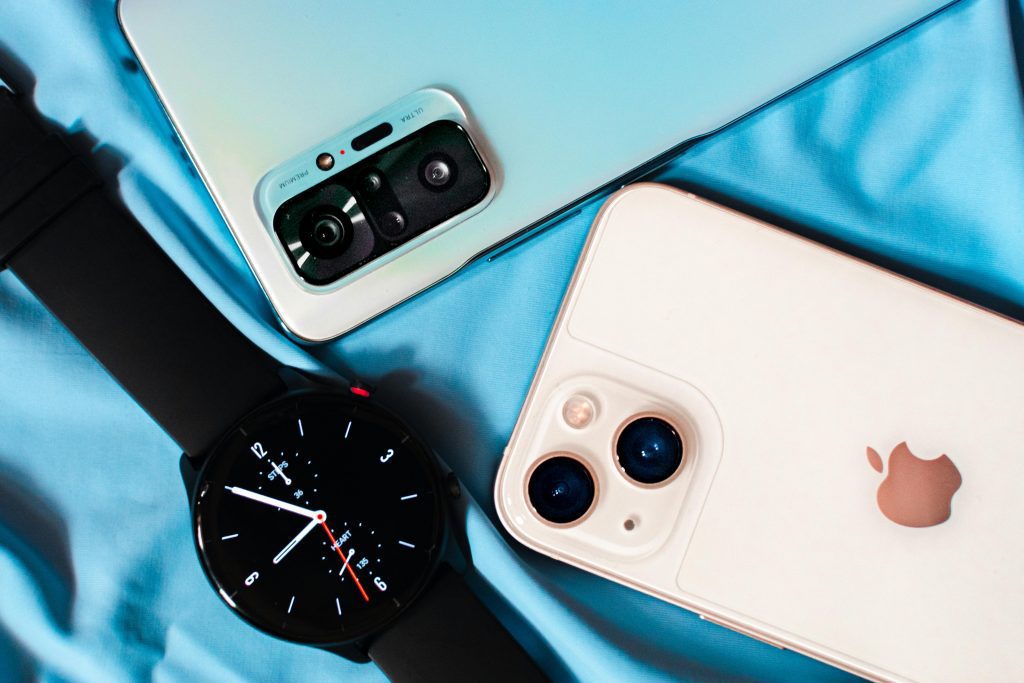
Smartwatches have come a long way from just telling time. They now offer a seamless extension of your smartphone, enhancing convenience, connectivity, and efficiency. Whether you’re tracking your fitness, managing notifications, or sharing data between devices, the right smartwatch features can make all the difference. In this guide, we’ll explore the top smartwatch features that work in perfect harmony with your smartphone.


1. Seamless Compatibility with Your Smartphone

Before purchasing a smartwatch, ensuring it is compatible with your smartphone is crucial. Some devices work exclusively with specific operating systems, such as Apple Watch with iOS or Samsung Galaxy Watch with Android. Learn more about smartwatch compatibility to make an informed decision.


2. Smart Notifications and Call Handling

One of the best features of a smartwatch is its ability to sync with your phone’s notifications. You can receive texts, emails, and app alerts directly on your wrist, allowing you to stay connected without constantly reaching for your phone. Some models even let you answer calls or send quick responses directly from the watch.


3. Health and Fitness Tracking

Most modern smartwatches come with built-in sensors that track your heart rate, steps, sleep patterns, and even blood oxygen levels. Whether you’re a casual walker or a fitness enthusiast, these features help you stay on top of your health goals.


4. Access to Essential Apps

Smartwatches offer a variety of apps designed to enhance your daily routine. From navigation and music streaming to productivity tools and meditation apps, the right apps can transform how you use your device. Check out some of the top smartwatch apps that can improve your smartwatch experience.


5. GPS Navigation and Travel Assistance

For those who travel frequently or love outdoor activities, GPS integration is a game-changer. Smartwatches with GPS capabilities allow you to track routes, find locations, and navigate without needing to pull out your phone constantly.


6. Music and Media Control

With smartwatch media controls, you can change songs, adjust volume, and even stream music right from your wrist. Many smartwatches also support offline playback, letting you enjoy your favorite tunes without needing your phone nearby.


7. Data Sharing Across Multiple Devices

A smartwatch can act as a bridge between multiple devices, helping you share data effortlessly. Whether it’s syncing fitness data or accessing messages on different gadgets, seamless integration is key. Learn more about how to share data across multiple devices with your phone plan.


Final Thoughts

A smartwatch is more than just a fashion accessory—it’s a powerful tool that enhances your smartphone experience. By selecting the right features and ensuring compatibility, you can make the most of your wearable tech and stay connected in smarter ways.

Smartwatch Features That Work Best with Your Smartphone Read More »

Exploring the Best New Features of iOS 17

iOS 17 is here, and it’s packed with new features designed to enhance your iPhone experience. Whether you’re a tech enthusiast or a casual user, there’s something in this update for everyone. In this post, we’ll break down the most exciting features of iOS 17 and show you how they can improve your day-to-day life.

Enhanced Communication Features

Live Voicemail

One of the standout features of iOS 17 is Live Voicemail. This feature transcribes voicemail messages in real-time, allowing you to decide whether to answer or ignore the call. It’s a game-changer for managing calls efficiently.

Contact Posters

Customizable contact posters let you add a personal touch to your call screen. This feature allows users to design their own contact cards, complete with photos, Memoji, and unique fonts.

Productivity Upgrades

Interactive Widgets

Widgets are now more interactive, enabling you to complete tasks directly from your home screen. From marking reminders as done to controlling your music, interactive widgets save time and clicks.

StandBy Mode

StandBy Mode turns your iPhone into a smart display when it’s charging and placed in landscape mode. You can customize it to show widgets, photos, or the time, making it ideal for your bedside or desk.

Enhanced Privacy and Security

Check In Feature

The new Check In feature lets you notify friends or family when you’ve safely arrived at your destination. This feature provides an extra layer of safety for solo travelers or late-night commutes.

Safari Updates

Private Browsing in Safari is now even more secure, with features like Face ID and Touch ID lock, ensuring only you can access your browsing sessions.

Entertainment and Fun

Improved AirDrop

AirDrop gets a significant upgrade with NameDrop. This feature makes sharing contacts and files with nearby iPhones seamless. Simply bring your phones close together, and you’re good to go.

Journal App

The new Journal app is designed for daily reflection and mindfulness. It offers prompts based on your activities, making it easier to document your thoughts and experiences.

Compatibility and Installation

Supported Devices

Before you dive into iOS 17, ensure your iPhone is compatible. The update supports iPhone XR and later models.

How to Update

To install iOS 17, head to Settings > General > Software Update. Make sure your phone is backed up and has sufficient battery life before updating.

Where to Buy the Best iPhones

If you’re considering upgrading your device to fully enjoy iOS 17, check out our online phone shop for the latest models and great deals.

Selling or Upgrading?

If you’re thinking about selling your old iPhone, read our guide on local vs. online smartphone selling options to make an informed decision.

Exploring Refurbished Options

For those on a budget, consider buying refurbished. Our article on the pros and cons of refurbished smartphones can help you weigh your options.

Conclusion

With iOS 17, Apple continues to push the boundaries of what’s possible with a smartphone. From enhanced communication tools to improved privacy features, there’s something for everyone in this update. Ready to upgrade or explore new iPhone options? Visit our resources for guidance.

Exploring the Best New Features of iOS 17 Read More »

area coverage

How to Check If Your Area Has 5G Coverage

As 5G technology continues to revolutionize connectivity, having access to a robust 5G network is becoming essential for work, entertainment, and everyday communication. However, 5G coverage is not yet universal, and availability varies depending on location and provider. Here’s how you can check if your area has 5G coverage and prepare for the future of ultra-fast wireless connectivity.


What Is 5G, and Why Does It Matter?

5G is the fifth generation of wireless network technology, offering faster speeds, lower latency, and improved connectivity compared to its predecessor, 4G LTE. It’s ideal for activities like streaming, gaming, and supporting smart home devices, making it a game-changer for both personal and professional use.


How to Check 5G Coverage in Your Area

1. Use Carrier Coverage Maps

Most major carriers, including AT&T, Verizon, and T-Mobile, provide online maps that show their 5G coverage areas. These tools allow you to input your address to see if 5G is available in your region. For a detailed comparison of network coverage, explore the best smartphone coverage from AT&T, Verizon, and T-Mobile.

2. Check Third-Party Tools

Platforms like Ookla and OpenSignal offer apps and websites that display crowd-sourced coverage maps, helping you identify 5G availability in your area.

3. Consult Your Mobile Network Provider

If you’re unsure whether your current provider offers 5G in your location, reach out to their customer service or visit their website. Learn more about mobile network options to ensure you’re getting the best service.


Preparing for the 5G Transition

1. Upgrade Your Smartphone

Not all devices are compatible with 5G. If you’re still using an older model, upgrading to a 5G-enabled smartphone is essential to take full advantage of the network.

2. Choose the Right Mobile Plan

Ensure your mobile plan includes 5G access. Many providers offer 5G as part of their standard packages, but it’s always a good idea to confirm. Compare various options with the best mobile network plans to find one that suits your needs.

3. Protect Your Investment

With the higher cost of 5G-enabled devices, investing in insurance is a smart move. Check out top mobile phone insurance providers and their coverage options to safeguard your smartphone.


Why 5G Coverage Varies

5G coverage depends on several factors, including your location, the type of 5G deployed (low-band, mid-band, or mmWave), and the network infrastructure of your provider. Urban areas typically enjoy better coverage due to higher demand and existing infrastructure, while rural regions may still rely on 4G LTE. To explore urban coverage, see the best mobile network coverage for major U.S. cities.


Benefits of 5G Connectivity

  1. Faster Speeds: Stream HD videos, download large files, and play online games without lag.
  2. Improved Capacity: Handle multiple devices simultaneously without losing performance.
  3. Lower Latency: Experience near-instant response times, ideal for remote work, gaming, and IoT applications.

Challenges of 5G Deployment

While 5G promises incredible benefits, challenges like infrastructure costs, regulatory approvals, and geographical limitations can slow its deployment. Staying informed about your provider’s expansion plans will help you stay ahead.


Conclusion

As 5G continues to expand, understanding your area’s coverage and preparing for the transition is essential. By upgrading your smartphone, selecting the right mobile plan, and ensuring you have reliable network coverage, you can fully embrace the benefits of this next-generation technology.

Start by checking out the best mobile network coverage and exploring 5G plans tailored to your needs. The future of connectivity is here—make sure you’re ready to ride the wave!

How to Check If Your Area Has 5G Coverage Read More »

smart devices

How Nationwide 5G Coverage Enhances Smart Devices and IoT

The Internet of Things (IoT) is revolutionizing the way we interact with our environment, connecting everything from smart refrigerators to self-driving cars. Central to this transformation is the emergence of nationwide 5G coverage, which provides the speed, reliability, and low latency necessary for these devices to thrive. In this blog post, we’ll explore how 5G enhances smart devices and IoT ecosystems while examining its impact on daily life.


What Makes 5G Essential for Smart Devices?

5G isn’t just faster than its predecessors; it’s a game-changer for smart devices. With faster data speeds, minimal latency, and the capacity to connect millions of devices simultaneously, 5G creates the backbone for a truly interconnected world.

For a deeper dive into the technology behind wireless networks, check out our article on exploring wireless data connection technologies, from 4G to 5G.


The Role of Nationwide Coverage

1. Seamless Connectivity Anywhere

Nationwide 5G coverage ensures that smart devices can remain connected, whether you’re in a bustling city or a rural town. Unlike 4G, which often struggles with network congestion, 5G handles high-demand situations with ease.

Curious about how network coverage varies by location? Learn more about the best mobile network coverage in major U.S. cities.


2. Supporting Large-Scale IoT Deployments

From smart cities to industrial IoT applications, nationwide 5G ensures that millions of connected devices can operate simultaneously. Its ability to maintain stability in high-density areas makes it indispensable for IoT expansion.


5G’s Impact on Smart Home Devices

1. Faster Response Times

Smart home devices, such as voice assistants and security cameras, rely on instant communication. 5G’s low latency allows these devices to respond faster, creating a smoother user experience.


2. Enhanced Security

With the ability to quickly update software and firmware, 5G improves the security of smart devices. Real-time updates ensure that your connected devices are protected against cyber threats.


Transforming Smart Transportation with 5G

1. Autonomous Vehicles

Self-driving cars require lightning-fast communication between sensors, traffic signals, and other vehicles. Nationwide 5G ensures the low latency needed for safe and efficient autonomous driving.


2. Real-Time Traffic Management

Smart transportation systems use IoT to monitor and manage traffic flow. With 5G, these systems can process and respond to real-time data, reducing congestion and improving safety.


How 5G Boosts Healthcare and Wearable Devices

1. Remote Health Monitoring

Wearable devices like fitness trackers and medical sensors benefit from 5G’s ability to transmit large amounts of data quickly. This enables real-time health monitoring and better care for patients.


2. Telemedicine

5G enhances telemedicine by supporting high-quality video calls and rapid data sharing. Patients and doctors can communicate seamlessly, even in remote areas.


The Role of Cell Towers in 5G Performance

Cell towers play a crucial role in delivering 5G’s benefits. As the network expands, additional infrastructure ensures consistent performance and coverage. Learn about the importance of cell towers in maintaining network coverage quality.


Choosing the Right 5G Plan for IoT

Selecting the right 5G plan is essential for maximizing the benefits of smart devices and IoT. Look for plans that offer high data caps and low latency. Explore available 5G plans to find the one that fits your needs.


Conclusion

Nationwide 5G coverage is the cornerstone of the IoT revolution. It empowers smart devices to function seamlessly, enhances industries from healthcare to transportation, and lays the groundwork for a more connected future. With its speed, reliability, and capacity, 5G is unlocking the full potential of IoT.

How Nationwide 5G Coverage Enhances Smart Devices and IoT Read More »