JNA Mobility

Network coverage

U.S. cities network

The Best U.S. Cities for Strong Network Coverage

Reliable mobile network coverage is essential for everything from work and streaming to navigation and social media. While some areas struggle with weak signals, many U.S. cities offer outstanding network performance, ensuring fast data speeds, strong reception, and minimal dropped calls.

But which cities provide the best mobile network coverage, and why? In this guide, we’ll explore the top U.S. cities for network reliability, what makes them stand out, and how you can improve coverage no matter where you live.


1. What Defines Excellent Network Coverage?

Before diving into the best cities for network coverage, let’s look at what makes a city stand out in terms of connectivity:

✔ Strong LTE & 5G availability – A high percentage of covered areas
✔ Fast download & upload speeds – Ensuring smooth streaming and browsing
✔ Low latency – Important for gamers and video calls
✔ Minimal dead zones – Fewer dropped calls or weak signal areas

💡 Want to know more about network strength? Check out the best mobile network coverage for major U.S. cities for in-depth comparisons.


2. Top U.S. Cities with the Best Network Coverage

A. New York City, NY

✔ Extensive 5G rollout and LTE coverage
✔ High population density ensures stronger infrastructure investment
✔ Reliable connectivity in subways, buildings, and underground areas

B. Los Angeles, CA

✔ Widespread 5G network availability
✔ High mobile data speeds, perfect for streaming and gaming
✔ Strong coverage across urban and suburban areas

C. Chicago, IL

✔ Low latency and high-speed 5G connectivity
✔ Consistent coverage, even in high-rise buildings and underground areas
✔ Well-developed public Wi-Fi infrastructure

D. Houston, TX

✔ Excellent LTE and 5G connectivity
✔ Large coverage area, including suburban and rural regions
✔ Ideal for business professionals needing reliable remote work connectivity

E. Atlanta, GA

✔ Strong MVNO (Mobile Virtual Network Operator) options
✔ Fast-growing 5G infrastructure
✔ Great coverage even in remote suburbs

💡 Considering an MVNO for better coverage? Discover the advantages of using mobile virtual network operators (MVNOs) and how they compare to traditional carriers.


3. How to Improve Network Coverage at Home

Even in cities with great network coverage, some homes and buildings may experience weak signals. Here’s how to fix it:

✔ Use a mobile signal booster – Amplifies weak signals indoors
✔ Connect to Wi-Fi calling – A great backup when the network is weak
✔ Position yourself near windows – Helps avoid signal blockage from walls

💡 Want a better signal at home? Learn about the best devices to improve mobile network coverage in your home.


Final Thoughts: Stay Connected in the Best U.S. Cities

Whether you’re in a major metropolitan area or a growing city, network coverage plays a crucial role in daily life. If you live in or travel to cities like New York, Los Angeles, or Chicago, you’ll experience top-tier mobile connectivity.

🚀 Looking for the best network coverage in your area?

👉 Explore Top Mobile Networks Today! 📶

The Best U.S. Cities for Strong Network Coverage Read More »

Mobile Networks

The Future of Mobile Networks: What to Expect in the Next Decade

The mobile network industry is evolving rapidly, and the next decade promises groundbreaking advancements that will redefine connectivity, speed, and accessibility. From 6G innovations to the expansion of Mobile Virtual Network Operators (MVNOs), the future of mobile networks is set to revolutionize how we communicate. Here’s what you can expect in the coming years.

1. The Rise of 6G Technology

While 5G is still rolling out worldwide, research into 6G is already underway. Expected to launch by 2030, 6G will deliver speeds up to 100 times faster than 5G, supporting ultra-low latency and massive device connectivity. With innovations in AI-driven networking and edge computing, 6G will enhance smart cities, autonomous vehicles, and real-time immersive experiences.

2. Expansion of Mobile Virtual Network Operators (MVNOs)

As mobile networks advance, the advantages of using Mobile Virtual Network Operators (MVNOs) will become more prominent. These operators lease network infrastructure from major carriers, offering competitive pricing, customized plans, and increased accessibility. With improved technology, MVNOs will play a crucial role in bridging digital divides, making affordable connectivity available to a wider audience.

3. Enhanced Mobile Network Coverage

Next-generation networks will focus on broader coverage and enhanced reliability, especially in rural and underserved areas. The best mobile network coverage for major U.S. cities is already a priority, and future developments will extend seamless coverage to remote regions. With advancements in satellite internet and hybrid networking, consistent mobile access will become a global reality.

4. Evolution of GSM and Alternative Technologies

GSM has been the backbone of mobile communication for decades, but the future will see new advancements in connectivity solutions. The pros and cons of GSM technology for mobile users highlight its advantages and limitations, paving the way for alternative technologies like Li-Fi, quantum communication, and AI-driven spectrum allocation to take center stage.

5. AI and Automation in Mobile Networks

Artificial intelligence will play a critical role in optimizing mobile network operations. AI-powered predictive analytics will help prevent network failures, enhance security, and manage traffic efficiently. Automation will lead to self-healing networks, ensuring minimal downtime and improved user experience.

6. Sustainable and Energy-Efficient Networks

As mobile networks grow, sustainability will become a priority. Future networks will utilize renewable energy sources, AI-driven power management, and energy-efficient hardware to minimize their carbon footprint. These efforts will contribute to greener telecommunications infrastructure and more environmentally friendly operations.

Conclusion

The future of mobile networks is bright, with transformative advancements on the horizon. Whether it’s the deployment of 6G, the expansion of MVNOs, or improved network coverage, staying informed about these changes is crucial. Explore the latest developments in mobile networks and connectivity to prepare for the exciting innovations ahead.

The Future of Mobile Networks: What to Expect in the Next Decade Read More »

5g data speeds

What You Need to Know About 5G Data Speeds

The rollout of 5G technology is transforming the way we use mobile data, offering faster speeds, lower latency, and improved connectivity. Whether you’re streaming HD videos, playing online games, or relying on mobile data for work, understanding 5G data speeds can help you choose the right plan and maximize your experience. In this guide, we’ll break down how 5G networks impact your mobile experience and what you need to know when selecting a plan.

1. What Makes 5G Different from Previous Networks?

Unlike 4G LTE, which provided a significant boost in mobile speeds, 5G networks are designed to deliver even faster data rates, higher capacity, and better reliability. With speeds potentially exceeding 1 Gbps, 5G enables seamless streaming, instant downloads, and real-time gaming with minimal lag.

2. How 5G Enhances Your Mobile Experience

The introduction of 5G brings several advantages, including:

  • Faster Speeds: Downloading large files or streaming 4K content is quicker than ever.
  • Lower Latency: Real-time applications like video calls and cloud gaming run more smoothly.
  • Greater Capacity: More devices can connect without network congestion, making it ideal for how mobile data plans are evolving with IoT and smart devices.

3. Choosing the Right 5G Data Plan

Not all 5G plans are created equal. When selecting a plan, consider:

4. Is 5G Worth the Upgrade?

For most users, upgrading to a 5G mobile plan offers clear advantages, especially for those who need high-speed data for work or entertainment. If you’re unsure which plan to choose, explore various 5G data plans to find one that meets your needs.

Final Thoughts

5G is revolutionizing mobile connectivity by providing ultra-fast speeds, low latency, and enhanced reliability. Whether you’re a casual user or a power user, understanding 5G technology will help you make the most of your mobile experience. Explore different plans and networks to ensure you get the best 5G service available!

What You Need to Know About 5G Data Speeds Read More »

rural areas

How Rural Areas Are Closing the Mobile Coverage Gap

Millions of Americans in rural areas still struggle with slow or unreliable internet. Whether it’s for work, education, or staying connected with loved ones, strong network coverage is no longer a luxury—it’s a necessity. But how are these underserved communities bridging the gap?

With advances in satellite internet, fixed wireless, and 5G expansion, rural areas are finally getting the connectivity they need. In this article, we’ll explore the best current solutions and what the future holds for rural network coverage.

Why Network Coverage in Rural Areas Matters

Reliable internet access is essential for modern life. Here’s why it’s particularly critical for rural communities:

  • Education: Students need high-speed internet for online learning and research.
  • Healthcare: Telemedicine services rely on a stable connection.
  • Business Growth: Rural entrepreneurs and remote workers need fast internet to compete.
  • Emergency Situations: During disasters, reliable network coverage can be lifesaving.

So, what’s being done to bridge this digital divide?

Current Solutions for Bridging the Digital Divide

Satellite Internet: A Game-Changer for Remote Locations

Satellite internet is one of the most accessible options for rural areas. Instead of relying on physical cables, data is transmitted via satellites orbiting Earth.

Advantages of Satellite Internet

  • Available almost everywhere
  • No reliance on ground infrastructure
  • New advancements improving speed and latency

Starlink, HughesNet, and Viasat are among the leading providers of satellite internet, offering speeds that rival traditional broadband in some areas.

Fixed Wireless Internet: Bringing High-Speed Connectivity

Fixed wireless internet delivers high-speed internet via radio signals from nearby towers. It’s an excellent alternative for rural users who lack access to cable or fiber-optic connections.

Why Fixed Wireless is a Great Choice

  • Faster than satellite internet in some cases
  • No need for extensive wiring
  • Reliable connection with low latency

5G Expansion in Rural Areas

5G isn’t just for big cities anymore. As carriers expand their networks, more rural communities are getting access to ultra-fast and low-latency 5G connectivity.

Companies like JNA Mobility are leading the charge in bringing 5G coverage to underserved areas.

Public Wi-Fi Hotspots for Rural Communities

In many towns, public Wi-Fi hotspots are being deployed to provide free or low-cost internet access. These hotspots are essential for those who can’t afford high-speed home internet.

To stay safe while using public networks, check out secure hotspot options.

Challenges in Expanding Rural Network Coverage

Despite progress, there are still major challenges in bringing better connectivity to rural America:

  • High Infrastructure Costs – Laying fiber or expanding cell towers is expensive.
  • Geographical Barriers – Remote locations make it difficult to install network equipment.
  • Low Population Density – ISPs are hesitant to invest in areas with fewer customers.

The Role of Private and Government Initiatives

To combat these challenges, government programs and private companies are working together to expand rural broadband.

✅ The FCC’s Rural Digital Opportunity Fund (RDOF) is investing billions into rural connectivity.
✅ Companies like JNA Mobility are building stronger, more reliable networks for underserved communities.

Future of Network Coverage in Rural Areas

So, what’s next for rural connectivity?

  • Next-gen satellite internet from companies like Starlink
  • More 5G towers for expanded coverage
  • Affordable, high-speed broadband options for rural users

As technology advances, rural areas will soon enjoy the same level of connectivity as urban centers.

Conclusion

Rural communities have long faced challenges in network coverage, but with satellite internet, fixed wireless, and expanding 5G, the gap is closing fast. Thanks to government programs and innovative companies like JNA Mobility, rural residents now have more options than ever.

Looking ahead, continued investment in rural broadband infrastructure will ensure no one gets left behind in the digital age.

How Rural Areas Are Closing the Mobile Coverage Gap Read More »

nationwide and local coverage

Nationwide vs. Local Network Coverage: Key Differences

Understanding the differences between nationwide and local network coverage can help you choose the best provider for your needs. In this guide, we’ll explore these differences and key factors to consider when selecting a network plan.

What is Nationwide Network Coverage?

Nationwide network coverage refers to a broad, extensive coverage area that spans multiple regions, states, or even the entire country. Large carriers invest heavily in infrastructure, such as cell towers, to ensure widespread availability. This type of coverage is ideal for frequent travelers, businesses with multiple locations, and individuals who require seamless connectivity no matter where they go.

One key factor affecting nationwide network coverage is the role of cell towers in network coverage quality. A well-distributed network of towers enhances signal strength and reduces dead zones, making nationwide providers a top choice for those needing constant connectivity.

What is Local Network Coverage?

Local network coverage, on the other hand, is limited to a specific area, city, or region. Smaller carriers or local service providers often focus on improving service within their designated coverage areas rather than expanding nationwide. This can lead to better customer service, more competitive pricing, and stronger signals in specific locations.

Local providers can also be a great choice for those who spend most of their time within a specific geographic region and don’t require extensive roaming capabilities. However, users may experience challenges when traveling outside their service area.

Key Differences Between Nationwide and Local Coverage

  1. Coverage Area – Nationwide providers offer service across the country, whereas local providers focus on specific regions.
  2. Signal Strength – Nationwide providers have a more extensive infrastructure, but local networks can offer better service within their specific areas.
  3. Roaming Charges – Local networks may incur higher roaming charges when users travel outside their service area, whereas nationwide providers often include nationwide roaming in their plans.
  4. Plan Pricing – Local providers might offer cost-effective solutions tailored to the needs of their community, while nationwide plans often include more extensive services at higher prices.
  5. Device Compatibility – Some devices are optimized for certain networks. Choosing the best devices to improve mobile network coverage in your home can significantly enhance your connectivity.

Which One is Right for You?

Choosing between nationwide and local network coverage depends on your specific needs. If you frequently travel, require extensive connectivity, or run a business with multiple locations, a nationwide network might be the best fit. However, if you primarily stay within a specific area and want to save on costs, a local provider could be a better option.

It’s also essential to understand the different network technologies that affect coverage, such as GSM and CDMA. The pros and cons of GSM technology for mobile users can help determine whether a network is compatible with your needs.

Conclusion

Both nationwide and local network coverage options have their advantages and drawbacks. By understanding the key differences and assessing your usage habits, you can make an informed decision that best suits your connectivity needs. For more insights into how networks function and which provider might be best for you, explore the latest updates on network coverage and technology.

Nationwide vs. Local Network Coverage: Key Differences Read More »

phone insurance plan

Should Phone Insurance Providers Offer Flexible Plans?

Smartphones have become an essential part of everyday life, making phone insurance a crucial investment for many users. However, with rapidly changing technology and diverse customer needs, the question arises: Should phone insurance providers start offering more flexible plans? Traditional coverage options often fail to accommodate varying user habits, creating a demand for customizable protection.

The Need for More Flexible Phone Insurance Plans

Phone insurance typically covers accidental damage, theft, and malfunctions, but many policies come with rigid terms that may not suit all users. Some people use their phones for high-risk activities, while others may rarely need extensive coverage. As a result, consumers are looking for plans that cater specifically to their needs.

If you’re unsure about what’s currently available, it’s essential to understand the different benefits and options of nationwide phone insurance coverage. These plans can provide insight into how coverage varies and what improvements could be made to offer better flexibility.

What Would a Flexible Phone Insurance Plan Look Like?

More adaptable insurance options could include:

  • Pay-Per-Use Coverage: Instead of a fixed monthly fee, users could pay for protection only when they need it.
  • Customizable Policies: Consumers could choose coverage for specific risks, such as theft-only or water damage protection.
  • Device Upgrade Protection: Insurance that adjusts based on the phone’s age and depreciation.
  • Short-Term Plans: Temporary coverage for users who may not need long-term protection.

For those weighing the pros and cons of different coverage types, it’s helpful to explore the difference between phone insurance and a protection plan. This comparison can help determine what kind of flexibility might be beneficial.

Current Challenges in the Phone Insurance Industry

Despite the growing need for flexibility, phone insurance providers face several challenges in adapting their plans:

  • Risk Management: Offering customizable plans could make it harder for insurers to predict claims and set prices.
  • Consumer Awareness: Many users are unaware of what their insurance covers, making it difficult to introduce new policy structures.
  • Regulatory Hurdles: Insurance laws vary by region, making it complex to introduce flexible options nationwide.

However, companies that prioritize customer needs and stay ahead of market trends can successfully develop policies that balance both coverage and affordability. For a detailed breakdown of existing plans, check out what you need to know when comparing phone insurance plans.

Is It Time for a Change?

As mobile technology continues to evolve, phone insurance providers must reconsider their approach to coverage. With increasing demand for personalization in financial services, offering more adaptable phone insurance options is a logical next step. Users should have the ability to customize their coverage based on their lifestyle, phone usage, and risk factors.

For those currently exploring coverage, reviewing phone insurance options can help determine what plans are best suited to their needs. Whether you’re looking for basic protection or comprehensive coverage, knowing your options is the key to making an informed decision.

Final Thoughts

The mobile insurance industry must evolve to meet the changing needs of consumers. Offering flexible phone insurance plans would provide users with greater control over their protection while ensuring they only pay for what they truly need. As the industry progresses, phone insurance providers who embrace flexibility and customization will stand out in a competitive market.

What do you think? Should phone insurance companies start offering more tailored plans?

Should Phone Insurance Providers Offer Flexible Plans? Read More »

5G-Revolution

The 5G Revolution: Why Your Phone Bill Is Changing

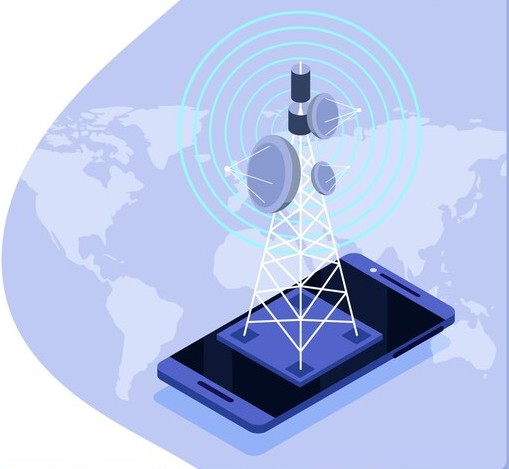
The rollout of 5G networks is underway around the world, bringing faster speeds, lower latency, and greater capacity to wireless networks. 5G represents the next generation of mobile broadband networks, building on the evolution from 1G to 4G networks. With peak download speeds up to 20 Gbps, 5G is set to be as much as 100 times faster than 4G LTE networks.

The capabilities of 5G networks allow carriers to create new kinds of data plans for consumers. 5G is spurring the development of new unlimited postpaid plans with large amounts of high-speed data. Carriers are beginning to move away from data caps and overage fees that have been common with 4G plans. The faster speeds and greater capacity of 5G networks enable carriers to offer unlimited high-speed data without congesting the network.

Faster Speeds

5G represents a massive leap in wireless technology, bringing speeds up to 100 times faster than 4G LTE networks. While 4G LTE tops out at around 100 Mbps, 5G networks can achieve speeds of over 10 Gbps. This lightning fast connectivity opens up possibilities that simply weren’t feasible before.

For consumers, 5G enables activities like downloading full length HD movies in seconds instead of minutes. Augmented and virtual reality experiences also become far more practical with 5G’s increased bandwidth and lower latency. Telehealth, smart city infrastructure, industrial automation, and autonomous vehicles become more robust and responsive leveraging 5G connectivity. Even multiplayer cloud gaming can offer console-quality graphics and seamless real-time interactivity powered by 5G networks.

The bottom line is that 5G isn’t just incrementally faster, it’s disruptively faster – enabling next generation use cases across consumer, business, and industrial applications. New 5G networks usher in a new era of connectivity.

Lower Latency

5G networks allow for much lower latency, which refers to the time it takes for devices to communicate with each other on the network. Latency is measured in milliseconds, and on 4G networks the average latency is around 30-70ms. With 5G, latency can be reduced to as low as 1ms.

Lower latency provides several key benefits:

Real-time communication – Lower latency enables applications like video conferencing, online gaming, and live streaming to function seamlessly without lag or buffering. This allows for real-time communication across long distances.

Faster response times – With lower latency, there is less delay between a user action and network response. This allows apps and services to respond faster. For example, web pages and videos will load more instantly.

Advanced applications – Lower latency opens the door for new types of applications involving real-time control and feedback. For example, remote surgery, autonomous vehicles, virtual reality, and drone control can all benefit greatly from single digit millisecond latency provided by 5G.

So in summary, reduced latency is one of the most impactful technical advantages of 5G. It enables a more immediate and responsive mobile experience, allowing people to do more advanced tasks requiring precision timing. This truly sets 5G apart from previous generations.

Greater Capacity

One of the key benefits of 5G is its ability to handle significantly more devices and data compared to previous networks like 4G LTE. Where 4G networks start to get congested and slow down with heavy usage, 5G has the capacity to maintain high speeds even with many connected devices in a concentrated area.

5G uses higher frequency radio waves that can carry more data than lower frequency waves used in older networks. The larger bandwidth enables each cell tower to handle multiple times more concurrent users before becoming overloaded. This greater capacity relieves congestion in crowded areas like stadiums, transit stations, and urban centers where performance would previously suffer.

Network congestion has been a major pain point for smartphone users, causing slow loading speeds and streaming interruptions during peak usage times. The increased bandwidth of 5G networks helps minimize this issue by spreading connections across a wider channel. Even as more users come online and data demands grow exponentially in the 5G era, the networks are designed to handle the increased capacity requirements. This results in faster, smoother service for users even under heavy network load.

The capacity gains with 5G will not only improve the mobile experience as we know it today, but allow for new use cases. From connected cars and smart cities, to AR/VR applications and industrial IoT, the greater bandwidth opens the door to innovations that require reliable, high-speed connectivity at scale. For consumers, it means enjoying their phones and apps without the frustration of congestion slowdowns.

5G Coverage

5G networks are still rapidly rolling out across the United States. Coverage varies widely depending on your location and carrier.

The major metro areas with the most extensive 5G coverage currently include:

Verizon: Cities like Chicago, Houston, Los Angeles, New York City, and Washington DC. Verizon expects to have 5G coverage in over 1,700 cities by the end of 2022.

AT&T: Cities like Austin, Charlotte, Dallas, Houston, Jacksonville, Los Angeles, Nashville, Orlando, San Francisco, and San Jose. AT&T expects to cover over 200 million people with 5G by 2023.

T-Mobile: Cities like Atlanta, Cleveland, Dallas, Las Vegas, Los Angeles, Miami, New York City, Philadelphia, Phoenix, and San Francisco. T-Mobile expects to cover 300 million people with 5G by 2023.

So while 5G is spreading quickly, coverage remains limited mostly to major cities and their surrounding metro areas for now. Rural areas in particular still lack widespread 5G availability. As carriers continue building out their 5G networks over the next few years, coverage will greatly expand to blanket more of the country.

5G Phones

The arrival of 5G networks has led to a new wave of phones capable of connecting to the faster network. Here are some of the top 5G-enabled phones currently on the market:

Samsung Galaxy S21 5G – Samsung’s flagship S21 phone comes in a 5G model. It has a fast Snapdragon 888 processor, dynamic AMOLED display, and triple rear camera.

iPhone 15 and iPhone 15 Pro – The latest iPhones from Apple feature 5G connectivity across all models. All connect to both sub-6GHz and mmWave 5G.

Google Pixel 5 – Google’s Pixel 5 phone runs on the Snapdragon 765G, which features an integrated 5G modem. It offers a 6-inch OLED screen, 8GB RAM, and dual rear cameras.

OnePlus 8T – OnePlus offers its 8T model with 5G support starting at $749. It has a 120Hz fluid display, Snapdragon 865 chip, and 65W fast charging.

LG Wing 5G – The LG Wing has a unique swivel form factor with dual screens. Its Qualcomm Snapdragon 765G chip provides 5G connectivity.

In general, 5G phones tend to cost $100-200 more than 4G LTE models initially. However, prices are beginning to decrease as 5G becomes more mainstream. With carriers and manufacturers aggressively pushing 5G devices, expect more affordable 5G phones to hit the market soon.

Should You Upgrade to 5G Now?

The arrival of 5G networks presents an exciting new option for smartphone users. However, is now the right time to upgrade your phone plan? There are pros and cons to consider.

The Pros of Upgrading

Faster speeds: 5G can deliver peak download speeds up to 20 Gbps, versus 1 Gbps for 4G LTE. This means faster downloads, web browsing, and streaming.

Lower latency: 5G latency can be under 1 millisecond, versus 20-70 ms for 4G. This results in near real-time responsiveness for gaming, AR/VR apps.

New apps & services: 5G could enable new mobile apps and technologies relying on speed and low latency, like smart cities and autonomous vehicles.

Future-proofing: Getting a 5G device and plan now will allow you to take advantage of improving 5G coverage and new use cases as they emerge.

The Cons of Upgrading

Spotty coverage: 5G coverage is still limited to certain neighborhoods in select cities. Rural areas lag behind. Verify coverage in your area first.

Cost: 5G plans currently cost $10-20 more per month than 4G plans. 5G devices also cost $100-300 more upfront.

Minimal improvements for many uses: For basic social media, web browsing, streaming, 4G LTE speeds are often sufficient. 5G benefits are marginal in the near-term.

Battery life impacts: The first generation of 5G phones have reduced battery life due to inefficient 5G modems. This tradeoff will improve over time.

Recommendations

For heavy mobile users that stream lots of HD video and play graphics-intensive games, upgrading to 5G now can provide a meaningfully better experience if you have coverage. But for average users, sticking with 4G LTE is often the smarter near-term choice given the costs and limitations. Evaluate your typical use cases and coverage availability in your area. Over the next 2-3 years as 5G expands, prices decrease, and devices mature, upgrading will make more sense for mainstream consumers.

The Future of 5G

5G networks are just getting started, but the future possibilities are exciting. As 5G coverage expands and new applications emerge, we’ll begin to see major impacts in areas like virtual reality, smart cities, autonomous vehicles, and more.

Emerging 5G Applications

Virtual reality – 5G’s super fast speeds and low latency will help unlock the full potential of VR. Complex VR environments with photorealistic graphics and haptics will become possible on wireless headsets without any delays or motion sickness. This could revolutionize gaming, live events, training simulations, and more.

Smart cities – 5G will allow for advanced connectivity between city infrastructure like traffic signals, public transportation, utility grids, etc. This smart city connectivity could optimize energy use, reduce traffic jams, and improve city services.

Autonomous vehicles – Self-driving cars will rely on a constant 5G connection to navigate roads safely. 5G will provide the speed, reliability and low latency needed for autonomous vehicles to communicate and react in real-time.

What Comes After 5G?

While 5G is still in its early stages, researchers are already looking ahead to 6G. Compared to 5G, 6G aims to deliver:

Even faster speeds – Potentially up to 1 terabyte per second

Lower latency – Down to 10-100 microseconds

Greater capacity

Longer battery life for devices

Higher frequency bands like sub-terahertz and visible light

The first real-world 6G networks aren’t expected until around 2030. The rollout of 5G still has a long way to go, but it’s exciting to imagine how 6G could shape the future even further down the road.

Conclusions

The rollout of 5G networks is bringing much faster speeds, lower latency, and greater capacity to wireless networks. This is enabling carriers to offer new premium unlimited data plans that give you access to the full capabilities of 5G.

While 5G coverage is still limited mainly to major cities and sports stadiums, it is quickly expanding. More affordable 5G smartphones are also becoming available, making it easier for consumers to experience 5G.

Before upgrading your device and plan, consider whether you really need the dramatic speed increases in your everyday use. For many, 4G LTE may still be fast enough. But if you’re an early adopter who wants the latest technology and lives in an area with solid 5G coverage, the performance gains could be worthwhile.

As 5G networks improve and expand over the next few years, these blazing fast speeds will transform how we connect on our phones and beyond. From self-driving cars to smart cities and augmented reality, many emerging technologies stand to benefit from the power of 5G networks. We are just beginning to glimpse 5G’s full potential.

The 5G Revolution: Why Your Phone Bill Is Changing Read More »

5G coverage across the U.S

How 5G Coverage is Expanding Across the U.S.

5G technology is revolutionizing the way we connect, communicate, and live. With promises of faster speeds, lower latency, and massive connectivity, the deployment of 5G networks across the U.S. has been a critical focus for telecommunications providers. In this blog, we’ll explore how 5G coverage is expanding, the role of infrastructure like cell towers, and the transformative impact it has on devices and communities nationwide.


Why is 5G Expansion Important?

1. Enhanced Connectivity

5G provides ultra-fast internet speeds, making it essential for everything from streaming to smart devices. With nationwide 5G network coverage, users can enjoy seamless connectivity regardless of their location.

2. Supporting Smart Technologies

5G is the backbone of smart technologies, enabling IoT devices, autonomous vehicles, and smart cities to function efficiently. Learn more about how 5G enhances smart devices and IoT.


How 5G Coverage is Being Deployed Across the U.S.

1. Urban Areas Take the Lead

Major cities were the first to experience widespread 5G coverage, providing dense populations with high-speed internet and paving the way for smart city advancements. For an overview of the best mobile network coverage in major U.S. cities, explore this detailed guide.

2. Expanding to Suburban and Rural Areas

Telecommunications providers are working to extend 5G coverage to suburban and rural communities. This expansion ensures equal access to high-speed internet and bridges the digital divide.

3. Building 5G Infrastructure

The construction of new cell towers and upgrading existing ones are crucial for 5G deployment. Discover how cell towers influence network coverage quality and support this expansion.


Key Benefits of 5G Expansion

1. Faster Speeds and Lower Latency

5G offers download speeds up to 100 times faster than 4G and latency as low as 1 millisecond, enabling real-time applications like gaming and telemedicine.

2. Increased Device Connectivity

5G networks can support millions of devices simultaneously, making them ideal for smart homes and IoT ecosystems.

3. Economic Growth

The expansion of 5G stimulates innovation and economic development by supporting industries like healthcare, transportation, and manufacturing.


Challenges in Expanding 5G Coverage

1. Infrastructure Development

Deploying 5G requires significant investments in new cell towers, small cells, and fiber networks. However, providers are actively working to meet these demands.

2. Coverage in Remote Areas

Reaching remote and rural locations remains a challenge due to logistical and financial constraints.

3. Regulatory Hurdles

Local and federal regulations can slow the rollout of 5G infrastructure, requiring coordination between governments and providers.


How Consumers Can Benefit from 5G Expansion

1. Improved Mobile Plans

As 5G becomes more widespread, consumers can access mobile plans with better data speeds and coverage. Check out the latest 5G network plans to upgrade your connectivity.

2. Seamless Smart Device Integration

With enhanced connectivity, 5G enables smart devices to work more efficiently, improving quality of life for users across the country.

3. Access to Emerging Technologies

From augmented reality to autonomous vehicles, 5G brings innovative technologies to the forefront, revolutionizing everyday experiences.


The Future of 5G in the U.S.

1. Nationwide Coverage Goals

Telecommunications providers aim to achieve complete 5G coverage across the U.S., ensuring accessibility in urban, suburban, and rural areas.

2. Advancing Smart Cities

As 5G becomes more widespread, smart city initiatives will gain momentum, improving traffic management, energy efficiency, and public safety.

3. Enhanced Global Competitiveness

With robust 5G networks, the U.S. is positioned to lead the world in technological innovation and economic growth.


Conclusion

The expansion of 5G coverage across the U.S. marks a significant milestone in the evolution of communication technology. From supporting smart devices to transforming industries, 5G is setting the stage for a connected and innovative future. While challenges remain, the progress made so far is paving the way for a fully connected nation.

Ready to experience the benefits of 5G? Explore nationwide 5G network coverage and upgrade to the best mobile network plans to stay ahead of the curve.

How 5G Coverage is Expanding Across the U.S. Read More »

smart devices

How Nationwide 5G Coverage Enhances Smart Devices and IoT

The Internet of Things (IoT) is revolutionizing the way we interact with our environment, connecting everything from smart refrigerators to self-driving cars. Central to this transformation is the emergence of nationwide 5G coverage, which provides the speed, reliability, and low latency necessary for these devices to thrive. In this blog post, we’ll explore how 5G enhances smart devices and IoT ecosystems while examining its impact on daily life.


What Makes 5G Essential for Smart Devices?

5G isn’t just faster than its predecessors; it’s a game-changer for smart devices. With faster data speeds, minimal latency, and the capacity to connect millions of devices simultaneously, 5G creates the backbone for a truly interconnected world.

For a deeper dive into the technology behind wireless networks, check out our article on exploring wireless data connection technologies, from 4G to 5G.


The Role of Nationwide Coverage

1. Seamless Connectivity Anywhere

Nationwide 5G coverage ensures that smart devices can remain connected, whether you’re in a bustling city or a rural town. Unlike 4G, which often struggles with network congestion, 5G handles high-demand situations with ease.

Curious about how network coverage varies by location? Learn more about the best mobile network coverage in major U.S. cities.


2. Supporting Large-Scale IoT Deployments

From smart cities to industrial IoT applications, nationwide 5G ensures that millions of connected devices can operate simultaneously. Its ability to maintain stability in high-density areas makes it indispensable for IoT expansion.


5G’s Impact on Smart Home Devices

1. Faster Response Times

Smart home devices, such as voice assistants and security cameras, rely on instant communication. 5G’s low latency allows these devices to respond faster, creating a smoother user experience.


2. Enhanced Security

With the ability to quickly update software and firmware, 5G improves the security of smart devices. Real-time updates ensure that your connected devices are protected against cyber threats.


Transforming Smart Transportation with 5G

1. Autonomous Vehicles

Self-driving cars require lightning-fast communication between sensors, traffic signals, and other vehicles. Nationwide 5G ensures the low latency needed for safe and efficient autonomous driving.


2. Real-Time Traffic Management

Smart transportation systems use IoT to monitor and manage traffic flow. With 5G, these systems can process and respond to real-time data, reducing congestion and improving safety.


How 5G Boosts Healthcare and Wearable Devices

1. Remote Health Monitoring

Wearable devices like fitness trackers and medical sensors benefit from 5G’s ability to transmit large amounts of data quickly. This enables real-time health monitoring and better care for patients.


2. Telemedicine

5G enhances telemedicine by supporting high-quality video calls and rapid data sharing. Patients and doctors can communicate seamlessly, even in remote areas.


The Role of Cell Towers in 5G Performance

Cell towers play a crucial role in delivering 5G’s benefits. As the network expands, additional infrastructure ensures consistent performance and coverage. Learn about the importance of cell towers in maintaining network coverage quality.


Choosing the Right 5G Plan for IoT

Selecting the right 5G plan is essential for maximizing the benefits of smart devices and IoT. Look for plans that offer high data caps and low latency. Explore available 5G plans to find the one that fits your needs.


Conclusion

Nationwide 5G coverage is the cornerstone of the IoT revolution. It empowers smart devices to function seamlessly, enhances industries from healthcare to transportation, and lays the groundwork for a more connected future. With its speed, reliability, and capacity, 5G is unlocking the full potential of IoT.

How Nationwide 5G Coverage Enhances Smart Devices and IoT Read More »

smartphone coverage

AT&T, Verizon, or T-Mobile: Best Smartphone Coverage

Choosing a reliable smartphone carrier is essential for staying connected in today’s fast-paced world. AT&T, Verizon, and T-Mobile dominate the U.S. market, each boasting extensive coverage and advanced technology. But which provider offers the best smartphone coverage? Let’s explore their strengths and help you make an informed decision.


Understanding Smartphone Coverage: The Basics

Smartphone coverage refers to the strength and availability of a carrier’s network in a specific area. The quality of coverage depends on factors like:

  • Cell tower proximity: Learn more about the role of cell towers in network coverage quality and how they impact your service.
  • Network technology: Carriers use different technologies like 4G LTE and 5G to deliver services.
  • Geography and population density: Urban areas typically have better coverage than rural regions due to a higher density of towers.

Comparing AT&T, Verizon, and T-Mobile Coverage

1. Verizon: Leading in Nationwide Coverage

Verizon has long been known for its robust coverage, especially in rural areas. Its extensive network of cell towers ensures reliable service, making it a top choice for travelers and those living outside major cities. Verizon’s strength lies in its ability to provide consistent 4G LTE and expanding 5G access across the country.

2. AT&T: Balanced Coverage with High-Speed Performance

AT&T strikes a balance between urban and rural coverage. It’s particularly noted for its high-speed 5G performance in metropolitan areas. The carrier’s mid-band spectrum allows for faster speeds, ideal for streaming and online gaming. Dive deeper into network coverage across cell service providers to see how AT&T measures up against competitors.

3. T-Mobile: Leading in 5G Expansion

T-Mobile has revolutionized the 5G market by rapidly deploying a comprehensive network. While its 4G LTE coverage may not match Verizon’s reach in rural areas, T-Mobile dominates in 5G availability, offering impressive speeds and connectivity. This makes it an excellent choice for tech enthusiasts and urban users.


Network Technologies: How Do They Compare?

4G LTE Networks

All three carriers provide reliable 4G LTE coverage, with Verizon leading in rural consistency, AT&T offering high speeds, and T-Mobile focusing on urban areas.

5G Networks

5G is the future of connectivity, and T-Mobile has a clear advantage in its deployment. Verizon and AT&T follow closely, with both investing heavily in mid- and high-band spectrum to enhance their offerings.

For a deeper understanding of how network advancements impact your experience, visit the network coverage insights page.


Pros and Cons of Each Carrier

CarrierStrengthsWeaknesses
VerizonExcellent rural coverage, reliable LTEHigher cost compared to competitors
AT&TBalanced coverage, fast speedsSlightly behind in 5G availability
T-MobileBest 5G network, affordable plansLimited rural LTE coverage

Choosing the Right Carrier for Your Needs

1. For Rural Areas

Verizon’s vast network makes it the best choice if you live or travel frequently in rural regions.

2. For Urban Areas

T-Mobile’s extensive 5G network and affordable plans cater to urban dwellers looking for high-speed connectivity.

3. For Balanced Coverage

AT&T offers a middle ground with reliable service and high-speed performance in both urban and suburban areas.


Conclusion

Deciding between AT&T, Verizon, and T-Mobile depends on your specific needs. If rural reliability is your priority, Verizon is the go-to option. For cutting-edge 5G and affordable plans, T-Mobile stands out. Meanwhile, AT&T offers a perfect balance of coverage and speed.

For more insights on smartphone coverage and carrier comparisons, visit JNA Mobility and make the right choice for seamless connectivity.

AT&T, Verizon, or T-Mobile: Best Smartphone Coverage Read More »