JNA Mobility

Network coverage

5g data

How 5G Data Changes Business Mobile & Enterprise Solutions

The evolution from 4G to 5G isn’t just a technological upgrade—it’s a revolution that promises to redefine how businesses connect, communicate, and innovate. With the demand for faster, more reliable networks growing, companies are turning to 5G data plans to unlock their full potential.

Whether you’re a small business owner or managing a large enterprise, understanding the benefits of 5G and selecting the right plan can dramatically improve your operations. Let’s dive into how 5G is changing the game for business mobile and enterprise solutions.


What is 5G, and Why Does It Matter?

5G, the fifth generation of wireless technology, offers speeds up to 100 times faster than 4G, significantly reduced latency, and the ability to connect millions of devices simultaneously. These advancements are crucial for businesses aiming to stay competitive in a fast-paced digital economy.

With 5G, tasks that once took minutes now happen in real-time, enabling businesses to operate more efficiently and deliver better customer experiences.


Enhanced Mobile Communication

The rise of remote and hybrid workforces has made reliable mobile communication a necessity. 5G ensures seamless video conferencing, faster file sharing, and uninterrupted access to cloud applications, keeping teams connected no matter where they are.

By enabling high-speed connectivity, 5G allows employees to collaborate more effectively, breaking down barriers of distance and time.


Empowering Enterprise Solutions

One of the most significant impacts of 5G is its ability to enhance enterprise solutions, particularly through IoT (Internet of Things). By connecting smart devices and enabling real-time data processing, businesses can:

  • Monitor operations remotely.
  • Automate complex tasks.
  • Improve decision-making with actionable insights.

For example, in manufacturing, 5G-powered IoT devices can track production lines in real time, reducing downtime and increasing efficiency.


Improved Network Reliability

Nothing frustrates businesses more than unreliable networks. With 5G, businesses gain access to consistent and dependable connections, ensuring smooth operations even during peak usage times. Learn more about the importance of reliable network solutions for businesses.


5G Plans for Business Needs

Not all businesses are the same, and neither are their connectivity needs. 5G plans now offer tailored solutions that cater to specific business requirements, from high-speed data for video conferencing to unlimited plans for constant connectivity. Explore the best 5G data plans for your business to find a solution that works for you.


Cost-Efficiency with 5G

While 5G offers superior performance, it also brings cost savings. The cost per unit of data is lower, and businesses can enjoy nationwide coverage without additional fees. Discover how you can enjoy nationwide 5G coverage without paying extra.


5G’s Role in Rural Business Growth

One of 5G’s most exciting aspects is its ability to bring high-speed internet to rural areas. This connectivity enables businesses in remote locations to access the same resources as their urban counterparts, driving economic growth. Learn more about 5G’s impact on rural connectivity.


Use Cases of 5G in Enterprise Solutions

Industries across the board are leveraging 5G for groundbreaking advancements. Here are a few examples:

  • Healthcare: Remote surgeries and real-time patient monitoring.
  • Retail: Enhanced in-store experiences with augmented reality.
  • Logistics: Improved tracking and automation in supply chains.

These innovations showcase how 5G is unlocking new possibilities for businesses.


Security Enhancements with 5G

With increased connectivity comes the need for robust security. 5G networks incorporate advanced encryption and authentication protocols, providing businesses with the protection they need to operate safely in a connected world.


Future Trends in 5G for Business

The future of 5G is bright, with advancements in AI, automation, and smart cities set to benefit from this technology. Businesses that adopt 5G early will be better positioned to capitalize on these emerging trends.


Choosing the Right 5G Plan

When selecting a 5G plan, consider factors like coverage, data limits, and scalability. A flexible plan that grows with your business is key to maximizing the benefits of 5G.


Conclusion

5G technology is a game-changer for businesses, offering unparalleled speed, reliability, and opportunities for innovation. By adopting 5G data plans and leveraging its capabilities, businesses can streamline operations, enhance customer experiences, and stay ahead of the competition.

How 5G Data Changes Business Mobile & Enterprise Solutions Read More »
mobile network coverage

Best Mobile Network Coverage for Major U.S. Cities

Staying connected is essential in today’s fast-paced urban world. Whether it’s for work, socializing, or navigation, reliable mobile network coverage ensures seamless communication. For those living or traveling in major U.S. cities, choosing the right network can significantly enhance their experience.


Factors That Influence Mobile Coverage

Population Density

Urban areas like New York and Los Angeles have high population densities, requiring robust infrastructure to support millions of users simultaneously.

Infrastructure

The number of cell towers and network enhancements directly impacts the quality of service in different areas.

Technological Advancements

The rollout of 5G networks and other innovations ensures faster speeds and better connectivity.


Top Mobile Network Providers in Major U.S. Cities

The U.S. mobile market is dominated by a few key players, each offering extensive coverage and advanced features. These providers consistently rank highly in cities like Chicago, Miami, and Houston due to their widespread networks and innovative technologies.


Mobile Network Coverage in Specific U.S. Cities

New York City

With its dense population and skyscrapers, NYC poses unique challenges for mobile coverage. Top providers have invested heavily in infrastructure to ensure reliable service.

Los Angeles

LA’s sprawling geography means providers must balance urban and suburban coverage, offering excellent service across diverse neighborhoods.

Chicago

Known for its reliable networks, Chicago benefits from advanced technology and a dense array of cell towers.

Houston

Despite its expansive layout, Houston’s mobile coverage ranks highly due to significant investments in 5G technology.

Miami

Miami’s network strength ensures seamless connectivity, even in tourist-heavy areas.


Why Coverage Varies by Location

Signal Interference

Tall buildings, tunnels, and underground transit systems can obstruct signals, leading to dead zones in certain areas.

Urban Development

Expanding cities often face challenges in maintaining consistent coverage as populations grow.


Improving Mobile Network Coverage at Home

If you’re experiencing weak signals at home, consider investing in devices designed to improve mobile network coverage. Tools like signal boosters or Wi-Fi calling systems can significantly enhance indoor connectivity. Learn more about the best devices to improve network coverage in your home.


How to Choose the Right Network Plan

Selecting a network plan isn’t just about affordability—it’s about finding a provider that offers strong coverage where you live and work. To make an informed choice, explore the best mobile network plans that balance speed, reliability, and cost.


Technological Trends Impacting Mobile Networks

The rollout of 5G is transforming urban connectivity, enabling faster speeds and more reliable connections. As infrastructure expands, expect even better network performance in major U.S. cities.


What to Look for in a Mobile Network

Data Speeds

Fast download and upload speeds are essential for streaming, gaming, and video calls.

Coverage Consistency

A good network should provide reliable service throughout the city, without frequent dead zones.

Network Innovations

Look for providers that are actively investing in new technologies to enhance user experience.


The Role of Reliable Networks in Emergency Situations

Strong mobile coverage is crucial during emergencies, ensuring timely communication with first responders and loved ones.


Testing and Evaluating Network Performance

Use apps like OpenSignal or Speedtest to assess the strength of your network and compare its performance against competitors.


How JNA Mobility Enhances Your Experience

JNA Mobility offers a range of solutions designed to improve your mobile experience. From advanced devices to reliable network options, their services cater to diverse needs.


Tips for Travelers in Major U.S. Cities

Traveling? Make sure your network provides excellent roaming coverage or consider a temporary plan optimized for your destination.


Future of Mobile Network Coverage

With continuous advancements in 5G and beyond, the future of mobile connectivity looks promising. Expect faster speeds, fewer dead zones, and improved reliability as technology evolves.


Conclusion

Choosing the right mobile network coverage can make all the difference in how you experience life in major U.S. cities. From seamless streaming to staying connected during emergencies, reliable networks are a cornerstone of modern living. Explore providers, invest in the right devices, and enjoy the benefits of superior connectivity.

Best Mobile Network Coverage for Major U.S. Cities Read More »

devices mobile network coverage

The Best Devices to Improve Mobile Network Coverage in Your Home

We’ve all been there – you’re trying to make a call, stream a video, or browse the internet from your phone, but poor network coverage at home leaves you frustrated. Whether it’s dropped calls, slow data speeds, or dead zones throughout your house, weak mobile network coverage can be a major inconvenience. Fortunately, there are devices available that can help boost your signal strength and improve your mobile network experience at home. In this blog post, we’ll explore the best devices to improve mobile network coverage in your home, so you can enjoy seamless communication and fast internet.

Why Home Mobile Network Coverage Can Be Weak

There are several reasons why your mobile network coverage might be weak at home. Some common factors include distance from cell towers, interference from thick walls or building materials, and geographical obstacles like hills and trees. Additionally, the placement of cell towers in your area plays a major role in the quality of your network signal. For more on this topic, you can read about the role of cell towers in network coverage quality.

How to Choose the Right Device for Improving Signal

Choosing the best device to improve your network coverage starts with identifying the source of your problem. If your coverage is weak only in certain areas, a signal booster or network extender may work. For complete coverage throughout your home, a mesh Wi-Fi system or a femtocell could be the solution. Some devices work with specific carriers, so it’s worth comparing network coverage across cell service providers to ensure compatibility and optimal signal boost within your area.

Types of Devices to Improve Network Coverage

There are several devices available that can enhance mobile network coverage, and each type has its unique features and benefits. Here, we’ll discuss some of the most effective options.

Signal Boosters for Home Coverage

Signal boosters, also known as repeaters, are some of the most popular devices to improve mobile network coverage. They capture the weak signal from a nearby cell tower, amplify it, and broadcast the stronger signal inside your home. This can be an ideal solution if you have limited outdoor signal, as a booster will amplify whatever it receives.

Some boosters are designed for specific carriers, so it’s essential to verify compatibility with your mobile provider and check the different coverage plans to ensure the best results.

Femtocells and Microcells for Indoor Coverage

If you live in an area with a very poor or nonexistent signal, a femtocell (also known as a microcell) may be a viable solution. Femtocells connect directly to your internet and use your broadband connection to create a mini cell tower inside your home. This effectively bypasses the limitations of outdoor cell towers, ensuring consistent indoor coverage.

Who Should Use Femtocells?

Femtocells are most useful for those with no outdoor signal to work with. However, be aware that these devices usually require a strong internet connection to function effectively.

Wi-Fi Calling as an Alternative Solution

Wi-Fi calling allows you to make calls over a Wi-Fi network rather than using a mobile signal. Many modern smartphones support Wi-Fi calling, which can be especially helpful if you have a robust Wi-Fi connection at home. While this isn’t exactly a “device” to boost your mobile signal, it can provide a reliable alternative for voice calls.

If you’re interested in different mobile plans that support Wi-Fi calling, take a look at the available network coverage plans that might meet your needs.

Benefits of Smart Repeaters

Smart repeaters work similarly to traditional signal boosters, but they offer more advanced technology to ensure optimal coverage. Unlike basic boosters, smart repeaters can adapt to network changes and manage multiple carrier signals at once. This can be useful in households where members use different network providers.

Network Extenders for Homes

Network extenders are a simple and effective way to improve coverage in your home. These devices are placed in locations where the signal is weak, allowing them to relay the signal to other parts of your home. Network extenders are usually smaller and easier to set up compared to large signal boosters.

Mesh Wi-Fi Systems and How They Help

Mesh Wi-Fi systems aren’t traditional signal boosters, but they can help improve your overall mobile experience at home by providing a consistent internet connection across your home. These systems are ideal for homes with multiple rooms or floors, where a single router may not cover the entire space. With a stable internet connection, you can enjoy seamless Wi-Fi calling, which works well when cellular signal is limited.

Antennas for Boosting Outdoor Signal Reception

For homes in rural or heavily obstructed areas, external antennas can help capture a better outdoor signal. When combined with a signal booster, these antennas can significantly increase your network’s reach indoors. This setup is ideal for homes with no direct line of sight to nearby cell towers.

Choosing Between Mobile Carriers

Sometimes, the issue with network coverage might come down to your carrier. Some providers have stronger coverage in certain areas than others, and if your current provider isn’t delivering a solid signal, switching carriers could be the best solution. For a helpful comparison, check out comparing network coverage across cell service providers to see which carrier has the best service for your area.

Installation Tips for Optimal Signal Strength

Placement is everything when it comes to installing network coverage devices. Signal boosters and extenders work best when positioned in an area with the strongest initial signal, such as near a window. Mesh Wi-Fi nodes should be distributed evenly throughout your home for maximum coverage, and femtocells should be placed near your main internet router.

When to Contact Your Carrier for Assistance

If you’ve tried multiple devices and still experience weak coverage, it might be time to contact your carrier. Many carriers offer their own signal-boosting devices or can provide troubleshooting steps to improve your service. They may also offer a femtocell or signal booster if they determine that coverage is limited in your area.


Conclusion: Choosing the Best Device for Your Needs

Improving mobile network coverage at home doesn’t have to be complicated. With so many devices available, from signal boosters to femtocells and mesh Wi-Fi systems, there’s likely a solution for every home. If you’re in an area with extremely poor coverage, start by exploring options like a femtocell or signal booster. For those with only minor issues in certain areas, a network extender or Wi-Fi calling might be the best choice. Ultimately, choosing the right device depends on your needs, your carrier, and the coverage in your area.

The Best Devices to Improve Mobile Network Coverage in Your Home Read More »

coverage maps

How to Analyze Coverage Maps Before Choosing a Carrier

When it comes to choosing a mobile carrier, one of the most critical factors to consider is the coverage map. A carrier’s coverage map provides insights into where you can expect reliable service, including voice calls and data connectivity. However, not everyone knows how to effectively analyze these maps to make an informed decision. In this blog post, we’ll guide you through the steps to analyze coverage maps effectively and how they can influence your choice of a mobile carrier.


Understanding Coverage Maps

Before diving into the analysis, let’s clarify what coverage maps are. Coverage maps illustrate the geographical area where a mobile carrier offers service. They show the strength and type of signal you can expect in different locations—whether it’s 4G, 5G, or no service at all.

Why Coverage Maps Matter

Coverage maps are crucial because they can significantly impact your mobile experience. If you frequently travel to areas with weak coverage, you may face dropped calls or slow data speeds, affecting your ability to stay connected. Therefore, analyzing coverage maps can help you avoid the frustration of unreliable service.


Steps to Analyze Coverage Maps

1. Locate the Coverage Map

Most mobile carriers provide a coverage map on their websites. Start by visiting the website of the carrier you’re considering. Look for the coverage map link, usually found in the support or network sections.

2. Understand the Legend

Every coverage map has a legend that explains the color coding and symbols used. Familiarize yourself with these details. Generally, different colors indicate varying levels of coverage strength—like 5G, 4G LTE, 3G, and no service. For example, if you see a bright green area, it likely represents strong 5G coverage, while red might indicate limited or no service.

3. Zoom In on Your Areas of Interest

To get the most accurate information, zoom in on the specific areas where you spend the most time—your home, workplace, and frequently visited locations. This localized approach gives you a clearer picture of the coverage you can expect in the places that matter most to you.

4. Check for Network Type

While evaluating coverage maps, pay attention to the type of network available. As technology evolves, understanding how mobile data plans are evolving with IoT can help you gauge whether a carrier’s offerings align with your needs. For instance, if you need fast data for streaming or gaming, ensure the carrier provides robust 4G or 5G coverage in your areas of interest.

5. Compare with Other Carriers

To make an informed choice, compare the coverage maps of different carriers. Use side-by-side comparisons to identify which carrier offers superior coverage in your specific locations. This step is vital to ensure you’re not just getting the best deal but also the best service.


Additional Factors to Consider

While coverage maps are essential, they aren’t the only aspect to consider when choosing a mobile carrier. Here are some additional factors that can influence your decision:

1. Data Plans and Pricing

Make sure to evaluate the data plans offered by the carriers you’re considering. A plan might come with a great coverage map but may not fit your data needs or budget. To ensure you find the right fit, check out what to look for in phone plans.

2. Customer Reviews

User experiences can provide insight into a carrier’s service quality. Read customer reviews to learn about real-world performance, such as speed, reliability, and customer support.

3. Special Offers

Many carriers offer promotional deals that can make plans more attractive. Keep an eye out for these offers, as they can often provide added value, such as discounts on devices or additional data.


Utilizing Coverage Maps for Smart Choices

When you’re ready to make your decision, use your analysis of coverage maps in conjunction with other factors to choose the best carrier for you. Here are some tips for using the information you’ve gathered effectively:

  1. Create a Pros and Cons List: Write down the strengths and weaknesses of each carrier based on your coverage analysis and other considerations. This visual aid can help clarify your decision-making process.
  2. Ask Questions: When visiting a store or speaking with customer service, don’t hesitate to ask specific questions about coverage in your areas. Make sure they can provide real-time data on service quality.
  3. Test the Service: If possible, use a trial period to test the carrier’s service in your usual locations. Some carriers allow you to test their service for a limited time, which can give you peace of mind.

Conclusion

Analyzing coverage maps is a vital step in choosing the right mobile carrier for your needs. By understanding how to interpret these maps and considering additional factors like pricing and customer service, you can make a well-informed decision that ensures you stay connected wherever you go.

As you move forward in your carrier search, remember to explore top high-speed unlimited data plans that may meet your needs and ensure you get the best mobile experience possible.

How to Analyze Coverage Maps Before Choosing a Carrier Read More »

mobile data

Why Wi-Fi Beats Mobile Data: Top Benefits Explained

In the age of constant connectivity, we rely on both Wi-Fi and mobile data to keep us online, whether it’s for work, streaming, or staying in touch with friends and family. But when it comes to speed, reliability, and cost-efficiency, Wi-Fi often outshines mobile data. In this article, we’ll break down the key reasons why Wi-Fi is a better choice in most scenarios, and how understanding these differences can help you make more informed decisions about your internet use.

What is Wi-Fi and How Does it Work?

Wi-Fi, short for Wireless Fidelity, is a technology that allows devices like smartphones, laptops, and tablets to connect to the internet wirelessly. It operates through a local network, usually linked to a broadband connection, allowing users to access high-speed internet without needing a physical connection to the device.

Mobile Data vs. Wi-Fi: The Basics

Mobile data, on the other hand, is provided by your mobile carrier. It allows your phone or tablet to connect to the internet through cellular networks like 4G or 5G. While mobile data is convenient, offering internet access on the go, it typically comes with data limits, slower speeds in congested areas, and higher costs compared to Wi-Fi.

Now, let’s explore why Wi-Fi holds several advantages over mobile data.

1. Faster Speeds for Streaming and Downloads

One of the primary reasons Wi-Fi is preferred over mobile data is the significantly faster speeds it offers. Most home and public Wi-Fi networks provide higher bandwidth than mobile networks, which means you can download files, stream HD videos, and play online games with less buffering or lag.

For instance, a good Wi-Fi connection typically offers speeds of up to 1 Gbps (or more with fiber optic networks), compared to mobile data speeds that average around 30-50 Mbps, even with 5G in certain areas.

2. Cost-Effective for Heavy Internet Users

For individuals who frequently use the internet for work, online learning, or entertainment, Wi-Fi is a much more cost-effective option. Mobile data plans often come with data caps, and going over your limit can result in expensive overage charges.

Wi-Fi, on the other hand, typically operates on a flat monthly rate, meaning you can use as much data as you want without worrying about extra charges. This makes it ideal for activities that require a lot of bandwidth, such as streaming, video conferencing, or downloading large files.

For more insights into how mobile data plans are evolving with IoT and what to expect in the future, check out this helpful guide.

3. More Reliable Connectivity

Have you ever noticed your mobile data connection slowing down during peak times, such as rush hour or in crowded places? This happens because mobile networks can become congested when too many users are connected at once. Wi-Fi, however, usually maintains a more stable and reliable connection, especially if you’re the only one using your home network or are connected to a less crowded public network.

While 5G promises to reduce congestion in mobile networks, Wi-Fi still offers more consistent and reliable speeds for the average user.

4. Better for Battery Life

If you’re concerned about your phone’s battery life, Wi-Fi is the better option. Mobile data tends to drain your device’s battery much faster than Wi-Fi. This is because your phone constantly communicates with nearby cellular towers, which requires more power than connecting to a nearby Wi-Fi router.

When you’re using Wi-Fi, your phone uses less energy to maintain the connection, meaning longer battery life, especially during intensive activities like streaming or gaming.

5. Enhanced Security and Privacy

Wi-Fi networks, especially private ones, are generally more secure than mobile data. Home Wi-Fi connections are encrypted, meaning your data is better protected from potential hackers. Public Wi-Fi networks can pose risks, but using a VPN can help secure your connection.

Mobile data, while encrypted by the carrier, is still susceptible to interception by skilled hackers. If security is a top concern, sticking to a secure, password-protected Wi-Fi network is a safer bet.

6. Better for Large File Transfers

If you frequently upload or download large files, such as videos or high-resolution images, Wi-Fi is the way to go. The faster speeds and more generous data allowances make Wi-Fi a more efficient option for transferring large amounts of data without worrying about data caps or slow speeds.

7. Ideal for Smart Homes and IoT Devices

As the number of connected devices in our homes continues to grow, from smart thermostats to connected doorbells, Wi-Fi plays a vital role in ensuring these devices run smoothly. Mobile data is not a feasible option for smart home systems because it would require too much bandwidth and increase costs dramatically.

Understanding the future of data and how emerging technologies will shape our internet use can provide insights into why Wi-Fi will continue to be the backbone of our connected world.

8. Easier for International Travel

When you’re traveling internationally, using mobile data can become costly due to roaming charges. Many countries offer free or inexpensive public Wi-Fi options, making it easier to stay connected without racking up a hefty phone bill. You can even use apps like WhatsApp or Skype to make free calls over Wi-Fi, saving money on international calls.

Conclusion: Why Wi-Fi is the Smart Choice

While mobile data has its advantages, especially when you’re on the go, Wi-Fi remains the superior choice for most people in terms of speed, reliability, cost, and security. Whether you’re streaming movies, working from home, or powering a smart home, Wi-Fi offers the stability and bandwidth you need without the limitations and costs associated with mobile data.

For a deep dive into how mobile data plans are evolving, check out the latest trends in the world of mobile connectivity. And as new technologies emerge, exploring the future of data will help you stay ahead in this rapidly changing digital landscape.

Why Wi-Fi Beats Mobile Data: Top Benefits Explained Read More »

emergency services

Network Coverage and Emergency Services: What You Should Know

In an emergency, seconds matter. Whether it’s calling 911 for an ambulance or trying to alert someone about a natural disaster, having reliable network coverage is critical. However, network coverage isn’t consistent everywhere, and there are certain aspects you need to be aware of to stay connected when it matters most. Let’s explore what you should know about network coverage and its critical role in emergency situations.

Understanding Network Coverage Basics

Network coverage refers to the geographic area where mobile phones can connect to the cellular network and access services like voice calls, text messages, and data. The quality of this coverage depends on a range of factors including cell towers, the density of those towers, and the capacity of the network.

For a mobile device to function effectively, especially during emergencies, it must be within range of a network cell tower. These towers serve as the backbone of mobile communication, connecting your phone to the larger network and ensuring that your calls and data requests are transmitted efficiently.

(Learn more about how cell towers impact your network coverage here)

The Role of Cell Towers in Emergency Connectivity

During an emergency, your mobile phone relies on nearby cell towers to route your calls and data. The closer you are to a tower, the stronger your signal will be, which is crucial for quick and reliable communication with emergency services.

However, in remote or rural areas where cell towers are sparse, signal strength can be weak, making it difficult to connect to emergency services. In such cases, boosting your signal with external devices, like cell phone boosters, can make a significant difference.

Comparing Network Coverage Across Providers

Not all service providers offer the same level of network coverage, and this disparity can directly impact your ability to connect during an emergency. Providers with larger networks or better infrastructure typically offer superior coverage, especially in high-density areas. When selecting a mobile service provider, it’s essential to compare network coverage across cell service providers to ensure you’re making an informed decision.

(Read more about how different providers stack up in terms of coverage)

How Emergency Services Use Mobile Networks

Most people don’t think twice when they dial 911, but emergency services rely heavily on mobile networks to ensure your call is routed properly. Cellular networks help first responders receive and respond to emergency calls, which makes strong network coverage critical.

In the U.S., cellular phones automatically share location data with emergency dispatchers, which helps first responders locate you quickly. However, this system is only effective if your phone can connect to the network. Therefore, ensuring you have solid network coverage, particularly in remote areas, is a must.

Impact of Rural and Remote Areas on Emergency Services

While city dwellers may experience consistent network coverage, those in rural or remote areas may not be as fortunate. This lack of coverage can become a serious issue during emergencies, as a weak signal might delay response times or even prevent calls from connecting.

If you live in a rural area, it’s essential to understand how to boost your network’s performance, especially during emergencies. Consider switching to a network with better coverage or using signal-boosting equipment to enhance your phone’s connectivity.

Mobile Virtual Network Operators (MVNOs) and Network Access

Mobile Virtual Network Operators (MVNOs) lease network space from larger carriers. While they can often provide cheaper plans, their service during emergencies may not be as reliable as that of traditional carriers. MVNOs might prioritize traffic from major carrier customers first, which can slow down your connection in a crisis.

Despite these potential drawbacks, MVNOs are a viable option for many users. Their low-cost plans and flexibility can be appealing, but you should always ensure that the MVNO uses a network with strong coverage in your area.

(Learn more about MVNOs and their advantages here)

How Network Overload Affects Emergency Communication

During large-scale emergencies, such as natural disasters or mass gatherings, networks can become overloaded. When too many people use the same network at once, it can result in slower speeds, dropped calls, or connection issues.

Network providers have systems in place to prioritize emergency services, but these systems aren’t perfect. That’s why it’s essential to know alternative methods of communication, like text messages or Wi-Fi calling, when voice networks are overwhelmed.

Wi-Fi Calling and Emergency Communication

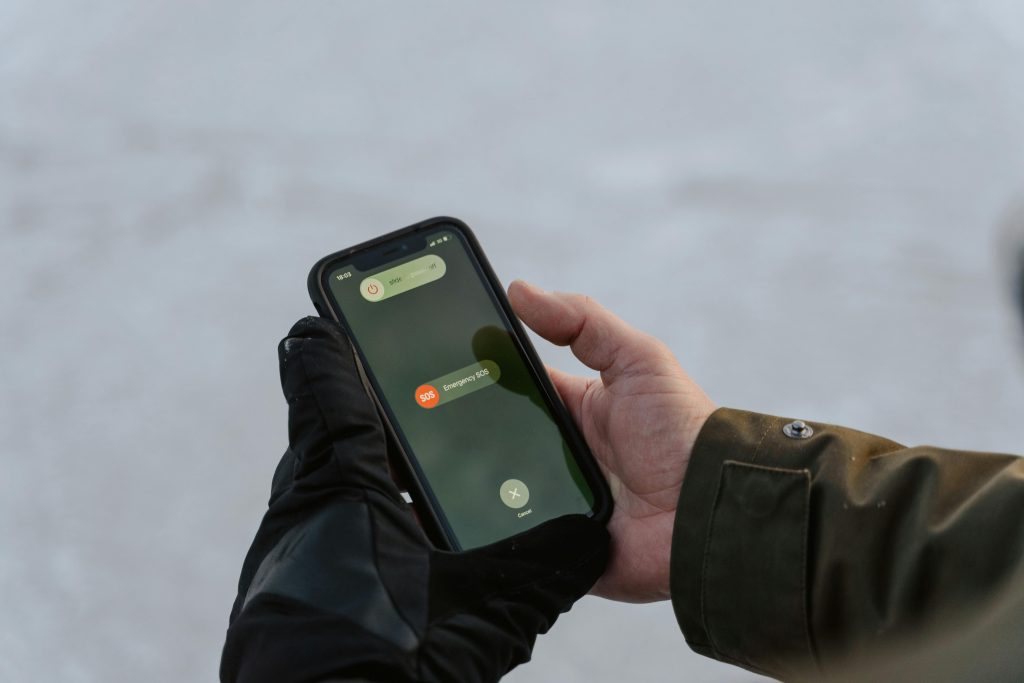
Wi-Fi calling can be a lifesaver in emergencies where cellular networks are down or overloaded. As long as you have access to a stable Wi-Fi connection, you can make calls, including emergency ones, over the internet. However, it’s essential to ensure your Wi-Fi calling settings are enabled on your phone before an emergency strikes.

5G Technology and Its Impact on Emergency Services

The rise of 5G networks promises faster speeds and more reliable connections, which can be a game-changer for emergency services. With 5G, emergency services can access high-quality video feeds, transfer data quickly, and use augmented reality for navigating complex environments.

Conclusion

Network coverage is an essential factor in ensuring you can connect with emergency services when needed. Understanding factors like cell tower proximity and provider coverage can help you choose the right mobile service. This knowledge can ensure timely emergency responses, whether in a city or rural area.

Network Coverage and Emergency Services: What You Should Know Read More »

cell towers

The Role of Towers in Network Coverage Quality

In today’s hyper-connected world, seamless communication and constant connectivity have become essential. From making phone calls to streaming videos, the quality of network coverage we experience significantly affects our daily activities. But what exactly determines this coverage? One of the most important factors is cell towers. In this blog post, we will explore the role of towers in network coverage quality and how they shape the mobile experiences we rely on every day.

What Are Cell Towers?

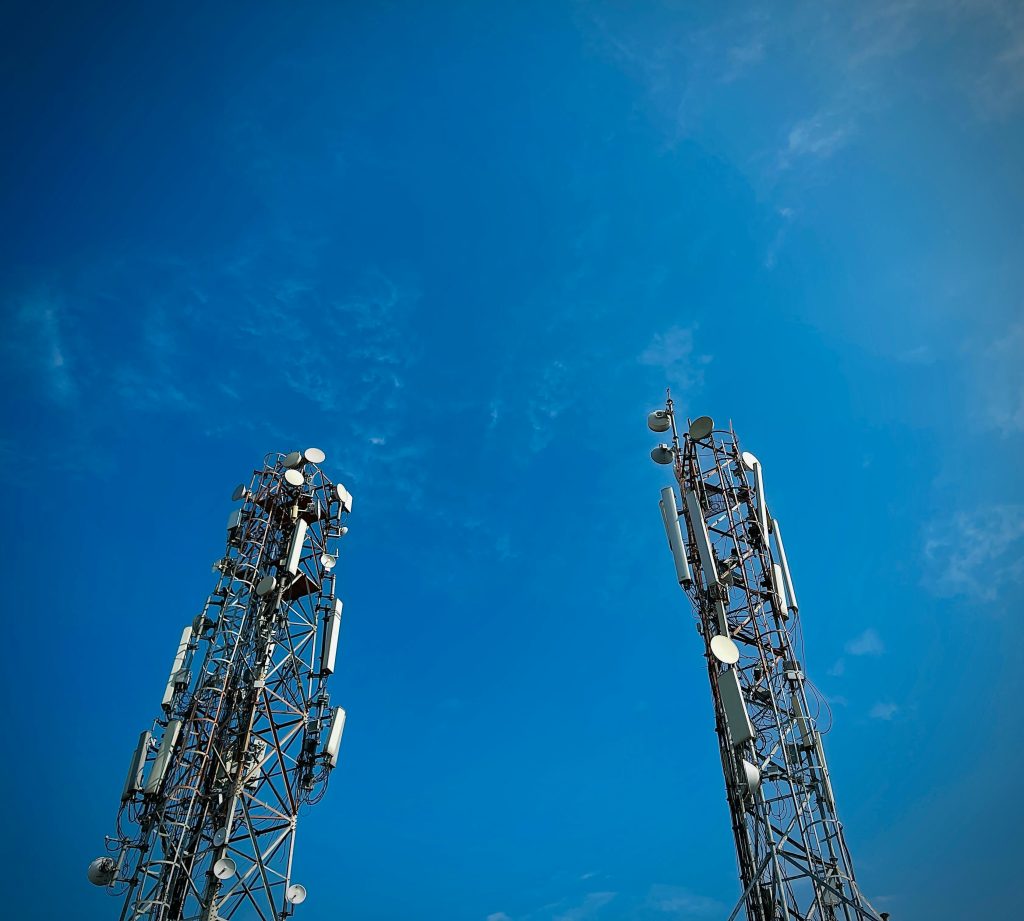
Cell towers, also known as mobile towers or cell sites, are structures equipped with antennas and other equipment to facilitate wireless communication between devices and the network. These towers serve as the backbone of mobile networks, transmitting signals from one device to another, enabling users to stay connected to the internet or make voice calls.

How Do Cell Towers Work?

The primary function of a cell tower is to transmit and receive signals from mobile devices. When you make a call, send a text, or access the internet, your device communicates with the nearest tower through radio frequency waves. The cell tower then connects your signal to the broader network, which routes your data to the correct destination.

Cell towers are strategically placed to cover specific geographic areas. The closer you are to a tower, the stronger your signal and the better your network coverage. However, various factors such as distance from the tower, obstacles like buildings, and interference from other signals can affect coverage quality.

The Importance of Tower Density in Network Coverage

One key aspect of network coverage is tower density. This refers to the number of towers in a given area. In urban environments, there are typically more towers to accommodate the higher concentration of users. This increased density results in stronger network coverage and higher data speeds. In contrast, rural areas may have fewer towers, which can lead to weaker coverage and slower speeds.

If you’re interested in learning how network coverage varies across service providers, check out this comparison of network coverage to see which provider offers the best service in your area.

Factors That Impact Network Coverage Quality

1. Tower Location

The location of towers plays a significant role in network coverage. Towers are usually placed at high points, such as on buildings or hills, to maximize the area they can cover. However, gaps in coverage can still occur, particularly in mountainous regions or densely populated cities where signals may be blocked by physical obstacles.

2. Signal Interference

Interference from other electronic devices, weather conditions, and buildings can weaken the signal between your device and the tower. In highly populated areas, signal interference from other towers or devices using the same frequency can degrade your network experience.

3. Tower Capacity

Each tower has a finite capacity in terms of the number of users it can support. When too many users connect to a single tower simultaneously, it can result in slower speeds and dropped calls. Network providers manage this by increasing tower density in high-demand areas and upgrading tower technology to handle more data.

4. Tower Technology

Not all cell towers are created equal. Towers that support newer network technologies like 5G can provide faster speeds and better coverage compared to those that only support older technologies like 3G or 4G. To learn more about the differences between network technologies, take a look at this detailed guide on GSM vs. CDMA networks.

How Do Towers Impact 5G Networks?

With the rollout of 5G networks, the role of towers has become even more critical. Unlike previous generations of mobile networks, 5G requires more towers with smaller coverage areas to provide the ultra-fast speeds and low latency that users expect. These small cell towers are often placed closer together, especially in urban environments, to ensure consistent and reliable coverage.

While 5G promises significant improvements in speed and connectivity, it also demands more infrastructure investment from network providers. This is because more towers, or small cells, are needed to provide comprehensive 5G coverage across cities and suburban areas.

Challenges in Maintaining Network Coverage

Maintaining high-quality network coverage is no easy task. Network providers must continuously invest in building new towers, upgrading existing ones, and addressing coverage gaps. Some of the common challenges include:

  • Zoning Laws and Regulations: Constructing new cell towers requires permits, and local regulations can slow down the process.
  • NIMBY (Not In My Backyard) Sentiment: Many people oppose the construction of new towers near their homes due to aesthetic or health concerns.
  • Cost: Building and maintaining towers is expensive, and providers need to balance costs with customer demand for better coverage.

What You Can Do to Improve Your Network Coverage

While network providers are responsible for ensuring good coverage, there are steps you can take to improve your own experience:

1. Use a Signal Booster

Signal boosters can help amplify weak signals, especially in areas with limited coverage. These devices are particularly useful in rural areas or large buildings where signals may struggle to penetrate.

2. Connect to Wi-Fi

If you’re experiencing weak cellular signals indoors, connecting to a Wi-Fi network can help. Many modern smartphones allow you to make voice calls and send texts over Wi-Fi, bypassing the need for a strong cellular signal.

3. Switch to a Provider with Better Coverage

If you consistently face poor network coverage, it might be worth switching to a different provider. Compare the network coverage maps of various providers to find one that offers stronger coverage in your area. Here’s a helpful comparison of network providers to guide your decision.

The Future of Network Coverage and Towers

As technology advances, so does the need for more robust and reliable network coverage. In the future, we can expect to see more towers, small cells, and even satellites playing a role in enhancing connectivity. 5G and beyond will continue to drive the demand for better coverage, and towers will remain a fundamental part of the solution.


In conclusion, cell towers are a critical component in ensuring high-quality network coverage. From their location and density to the technology they support, towers have a direct impact on the speed and reliability of your connection. As the demand for faster and more reliable connections grows, network providers will continue to invest in tower infrastructure to meet the needs of today’s connected world.

For more information on mobile network technologies and the role of towers in network performance, visit JNA Mobility.

The Role of Towers in Network Coverage Quality Read More »

roaming SIM plan

Top Benefits of Using Roaming SIM Plans While Traveling

Traveling to a new country is always exciting, but staying connected while on the go can be challenging. Whether you’re navigating unfamiliar streets, making important calls, or staying in touch with family, reliable mobile service is essential. This is where roaming SIM plans come in handy. These plans allow you to use your phone abroad without switching SIM cards or worrying about hefty international roaming fees. In this article, we’ll explore the top benefits of using roaming SIM plans while traveling and why they are a game-changer for globetrotters.

What Are Roaming SIM Plans?

Before diving into the benefits, let’s clarify what roaming SIM plans are. A roaming SIM is a type of mobile plan that allows you to use your phone’s call, text, and data services while traveling internationally. Instead of needing to buy a local SIM card in every new country, roaming SIMs automatically connect to local networks, providing seamless communication. This convenience makes it a favorite option for frequent travelers and business people alike.

1. Avoid Expensive Roaming Fees

One of the most significant benefits of using a roaming SIM plan is that you can avoid those notorious international roaming fees. Many traditional carriers charge exorbitant fees for using data, making calls, or sending texts while abroad. With a roaming SIM, you can enjoy local rates or pre-determined packages, helping you save money during your trip.

If you’re comparing options, be sure to understand the differences between prepaid vs postpaid SIM cards. Check out this guide for a detailed comparison to help you decide which type of plan suits your needs best.

2. Stay Connected Without Hassle

Imagine landing in a foreign country and having to search for a local SIM card provider immediately. With a roaming SIM, you can skip this hassle entirely. You don’t need to waste time figuring out where to buy a local SIM, how to activate it, or whether your phone is compatible. Roaming SIMs are designed to connect seamlessly to local networks, providing instant access as soon as you touch down.

To make the activation process even smoother, ensure you’re familiar with SIM card activation and deactivation steps before your trip.

3. Use Your Own Phone Number

Another major perk of roaming SIM plans is that you can keep using your own phone number, even when you’re halfway around the world. This is particularly useful for business travelers who need to maintain communication with clients or colleagues without disruption. Instead of notifying everyone about a new, temporary number, you can receive calls and texts as usual.

4. Convenient and Reliable Connectivity

Roaming SIMs are designed to automatically connect to the strongest network in the area. This means you won’t have to worry about weak or spotty connections, as the SIM will switch between networks to ensure the best possible coverage. This level of reliability is crucial, especially if you’re visiting remote locations where certain networks may have poor reception.

For those using GSM unlocked phones, rest assured that these devices are typically compatible with international networks. Learn more about how GSM phones work globally here.

5. Simplified Budgeting

When using a roaming SIM plan, you often pay upfront for the services you’ll use, helping you stick to a budget. These plans offer packages that include a set amount of data, minutes, and texts for a fixed rate, meaning no surprise charges when you return home. This feature makes it easier to manage travel expenses, especially if you’re visiting multiple countries.

6. Enhanced Security

Using public Wi-Fi abroad can pose risks to your privacy and personal data. Public networks are often unsecured, leaving you vulnerable to cyber threats. With a roaming SIM plan, you can use your mobile data to avoid connecting to risky public Wi-Fi. This keeps your personal information, such as login credentials and banking details, safe while you travel.

7. Ideal for Multi-Destination Travel

For those traveling across several countries, roaming SIMs are particularly beneficial. Instead of juggling different SIM cards and plans in each location, a single roaming SIM can work in multiple countries. This eliminates the confusion of constantly switching SIM cards or searching for local providers, making it an ideal solution for multi-destination trips.

8. Reliable for Emergency Situations

Staying connected while traveling is not just about convenience; it’s also a matter of safety. Whether you need to contact emergency services or family members, having a reliable mobile connection is essential. A roaming SIM ensures you can make important calls, no matter where you are, without delay or added costs.

9. Compatible with GSM Phones

If you own a GSM unlocked phone, a roaming SIM plan will work seamlessly with it, giving you global coverage. Many countries use the GSM standard for their networks, making it easier to connect using roaming SIMs. If you’re unsure whether your phone is compatible, check out this article on how GSM unlocked phones work internationally.

10. Tailored Data Packages for Travelers

Many roaming SIM plans offer flexible data packages designed specifically for travelers. Whether you need a large data package for streaming or a smaller one just for basic communication, there’s a plan to suit your needs. This flexibility allows you to select a package based on the length of your trip and how much you intend to use your phone.

How to Choose the Right Roaming SIM Plan

Choosing the right roaming SIM plan depends on your specific needs, the countries you’ll be visiting, and how much you intend to use your phone. Here are a few tips for selecting the best plan:

  • Consider Your Data Needs: If you plan to use your phone for GPS, social media, or streaming, opt for a plan with a higher data allowance. For basic needs like calling and texting, a smaller package may suffice.
  • Check for Multi-Country Coverage: If you’re visiting several countries, choose a roaming SIM that offers coverage in all of them. Some SIMs only work in specific regions, so double-check that your destination is included.
  • Review Activation Processes: Ensure the SIM activation process is straightforward. Some plans require you to activate the SIM before you leave, while others allow you to activate it upon arrival.

To avoid any complications, it’s helpful to understand the SIM card activation and deactivation process for your chosen plan.

Conclusion

Using a roaming SIM plan while traveling offers unparalleled convenience, cost savings, and connectivity. From avoiding hefty roaming fees to maintaining reliable communication with family and friends, it’s a smart choice for modern travelers. Whether you’re a frequent flyer or planning your first international trip, a roaming SIM ensures you stay connected wherever your adventures take you. Before you embark on your journey, make sure to select the right plan, familiarize yourself with activation steps, and enjoy the peace of mind that comes with a reliable mobile connection.

Top Benefits of Using Roaming SIM Plans While Traveling Read More »

mobile hospot

Top Mobile Hotspot Devices for Fast and Reliable Internet

Mobile hotspots have become an essential tool for those who need internet access on the go. But with so many options on the market, how do you choose the best one? In this blog post, we’ll explore the top mobile hotspot devices that offer fast and reliable internet, ensuring you stay connected wherever you are.

Why Choose a Mobile Hotspot?

A mobile hotspot allows you to connect multiple devices to the internet using a cellular network. It’s a great solution for anyone who needs to access the web without relying on public Wi-Fi or when traditional internet options are unavailable. Mobile hotspots are particularly useful for remote workers, frequent travelers, and those living in areas with limited broadband options.

If you’re considering a mobile hotspot, understanding the network coverage across cell service providers is crucial for ensuring reliable service. Comparing network coverage across cell service providers can help you make an informed decision.

Top Mobile Hotspot Devices

Here are some of the top mobile hotspot devices known for their speed, reliability, and ease of use:

1. Netgear Nighthawk M1

The Netgear Nighthawk M1 is a powerful mobile hotspot that offers fast speeds and supports up to 20 devices at once. It’s equipped with a long-lasting battery, making it perfect for long trips. The device also features an Ethernet port, allowing you to connect wired devices for even faster speeds.

2. Verizon Jetpack MiFi 8800L

The Verizon Jetpack MiFi 8800L is a popular choice for those who need reliable internet on the go. It supports both 4G LTE and 5G, ensuring you get the best speeds available. With the ability to connect up to 15 devices and a battery life that lasts up to 24 hours, it’s a solid choice for travelers.

3. Skyroam Solis Lite

For international travelers, the Skyroam Solis Lite is a game-changer. This mobile hotspot provides global coverage in over 130 countries, making it ideal for those who frequently travel abroad. It also doubles as a power bank, allowing you to charge your devices while staying connected.

4. Inseego 5G MiFi M2000

If you’re looking for the latest in mobile hotspot technology, the Inseego 5G MiFi M2000 is worth considering. It supports 5G networks, offering blazing-fast speeds and future-proof connectivity. The device also features enterprise-grade security, making it a great option for business users.

5. TP-Link M7350

The TP-Link M7350 is a budget-friendly option that doesn’t skimp on features. It supports 4G LTE and allows you to connect up to 10 devices simultaneously. Its compact design and easy setup make it a great choice for users who need a reliable hotspot without breaking the bank.

Choosing the Right Plan

Once you’ve chosen a mobile hotspot device, it’s essential to select the right data plan to go with it. Consider your data usage needs and whether you’ll be using the hotspot for casual browsing, streaming, or heavy work tasks.

For those looking to explore various mobile hotspot data plans, JNA Mobility offers a range of plans that cater to different needs and budgets.

Tips for Maximizing Your Mobile Hotspot Performance

To get the most out of your mobile hotspot, here are a few tips:

  1. Optimize Placement: Place your hotspot device in an open area to improve signal strength.
  2. Monitor Data Usage: Keep track of your data usage to avoid overage charges, especially if you’re on a limited plan.
  3. Secure Your Connection: Use a strong password to secure your hotspot and prevent unauthorized access.
  4. Boost Signal Strength: Consider using a signal booster if you’re in an area with weak cellular coverage. For more advice on improving signal strength, check out these top tips for boosting your cell phone signal strength.

Conclusion

Choosing the right mobile hotspot device can make all the difference in staying connected on the go. Whether you need a high-speed connection for work, travel, or as a backup, the devices mentioned above offer some of the best performance and reliability on the market. As mobile internet continues to evolve, staying informed about trends in the prepaid wireless market and understanding the advantages and disadvantages of increasing mobile phone use can help you make the best choices for your connectivity needs.

Invest in a mobile hotspot today and enjoy the freedom of fast, reliable internet wherever you are!

Top Mobile Hotspot Devices for Fast and Reliable Internet Read More »

The Role of 5G

The Role of 5G in Enabling Smart Cities: What’s Next?

The role of 5G in the development of smart cities is increasingly pivotal as technology advances. With its promise of unprecedented speed, capacity, and connectivity, 5G technology is transforming urban environments and enhancing various aspects of city living. Therefore, this blog post explores how 5G drives the creation of smart cities, examining its benefits, addressing challenges, and outlining what we can expect as this revolutionary technology evolves.

Understanding the Role of 55G in Smart Cities

The role of 5G in smart cities is crucial for realizing the vision of connected, efficient urban environments. Unlike previous generations of mobile technology, 5G supports a wide range of applications beyond improving internet speeds. It introduces several key advancements:

  • Higher Speed and Bandwidth: 5G offers speeds up to 100 times faster than 4G, enabling it to handle the large volumes of data generated by smart city applications.
  • Lower Latency: With latency reduced to as low as 1 millisecond, 5G allows for near-instantaneous communication between devices, which is vital for real-time data processing and decision-making.
  • Increased Device Capacity: 5G can accommodate up to 1 million devices per square kilometer, addressing the needs of densely populated urban areas and the growing number of IoT devices.

Additionally, for a deeper understanding of the 5G rollout and coverage, check out 5G Everywhere: Understanding the Nationwide Rollout and Coverage Expansion.

The Benefits of 5G for Smart Cities

Enhanced Connectivity and Efficiency

The role of 5G in enhancing connectivity is fundamental to the operation of smart cities. A smart city relies on a complex network of sensors, cameras, and IoT devices that collect and analyze data to improve city management and services. Moreover, the high-speed, low-latency connections provided by 5G are essential for integrating and managing these devices effectively.

For example, traffic management systems can use real-time data from sensors to optimize traffic signals, reduce congestion, and improve overall traffic flow. Similarly, smart grids can manage energy distribution more efficiently, leading to reduced energy waste and lower costs.

Improved Public Safety

The role of 5G in public safety is significant. Advanced surveillance systems, connected emergency response units, and real-time data analysis all benefit from the high-speed, reliable connections that 5G provides.

Moreover, 5G-enabled cameras with high-definition capabilities deliver clearer images for security purposes, while connected emergency response units instantly share critical information, improving coordination and response times during emergencies.

For insights on protecting your data in a 5G world, visit 5G Phones and Security: Protecting Your Data.

Support for Autonomous Vehicles

Autonomous vehicles represent a key component of future smart cities, and the role of 5G is crucial here. These vehicles require constant, real-time communication with other vehicles, infrastructure, and traffic management systems to operate safely and efficiently.

5G enables vehicle-to-everything (V2X) communication, allowing autonomous vehicles to interact with each other, traffic signals, and other elements of the urban environment. This capability is essential for the safe and effective operation of self-driving cars and other connected transportation solutions.

Facilitating Smart Infrastructure

The role of 5G extends to smart infrastructure, including intelligent buildings and public spaces. Moreover, with 5G, buildings can use real-time data to optimize systems such as lighting, heating, and cooling, leading to increased energy efficiency and improved management.

For a closer look at mobile plans that support smart infrastructure, visit The Best Mobile Data Plans for Students Studying Online.

Challenges and Considerations

While the role of 5G in smart cities offers numerous benefits, several challenges require attention:

Infrastructure Costs

Deploying 5G infrastructure involves substantial investment. Building the necessary network of base stations and upgrading existing infrastructure can be expensive. Therefore, this investment is crucial for ensuring widespread and reliable coverage, but it poses a financial challenge for some municipalities.

Privacy and Security Concerns

As cities become smarter and more connected, concerns about privacy and security grow. Ensuring that 5G networks remain secure and that data is protected is essential for maintaining public trust and safeguarding sensitive information.

To explore more about the evolution of wireless data connection technologies from 4G to 5G, therefore, check out Exploring Wireless Data Connection Technologies: From 4G to 5G.

Integration with Existing Systems

Integrating 5G technology with existing systems and infrastructure can be complex. Smart cities must ensure that new 5G networks interact seamlessly with current technologies without disrupting existing services.

Looking Ahead: What’s Next for 5G and Smart Cities?

As we move forward, the development of 5G technology will continue to evolve, bringing both new opportunities and challenges. Moreover, expanding 5G networks will enable more cities to embrace smart technologies and enhance their urban environments.

For a detailed look at how JNA Mobility is preparing for the future of 5G, visit The Future is 5G: Why JNA Mobility’s Network is the Best Choice.

Conclusion

The role of 5G in enabling smart cities is transformative, offering numerous benefits such as enhanced connectivity, improved public safety, and smarter infrastructure. Although challenges remain, the potential for 5G to revolutionize urban living is immense. Moreover, staying informed and prepared for future developments will be crucial for making the most of what 5G has to offer. To stay updated on the latest in mobile technology and explore JNA Mobility’s offerings, visit JNA Mobility’s Plans and see how they can support your connectivity needs.

The Role of 5G in Enabling Smart Cities: What’s Next? Read More »