JNA Mobility

admin

increasing number of mobile phone use

Advantages and Disadvantages of Increasing Number of Mobile Phone Use

Mobile phones have become an indispensable part of our lives, revolutionizing the way we communicate, work, and access information. With the increasing number of mobile phone users worldwide, it’s essential to explore both the advantages and disadvantages associated with this technological advancement.

Advantages of Increasing Mobile Phone Use

Improved Communication

One of the primary benefits of the growing number of mobile phone users is the improved communication it offers. Mobile phones allow us to stay connected with friends, family, and colleagues regardless of distance. Whether through calls, text messages, or social media platforms, communication has never been more convenient.

Enhanced Connectivity

With the proliferation of mobile phones, connectivity has reached unprecedented levels. People can now access the internet anytime, anywhere, enabling seamless communication, collaboration, and information sharing. This enhanced connectivity has transformed various aspects of our personal and professional lives.

Easy Access to Information and Resources

Mobile phones serve as portable gateways to a vast reservoir of information and resources. Through mobile apps and web browsing, users can access news, educational content, e-books, and online courses with ease. This democratization of information empowers individuals to learn and grow irrespective of their location or background.

Convenience and Productivity

The increasing number of mobile phone users has led to greater convenience and productivity. Mobile devices serve as multifunctional tools, allowing users to perform a myriad of tasks such as email correspondence, document editing, scheduling, and online banking on the go. This flexibility enhances efficiency and enables individuals to accomplish more in less time.

Entertainment and Leisure

Mobile phones offer a plethora of entertainment options, ranging from streaming services and gaming apps to social media platforms and digital content creation tools. These entertainment avenues provide users with relaxation and amusement, making mobile phones indispensable companions in our daily lives.

Disadvantages of Increasing Mobile Phone Use

Health Concerns

Despite their numerous benefits, mobile phones raise concerns regarding their impact on health. Prolonged exposure to screens can lead to digital eye strain, sleep disturbances, and musculoskeletal problems. Moreover, excessive mobile phone use has been associated with mental health issues such as anxiety, depression, and smartphone addiction.

Social Implications

The ubiquity of mobile phones has altered social dynamics, leading to both positive and negative consequences. While mobile communication facilitates connections across geographical boundaries, it can also undermine face-to-face interactions and interpersonal relationships. Excessive reliance on mobile devices may contribute to feelings of isolation and disconnection from the real world.

Distraction and Addiction

One of the most significant drawbacks of increased mobile phone use is the prevalence of distraction and addiction. Constant notifications, social media alerts, and addictive apps can disrupt concentration, impair productivity, and foster compulsive smartphone usage. This phenomenon, known as nomophobia (fear of being without a mobile phone), highlights the psychological dependence on mobile devices.

Privacy and Security Risks

The widespread use of mobile phones raises concerns about privacy and security vulnerabilities. From data breaches and identity theft to location tracking and unauthorized surveillance, mobile devices are susceptible to various cyber threats. Users must be vigilant about safeguarding their personal information and adopting security measures to mitigate risks.

Environmental Impact

The production, use, and disposal of mobile phones contribute to environmental degradation and resource depletion. The extraction of rare earth minerals, energy consumption during manufacturing, and electronic waste accumulation pose significant environmental challenges. Sustainable practices such as recycling, eco-friendly design, and responsible consumption are essential to mitigate the environmental impact of mobile phone use.

Finding a Balance

While mobile phones offer undeniable benefits, it’s crucial to strike a balance between their advantages and disadvantages. Adopting strategies for responsible mobile phone usage can help mitigate the negative consequences and promote digital well-being. Setting boundaries, practicing digital detox, and cultivating mindful habits are key steps towards achieving a healthy relationship with technology.

In conclusion, the increasing number of mobile phone users signifies the pervasive influence of technology in our lives. While mobile phones offer unparalleled convenience, connectivity, and access to information, they also pose challenges related to health, social interaction, and privacy. By acknowledging the advantages and disadvantages of mobile phone use and adopting responsible practices, we can harness the benefits of technology while mitigating its drawbacks.

Advantages and Disadvantages of Increasing Number of Mobile Phone Use Read More »

Tips for Protecting Your Data and Privacy on Your Smartphone

Smartphones have become an indispensable part of our daily lives, offering convenience, connectivity, and access to a wealth of information at our fingertips. However, with the increasing reliance on smartphones for various tasks, the need to safeguard our data and privacy has never been more critical. From personal photos and messages to financial information and browsing history, smartphones store a treasure trove of sensitive data that must be protected from prying eyes and cyber threats. In this article, we’ll explore some essential tips for protecting your data and privacy on your smartphone.

Understanding Data Privacy Risks

Smartphones are vulnerable to various threats that can compromise data privacy, including malware, phishing attacks, and unauthorized access. Understanding these risks is the first step towards safeguarding your personal information and ensuring a secure smartphone experience.

Setting Strong Passwords and Biometric Authentication

One of the most effective ways to protect your smartphone is by setting strong passwords or using biometric authentication methods such as fingerprint or facial recognition. Choose unique, complex passwords that are difficult to guess and avoid using easily identifiable information such as birthdays or pet names.

Updating Software and Apps Regularly

Keeping your smartphone’s software and apps up to date is essential for maintaining security and protecting against vulnerabilities. Software updates often include security patches and bug fixes that address known vulnerabilities and improve overall protection.

Reviewing App Permissions

Many apps require access to various device functions and personal data to function properly. However, granting excessive permissions can pose a risk to your privacy. Review and adjust app permissions regularly to ensure that only necessary permissions are granted to apps.

Using Secure Wi-Fi Connections

Public Wi-Fi networks pose significant security risks, as they are often unsecured and susceptible to interception by hackers. Whenever possible, use secure Wi-Fi connections or a virtual private network (VPN) to encrypt data transmitted over public networks and protect your privacy.

Enabling Two-Factor Authentication

Two-factor authentication adds an extra layer of security to your accounts by requiring a second form of verification, such as a one-time code sent to your phone. Enable two-factor authentication for your accounts and apps to prevent unauthorized access and enhance security.

Utilizing Encryption

Encryption is a powerful tool for protecting sensitive data stored on your smartphone. Enable device encryption and encrypt data stored on the device, such as photos, messages, and files, to prevent unauthorized access in the event of loss or theft.

Being Cautious of Phishing Attempts

Phishing is a common tactic used by cybercriminals to trick users into revealing sensitive information. Be cautious of unsolicited emails, messages, and calls, especially if they request personal or financial information. Avoid clicking on links or downloading attachments from unknown sources.

Regularly Backing Up Data

Regularly backing up your smartphone data is essential for protecting against data loss due to device failure, theft, or malware. Use built-in backup features to back up your photos, contacts, messages, and other important data to a secure location.

Using Secure Messaging and Communication Apps

When communicating sensitive information, such as personal or financial details, use encrypted messaging apps that prioritize user privacy. Look for apps that offer end-to-end encryption and other security features to ensure that your conversations remain private and secure.

Educating Yourself About Privacy Settings

Familiarize yourself with the data and privacy settings on your smartphone and adjust them to suit your preferences and security needs. Understand how your data is collected, used, and shared by apps and services, decide about which permissions to grant.

Avoiding Public Charging Stations

Public charging stations may seem convenient, but they can pose security risks, such as data theft or malware installation. Avoid using public charging stations whenever possible and opt for charging your smartphone using a trusted charger or portable power bank.

Monitoring App Permissions and Activity

Regularly review app permissions and monitor app activity to identify any suspicious behavior or unauthorized access. Pay attention to any unusual activity, such as excessive data usage, background processes, or unexpected notifications, and take appropriate action to protect your privacy.

Conclusion

Protecting your data and privacy on your smartphone is essential for safeguarding your personal information and ensuring a secure digital experience. By following these tips and best practices, you can mitigate the risks associated with smartphone use.

Tips for Protecting Your Data and Privacy on Your Smartphone Read More »

xfinity mobile plans

Comprehensive Guide To Xfinity Mobile Plans

Unveiling Xfinity Mobile Plans: A Closer Look

Check out Xfinity’s Essential plan, designed for users who want a no-frills mobile experience. Explore affordable data options and see how this plan caters to budget-conscious users without sacrificing quality.

Unlimited Data Delights

Embark on a journey with Xfinity’s unlimited data plans, which combine unlimited connectivity with affordability. Learn more about the benefits of unlimited data, including streaming benefits and international roaming options to improve your mobile experience.

Device Deals and Discounts

Unlock exclusive device deals and discounts with Xfinity’s Mobile plans, ranging from the latest smartphones to budget-friendly options. Explore flexible payment options and trade-in programs to upgrade your device without breaking the bank.

Family Plan Fun

Discover the benefits of Xfinity’s family plans for households looking to optimize their wireless spending. From shared data pools to multi-line discounts, learn how Xfinity simplifies connectivity for the whole family.

Choosing the Right Plan for You

Assessing Data Needs

Navigate through Xfinity’s data options to find the ideal plan based on your usage habits and connectivity needs. Whether you’re a casual surfer or a data-hungry streamer, you can find the perfect balance between data and affordability with Xfinity Mobile.

Customizing Plan Features

Explore Xfinity’s customizable plan features, allowing you to tailor your mobile experience according to your preferences. From add-on services to international calling options, personalize your plan to suit your lifestyle and communication needs.

Evaluating Network Coverage

Evaluate Xfinity’s expansive network coverage to ensure seamless connectivity wherever you go. Discover the reliability and performance of Xfinity’s network, backed by extensive coverage maps and customer testimonials.

Xfinity Mobile plans offer a diverse range of options tailored to meet the needs of every mobile user. From budget-friendly essentials to premium features, Xfinity empowers users to stay connected with confidence and convenience. Explore the array of plans, choose what suits you best, and embark on a seamless mobile experience with Xfinity. In addition to providing a diverse range of options, Xfinity Mobile plans offer unparalleled flexibility, ensuring that users can find the perfect fit for their individual needs.

Comprehensive Guide To Xfinity Mobile Plans Read More »

5g coverage

Unraveling the Potential of Nationwide 5G Coverage

Nationwide 5G coverage represents a significant advancement in communications, providing a network infrastructure that can support a wide range of innovative applications. Furthermore, As 5G networks expand across the country, they are paving the way for improved connectivity, seamless communications, and groundbreaking technological advancements.

Evolution of Cellular Networks

From 1G to 5G: A Journey of Advancement

The evolution of cellular networks from 1G to 5G has been characterized by a steady progression towards higher speeds, lower latency, and greater reliability. Each generation has brought forth significant improvements, laying the groundwork for the next wave of technological innovation.

Key Features of 5G Technology

Speed, Latency, and Capacity: Unlocking Potential

Nationwide 5G coverage boasts several key features that distinguish it from previous generations. With ultra-fast data speeds, ultra-low latency, and massive connectivity capabilities. What’s more, 5G technology enables a plethora of applications ranging from autonomous vehicles to remote healthcare services.

Impact on Industries

Revolutionizing Various Sectors

The rollout of nationwide 5G coverage is poised to revolutionize numerous industries, including healthcare, manufacturing, transportation, and entertainment. Moreover, by providing faster, more reliable connectivity, 5G technology facilitates real-time data transmission, remote collaboration, and immersive experiences.

Accelerating Digital Transformation

Enabling the Future of Connectivity

5G technology serves as a driving force behind digital transformation, fueling the adoption of IoT devices, smart infrastructure, and autonomous systems. As 5G networks expand nationwide, they lay the foundation for a connected ecosystem where devices, machines, and humans seamlessly interact.

Nationwide 5G coverage represents a paradigm shift in the realm of telecommunications, ushering in a new era of connectivity, innovation, and progress. By expanding access to high-speed, reliable networks, 5G technology lays the foundation for a future where connectivity knows no bounds.

Unraveling the Potential of Nationwide 5G Coverage Read More »

benefits of phone insurance

Don’t Risk It: Why Phone Insurance Is a Must-Have for Every Smartphone Owner

Phone insurance is a type of insurance designed to protect smartphone owners from unexpected expenses related to their devices. It provides peace of mind and financial security by covering the cost of repair, replacement, or refund, whether it’s accidental damage, theft, or loss. As smartphone prices soar and accidents become more common, phone insurance has become an essential investment for smartphone owners who want to protect their devices and wallets.

Benefits of Phone Insurance

Protection against accidental damage

One of the main benefits of phone insurance is protection against accidental damage. Phone insurance covers accidental damage and allows smartphone owners to repair or replace their devices at minimal cost, protecting them from unexpected expenses and inconveniences.

Coverage for theft and loss

Cell phone insurance also provides protection against theft and loss. If your smartphone is stolen or lost, phone insurance will cover the cost of replacing your device, allowing you to quickly get back on track without breaking your budget.

Peace of mind and financial security

The most significant benefit of phone insurance is the peace of mind and financial security it provides. Having protection against unexpected expenses and emergencies gives smartphone owners confidence and reassurance, enabling them to use their devices with peace of mind.

Types of Phone Insurance

Manufacturer warranty

Many smartphones come with a manufacturer’s warranty that provides limited coverage against defects in materials and workmanship. Manufacturer warranties typically cover hardware problems such as defective components or manufacturing defects, but may not cover accidental damage, theft, or loss.

Carrier insurance

Wireless carriers offer wireless carrier insurance, or cell phone insurance, as an add-on option to your service plan. Transportation insurance typically covers not just hardware failures and defects, but also accidental damage, theft, and loss.

Third-party insurance

Third-party insurance providers offer standalone phone insurance policies that provide coverage for smartphones regardless of the wireless carrier or manufacturer. They may offer similar coverage options as carrier insurance, including protection against accidental damage, theft, and loss.

Factors to Consider When Choosing Phone Insurance

Coverage options and limitations

When choosing phone insurance, it’s essential to consider the coverage options and limitations of the policy. Pay attention to details such as coverage limits, deductibles, waiting periods, and claim procedures to ensure that you choose a policy that meets your needs and provides adequate protection for your device.

Premiums and deductibles

When choosing phone insurance, consider premiums and deductibles. A premium is the monthly or annual fee you pay for coverage, and a deductible is an out-of-pocket cost you must pay at the time of a claim.

Customer service and claims process

Finally, when choosing phone insurance, consider the quality of customer service and efficiency of the claims process. Look for an insurance company known for fast and reliable customer support, including 24/7 support and dedicated claims adjusters.

Investing in phone insurance protects your smartphone and wallet, ensuring uninterrupted connectivity and productivity without unexpected expenses or emergencies. Phone Insurance provides comprehensive coverage, affordable premiums, and prompt customer service, ensuring smartphone owners can use their devices safely.

Don’t Risk It: Why Phone Insurance Is a Must-Have for Every Smartphone Owner Read More »

best mobile plans

Data Delivered: Choosing the Best Mobile Plan for Your Connectivity Needs

Choosing the best mobile plan can be a challenging task with more than enough options available. However, with the right information, you can make an informed decision that meets your connectivity needs without breaking the bank. Ever since we transitioned to a more digitally-driven world, a reliable mobile plan is essential in staying connected, whether it’s for work, socializing, or accessing vital information on the go.

What key factors should be considered when selecting the best mobile plan for you?

Assess Your Usage Patterns

Before delving into a list of mobile plans, consider first your usage patterns. Think about how much data, talk time, and text messaging you typically use each month. Do you frequently stream music and movies on your phone and use a lot of data, or do you just use your phone for texting and phone calls? You can select a plan that best suits your needs by reducing the number of options available to you by being aware of your usage patterns.

Evaluate Coverage and Network Quality

When choosing a cell plan, coverage and network quality should be a major consideration. What use is a plan, if you can’t get dependable service where you live? Make sure that the carriers provide strong coverage in your location by looking into their coverage maps and network performance. To locate a carrier that satisfies your connectivity requirements, take into account variables like signal strength, data rates, and network dependability.

Consider Data Limits and Speeds

Mobile plans differ greatly in terms of data speeds and limits, so it’s critical to pick one that provides sufficient data for your usage patterns. Choose a plan with a limitless data options or large data allowances if you use a lot of data. Additionally, be mindful of data speeds, since several plans reduce its usage when you reach a predetermined level.

Explore Plan Options and Pricing

After determining your usage habits and coverage requirements, compare the prices and plan alternatives provided by various providers. To get the best deal for your money, compare features like data allotment, voice and text restrictions, international roaming, and add-on services. Remember to take into account any incentives, discounts, or promotions that carriers might be providing to brand-new clients.

Consider Contract vs. No-contract Plans

When selecting the best mobile plans, think about whether you prefer to have a contract or not. Contract plans often include discounted gadget prices, but they may also include long-term obligations and early termination costs. No-contract plans, on the other hand, provides more flexibility and freedom to upgrade devices or move carriers without incurring fines. Select the one that most closely matches your spending limit and tastes.

Lastly Read Reviews and Seek Recommendations

Before selecting a cell plan, spend some time reading reviews and consulting with friends, family, and online groups. Find out about other people’s experiences with different plans and providers will help you in making a decision with an informative information.

In conclusion, it’s important to carefully analyze your usage habits, coverage requirements, data restrictions, contract preferences, and pricing when selecting the ideal mobile plan. You can choose a plan that provides the connection you require at a cost that suits your budget by carefully evaluating these variables and carrying out extensive research. You can stay connected no matter where life takes you as long as you have the appropriate mobile plan.

Data Delivered: Choosing the Best Mobile Plan for Your Connectivity Needs Read More »

US Prepaid Wireless Market

US Prepaid Wireless Market: Trends, Growth, and Opportunities

The prepaid wireless market in the United States has experienced significant growth and transformation in recent years, driven by changing consumer preferences, technological advancements, and competitive offerings from mobile carriers. With an increasing number of consumers opting for prepaid plans over traditional postpaid contracts. The prepaid wireless market has become a dynamic and competitive landscape. In this blog post, we’ll delve into the trends, growth drivers, and opportunities shaping the US prepaid wireless market.

Rise in Prepaid Subscriptions:

One of the defining trends in the US prepaid wireless market is the steady increase in prepaid subscriptions. According to industry reports, the number of prepaid wireless subscribers has been on the rise, fueled by factors such as affordability, flexibility, and accessibility. Many consumers, including budget-conscious individuals, students, and those with limited credit history, prefer prepaid plans for their simplicity and no-contract options.

Shift Towards Unlimited Data Plans:

In response to growing demand, prepaid wireless carriers have expanded their offerings to include unlimited data plans, mirroring the trend in the postpaid segment. Unlimited data plans provide customers with peace of mind and flexibility, allowing them to stream, browse, and communicate without worrying about data caps or overage charges. This shift towards unlimited data plans has been a significant driver of growth in the prepaid market.

Expansion of MVNOs:

Mobile Virtual Network Operators (MVNOs) play a significant role in the US prepaid wireless market. Offering a diverse range of prepaid plans and services to consumers. MVNOs lease network infrastructure from major carriers and resell wireless services under their own brand. With the rise of MVNOs, consumers have access to a wider selection of prepaid options. Including niche offerings tailored to specific demographics or usage patterns.

Emphasis on Value-Added Services:

To differentiate themselves in a crowded market, prepaid wireless carriers are increasingly focusing on value-added services and features. This includes perks such as international calling, mobile hotspot usage, streaming subscriptions, and loyalty rewards programs. By offering additional benefits beyond basic voice and data services. Prepaid carriers attract and retain customers seeking added value for their money.

Also, Read : Tracfone in 2024: A Crossroads for the Prepaid Giant

Opportunities for Innovation:

The US prepaid wireless market presents numerous opportunities for innovation and growth. As consumer preferences evolve and technology continues to advance, prepaid carriers have the opportunity to innovate and differentiate their offerings. This includes embracing emerging technologies such as 5G. Expanding coverage in underserved areas, and exploring new revenue streams through partnerships and collaborations.

Conclusion:

The US prepaid wireless market is a dynamic and competitive space, driven by evolving consumer preferences, technological advancements, and market forces. With the rise in prepaid subscriptions, expansion of unlimited data plans, proliferation of MVNOs, emphasis on value-added services, and opportunities for innovation. The prepaid market presents a promising landscape for carriers and consumers alike. As competition intensifies and demand for prepaid services continues to grow, expect to see further advancements, innovations, and disruptions in the US prepaid market in the years to come.

US Prepaid Wireless Market: Trends, Growth, and Opportunities Read More »

Xfinity Mobile

Is Xfinity Mobile a Good Option for Your Wireless Needs?

In recent years, the landscape of mobile phone service providers has expanded, offering consumers a plethora of options beyond the traditional carriers. Xfinity Mobile, a relatively new player in the field, has gained attention for its unique approach to wireless service. But is Xfinity Mobile a good option for your wireless needs? Let’s delve into the details and explore whether Xfinity Mobile is worth considering.

What is Xfinity Mobile?

Xfinity Mobile is a wireless service provider owned and operated by Comcast, a leading telecommunications and entertainment company. Launched in 2017, Xfinity Mobile operates as a Mobile Virtual Network Operator (MVNO). Utilizing the network infrastructure of Verizon Wireless to provide coverage and service to its customers.

Also, Read :  Advantages of Using Mobile Virtual Network Operators ( MVNOs )

Key Features of Xfinity Mobile:

Flexible Plans: Xfinity offers flexible plans that allow customers to pay for only the data they use or choose from unlimited data options. With no activation fees or contracts, Xfinity Mobile plans provide flexibility and affordability for users.

Access to Nationwide Coverage: By leveraging Verizon’s extensive network infrastructure, Xfinity customers have access to nationwide coverage, ensuring reliable service and connectivity across the United States.

Seamless Integration with Xfinity Services: Xfinity integrates seamlessly with other Xfinity services, such as internet, TV, and home security, offering bundled discounts and incentives for customers who subscribe to multiple services.

WiFi Hotspots: Xfinity customers have access to millions of Xfinity WiFi hotspots nationwide, allowing them to conserve data usage and stay connected while on the go.

Customer Benefits: Xfinity offers additional perks and benefits for its customers, such as discounts on devices, free international texting, and the option to bring your own device (BYOD) for added convenience.

Also, Read : Tracfone in 2024: A Crossroads for the Prepaid Giant

Considerations for Potential Users:

While Xfinity Mobile offers several compelling features and benefits. There are some considerations to keep in mind before making the switch:

Network Coverage: While Xfinity Mobile utilizes Verizon’s network, it may prioritize network traffic differently compared to Verizon’s own customers during times of congestion, potentially impacting data speeds for Xfinity users.

Device Compatibility: Xfinity may have limitations on device compatibility. Particularly for users who wish to bring their own device or use unlocked devices from other carriers. It’s essential to verify device compatibility before signing up for service.

Data Throttling: Like many other carriers, Xfinity Mobile may implement data throttling for users who exceed certain data usage thresholds during a billing cycle. Customers on unlimited plans should review the carrier’s data usage policies to understand potential limitations.

Customer Service: As with any service provider, the quality of customer service and support can vary. Some users may have positive experiences with Xfinity Mobile’s customer service, while others may encounter challenges or frustrations.

Conclusion:

Xfinity Mobile offers a compelling wireless service option with flexible plans, nationwide coverage, and seamless integration with other Xfinity services. For consumers who are already Xfinity customers or seeking affordable wireless plans with access to Verizon’s network, Xfinity may be a good fit. However, it’s essential to consider factors such as network coverage, device compatibility, data usage policies, and customer service when evaluating whether Xfinity is the right choice for your wireless needs. Conduct thorough research, compare plans and features, and weigh the pros and cons before making a decision. Ultimately, the best wireless provider for you will depend on your individual preferences, usage patterns, and budgetary considerations.

Is Xfinity Mobile a Good Option for Your Wireless Needs? Read More »

The Future of Smartphones in 2030

The Future of Smartphones in 2030

The evolution of smartphones over the past decade has been nothing short of remarkable. From simple communication devices to multifunctional pocket-sized computers, smartphones have transformed the way we live, work, and interact with the world around us. But what does the future hold for these ubiquitous gadgets? Let’s peer into the crystal ball and explore the potential future of smartphones in the year 2030.

Foldable and Flexible Displays

In 2030, smartphones are likely to feature foldable and flexible display technologies that revolutionize form factors and user experiences. Imagine a device that can seamlessly transition from a standard smartphone to a tablet-sized screen with a simple fold or unfold. Foldable displays will offer greater screen real estate for multitasking, gaming, and media consumption while maintaining portability and convenience.

Also, Read : The Future of Network Coverage: Predictions and Trends

Augmented Reality (AR) Integration

Augmented reality (AR) will play a prominent role in the future of smartphones, blurring the lines between the digital and physical worlds. In 2030, smartphones will leverage AR technology to overlay digital information and interactive experiences onto the user’s surroundings. From immersive gaming and virtual try-on experiences to enhanced navigation and real-time translation, AR will unlock a new realm of possibilities for smartphone users.

Artificial Intelligence (AI) Assistance

Artificial intelligence (AI) will continue to advance, powering intelligent virtual assistants and personalized user experiences on smartphones. In 2030, AI-powered algorithms will anticipate user needs, automate routine tasks, and provide contextual recommendations tailored to individual preferences and behaviors. Smartphones will become even smarter, seamlessly integrating into daily life and enhancing productivity, efficiency, and convenience.

Also, Read : Telecom Industry: How 5G and AI are Transforming Communication

Biometric Authentication and Security

Biometric authentication will evolve to become more seamless, secure, and versatile in future smartphones. Facial recognition, iris scanning, and fingerprint authentication will continue to replace traditional passcodes and passwords, ensuring enhanced security and privacy for users. Additionally, advancements in biometric sensors may enable new authentication methods such as voice recognition, palm scanning, or even DNA authentication.

Sustainable and Eco-Friendly Design

As environmental consciousness grows, smartphones of the future will prioritize sustainable materials, energy efficiency, and eco-friendly design. Manufacturers will innovate to reduce carbon footprint, minimize electronic waste, and incorporate renewable energy sources into smartphone production and usage. Modular designs and recyclable components will enable easier repair, upgrade, and recycling of smartphones, fostering a more sustainable tech ecosystem.

Also, Read : Advantages of 5G Networks

5G and Beyond

By 2030, 5G technology will be ubiquitous, enabling lightning-fast connectivity and powering a new era of innovation and connectivity. Beyond 5G, emerging technologies such as 6G or terahertz communication may further enhance data speeds, network capacity, and latency, unlocking new possibilities for immersive experiences, real-time communication, and interconnected devices in the Internet of Things (IoT) ecosystem.

Conclusion

The future of smartphones in 2030 promises to be an exciting journey of innovation, transformation, and technological advancement. From foldable displays and augmented reality to artificial intelligence and sustainable design. Smartphones will continue to evolve and shape the way we interact with the world. While the specifics of future smartphone technologies may remain uncertain, one thing is clear: the smartphone revolution is far from over, and the possibilities are endless.

The Future of Smartphones in 2030 Read More »

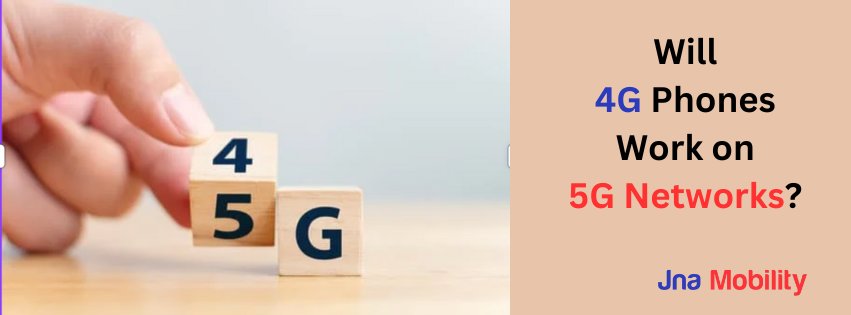
Will 4G Phones Work on 5G Networks? Exploring Compatibility and Considerations

With the rollout of 5G networks gaining momentum, many smartphone users are curious about the compatibility of their existing 4G phones. In this blog, we’ll explore whether 4G phones can work on 5G networks, what factors affect compatibility, and what users should consider when upgrading to 5G.

Understanding 5G Technology

Before diving into compatibility concerns, let’s briefly explain what 5G technology entails. 5G, or fifth-generation wireless technology, promises faster download and upload speeds, lower latency, and increased connectivity compared to its predecessors. It achieves these improvements through the use of higher frequency bands, advanced antenna technologies, and network infrastructure upgrades.

Also, Read : Advantages of 5G Networks

Can 4G Phones Work on 5G Networks?

The short answer is no, 4G phones cannot access 5G networks. 5G networks operate on different frequency bands and require compatible hardware to take advantage of their capabilities. While 4G phones will still function on existing 4G networks, they will not be able to access the enhanced speeds and performance of 5G networks.

Factors Affecting Compatibility

Several factors determine whether a smartphone is compatible with 5G networks:

Hardware: 5G compatibility requires specific hardware components, including a 5G modem and antenna, which are not present in most 4G phones.

Frequency Bands: 5G networks operate on a variety of frequency bands, including low-band, mid-band, and high-band (mmWave). Different 5G phones support different frequency bands, so compatibility may vary depending on the device.

Network Infrastructure: Accessing 5G networks also depends on the availability of 5G coverage in your area. Even if you have a 5G-compatible phone, you may not be able to access 5G services if they are not available in your location.

Also, Read : Exploring the Evolution: 4G vs 5G Network Coverage

Considerations for Upgrading to 5G

If you’re considering upgrading to 5G, here are a few key considerations:

Device Compatibility: Ensure that the smartphone you choose is compatible with the 5G networks available in your area. Research the supported frequency bands and network compatibility of different devices before making a purchase.

Coverage Availability: Check the coverage maps of various mobile carriers to determine the availability of 5G networks in your area. Keep in mind that 5G coverage may be limited in certain regions, particularly in rural areas.

Future-proofing: Investing in a 5G-compatible phone can future-proof your device and ensure that you can take advantage of 5G networks as they continue to expand and evolve.

Conclusion

While 4G phones cannot directly access 5G networks, users can upgrade to 5G-compatible devices to experience the benefits of next-generation wireless technology. Understanding the factors affecting compatibility and considering key factors like device compatibility and coverage availability can help users make informed decisions when upgrading to 5G. As 5G networks continue to expand, the transition to 5G-compatible devices will become increasingly prevalent, ushering in a new era of connectivity and innovation.

Will 4G Phones Work on 5G Networks? Exploring Compatibility and Considerations Read More »