JNA Mobility

admin

telecom industry

Telecom Industry: How 5G and AI are Transforming Communication

The telecom industry has undergone tremendous change over the past few decades. What began in the late 19th century as the telegraph has evolved into a highly complex global network enabling instant voice, data, and video communication.

The introduction of analog telephone networks in the late 1800s connected people through landlines and enabled the first phone calls. Over the next century, further innovations like mobile networks, fiber optics, and packet switching paved the way for the digital revolution.

The telecom sector today is a multi-trillion dollar industry providing internet access, cable TV, wireless services, and enterprise solutions worldwide. Telecom companies operate expansive wired and wireless networks delivering high-speed broadband, video, and IP services to billions of consumers and businesses. The industry continues to rapidly evolve, with 5G networks rolling out and enabling new technologies like self-driving cars, augmented reality, and smart cities.

While telecom infrastructure has become nearly ubiquitous globally, there remain challenges around digital divides, network security, industry consolidation, and regulations. As technology advances, telecom companies must balance innovation and investment with affordability, privacy, and fair access for all. The future promises exciting new services even as it poses complex policy questions for an increasingly connected world.

5G Rollout

5G networks are being rolled out globally, with countries racing to deploy the latest generation of wireless technology. It promises faster speeds, lower latency, and the ability to connect more devices to the internet than ever before..

The pace of 5G rollout varies not just by region but even within countries. Dense urban areas are being prioritized first for 5G deployment, while rural areas lag behind. Despite rapid progress, 5G coverage remains limited to certain neighborhoods and areas. Fully nationwide coverage will take years in most countries.

As the telecom industry works to expand 5G networks, smartphone makers have been releasing 5G-compatible devices. This combination of network infrastructure and devices will pave the way for innovative new 5G applications and services. But the rollout is still in its early stages, and the full potential of 5G has yet to be realized globally.

Also, Read : Advantages of 5G Networks

Internet of Things

The telecom sector is poised to be disrupted by the Internet of Things (IoT). As more devices become connected to the internet, telecom companies will need to expand network capacity and coverage.

IoT will drive several key trends in telecom:

Increased network traffic and bandwidth demands. Billions of connected devices will generate massive amounts of data that needs to be transmitted over telecom networks. 5G networks will help address these needs.

New revenue opportunities. Telecom providers can offer value-added IoT services like connectivity management platforms, data analytics, and security solutions. They can also generate revenue by connecting IoT devices to their networks.

Improved network efficiency. IoT sensor data can provide telecom companies with better visibility into their infrastructure. This allows them to be more proactive about network maintenance and capacity planning.

Enhanced customer experiences. IoT creates opportunities to integrate connectivity more seamlessly into customers’ lives, homes, vehicles and workplaces. Telecom companies will focus on easy-to-use solutions.

Security challenges. With more devices connected, there are increased vulnerabilities to hacking, data breaches and identity theft. Telecom providers will need robust cybersecurity measures.

Overall, the rise of IoT will compel telecom companies to transform their networks, operations, offerings and business models. Companies that adapt effectively to IoT trends will be well-positioned for the future.

Artificial Intelligence

Artificial intelligence (AI) is poised to transform the telecom industry in major ways. Here are some of the key applications of AI in telecom:

Network optimization – AI can analyze network data to detect anomalies, forecast demand, and automatically reconfigure networks for optimal performance. This helps improve quality of service and reduce costs.

Predictive maintenance – By using machine learning algorithms to monitor network equipment and predict failures, operators can move to preventative maintenance and reduce downtime.

Customer service – Chatbots and virtual assistants that use natural language processing can automate simple customer queries and provide 24/7 customer support. This improves customer satisfaction.

Fraud detection – AI techniques like machine learning can detect patterns in call records and usage that indicate fraudulent activity. This allows operators to act quickly to minimize losses.

Network security – AI-powered systems can identify malware, detect intrusions, and protect networks by learning about threats and adapting security protocols. This makes networks more resilient to cyber attacks.

Smart homes – AI assistants like Alexa and Google Home are becoming integrated into home WiFi networks and IoT devices. This allows telecoms to enable smart home services.

5G network optimization – With 5G’s complex architectures, AI will be instrumental in monitoring performance and optimizing these next-gen networks dynamically for different use cases.

The telecom industry is investing heavily in AI, as it is critical for improving customer experiences, reducing costs, and enabling new revenue opportunities. With 5G’s arrival, AI’s role will only grow in importance.

Virtual and Augmented Reality

Virtual reality (VR) and augmented reality (AR) have the potential to transform the telecom industry in exciting new ways. As networks get faster and more reliable with 5G, there will be new opportunities to provide immersive virtual experiences on mobile devices.

Telecom companies are exploring how VR and AR can enhance their offerings. For example, VR could allow customers to virtually visit a store location before going there in person. AR glasses may overlay useful information as someone walks around a city. There are also possibilities for virtual training programs and collaboration tools.

The key to unlocking the potential of VR and AR will be creating compelling and useful experiences. Early attempts at VR and AR have shown these technologies can easily feel gimmicky. Telecom companies will need to find ways to integrate them that truly add value for customers. If they can do this successfully, it may become a key differentiator.

5G networks provide the speed and reliability needed for smooth VR and AR experiences. As telecom companies roll out 5G more broadly, they should consider how to take advantage of its capabilities for emerging technologies like VR and AR. The companies that can capitalize on this potential early may gain a competitive advantage. But the use cases need to be more than just novelties – they must provide tangible benefits to customers.

Also, Read : The Future of Network Coverage: Predictions and Trends

Cybersecurity

The telecom sector faces immense cybersecurity challenges as it becomes more connected through 5G and IoT technologies. Telecom providers house sensitive customer data and provide critical infrastructure that hackers could exploit.

Some key telecom security challenges include:

Increasing attack surfaces and entry points – With more smart devices connected, there are more vulnerabilities a hacker could exploit. Security must be built into networks from the start.

Data breaches – Telecoms store vast amounts of customer data that is appealing to hackers. Providers need robust systems to detect and prevent breaches.

Signaling System 7 (SS7) vulnerabilities – SS7 is used by telecoms to route calls and texts between carriers. Flaws in this decades-old system can allow hackers to spy on users. Upgrading this infrastructure is critical.

Ransomware – Telecom networks are vulnerable to disruptive ransomware attacks. Providers need to guard against malware and have incident response plans ready.

5G introduces new risks – The 5G core is built on software which could have bugs. The complex virtualized architecture provides more potential attack vectors.

Telecoms need to make cybersecurity a top priority. They should implement modern defenses like AI-driven monitoring, zero-trust architectures, encryption, and network segmentation. Personnel training and vigilance is also key to combat rapidly evolving threats targeting telecom infrastructure and data.

Cloud Computing

Cloud computing is playing an increasingly important role in the telecom industry. Telecom companies are leveraging cloud services like Infrastructure-as-a-Service (IaaS), Platform-as-a-Service (PaaS) and Software-as-a-Service (SaaS) to enable faster deployment of services, reduce costs, and scale rapidly.

Some of the key benefits of cloud computing for telecom companies include:

Faster time-to-market: Telecom companies can launch new services and applications much faster using cloud platforms. The on-demand nature of cloud allows faster procurement of infrastructure and rapid deployment.

Cost savings: Cloud eliminates the need for upfront capital expenditure on hardware and data centers. It converts it into a pay-as-you-go operating expenditure model. This results in significant cost savings.

Scalability: Cloud platforms allow telecom companies to easily scale up or down their infrastructure based on demand fluctuations. This enables supporting sudden spikes in traffic.

Innovation: Cloud provides telecom companies with access to latest technologies like AI, ML, IoT etc. This allows delivering innovative solutions and services.

Business agility: Telecom companies can use cloud to quickly adapt and respond to changing business conditions and new opportunities.

Overall, cloud is a game changer for the telecom industry. It provides the foundation for rolling out 5G services, enabling IoT solutions and building intelligent networks. Telecom companies will continue to leverage cloud platforms extensively as they evolve into digital service providers.

Consolidation

The telecom industry has undergone significant consolidation over the past decade. A trend that is expected to continue as companies seek scale and efficiencies. Some of the largest mergers and acquisitions have included AT&T’s acquisition of Time Warner, T-Mobile’s merger with Sprint, and CenturyLink’s acquisition of Level 3.

Looking ahead, analysts predict more consolidation, especially among wireless carriers and cable providers. As 5G networks are built out, operators may look to mergers to gain spectrum assets and market share. Some potential deals include:

DISH Network and DirecTV merging to create a satellite TV giant

Altice USA acquiring Charter Communications to expand their cable footprint

Comcast acquiring T-Mobile to combine wireless and wireline services

Verizon acquiring a content provider like Lionsgate or MGM Studios

Smaller telecom providers may also look to be acquired as competition intensifies. Fixed wireless access companies like Starry and Common Networks could be targets. Regional wireless carriers like U.S. Cellular may also explore selling.

Overall, expect more mergers and acquisitions as telecom companies adapt their business models and jockey for position in an evolving marketplace. Consolidation will likely accelerate as legacy operators acquire capabilities needed for 5G, streaming, and digital services.

Regulations

The telecom industry is highly regulated. Governments and regulatory bodies around the world are frequently updating policies and regulations for the telecom sector. Some key regulatory trends that will shape the future of telecom include:

Implementation of 5G spectrum policy and licensing. Governments are working on plans for auctioning and allocating 5G spectrum licenses to telecom operators. This will enable 5G rollouts.

Net neutrality rules. Regulations on net neutrality, which require internet service providers to treat all data equally, remain a heated policy debate around the world. Changes to net neutrality could impact telecom business models.

Merger reviews. Regulators scrutinize mergers and acquisitions in the telecom sector due to antitrust concerns. Some major deals have been blocked or altered due to regulatory hurdles.

Security and privacy regulations. New laws like Europe’s GDPR are imposing cybersecurity and data privacy obligations on telecom companies. Expect more regulations in this area.

Access rules and obligations. Some countries are exploring policies to expand telecom access through subsidies or requirements for operators to serve rural areas.

Taxation of digital services. Some governments are proposing new taxes on digital services and data collection. This could impact telecom revenues.

Regulatory changes will significantly shape telecom strategies and investments. Companies will need to closely track policy developments and engage with regulators to adapt to this evolving regulatory landscape.

Conclusion

The telecom sector is undergoing rapid transformation, driven by new technologies like 5G, AI, IoT, VR/AR, and cloud computing. While 5G rollout will continue over the next few years, enabling new use cases, there are challenges around infrastructure investment and spectrum availability.

AI and machine learning will drive automation and improve network efficiency. The combination of 5G, IoT, and AI will lead to smart cities, autonomous vehicles, and other innovations. However, privacy and ethical concerns remain.

VR, AR and other immersive technologies will transform entertainment, gaming, and enterprise collaboration. But consumer adoption remains a question mark.

On the enterprise side, cloud adoption will accelerate, enabling agility while presenting security risks. Providers must invest in cybersecurity as networks become more software-driven.

Overall, the telecom sector faces a period of massive change and uncertainty. But new technologies also present tremendous opportunities.

Telecom Industry: How 5G and AI are Transforming Communication Read More »

Tracfone in 2024

Tracfone in 2024: A Crossroads for the Prepaid Giant

Tracfone, the longstanding leader in the US prepaid wireless market, finds itself at a crossroads in 2024. Its acquisition by Verizon in 2021 marked a turning point, triggering a strategic shift with significant ramifications for the brand’s future and the broader prepaid landscape. This article delves into the evolving dynamics of Tracfone in 2024, exploring the consolidation under Verizon, the implications for existing customers, the value proposition in a competitive market, and the brand’s potential trajectory.

Also, Read : Benefits of TracFone : Save Hundreds on Your Cell Phone Bill

A Streamlined Future Under Verizon’s Banner

One of the most significant changes underway is the consolidation of Tracfone’s offerings within the Verizon ecosystem. Verizon is phasing out several sub-brands under the Tracfone umbrella, such as Page Plus, Net10, and GoSmart. This streamlining signifies Verizon’s intention to create a more unified prepaid market under its “Total by Verizon” brand. This consolidation strategy suggests a potential shift in the competitive landscape, with Verizon aiming for greater control and potentially simplifying operations within the prepaid segment.

The Fate of Existing Tracfone Customers

For current Tracfone subscribers, the transition brings a period of uncertainty. However, there’s some temporary relief. Verizon has assured continued service on existing plans for phones compatible with Voice over LTE (VoLTE) technology, at least until November 2024. Beyond this date, the specifics remain unclear. Customers might be presented with options to migrate to Verizon plans, or Tracfone plans themselves could be discontinued. This lack of clarity creates a degree of apprehension for existing users, who might need to adjust their service plans or phone choices in the coming months.

Navigating a Value-Driven Market

The US prepaid wireless market is characterized by fierce competition, with providers constantly vying for customer loyalty through attractive value propositions. Players like Cricket Wireless and Metro by T-Mobile have emerged as strong contenders, offering compelling combinations of data allowances, pricing, and bundled services. Verizon, through its “Total by Verizon” brand, is actively responding to this pressure by introducing competitive pricing structures, data allotments, and value-added services like Disney+ subscriptions. Tracfone’s ability to adapt to this value-driven environment will be crucial in determining its continued relevance. If Tracfone remains a distinct brand within the Verizon ecosystem. It will need to offer plans that are demonstrably competitive with “Total by Verizon” and other market offerings.

Also, Read : Spectrum vs Tracfone – Which Provider Offers Better Coverage?

The Uncertain Path Forward

The future trajectory of Tracfone in 2024 remains uncertain. While it’s unlikely to disappear entirely, the brand might cede prominence to Verizon’s own prepaid offerings. The value proposition for Tracfone customers will depend heavily on how Verizon manages the transition.  If Verizon offers seamless migration options to attractive “Total by Verizon” plans, the impact on customers might be minimal. Discontinuing or weakening Tracfone plans could lead to a significant customer churn.

Beyond the Transition: Potential Implications

The consolidation of Tracfone under Verizon could have wider implications for the prepaid market. With fewer independent players, there’s a potential for reduced competition, which could ultimately impact consumer choice and pricing. Additionally, the integration of Tracfone’s customer base into Verizon’s systems could raise questions regarding data privacy and user experience.

Looking Ahead: Staying Informed

Tracfone customers, stay informed about the ongoing developments. Regularly checking the official Tracfone website https://www.tracfone.com/home. Monitoring their accounts for updates regarding plan changes and potential migration options are crucial steps. The next few months will likely be pivotal in shaping the final trajectory of the Tracfone brand. Customers who are invested in maintaining their current plans or features are advised to be proactive in seeking information and understanding their options as the transition unfolds.

Conclusion

Tracfone’s transformation in 2024 marks a significant shift in the US prepaid wireless landscape. The brand’s future within the Verizon ecosystem remains uncertain, with implications for both existing customers and the broader market. As the transition progresses, close attention should be paid to how Verizon manages customer migration, the value proposition offered by Tracfone plans if they remain, and the potential impact on competition within the prepaid segment.

Tracfone in 2024: A Crossroads for the Prepaid Giant Read More »

tracfone and Regular Cell Phone

Tracfone vs. Regular Cell Phone: Understanding the Differences

In today’s digital age, choosing the right mobile phone can be a daunting task, especially with the variety of options available in the market. Among these options are Tracfone and regular cell phones, each with its own set of features and benefits. But what exactly sets them apart? Let’s explore the differences between a Tracfone and a regular cell phone to help you make an informed decision.

Also, Read : Benefits of TracFone : Save Hundreds on Your Cell Phone Bill

Tracfone: Pay-As-You-Go Convenience

Tracfone is a type of prepaid mobile phone that offers pay-as-you-go convenience without the need for a long-term contract or monthly commitment. Here’s what sets Tracfone apart:

Prepaid Service: With Tracfone, users purchase airtime minutes, text messages, and data in advance, allowing for greater control over usage and expenses.

No Contracts: Unlike traditional cell phone plans, Tracfone does not require a contract, making it a flexible option for those who prefer to pay as they go.

Affordability: Tracfone plans are often more affordable than traditional cell phone plans, making them an attractive option for budget-conscious individuals or those with sporadic usage patterns.

Limited Features: Tracfone devices may have limited features compared to regular cell phones, including fewer apps, lower-quality cameras, and basic functionality.

Regular Cell Phone: Traditional Contract Plans

Regular cell phones, also known as postpaid or contract phones, are the traditional option offered by major carriers like Verizon, AT&T, and T-Mobile. Here’s what you need to know about regular cell phones:

Contract Plans: Regular cell phones typically require signing a contract with a carrier for a specified period. Usually one to two years, in exchange for subsidized phone prices and access to network services.

Greater Flexibility: While contract plans offer access to the latest smartphones and advanced features. They also come with higher monthly fees and data limits.

Unlimited Options: Many regular cell phone plans offer unlimited talk, text, and data options, providing peace of mind for heavy users or those who rely heavily on their phones for communication and internet access.

Higher Costs: Regular cell phone plans can be more expensive in the long run due to monthly service fees, device installment payments, and additional charges for exceeding data limits or international usage.

Also, Read : Spectrum vs Tracfone – Which Provider Offers Better Coverage?

Which One Is Right for You?

Choosing between a Tracfone and a regular cell phone ultimately depends on your individual needs, preferences, and budget. Here are some factors to consider:

Usage Patterns: If you have sporadic usage patterns or prefer to pay only for what you use. Tracfone may be the better option.

Budget: If you’re looking to save money on monthly phone bills and don’t mind sacrificing some features. Tracfone’s pay-as-you-go model may be more cost-effective.

Features and Functionality: If you rely heavily on your smartphone for apps, multimedia, and advanced features, a regular cell phone with a contract plan may better suit your needs.

Conclusion

In summary, the main difference between a Tracfone and a regular cell phone lies in their payment models, contract requirements, and features. While Tracfone offers pay-as-you-go convenience and affordability. Regular cell phones provide access to the latest smartphones and advanced features through contract plans. Consider your usage patterns, budget, and feature preferences to determine which option is right for you. Whether you opt for the simplicity of Tracfone or the flexibility of a regular cell phone. Both options offer reliable communication and connectivity to keep you connected in today’s fast-paced world.

Tracfone vs. Regular Cell Phone: Understanding the Differences Read More »

4g and 5g

Exploring the Evolution: 4G vs 5G Network Coverage

In the realm of telecommunications, the transition from 4G to 5G represents a significant leap forward in connectivity, promising faster speeds, lower latency, and greater capacity. But what exactly sets these two generations of wireless technology apart, especially when it comes to network coverage? Let’s delve into the differences between 4G and 5G network coverage to understand how each technology shapes our digital landscape.

Understanding 4G Network Coverage

Introduced in the late 2000s, 4G (or fourth-generation) wireless technology revolutionized mobile communication by offering faster data speeds and more reliable connections than its predecessors. 4G networks primarily operate on LTE (Long-Term Evolution) technology, delivering peak download speeds of up to 100 Mbps or higher in ideal conditions.

Key Features of 4G Network Coverage:

Widespread Availability: Over the years, 4G network coverage has become ubiquitous in many parts of the world, spanning urban, suburban, and rural areas. Major carriers have invested heavily in expanding their 4G infrastructure to reach as many users as possible.

Reliable Performance: 4G networks provide consistent performance for activities such as streaming video, browsing the web, and using social media. With low latency and high bandwidth, users can enjoy seamless connectivity on their smartphones, tablets, and other devices.

Limited Capacity: Despite its advancements, 4G technology has limitations in terms of capacity, especially in densely populated areas or during peak usage times. This can lead to network congestion and slower speeds for users, particularly in urban centers.

Also, Read : Power of Seamless Communication: Exploring Voice over LTE (VoLTE)

Introducing 5G Network Coverage

5G (or fifth-generation) wireless technology represents the next evolution in mobile connectivity, promising to deliver unprecedented speed, reliability, and scalability. Unlike 4G, which primarily relies on traditional cellular infrastructure, 5G networks leverage a combination of new technologies, including mmWave (millimeter wave) spectrum and massive MIMO (Multiple Input Multiple Output) antennas.

Key Features of 5G Network Coverage:

Enhanced Speed and Performance: 5G networks offer significantly faster speeds and lower latency compared to 4G, with peak download speeds reaching up to 10 Gbps or more. This enables a wide range of bandwidth-intensive applications, including virtual reality, augmented reality, and 4K video streaming.

Expanded Capacity: One of the most significant advantages of 5G is its ability to support a vast number of connected devices simultaneously. With increased capacity and improved spectral efficiency, 5G networks can accommodate the growing demand for data-intensive services and applications.

Improved Coverage and Reliability: While 5G is still in the early stages of deployment, its coverage is gradually expanding in urban areas and select regions worldwide. The deployment of small cells, beamforming technology, and network slicing techniques helps enhance coverage and reliability, even in challenging environments.

Comparing Coverage: 4G vs 5G

When it comes to network coverage, 4G currently holds the upper hand in terms of availability and reliability, thanks to its established infrastructure and widespread deployment. However, as 5G continues to roll out across the globe, its coverage will gradually improve, offering users access to faster speeds and more advanced services.

Factors to Consider:

Geographic Location: 4G coverage is more widespread and accessible in most regions. While 5G is primarily concentrated in urban areas and select markets. Users in densely populated areas may experience faster speeds and better coverage with 5G, whereas those in rural or remote areas may rely on 4G networks for the time being.

Device Compatibility: While the latest smartphones and devices support both 4G and 5G connectivity. Older devices may only be compatible with 4G networks. As 5G adoption increases, users will have access to a wider range of compatible devices, enabling them to take full advantage of the technology’s capabilities.

Network Deployment: The pace of 5G deployment varies depending on factors such as regulatory approvals, infrastructure investments, and carrier initiatives. Some regions may have extensive 5G coverage, while others are still in the early stages of rollout. It’s essential to check with local carriers to determine the availability of 5G in your area.

Conclusion

In the ongoing evolution of wireless technology, both 4G and 5G play crucial roles in shaping our digital future. While 4G offers widespread coverage and reliable performance. 5G represents the next frontier of connectivity, with faster speeds, lower latency, and expanded capacity. As 5G networks continue to mature and expand, they will eventually surpass 4G in terms of coverage and performance. Ushering in a new era of innovation and connectivity for users around the world. Whether you’re streaming videos on the go, gaming online, or connecting with loved ones. The transition from 4G to 5G promises to elevate the mobile experience to new heights.

Exploring the Evolution: 4G vs 5G Network Coverage Read More »

Exploring Voice over LTE (VoLTE)

Power of Seamless Communication: Exploring Voice over LTE (VoLTE)

In an age where communication is key, technological advancements continuously strive to make connections faster, clearer, and more convenient. One such innovation that has revolutionized voice communication is Voice over LTE (VoLTE). This technology promises not only clearer calls. But also enhanced features and benefits that pave the way for a new era of seamless communication. Let’s delve into what VoLTE is, how it works, and the myriad benefits it offers to users worldwide.

What is VoLTE?

Voice over LTE, or VoLTE, is a technology that enables voice calls to be made over a 4G LTE network. Rather than traditional circuit-switched networks. By utilizing the same network as data services, VoLTE allows for simultaneous voice and data transmission. Leading to improved call quality, faster call setup times, and a richer communication experience overall.

How Does VoLTE Work?

Traditional voice calls are routed through circuit-switched networks, which dedicate specific channels for voice communication. In contrast, VoLTE converts voice calls into data packets and transmits them over the same IP-based network used for data services. This allows for more efficient use of network resources and enables a broader range of features and capabilities. Such as high-definition (HD) voice, video calling, and seamless handovers between LTE and Wi-Fi networks.

Benefits of VoLTE:

High-Quality Calls: VoLTE delivers crystal-clear voice calls with HD audio quality, significantly reducing background noise and enhancing overall clarity. This ensures that every conversation is heard loud and clear, even in noisy environments.

Faster Call Setup: VoLTE boasts faster call setup times compared to traditional circuit-switched networks. Thanks to its optimized signaling protocols and efficient packet switching. This means less time spent waiting for calls to connect, leading to a more responsive and streamlined communication experience.

Improved Coverage and Reliability: By leveraging the robust infrastructure of 4G LTE networks, VoLTE offers broader coverage and greater reliability. Even in areas with weak signal strength or network congestion. This ensures that users can stay connected wherever they go, without compromising on call quality or reliability.

Simultaneous Voice and Data: One of the most significant advantages of VoLTE is its ability to support simultaneous voice and data transmission. This means users can browse the internet, stream media, or use data-intensive applications while on a voice call, without experiencing any degradation in performance.

Richer Communication Features: VoLTE opens the door to a wide range of advanced communication features and services, including video calling, real-time language translation, and multimedia messaging. These capabilities enhance the overall communication experience and empower users to connect in new and innovative ways.

Also, Read : Advantages of 5G Networks

Is VoLTE the same as 5G?

5G promises faster data speeds, lower latency, greater capacity, and increased connectivity compared to previous generations. It utilizes advanced technologies such as millimeter wave (mmWave) frequencies. Massive multiple-input multiple-output (MIMO) antennas, and network slicing to deliver ultra-fast broadband speeds and support a wide range of applications. Including augmented reality (AR), virtual reality (VR), Internet of Things (IoT), and autonomous vehicles.

While VoLTE operates on 4G LTE networks, 5G represents the next evolution in wireless technology, offering even greater performance and capabilities. However, it’s worth noting that 5G networks also support voice calls, and technologies like Voice over New Radio (VoNR) are being developed to deliver voice services over 5G networks. So, while VoLTE and 5G are not the same, they are complementary technologies that work together to provide seamless voice and data communication experiences in the modern era.

Conclusion:

Voice over LTE (VoLTE) represents a significant leap forward in the evolution of voice communication, offering unparalleled call quality, faster call setup times, and a wealth of advanced features and capabilities. By leveraging the power of 4G LTE networks, VoLTE delivers a seamless and immersive communication experience that redefines the way we connect with others. As this technology continues to evolve, we can expect even greater innovations that further enhance our ability to communicate effortlessly and effectively in the digital age.

Power of Seamless Communication: Exploring Voice over LTE (VoLTE) Read More »

GSM and CDMA

GSM vs CDMA: Which Mobile Network is Right For You?

The two major 2G network technologies that drove widespread adoption in the 1990s were GSM and CDMA. While there are technical differences between them, both GSM and CDMA facilitated the transition to fully digital mobile voice and data services.

What is GSM?

GSM stands for Global System for Mobile Communications. It is an open, non-proprietary standard for mobile networks that is used globally.

Some key features of GSM networks:

GSM uses SIM (Subscriber Identity Module) cards to authenticate devices and users on the network. The SIM card stores your phone number, service details, contacts, messages and other data specific to your account.

GSM networks operate in various radio frequency bands, including 850MHz, 900MHz, 1800MHz and 1900MHz. By supporting multiple frequency bands, GSM allows roaming across different countries and regions.

As an open standard, GSM has been adopted by over 80% of the global mobile market. Major carriers that operate GSM networks include AT&T and T-Mobile in the United States and Vodafone and EE in Europe.

The GSM standard was developed in the 1980s by the European Conference of Post and Telecommunications. The first commercial GSM networks launched in 1991 in Finland. Since then, GSM has continued to evolve, with improvements like GPRS data services and EDGE enhancing data speeds.

Also, Read : Can GSM Unlocked Phones Work Internationally?

What is CDMA?

CDMA stands for Code Division Multiple Access. It is a proprietary technology patented and developed by Qualcomm.

Unlike GSM, CDMA does not use SIM cards. Instead, each phone has a unique identifier that is programmed into the phone.

CDMA networks operate in the 800MHz and 1900MHz frequency bands, which have good signal penetration and propagation characteristics. This allows CDMA signals to effectively cover large areas and penetrate buildings better than higher frequency networks like GSM.

The key characteristic of CDMA is that it spreads cellular signals across a wide bandwidth channel using a pseudo-random digital sequence. This allows multiple users to share the same channel through code separation rather than time separation (as in GSM). The pseudo-random sequence assigned to each user helps isolate their signal from others on the same spectrum.

Network Coverage and Availability

GSM enjoys wider network coverage and availability compared to CDMA. This is because GSM is the more widely adopted standard worldwide, with over 90% of the global market share for mobile networks.

GSM’s extensive reach makes it the technology of choice for international travelers who need constant connectivity across borders. You can use the same GSM phone seamlessly as you travel through different countries where GSM networks exist.

On the flip side, CDMA-based networks are dominant mainly in the Americas. The technology initially gained traction in North America in the 1990s. Subsequently, CDMA expanded to certain countries in South America and Asia. But its growth stalled as GSM continued its rapid global proliferation.

If you plan to travel exclusively within the Americas, a CDMA phone could prove sufficient. But for international roaming across Europe, Asia, Africa, and Oceania, GSM is the safer bet. With support from over 750 networks across 220 countries, GSM simply has wider coverage geographically.

Also, Read : The Future of Network Coverage: Predictions and Trends

Voice Quality

When it comes to voice quality, there are some key differences between GSM and CDMA networks.

GSM uses a narrower bandwidth than CDMA, which can lead to lower call quality and more background static on GSM networks. The call quality on GSM networks is adequate, but CDMA generally provides clearer, crisper call audio.

GSM networks have a hard cap on the number of active calls within a cell area. If the maximum is reached, additional calls may get blocked or dropped. CDMA networks use dynamic bandwidth allocation, which helps minimize dropped calls during busy times.

GSM suffers from more interference issues than CDMA when used in dense urban areas with many high buildings. The radio frequencies in GSM can get interrupted more easily by obstructions. This leads to more garbled or dropped calls for GSM users in cities.

CDMA utilizes a spread spectrum technology that is better at filtering out background static during calls. The encoding method provides anti-interference properties.

GSM drops calls abruptly if the signal is too weak between cell towers during a call. CDMA degrades more gracefully as the signal fades, leading to less dropped calls mid-conversation.

Overall, CDMA technology results in superior voice quality and call reliability compared to GSM networks. However, in areas with robust GSM coverage, the call quality may be satisfactory for most users even if it doesn’t match CDMA’s high standards.

Data Speeds

Theoretical maximum data speeds differ between the two technologies, with CDMA networks having a max speed of 14.7 Mbps and GSM networks having a max speed of 384 Kbps. However, real-world speeds often do not reach these theoretical maximums.

Independent testing has found CDMA and GSM networks to offer comparable average download speeds in most regions. For example, OpenSignal’s testing in the United States showed average download speeds on Verizon’s CDMA network at 29.9 Mbps in Q2 2019, compared to 26.9 Mbps on T-Mobile’s GSM network. Both networks used advanced LTE technology in this testing.

So while CDMA has a higher theoretical maximum, both network technologies offer comparable real-world performance. Actual speeds can vary based on spectrum bandwidth, backhaul connectivity, network congestion, and other factors. Overall, most users today can expect LTE speeds in the 20-50 Mbps range on both CDMA and GSM networks.

Security

Security is a major consideration when evaluating GSM versus CDMA networks. The encryption methods used and susceptibility to hacking or interception can impact consumer privacy and safety.

GSM networks originally had very basic encryption methods that made calls easy to intercept. Over time, GSM has added more advanced encryption protocols like A5/1, A5/2, and A5/3 to improve security. However, researchers have found vulnerabilities in these encryption algorithms that could allow sophisticated attackers to intercept calls.

CDMA has used more secure encryption from the start, making it harder to intercept calls. CDMA uses encryption protocols like XOR and AES which have proven robust and secure over time. The spread spectrum technology used by CDMA also makes it naturally more resistant to passive interception and eavesdropping.

Overall, CDMA maintains an edge over GSM when it comes to security and privacy. GSM encryption methods have faced more scrutiny and vulnerabilities over the years. CDMA’s encryption and inherent technical advantages make it less susceptible to hacking and interception. However, both networks take security seriously and continue working to improve safeguards and stay ahead of threats. For many consumers, CDMA may provide greater peace of mind regarding call privacy.

Also, Read : Pros and Cons of GSM Technology for Mobile Users

Compatibility with Other Networks

One key difference between CDMA and GSM networks is the ability to handoff calls between different network types. GSM networks use a SIM card that contains subscription details to identify the user on any GSM network. This means GSM phones can easily switch between different GSM carriers and networks as long as they operate on the same frequencies.

CDMA networks do not use SIM cards. CDMA phones are usually locked to a specific carrier’s network. Switching between CDMA carriers requires a software update to program the phone to work on the new network. However, most modern CDMA phones include multi-mode support for both CDMA and GSM networks in the same device. This allows CDMA users to roam on GSM networks if they travel outside their carrier’s coverage area.

The biggest advantage for GSM is the ability to smoothly handoff calls between GSM and CDMA networks. For example, if a user starts a call on a GSM network, they can continue the call even after switching to a CDMA network, without the call dropping. This works because GSM relies on the SIM card rather than programming on the device. As long as the device supports both network modes, the SIM card handles moving between them.

CDMA does not allow handoffs between network types in the same way. A CDMA phone can handoff between different CDMA networks and carriers, but cannot easily switch between CDMA and GSM without dropping the current call. The lack of a SIM card means the device has to re-register with the new network type during any transition between CDMA and GSM.

So in summary, GSM’s use of SIM cards provides better support for handing off calls between network types like GSM and CDMA. CDMA devices are largely restricted to handing off between networks of the same type.

Cost for Carriers

The cost to build and operate a GSM or CDMA network can vary greatly for carriers. Some key considerations include:

Infrastructure Costs: GSM networks require more cellular towers spaced closer together than CDMA, since GSM uses higher frequency signals. The infrastructure costs to build a nationwide GSM network can be very high. CDMA uses spread spectrum technology allowing for fewer cell towers. However, CDMA requires more expensive switching equipment. Overall, CDMA networks may have lower infrastructure costs than GSM.

Licensing Fees: Carriers must pay licensing fees to use the GSM or CDMA standards. In the past, CDMA licensing fees charged by Qualcomm were viewed as very expensive by carriers. However, the licensing fee structure has evolved over time. Both technologies require payment of royalties.

So in summary, the cost for carriers comes down to infrastructure investment and licensing fees. Historically CDMA had advantages on network build costs while GSM had lower licensing costs. But with new network architectures like VoLTE, the cost differential between the technologies has narrowed significantly. What ultimately matters most is the carrier’s budget, coverage goals, and overall business strategy when deciding between GSM and CDMA.

Conclusion

GSM and CDMA are the two main cellular network technologies in use today. There are some key differences between them:

Network Coverage: GSM has broader coverage globally, while CDMA is primarily used in the Americas. This means GSM phones have better international roaming capabilities.

Voice Quality: CDMA traditionally had better voice quality due to less call dropping and interference. However, with advancements in GSM such as HD Voice, the voice quality difference is less noticeable now.

Data Speeds: Early CDMA networks had a speed advantage, but GSM caught up with 3G and 4G network upgrades. Both are capable of fast data speeds on modern networks.

Security: GSM has faced more security issues in the past, though both standards have evolved to provide solid security features today.

Compatibility: It’s easier to switch between GSM carriers and take unlocked GSM phones to different networks. CDMA carriers have historically kept tighter control over phone compatibility.

So which standard is better for today’s consumers? For international travelers who want to use the same phone everywhere, GSM is likely the better choice. But those who stay within coverage areas of major CDMA networks like Verizon and Sprint in the US often have a comparable experience. Both technologies continue to advance and remain solid options for cellular users.

GSM vs CDMA: Which Mobile Network is Right For You? Read More »

MVNOs

 Advantages of Using Mobile Virtual Network Operators ( MVNOs )

Mobile Virtual Network Operators (MVNOs) are wireless communication service providers that do not own the wireless network infrastructure over which they provide services to customers. Instead, MVNOs have business arrangements with traditional mobile network operators to obtain bulk access to network services at wholesale rates, which they then sell to consumers under their own brand name.

The purpose of this article is to highlight some of the key advantages MVNOs can offer consumers compared to traditional network operators. As MVNOs grow in popularity, it’s important for consumers to understand the potential benefits of using an MVNO and how they differ from typical carriers. The main advantages covered in this article include lower costs, flexibility, targeted offerings, network coverage, customer service, phone options, data speeds, and international roaming. By better understanding these benefits, consumers can determine if using an MVNO may be a good option for their wireless service needs.

Lower Cost

One of the biggest advantages of using a mobile virtual network operator (MVNO) is the potential for lower monthly costs compared to major carriers. MVNOs don’t own their own network infrastructure. Instead, they purchase network access from major carriers at wholesale rates.

This allows MVNOs to offer service at reduced retail prices since they don’t have the large overhead costs associated with building and maintaining a network. Their lean business model translates into savings for consumers. MVNOs can leverage the networks of major carriers while setting competitive rates on their own plans.

Many MVNOs cater to budget-conscious customers by offering low-cost options with fewer frills. For example, some MVNOs provide unlimited talk and text with limited data for as little as $10-15 per month. Others allow you to customize a plan based on your actual expected usage. This à la carte model means you only pay for what you need.

The savings from using an MVNO over a major carrier depend on your usage habits and preferences. But in general, MVNOs provide an affordable wireless alternative, especially for individuals looking to reduce their monthly cell phone bill. Their rates may be 25-50% less than comparable plans from AT&T, Verizon, T-Mobile or Sprint.

Also, Read: The Rise of MVNOs: How Alternative Carriers are Disrupting the Mobile Market

Flexibility

One of the key advantages of using an MVNO is the increased flexibility they can offer compared to major carriers. MVNOs are able to be more creative and customizable with their plans since they don’t own the wireless infrastructure. This allows them to tailor options that better suit different types of users.

For example, some MVNOs offer:

Month-to-month plans without long-term contracts. This is ideal if you may change carriers frequently.

Multiple plan sizes like 1GB, 3GB, or unlimited data. You can pick what fits your needs.

Optional extras like unlimited music streaming that doesn’t count against your data allowance.

Rollover data if you don’t use all your high-speed data one month.

Customizable family plans where each line can have different data amounts.

Affordable unlimited talk and text with options for data as needed.

Shared data pools across multiple devices instead of per-device data.

No overage fees and slower 2G speeds instead of overage charges.

The increased flexibility from MVNOs allows you to customize your wireless plan to match your usage and budget. You’re not forced into preset, limited options. So if you have specific needs, an MVNO likely offers plans to accommodate them.

Targeted Offerings

One of the biggest advantages of Mobile Virtual Network Operators (MVNOs) is that they can offer highly targeted services and plans to appeal to specific groups of customers. MVNOs lease network access from major carriers, which allows them to focus on marketing and promotions to niche demographics instead of building out network infrastructure.

For example, there are MVNOs geared towards budget-conscious customers, like Mint Mobile and Visible. These providers can offer lower monthly rates by concentrating on a no-frills service. Other MVNOs cater to tech enthusiasts and early adopters, like Google Fi, which showcases unique features like network switching and integrated messaging. Some niche MVNOs are tailored for ethnic groups, like Univision Mobile aiming at Hispanic consumers. And there are MVNOs focused on perks like international calling, like Ultra Mobile.

The targeted approach allows MVNOs to truly customize their offerings beyond what the major carriers can provide. They can craft attractive plans and services specifically around the interests and values of distinct customer segments. This lets them better serve underrepresented groups while also effectively promoting their brand to those who align with their vision. So the focused nature of MVNOs allows for more personalized options compared to one-size-fits-all carrier plans.

Network Coverage

Mobile virtual network operators (MVNOs) use the network infrastructure of major carriers like Verizon, AT&T, T-Mobile, and Sprint. This means MVNO customers get access to the same coverage as customers of the major carrier the MVNO has an agreement with in a given area.

The advantage of this arrangement is MVNO customers get extensive nationwide coverage without the MVNO having to invest in building its own network infrastructure. So you can expect a similar coverage map and experience as the major carrier’s customers.

The potential downside is that MVNOs are at the mercy of the major carriers in terms of prioritization. During times of congestion on the network, MVNO customers may experience slower speeds or degraded service compared to the major carrier’s direct customers. However, in general, MVNOs offer excellent coverage that matches the major carriers.

MVNOs also often have multiple network agreements in place as fallback options. So if the primary carrier’s network experiences an outage in an area, the MVNO can route traffic through an alternative carrier and minimize disruption to their customers. This provides an extra layer of coverage redundancy.

In summary, MVNO customers get excellent nationwide coverage that rivals the major carriers, with few downsides beyond potential prioritization during network congestion. Given the significant cost savings MVNOs offer, the coverage trade-off is minor for most customers.

Phone Options

Mobile Virtual Network Operators (MVNOs) typically offer fewer phone options compared to major carriers who sell the latest flagship devices. MVNOs are more likely to focus on budget to mid-range devices.

This can be a downside for customers who always want the latest high-end phones when they are released. However, many people are satisfied with more affordable phones that have good performance and features. The narrower selection also allows MVNOs to negotiate better deals on bulk orders of certain devices.

One advantage of fewer options is that it simplifies the choice for consumers. Major carrier stores can be overwhelming with numerous phones from different manufacturers. MVNOs make it easier to choose by limiting options to their top picks in each price range.

There are also MVNOs that offer bring your own device (BYOD) plans without selling any phones. This allows total freedom to use an unlocked phone you already own. However, it removes the convenience of bundled pricing with a new phone purchase that major carriers provide.

Overall the limited phone options with MVNOs enable them to reduce costs compared to major carriers who offer every new phone. For many customers the sacrifice of always having the latest devices is worth the savings from MVNO rate plans. It’s a reasonable tradeoff that helps keep MVNO service affordable.

Also, Read: MVNOs vs. Traditional Carriers: Pros and Cons of Making the Switch

Data Speeds

Compare MVNO and major carrier data speeds.

One advantage of using an MVNO is that they can offer fast 4G LTE data speeds comparable to major carriers. While MVNOs use the infrastructure of the major networks, they prioritize the data of their own customers, so MVNO customers often see similar or even better data speeds compared to direct customers of the major carriers.

For example, Consumer Reports tested the network performance of Cricket Wireless, which uses AT&T’s network, and found LTE download speeds competitive with AT&T’s own branded plans. Other tests of MVNOs like Straight Talk and Google Fi also found LTE speeds on par with Verizon, T-Mobile, and Sprint.

The key reason MVNOs can offer fast data speeds is their lightweight networks. With fewer customers than Verizon or AT&T, MVNOs put less strain on the network and do not face bandwidth congestion issues. Their customers essentially get “fast lanes” for data.

In summary, MVNOs leverage the networks of major carriers to provide an excellent 4G LTE experience comparable to the major brands. Customers enjoy all the speed and connectivity of the major networks but at lower cost. For customers focused on data usage and performance, MVNOs prove speed doesn’t have to be sacrificed for affordability.

International Roaming

One of the biggest advantages of using an MVNO is their competitive international roaming rates compared to major carriers. MVNOs are able to offer lower international roaming fees by leveraging the networks of major carriers.

For example, Google Fi utilizes T-Mobile, Sprint and U.S. Cellular towers for its service. Since Google Fi doesn’t have to maintain its own network infrastructure, it’s able to pass on cost savings to customers through reduced international roaming fees. Google Fi customers get free international roaming in over 135 countries with no extra charges for data usage or calling in supported countries.

Other MVNOs like Mint Mobile also provide international roaming, albeit at slightly higher rates compared to major carriers. Mint Mobile charges $0.20/min for calls, $0.20/text sent and $0.20/MB for data while roaming internationally. In comparison, Verizon charges $2/min for calls, $1.05/text sent and $2.05/MB for data while roaming.

So while MVNO international roaming rates may not be completely free, they are very competitive compared to legacy carriers. The flexibility and cost savings MVNOs provide make them an attractive option for frequent international travelers who want to avoid punitive roaming fees charged by major carriers.

Conclusion

Using a mobile virtual network operator (MVNO) can offer significant advantages compared to the major carrier networks. MVNOs are able to provide lower cost plans and more flexibility through customized offerings targeted at specific user groups. Their reliance on the major carrier networks also means MVNO customers get access to robust nationwide coverage.

However, MVNOs do have some drawbacks to consider. Data speeds may be slower compared to a direct major carrier plan, especially if the MVNO traffic is deprioritized at peak times. International roaming options are more limited with some MVNOs as well. Customer service response times could take longer too since MVNOs have fewer resources than major carriers.

Overall, MVNOs are best suited for budget-conscious users who prioritize cost savings over having the latest premium network features. They work well for individuals or families with light to moderate data usage that don’t require unlimited high-speed data. MVNOs also appeal to users happy with calling and texting capabilities who primarily need talk and text, without heavy reliance on mobile data. With an MVNO, you get excellent coverage through the backbone carrier network, just with fewer bells and whistles. For many users focused on value, MVNOs deliver everything needed for mobile communication at very competitive rates.

 Advantages of Using Mobile Virtual Network Operators ( MVNOs ) Read More »

Spectrum Mobile

5 Tips for Maximizing Your Data Usage on Spectrum Mobile

Understand your data allowance

Spectrum Mobile offers several data plans to choose from. The main options are:

By the Gig – Pay only for the data you use each month, with prices starting at $14/GB

Unlimited – Unlimited talk, text and data on Spectrum’s network for $45/month

Unlimited Plus – Unlimited talk, text and data including 5G access for $29.99/month

How data usage is tracked

Spectrum Mobile tracks data usage by billing cycle. Each month’s allowance resets to zero at the start of your new billing date. Any unused data does not roll over to the next month.

Data usage includes both downloads and uploads. Certain activities like streaming video, playing online games, using GPS apps use more data than simple web browsing or checking email. It’s important to monitor your usage through the My Spectrum app to avoid surprise overage charges.

Spectrum also reserves the right to review your account and move you to the By the Gig plan if they determine your monthly data usage isn’t aligned with an Unlimited plan. Check your account terms for specifics.

Also, Read : Get the Best Spectrum Mobile Deals

Connect to WiFi networks whenever possible

Spectrum Mobile runs on Verizon’s 4G LTE network, which provides a fast and reliable connection. However, using cellular data, even at unlimited tiers, can impact network speeds during times of high traffic. Connecting to WiFi offloads data usage from the cellular network even when you have unlimited high-speed data.

When you’re at home or in the office, connect to your WiFi router and disconnect from cellular data to save money and preserve network resources on your mobile plan. Public WiFi networks at coffee shops, hotels, airports and other locations also allow you to avoid dipping into your mobile data. However, be mindful of [content removed] when connecting to open WiFi networks.

Here are some tips for maximizing your use of WiFi networks:

Enable auto-updates selectively

It’s important to take control over how and when your smartphone updates its apps. By default, many phones will automatically update apps over cellular data without asking. This can consume your monthly data allotment even if you’re not actively using your phone.

One tip is to disable auto-updates entirely and instead manually trigger updates only when connected to WiFi. However, this does require diligence to regularly check for app updates.

A better option is to use your phone’s settings to enable auto-updates only over WiFi. You can also configure updates to run during certain times, usually late at night when data usage is lower.

Here’s exactly how to schedule app auto-updates during off-peak hours on Spectrum Mobile:

Open Settings and select “Apps & notifications“

Select “Advanced” then “App update settings“

Choose “Do not auto-update apps” or “Auto-update apps over Wi-Fi only”

Then select “App update frequency” and choose a window like “Updates between 2-4 AM“

That way your apps get the latest updates automatically but only when connected to WiFi in the middle of the night. This helps avoid surprise data usage during the day. You get the benefits of auto-updates without exceeding your data allowance.

Also, Read : Thinking of Switching to Spectrum Mobile? Read this First

Reduce Streaming Quality

Decreasing the resolution when streaming video or music is one of the most effective ways to conserve your mobile data. Typically, streaming services will automatically adjust quality based on your connection speed – streaming at the highest possible quality when on fast WiFi and lowering quality as needed when on slower cellular networks. However, you can also manage these settings manually.

Most services like YouTube, Netflix, Spotify and others allow you to set a default streaming resolution in their app settings. Set this to 480p or 720p instead of 1080p or 4K when streaming over cellular. The difference in visual quality will be minor, but you’ll use about half as much data for a standard definition 480p video compared to a full high definition 1080p video. For audio streaming with Spotify, choose a lower bitrate option if available. While high bitrate streams may sound slightly better, the difference is hard to perceive on mobile devices and the data savings can be substantial.

By making these minor adjustments to streaming resolution when on Spectrum Mobile data, you can easily reduce your monthly data usage without really sacrificing quality or enjoyment of video and music on the go. Combined with enabling WiFi and managing auto-updates, this can help you stay under your plan’s data limits each month.

Leverage cloud storage

Storing files in the cloud rather than downloading them directly to your device is an easy way to preserve data usage. Consider using cloud storage options like Google Drive, Dropbox, or iCloud to upload and access documents, photos, videos, and any file that can be safely hosted online. Most cloud services offer a limited amount of free storage, or you can pay for more capacity.

The benefit of using cloud storage over downloading files is you don’t consume any of your data allowance when accessing synced files. Streaming a video file that is saved in your Dropbox, for example, would not count against your mobile data limit. You only need an active data connection to upload or sync changes, which is generally light on data usage.

Some additional tips for leveraging cloud storage:

For documents, use Google Docs instead of traditional office software

Turn on camera and photo uploads so you don’t have to manually transfer files from your device

Access cloud media when watching videos or listening to music

5 Tips for Maximizing Your Data Usage on Spectrum Mobile Read More »

Apple Watch Series 7

Advantage of Apple Watch Series 7

The Apple Watch Series 7 was released in 2021 as the latest addition to Apple’s popular smartwatch line. This new model builds upon the previous Apple Watch iterations and includes some noteworthy improvements.

The most obvious upgrade is the larger screen size, which provides more display area while retaining a similar overall footprint as previous models. Apple has also fortified the front crystal covering to make it more crack-resistant.

Additional enhancements include faster charging capabilities, an on-screen keyboard for easier text input, and updated health/fitness sensors. The screen is brighter as well for better outdoor visibility. The Apple Watch Series 7 also boasts improved dust resistance and comes in new colors like green, blue, and red.

Overall, the Apple Watch Series 7 offers incremental but meaningful improvements over prior versions. The highlights include the larger screen, tougher display, faster charging, and new keyboard. These advantages combine to provide an upgraded smartwatch experience for Apple users.

Larger Screen

The Apple Watch Series 7 comes with a noticeably larger screen compared to previous models. Specifically, the screen size has been increased by 20% compared to the Apple Watch Series 6. This results in a display that is significantly more immersive and expansive.

The larger screen provides several key benefits for users:

More information can be displayed at one time, reducing scrolling and swiping between screens. This makes it easier to view messages, emails, health metrics and notifications without having to navigate between various pages.

Larger buttons and app icons make everything easier to tap and interact with. This improved usability is especially helpful for those with limited dexterity.

Watch faces can showcase more complications, meaning users have faster access to more of their favorite apps and features.

Bigger screens make everything easier to read. The text size can be increased while still fitting more content on the display. This enhances accessibility.

Images, photos and maps have more room to impress with greater detail and clarity.

Immersive experiences like workout videos, meditation apps, and games are more engaging on the maximized display real estate.

The expansive screen of the Series 7 allows users to get more done from their wrist in a way previous Apple Watch models simply couldn’t. It’s an exciting upgrade especially suited for those who rely heavily on their watch to accomplish tasks and stay connected. The 20% larger screen is a game changer for the overall Apple Watch experience.

Also, Read : Buy Apple Watch Online at Best Price

Stronger Front Crystal

The Series 7 has an even stronger front crystal than previous models. Apple designed the front crystal on the Series 7 to be 50% thicker than previous models, making it much more crack resistant and durable. This durability is important for a device like the Apple Watch that you wear on your wrist all day. With the thicker, stronger crystal you don’t have to worry as much about bumping your watch against surfaces or getting scratches. Even if you bump your wrist, the crystal is very unlikely to crack.

The durability also provides confidence if you want to use the Apple Watch for more rugged activities like hiking or water sports. You won’t have to worry about rocks, branches, or water pressure cracking the crystal when worn. And if you happen to knock your watch against a hard surface, it’s still far less likely to damage the front crystal. Overall, the reinforced crystal gives you great peace of mind to wear the Apple Watch without having to constantly worry about cracking or scratching the screen. This allows you to fully utilize all the Apple Watch’s features without concern.

Faster Charging

One of the most convenient upgrades in the Apple Watch Series 7 is its faster charging capability. The Series 7 charges 33% faster than the previous Series 6 models. This allows the watch to go from 0 to 80% charge in only 45 minutes.

For Apple Watch users, faster charging means spending less time tethered to the charger and more time wearing the watch. The faster charging rate provides enough power to comfortably get through a typical day’s use with just an 8-minute charge in the morning. Even if you let your Apple Watch battery run low, you can quickly top it off while getting ready in the morning and have sufficient power for daytime and evening use.

The faster charging is ideal for days when your schedule has you on the go. Just a quick charging session while you get ready lets you head out with confidence your Apple Watch will have power when you need it. No more worrying about your watch dying midday because you forgot to charge it overnight.

Overall, the significantly faster charging capability delivers real convenience and flexibility. It ensures your Apple Watch is charged and ready when you need it, without lengthy and cumbersome charging sessions. For an on-the-go lifestyle, faster charging is a major upgrade.

On-Screen Keyboard

Typing on the Apple Watch has never been easier thanks to the Series 7’s new QWERTY keyboard. The larger display means each key is slightly bigger, reducing typos and making the keyboard feel more natural to use.

Apple has optimized the keyboard layout specifically for the unique shape and size of the Apple Watch screen. The letters, numbers, and symbols are thoughtfully arranged to enable quicker and more accurate typing. For instance, the layout prioritizes placing commonly used letters like vowels in the middle row for easy access.

The on-screen keyboard utilizes machine learning to adapt to your typing habits over time. It learns words you commonly use and provides personalized autocorrect and word suggestions. This makes typing on the small screen far less tedious.

You can now comfortably tap out entire messages directly from your wrist. The new QWERTY keyboard transforms what used to be a chore into an easy and intuitive experience. Typing feels fast and responsive, unlike previous Apple Watch models where hunting and pecking was required.

For anyone who regularly texts or replies to notifications from their Apple Watch, the enhanced on-screen keyboard is a game changer. It removes a significant pain point and makes the Apple Watch an even more capable communication device.

Updated Sensors

The Apple Watch Series 7 features enhanced sensors that provide more accurate measurements of important health metrics. The blood oxygen sensor has been upgraded, allowing you to better understand your respiratory rate and cardio fitness levels.

The electrical heart sensor has also been improved for more accurate ECG readings. This can help identify potential heart conditions like atrial fibrillation. The upgraded accelerometer can now detect when you fall and ask if you need to contact emergency services.

For health and fitness tracking, the Series 7 integrates data from multiple sensors to provide in-depth analysis. The improved accelerometer and gyroscope track your workouts and daily activity more precisely. The altimeter can detect small elevation changes like climbing a flight of stairs. With the upgraded sensors, you get a more comprehensive picture of your overall health and fitness.

The Apple Watch has always provided industry-leading health tracking capabilities. With the Series 7’s enhanced sensor array, it takes health metrics to the next level for deeper insights. Accurate data allows you to make more informed decisions about your health and wellness goals. If comprehensive health tracking is important to you, the sensor improvements make the Series 7 an appealing upgrade.

Advantage of Apple Watch Series 7 Read More »

URLLC 5G

An Introduction to URLLC Technology

What is URLLC?

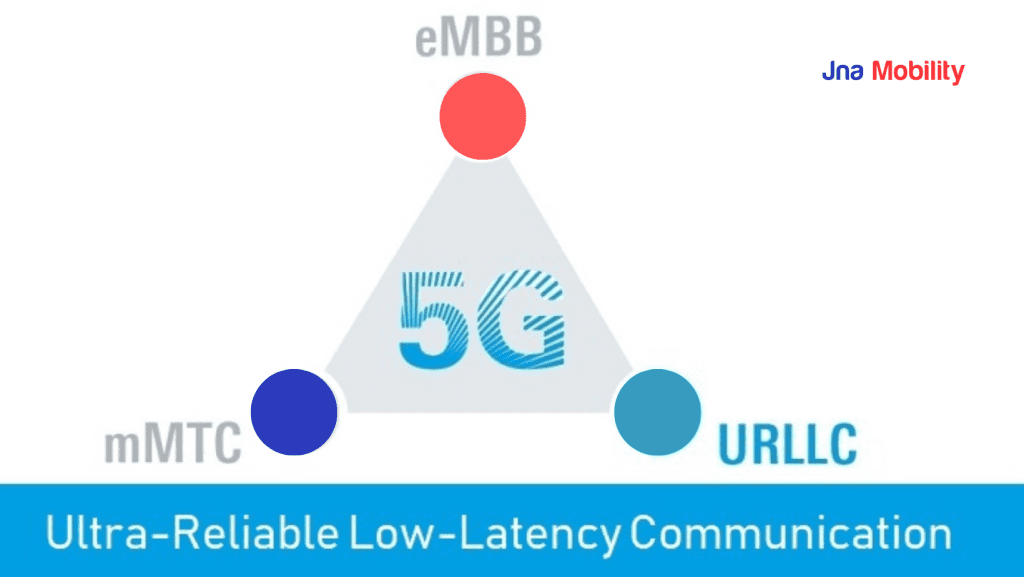
URLLC stands for Ultra-Reliable Low-Latency Communications. It refers to a set of features and mechanisms that allow data transmission with extremely low latency and very high reliability in 5G networks.

More specifically, URLLC aims to achieve:

Latency of 1 millisecond or lower for small data transmissions

Reliability of 99.999% for packet delivery

The “ultra-reliable” part ensures packets are delivered successfully within a specified time frame, even in challenging network conditions. The “low latency” aspect focuses on minimizing delay and lag for real-time applications.

Together, these capabilities enable mission-critical services that demand tight timing controls and very low packet loss rates. This includes uses like industrial automation, remote surgery, autonomous vehicles, and other applications where network performance impacts human safety or large financial costs.

So in summary, URLLC provides the speed, consistency, and precision required by systems that cannot tolerate data delays or interruptions. It expands 5G into specialized areas requiring fully deterministic connectivity.

Importance of Low Latency

Latency refers to the time it takes for data to get from one point to another in a network. While we typically think of throughput (bandwidth) as the most important metric for cellular networks, latency is equally critical for certain applications.

Specifically, ultra-reliable low latency communications (URLLC) refers to the ability to reliably transmit small packets of data with very low end-to-end latencies below 1ms. This level of latency is orders of magnitude faster than what 4G LTE networks can achieve today, which is typically around 10-20ms at best.

Achieving ultra low latency is essential for mission-critical applications where any delay or jitter can have significant real-world consequences. Key examples include:

Industrial Automation – In smart factories, autonomous machines and robots need to coordinate actions and respond to sensor data in near real-time. Even a few milliseconds of delay could lead to production slowdowns or equipment failures.

Transportation Systems – Self-driving vehicles rely on extremely fast sensor data transmission and response times to operate safely. Latency needs to be well below 100ms to allow for proper collision avoidance and smooth rides.

Remote Surgery – Doctors need to be able to control surgical robots and receive haptic feedback with minimal lag for precise procedures. Latency above 10ms could negatively impact surgical outcomes.

AR/VR – To avoid motion sickness and create immersive experiences, augmented and virtual reality systems require very low motion-to-photon latency below 20ms.

Cloud Gaming – Game streaming services must transmit inputs and render frames fast enough to satisfy gamers who expect highly responsive experiences. Latency above 50ms degrades gameplay significantly.

In summary, while we often think of mobile broadband as just enabling media streaming and web browsing, emerging applications demand so much more. Delivering an acceptable user experience means pushing latencies to unprecedented lows – into the single digit millisecond range. This is the central premise behind URLLC in 5G and beyond.

Use Cases for URLLC

URLLC enables several emerging technologies that require extremely reliable low latency connectivity. Some of the key use cases and applications include:

Self-Driving Cars

Self-driving cars need to make rapid driving decisions based on sensor data and communicate with other cars. A delay in data transmission can mean the difference between a smooth ride and an accident. URLLC provides the low latency vehicle-to-vehicle communication necessary for safe autonomous driving.

Industrial Automation

Smart factories with autonomous robots, real-time monitoring, and coordinated assembly lines require the ultra reliable low latency connections URLLC offers. Any lag or delay can lead to breakdowns in automated systems and disrupt the entire production process.

Remote Surgery

Remote robotic surgery allows expert surgeons to operate on patients thousands of miles away. This is made possible by URLLC networks that provide the real-time precise control needed despite the long distances involved. Even the slightest delay could prove catastrophic during complex surgical procedures.

Augmented Reality

Augmented reality overlays digital information and graphics onto the real world. To ensure the virtual and physical environments remain perfectly synchronized, AR platforms depend on URLLC’s high reliability and low latency performance. Any discrepancy can lead to poor user experiences.

5G Enabling URLLC

5G networks are designed to support the ultra-reliable and low latency communications required for URLLC services through several key capabilities:

Network Slicing

One of the most important 5G capabilities for URLLC is network slicing. This allows operators to create multiple virtual networks on top of a common physical infrastructure. For example, a separate network slice can be created just for URLLC traffic. The URLLC slice gets allocated a guaranteed portion of network resources to ensure the capacity, latency, reliability etc. needed for the URLLC use cases. The other slices are unaffected by the resource demands of the URLLC slice.

Edge Computing

5G networks push computing capabilities to the edge of the network, closer to where the users and devices are located. This significantly reduces latency as data does not need to travel all the way to the core network. For time-critical URLLC applications, edge computing is enabling real-time data processing and analytics.

Advanced Antenna Technologies

5G utilizes advanced antenna technologies like massive MIMO. This allows more users and devices to be served simultaneously through beamforming and spatial multiplexing techniques. For URLLC, massive MIMO provides better coverage and link reliability.

Network Analytics

5G networks provide real-time network analytics capabilities using technologies like machine learning. This allows efficient network monitoring and optimization for ensuring quality of service. Network conditions can be monitored proactively to identify and resolve any issues before they impact URLLC performance.

With these 5G capabilities, operators can offer URLLC services with the high reliability and low latency required by mission-critical applications and industrial use cases. The ultra-responsive connectivity of 5G is essential for enabling the real-time control and automation needed in domains like industrial IoT, autonomous vehicles, healthcare etc.

Technologies for Achieving URLLC

URLLC requires major improvements in latency compared to 4G networks. Here are some of the key technologies that allow 5G networks to achieve the 1ms latency target:

Advanced Modulation Schemes

5G uses advanced modulation schemes like 1024 QAM (quadrature amplitude modulation) and Pi/2 BPSK (binary phase shift keying) to encode more data in each waveform. This increases the data rate and reduces transmission time compared to 4G modulation schemes like 256 QAM.

Mini-Slots

5G introduces shorter transmission intervals called mini-slots that are as short as one OFDM (orthogonal frequency division multiplexing) symbol. Mini-slots reduce the wait time for uplink grants, enabling faster turnaround times.

Grant-Free Access

With grant-free access, devices do not have to request uplink grants from the base station before transmitting. This removes the grant request-grant-transmission steps, significantly reducing latency for uplink communication.

Together, these technologies allow 5G to overcome the limitations of 4G and meet the 1ms air interface latency target to enable new real-time applications with URLLC. Ongoing research aims to push air interface latency even lower through further enhancements and innovations.

Challenges for Implementing URLLC

Guaranteeing ultra-reliable low latency communication is challenging due to several factors. Here are some of the main challenges:

Guaranteeing reliability – URLLC requires extremely high reliability, with packet error rates up to 10^−5 or better. This is very difficult to achieve consistently, especially in dynamic wireless environments. Factors like signal interference, network congestion, and channel fading can easily disrupt reliability. Robust encoding, retransmission protocols, and network resource allocation techniques are needed.

Overcoming unfavorable channel conditions – Wireless channels can change rapidly, due to factors like user mobility, obstacles, weather, interference etc. These unpredictable channel variations make it hard to maintain the consistent ultra low latency required by URLLC. Advanced signal processing techniques like beamforming and diversity reception help overcome poor channel conditions.

Power limitations – URLLC mandates the ultra reliable delivery of small packets within a tight deadline. Achieving this high reliability requires transmitting signals with very high power. However, real-world devices have limits on transmit power, so operating within these power constraints poses challenges.

Scalability – URLLC networks need to provide deterministic latency guarantees even as the number of devices scales up. Ensuring consistent ultra low latency during episodes of high network load is difficult. Careful network planning and resource allocation is required for scalability.

Overcoming these challenges requires highly resilient system design across all layers of the network protocol stack. Guaranteeing URLLC performance criteria consistently at scale is an active area of wireless research and development.

URLLC Design Principles

URLLC requires design principles focused on achieving ultra-reliable low-latency communications. The key principles include:

Minimizing Latency

To achieve the 1ms latency target, URLLC requires minimizing delays throughout the network. This includes optimizing the radio interface to reduce transmission time through methods like mini-slot durations and pre-configured grants. The network architecture must also reduce processing delays and optimize routing. Edge computing helps bring applications closer to users to reduce latency.

Maximizing Reliability

URLLC demands 99.999% reliability for mission-critical use cases. To maximize reliability, URLLC uses techniques like ultra-lean transmission, diversity, and redundancy. Error correcting codes, dense deployments, and multi-connectivity provide redundancy across networks. Reaching users through multiple paths improves reliability.

Scalability

URLLC must support scalability for large numbers of devices with critical needs across wide geographic areas. Scalability requires sufficient network capacity and spectrum flexibility. Network slicing enables optimized support for URLLC traffic even as networks scale. Distributed architectures and edge computing also facilitate scalability.

URLLC vs eMBB

URLLC (Ultra-Reliable Low-Latency Communications) and eMBB (Enhanced Mobile Broadband) are two key 5G use cases with very different requirements. While eMBB focuses on delivering high data rates and bandwidth, URLLC prioritizes extremely low latency and ultra reliability.

The key differences between URLLC and eMBB include:

Latency – URLLC requires latencies under 1ms for mission-critical applications, while eMBB can tolerate latencies around 4-20ms.

Reliability – URLLC demands 99.999% reliability. eMBB can operate at 99% reliability.

Data rates – eMBB delivers multi-Gbps data rates. URLLC only requires rates up to ~250 Kbps.

Traffic – URLLC supports intermittent small data packets. eMBB handles continuous high throughput traffic flows.

Density – URLLC connections are sporadic with low device density. eMBB supports dense networks with many active users.

Jitter – URLLC requires precise timing and jitter under 1ms. eMBB can handle 10s of ms of jitter.

Use cases – URLLC enables mission-critical IoT apps like industrial control, autonomous vehicles. eMBB focuses on bandwidth-hungry apps like 4K video streaming.

While eMBB and URLLC have divergent requirements, 5G networks must support both use cases. Advanced techniques like network slicing and edge computing allow operators to deliver eMBB and URLLC over a common infrastructure.

The Future of URLLC

URLLC is an emerging technology that is still rapidly developing and evolving. As 5G matures and new use cases arise, the requirements for URLLC will likely continue to advance. Here are some insights into how URLLC may progress in the coming years:

Evolution of Use Cases and Requirements

Automotive: Autonomous vehicles will demand even lower latency and higher reliability. As vehicles communicate for cooperative driving, traffic management, and safety, sub-millisecond latency may become necessary.

Industrial Automation: As automation expands to new sectors like healthcare and logistics, flexible and adaptable URLLC will be required. Latency and reliability needs will increase as automation grows more advanced.

Augmented/Virtual Reality: These immersive technologies will require highly responsive networks so user experiences are seamless. Latencies below 5ms could become typical.

Smart Cities: Urban applications like traffic flow optimization and public safety will need latency down to 1ms and reliability up to 99.999%.

Financial Trading: High-frequency algorithmic trading demands latencies below 50μs. Reliability requirements will also increase to avoid losses.

As use cases evolve, latency targets could reach 100μs and reliability could approach “six nines” availability (99.9999%). This will put pressure on networks to advance URLLC capabilities.

6G Ambitions

The 6G era will look to take URLLC even further:

Latency below 1ms for general use cases, with specialized use cases targeting latencies below 100μs.

Reliability of 99.99999% and higher for mission-critical services.

Support for extremely dense deployments of Internet of Things devices that require URLLC.

Security and resilience built deeply into the architecture to protect URLLC use cases.

Intelligence integrated into the network to dynamically optimize for URLLC requirements.

Expanded use of higher frequency bands above 100GHz to deliver extreme data rates and capacity.

6G will likely make flexible, adaptable, and ultra-responsive connectivity nearly ubiquitous. it will be an essential enabler to make many emerging real-time applications possible.

Conclusion

URLLC is a unique 5G technology that enables ultra-reliable and low latency communications for mission-critical applications and services. It provides capabilities that were not possible with previous cellular generations. The importance of maintaining extremely low latency and very high reliability is paramount for use cases like industrial automation, remote surgery, autonomous vehicles and more. These revolutionary applications can transform various industries and potentially society as a whole.

However, there are still challenges to implementing it on a wide scale. Ensuring the end-to-end latency from the device to the edge application is very difficult. New network slicing techniques can guarantee quality of service, but deploying the required infrastructure is complex. There is also a need for advances in radio interface design, new waveforms and access protocols optimized for URLLC. Very sophisticated scheduling and edge computing techniques must work together to enable the desired reliability and extreme low latency.

An Introduction to URLLC Technology Read More »