The Impact of Poor Network Coverage on Data Consumption
In an age where staying connected is essential, poor network coverage can be a frustrating barrier to effective mobile usage. But did you know that inadequate network coverage not only affects connectivity but can also increase your data consumption? This issue can be especially concerning for users on limited data plans. In this post, we’ll explore how network coverage impacts data usage and discuss some tips for managing data in areas with poor signal strength.
Why Does Poor Network Coverage Lead to Higher Data Consumption?
When your device is in an area with poor network coverage, it may struggle to maintain a stable connection. This instability can lead to several issues, including:
- Automatic Reconnection Attempts: When signal strength is low, your device will constantly attempt to reconnect to the network. These repeated attempts use small amounts of data each time, leading to cumulative consumption over time.
- Higher Energy Use in Background Apps: Poor signal quality can make background apps work harder to stay connected. Apps like email, messaging, and social media that refresh frequently may consume more data in a weak network area as they attempt to maintain consistent updates.
- Data-Rich Activities Suffer: Certain data-heavy activities, like streaming or video calling, require stable connections to function effectively. With a poor network, your device may increase data use as it tries to compensate for lower speeds and frequent interruptions, creating a cycle of increased consumption.
To explore how different networks handle data in areas with poor coverage, take a look at our detailed comparison of network coverage across cell service providers.
The Role of Cell Towers in Network Quality
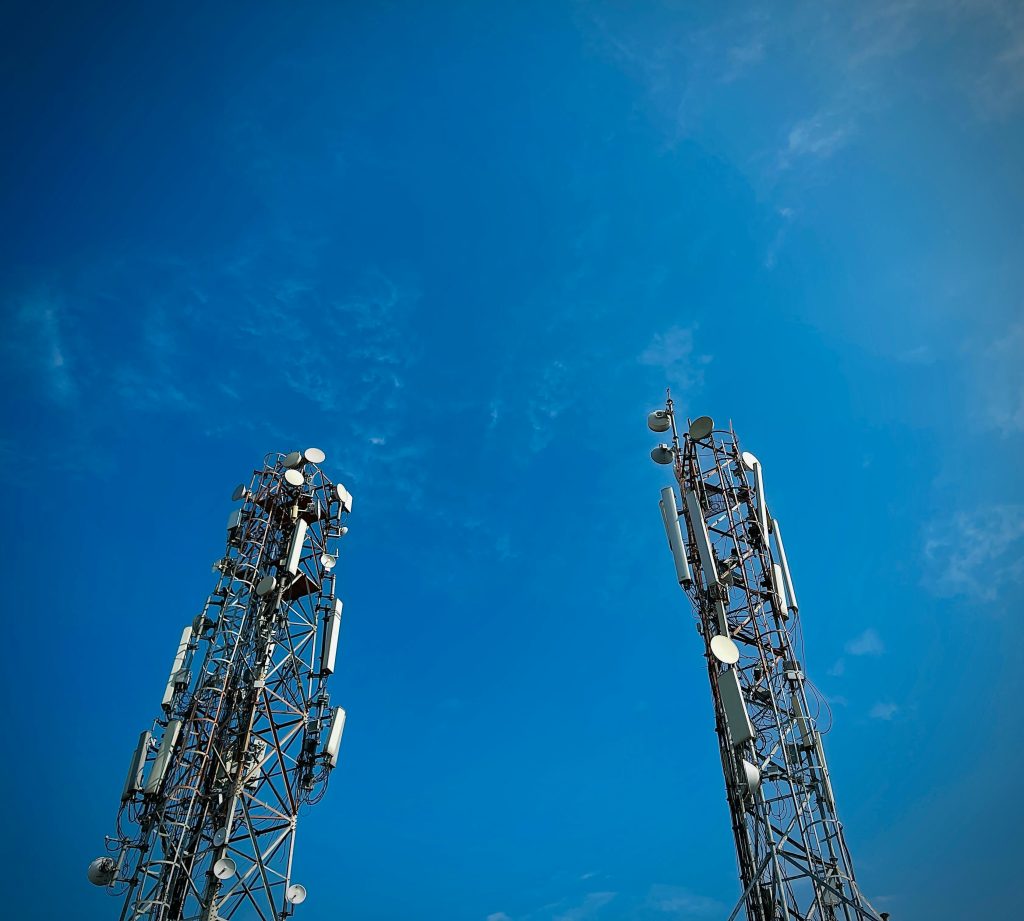
Cell towers are essential to a network’s coverage quality. The farther you are from a cell tower, the more likely you are to experience weak signals, which can directly impact data consumption.
In densely populated areas, cell towers are more common, resulting in generally stronger signals and lower data consumption rates. In contrast, rural or remote areas often have fewer towers, leading to weak signals and higher data consumption as your device works harder to maintain a connection. To learn more about how these towers work, check out our resource on the role of cell towers in network coverage quality.
Data-Heavy Scenarios Affected by Poor Network Coverage
Certain situations lead to increased data usage when network coverage is weak. Here are some common activities where this issue is most noticeable:
1. Video Streaming and Calls
Streaming video on platforms like YouTube, Netflix, or even during a video call, is one of the most data-intensive activities. In areas with poor signal, your device may continuously buffer and reload the video, ultimately consuming more data than usual. Opting for a lower resolution when streaming can be an effective way to save data in such situations.
2. Social Media Browsing and Background Updates
Social media apps frequently run in the background to keep you updated on the latest posts, messages, and notifications. When network coverage is poor, these apps may struggle to update, leading to multiple reconnection attempts that increase data use.
3. GPS and Map Services
Navigation apps like Google Maps rely on strong, consistent data connections. In areas with low coverage, maps may take longer to load and constantly refresh, leading to higher data consumption. Having offline maps downloaded can help save data while still providing access to essential navigation.
For those frequently on the move or exploring rural areas, choosing a plan with broad network coverage can help minimize these issues. Visit our overview of different cell service plans to find options tailored to your needs.
Tips for Reducing Data Consumption in Low Coverage Areas
Even with poor network coverage, there are ways to manage your data use effectively. Here are a few tips:
Limit Background Data Usage
Many apps use data in the background, even when you’re not actively using them. Adjust your device settings to restrict background data usage for apps you don’t need to refresh constantly. This can be particularly useful for social media and email applications, which tend to consume data regularly.
Opt for Offline Features
When possible, use offline features offered by apps. Many streaming services allow you to download content for offline viewing, and navigation apps often let you download maps for specific areas. These offline options prevent your device from consuming extra data due to reconnection attempts in low-coverage areas.
Switch to Wi-Fi When Available
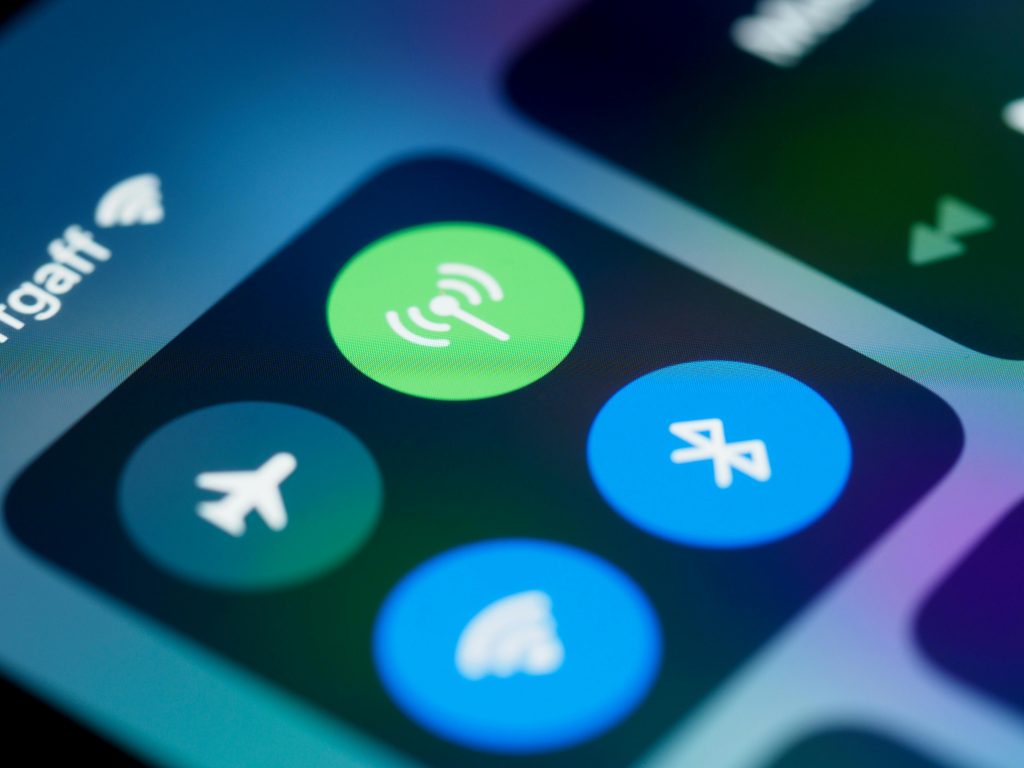
Connecting to a reliable Wi-Fi network is one of the simplest ways to save data. Whether at home, work, or a local cafe, Wi-Fi can offer more consistent coverage than cellular networks, especially in areas where cell towers may be sparse.
Use a Data Monitor
Data-monitoring apps can track your usage and alert you when you’re reaching your limits. These tools are particularly helpful if you’re managing a limited data plan or have multiple devices connected to one account. Monitoring your usage can help you identify patterns and adjust behaviors accordingly.
Adjust Streaming Quality
Most streaming services let you adjust the quality of videos or audio. Choosing a lower quality setting, especially when you’re in an area with weak coverage, can save data and make streaming smoother.
Exploring Network Options to Improve Data Efficiency
Different providers offer different levels of coverage depending on the area. If poor coverage is a frequent issue, it may be worth exploring a provider with better network performance in your area. Learn more about what each provider offers in terms of network reach by visiting our guide on comparing network coverage.
Additionally, upgrading to a plan with stronger network support in your area may help reduce data consumption issues.
Conclusion: Managing Data in Areas with Poor Network Coverage
While poor network coverage can be a frustrating experience, knowing how to manage your data usage can help you stay connected without breaking the bank. By taking proactive steps, such as limiting background data, using offline features, and monitoring your data usage, you can make the most out of your data plan even in low-signal areas.
With the right provider and plan, you can also minimize data overuse caused by weak signals. Check out our recommendations for cell service plans that suit your data needs and enjoy better coverage for all your mobile activities.
The Impact of Poor Network Coverage on Data Consumption Read More »