JNA Mobility

Prepaid Phone Plans

Contract vs. No-Contract Phone Plans

Contract vs. No-Contract Phone Plans: Which One Is Right for You?

Finding the perfect phone plan can be tricky — especially with so many options competing for your attention. One of the biggest choices most people face is whether to sign a contract phone plan or go for the no-contract (prepaid) route.

Both options have their advantages, depending on your budget, lifestyle, and how often you like upgrading your phone. Let’s explore what sets them apart and how to decide which plan makes the most sense for you.


Why the Choice Matters

Your smartphone is more than just a gadget — it’s how you work, connect, and unwind. With that in mind, the right mobile plan should fit your needs, not complicate them.

The rise of 5G networks and the growing competition between carriers have made it easier to find better deals, but it’s also made the decision more confusing. That’s why understanding the difference between contract and no-contract plans can help you save money and avoid unwanted commitments.

If you’re still exploring your options, check out all the available mobile phone plans here to see what’s out there.


What Exactly Is a Contract Phone Plan?

A contract plan is a traditional mobile agreement where you commit to a carrier for a set period — usually 12 to 24 months. In return, you may receive benefits like:

  • A discounted or financed smartphone
  • Bundled features (such as streaming subscriptions or hotspot data)
  • Predictable monthly payments

The tradeoff? You’ll often face penalties or early termination fees if you decide to cancel before the contract ends. Still, many people prefer the consistency and convenience these plans offer.


The Appeal of No-Contract Plans

If flexibility is your priority, no-contract (prepaid) plans might be your best bet. You pay upfront for your talk, text, and data — and once your cycle ends, you can renew, switch, or cancel anytime without fees.

The main perks include:

  • Total freedom to change carriers whenever you want
  • No credit checks or long-term commitments
  • Typically lower monthly costs for moderate or light users

Curious which type fits your lifestyle better? Take a look at prepaid vs. postpaid plans and which one is right for you for a deeper comparison.


Breaking Down the Costs

Price is usually the deciding factor when choosing a mobile plan.

  • Contract Plans: Often have higher monthly rates but include phone financing. Perfect if you want the latest iPhone or Samsung device without paying the full price upfront.
  • No-Contract Plans: Usually cheaper per month, but you’ll need to bring your own phone or buy one outright. Great for anyone who wants to stay budget-friendly.

If you only use your phone occasionally, you might save a lot by checking out the cheapest cell phone plans for light users — these no-contract plans can seriously cut down your monthly expenses.


How 5G Affects the Decision

With 5G networks now widely available, speed and data priority play a big role in choosing a plan.

Most contract plans offer premium access to 5G speeds and higher data caps, while prepaid plans may throttle speeds once you hit your data limit. That doesn’t mean prepaid isn’t worth it — it just depends on how much data you actually use.

To see how 5G is reshaping the way we connect, check out how new phone plans are changing connectivity.


Who Should Go for a Contract Plan

A contract plan is ideal for you if:

  • You want the latest flagship smartphone without paying the full cost upfront
  • You rely on unlimited data and consistent performance
  • You like the extras — like streaming bundles, hotspot data, or device insurance

Who Should Choose a No-Contract Plan

No-contract plans are best suited for people who:

  • Prefer flexibility over long-term commitment
  • Already own an unlocked phone
  • Want to test different carriers before settling on one

A Third Option: The Hybrid Plan

Carriers are beginning to offer hybrid plans, which blend the flexibility of prepaid with the perks of contracts. These month-to-month postpaid options often include device financing without locking you into a long-term deal.

This approach appeals to users who want affordable pricing without sacrificing quality — especially young professionals and families who value control over their budget.


Tips for Choosing the Right Plan

  1. Know your usage habits – Check how much data, talk, and text you use monthly.
  2. Consider your upgrade cycle – If you change phones often, contracts might make sense.
  3. Review coverage – Always look at coverage maps; a cheap plan isn’t worth it if your signal is weak.
  4. Check for hidden charges – Watch for cancellation fees or data throttling limits.

Final Thoughts

At the end of the day, there’s no single “best” choice between contract and no-contract phone plans — it all depends on your priorities.

If you value consistency, perks, and device upgrades, a contract plan will likely suit you. But if freedom, savings, and flexibility matter more, a no-contract plan is the smarter move.

Want to compare both options side by side? Start exploring the latest mobile phone plans available today and find the one that fits your needs perfectly.

Contract vs. No-Contract Phone Plans: Which One Is Right for You? Read More »

Phone Bill Reduction

Phone Bill Reduction Tips That Really Work

Anyone who owns a smartphone knows that phone bills can get expensive quickly. With data overage charges, financing for new devices, and extra features like hotspot access, it’s easy for your wireless phone bill to creep up well over $100 per month. 

While staying connected is important, there are ways to reduce your phone expenses without totally sacrificing call quality, data speeds, or features. With a few tricks, you can slim down that monthly bill while still enjoying a modern, connected device.

Read on for 5 tips that can lower your phone bill dramatically while maintaining a high quality experience. With some creative adjustments, you can stay connected on a budget.

Review Your Data Usage

The first step to lowering your phone bill is to review your monthly data usage. Most carriers provide tools to track your data consumption through your online account or mobile app. Spend some time analyzing your past bills to see when and how you use data throughout an average month. 

Look for any obvious areas where you may be able to cut back. For example, are you streaming high definition videos when standard definition would suffice? Are apps set to refresh more often than necessary? Identifying where you can scale back high bandwidth activities can help avoid costly overage charges.  

Consider setting data limits or disabling background data for certain apps. You may also want to switch off cellular data when connected to WiFi. Being more mindful about when you use data vs WiFi can help optimize your usage.

Monitoring your data on an ongoing basis provides visibility into your consumption patterns so you can make adjustments as needed. With some diligence, you can determine where cutbacks make sense without sacrificing quality.

Downgrade Your Plan

When reviewing your cell phone bill, take a close look at your current plan. Do you really need unlimited data or can you get by with a smaller data allowance? Are you still paying for extra lines that you no longer need? Carriers often provide discounts for bundling plans and the more lines you have, the higher your bill will be. 

Consider downgrading to a cheaper plan with fewer included devices, lower data limits, or dropping extra features you don’t really need. For example, switch to a prepaid plan which allows you to pay upfront each month rather than being locked into a long contract. Prepaid plans tend to be cheaper with no activation fees. You can also save money by changing from an unlimited data plan to one with a set data cap per month. Identify an amount that works for your usage needs.

Don’t be afraid to call your carrier and negotiate. Tell them you are considering switching to a cheaper provider and see if they can offer you a better rate. They may be willing to move you to a discounted loyalty plan not available to the general public. Review your plan every 6 months or when your contract is up to ensure you are still getting the best value. As your needs change, your cell phone plan should evolve as well.

Use WiFi Calling & Texting

One easy way to cut down on cellular minutes and text messages is to use WiFi calling and WiFi texting features when available. Most modern smartphones have built-in support for WiFi calling and texting, allowing you to route calls and texts over WiFi internet connections rather than cellular networks. 

To enable WiFi calling on an iPhone, go to Settings > Phone > Wi-Fi Calling and toggle it on. You can also enable it by contacting your carrier. For Android phones, go to Settings > Network & Internet > WiFi Calling and turn it on. 

When WiFi calling is enabled, any calls or texts made while connected to a WiFi network will use WiFi rather than cellular minutes. This can lead to substantial savings, especially if you are frequently around WiFi at home or work.

Some third party apps like Google Voice also allow WiFi calling and texting. With the Google Voice app, you can place calls and send texts over WiFi without using cellular networks.

By taking advantage of WiFi calling and texting features, you can easily reduce your reliance on cellular networks and potentially lower your phone bill each month. Just be sure to connect to safe and trusted WiFi networks when using these features.

Negotiate With Your Carrier

Negotiating with your current wireless carrier is one of the most effective ways to lower your monthly phone bill without switching providers. Here are some tips for getting a better deal:

Mention competitors’ offers – Do some research on what other carriers are offering for new customers, including promotional prices. Then call your provider and explain you’re considering switching due to a better deal elsewhere. They’ll often match or beat the competitor’s pricing to keep your business.

Ask about bundling – See if bundling your wireless plan with other services like home internet or TV can lower your overall costs. Most carriers offer discounts for bundling multiple products.

Inquire about loyalty discounts – If you’ve been with the same carrier for a while, ask about any loyalty discounts for long-time customers. Mention how much you’ve paid them over the years to negotiate a break on monthly fees.

Threaten to cancel – Be prepared to follow through, but threatening to switch carriers can sometimes get you special retention offers. However, use this sparingly so it doesn’t lose effectiveness.

Buy your own phone – Carriers often subsidize new phone purchases by charging higher monthly fees. If you buy an unlocked phone upfront, you avoid these extra costs.

The key is demonstrating you’re a valuable customer they don’t want to lose. Polite persistence pays off when trying to get lower rates. Know your usage needs and bottom line, and negotiate firmly but fairly. With some proactive bargaining, you can maintain service quality without overpaying.

Explore Alternative Carriers

If you’re willing to make a bigger change and switch carriers completely, you may be able to find much lower rates on alternative carriers. The major national carriers like AT&T, Verizon, T-Mobile and Sprint tend to charge higher prices, while smaller regional and discount carriers can offer significant savings.

Some alternative carriers to consider include:

Metro by T-Mobile – Metro offers prepaid plans with unlimited talk & text and data options from 2-10GB per month. Plans start at $30/month for 2GB data. Metro uses T-Mobile’s network.

Cricket Wireless – Cricket offers prepaid plans on AT&T’s network with unlimited talk & text and data options from 2-15GB per month. Plans start at $30/month for 2GB data.

Mint Mobile – Mint sells prepaid plans in 3, 6 or 12 month packages. Get unlimited talk & text and data options from 4-12GB per month. Plans start at $15/month for 4GB (on T-Mobile’s network).

Visible – Visible offers unlimited talk, text and data for $40/month on Verizon’s 4G LTE network. Taxes and fees included. Requires joining a Party Pay group.

Boost Mobile – Boost has prepaid plans with unlimited talk & text and data options from 1-35GB per month. Plans start at $10/month for 1GB of data on T-Mobile’s network.

Keep Connected With Nationwide 5G Coverage

Everyone streams, browses, texts differently. Get only what you need by choosing between By the Gig and Unlimited data.

The key pros of switching to an alternative carrier are saving money on your cell phone service and no contracts. The main cons are having less extensive cellular network coverage than major national carriers in rural areas. Be sure to check coverage maps before switching. But if you live in an urban area, an alternative carrier can be a great money saver.

Phone Bill Reduction Tips That Really Work Read More »

prepaid and postpaid

What’s New in Prepaid and Postpaid Plans This Year

2025 is shaping up to be one of the most exciting years in mobile history. With 5G in full swing, eSIM adoption booming, and smaller carriers entering the game with powerful offerings, both prepaid and postpaid mobile plans are evolving fast.

Whether you’re looking to save money, get more perks, or just understand what’s out there, this roundup breaks down everything you need to know.


Prepaid Plans – What’s Changing?

Flexible Plans With More Data at Lower Prices

Gone are the days when prepaid meant bare-bones. Today’s prepaid plans offer impressive data allotments, unlimited talk and text, and even streaming bonuses—all for a fraction of what you’d pay on a postpaid line.

The Rise of 5G in Prepaid

5G is no longer reserved for top-tier postpaid users. Many prepaid plans now include 5G at no extra cost, giving users blazing-fast speeds and low latency.

New Features Like Hotspot and Streaming Perks

Some prepaid plans now offer mobile hotspot, free streaming subscriptions, and even international calling, making them highly competitive with traditional postpaid options.


The Pros and Cons of Modern Prepaid Plans

How Prepaid Plans Have Become More Competitive

Prepaid plans have closed the gap with postpaid in terms of coverage, speed, and features. They’re perfect for budget-conscious users or those who prefer not to be tied down by contracts.

Check Out the Latest Pros and Cons of Prepaid Plans

Learn about the latest updates, advantages, and possible trade-offs of going prepaid in 2025.


Postpaid Plans – The 2025 Upgrades

Data Rollover, Premium Add-Ons, and Unlimited Everything

Postpaid providers are stacking on the perks. You can expect data rollover, exclusive bundles, and VIP-level customer service when you go postpaid.

Advanced Family and Multi-Line Features

In 2025, family plans are smarter. You can manage multiple lines, share data pools, and control screen time—all from your app.

New Perks Like Cloud Storage, Streaming Bundles, and Roaming Enhancements

Postpaid users are now enjoying free cloud storage, Netflix/HBO bundles, global roaming upgrades, and even device protection add-ons.


Comparing Prepaid vs Postpaid in 2025

Who Should Go Prepaid?

Prepaid is perfect if:

  • You don’t want a long-term contract
  • You’re on a strict budget
  • You prefer paying upfront

When Is Postpaid the Better Option?

Postpaid is ideal if:

  • You need premium support
  • You’re managing multiple lines
  • You travel frequently and want global perks

A Full Comparison of Prepaid vs Postpaid SIM Cards

Still unsure? This guide breaks down every detail between prepaid and postpaid so you can make the right call.


Smaller Carriers Making Big Waves

Affordable Plans with Premium Features

Smaller carriers are catching up—and even outperforming big names—with cheaper rates and innovative features.

Explore Postpaid Options from Smaller Carriers

Discover how these underdog carriers are offering postpaid plans with better value and flexibility than some of the giants.


The Influence of 5G on Mobile Plans

Better Speeds Without the Premium Price Tag

5G is transforming both prepaid and postpaid experiences. Expect seamless video calls, fast downloads, and smoother gaming even on lower-tier plans.

How 5G Impacts Prepaid and Postpaid Users Differently

While both get access, postpaid users might still enjoy faster priority speeds, especially in congested areas. Prepaid users still win big with free access, though!


eSIM Integration and What It Means for You

Ditch the Physical SIM – Convenience Is Key

eSIMs let you switch between carriers and plans instantly, without changing SIM cards. Perfect for travelers, dual SIM users, and tech-savvy folks.

How It Simplifies Switching Plans or Carriers

Want to test a prepaid plan for a month? Done. Need a work number separate from your main line? No problem. eSIM makes it all easy.


Future Trends in Postpaid Plans

AI-Powered Plan Adjustments and Smart Usage Tracking

Some providers are introducing AI-driven tools that monitor your usage and suggest plan adjustments automatically—maximizing value.

Explore the Future of Postpaid Plans

Get a deeper dive into where postpaid plans are heading, from personalized billing to predictive customer service.


Which Plan Type Is Best for You in 2025?

Matching Plans to Usage Patterns and Lifestyles

Ask yourself:

  • Do I stream a lot?
  • Do I travel often?
  • Am I paying for things I don’t use?

Your answers will help you determine whether prepaid or postpaid is your best bet.

Tools to Help You Decide

Use plan comparison tools and customer reviews to make smarter choices. Look beyond price—focus on value, flexibility, and support.


Final Thoughts

2025 is redefining how we view mobile plans. Whether you’re team prepaid or postpaid, there’s never been a better time to re-evaluate your mobile service and switch to something smarter. With better coverage, cheaper data, and advanced features across the board, today’s mobile plans are more user-centric and affordable than ever before.

What’s New in Prepaid and Postpaid Plans This Year Read More »

Prepaid Phone Plans

Understanding Prepaid Phone Plans: A Complete Guide

Prepaid phone plans are becoming increasingly popular as budget-friendly and flexible alternatives to traditional contracts. Whether you’re looking for a low-cost option, more control over your spending, or nationwide coverage, prepaid plans offer a hassle-free mobile experience.

In this guide, we’ll explore what prepaid phone plans are, their benefits, how to choose the right one, and what to look for in a reliable mobile network.


1. What is a Prepaid Phone Plan?

A prepaid phone plan allows you to pay upfront for a set amount of data, talk, and text without committing to a long-term contract. Once your balance runs out, you can refill or switch plans based on your needs.

No Credit Checks – Anyone can sign up without worrying about credit scores.
No Contracts – You’re not locked into long-term commitments.
Budget-Friendly – Pay only for what you need each month.

💡 Looking for the best prepaid options? Explore top Prepaid Phone Plans for flexible and affordable choices.


2. Benefits of Prepaid Phone Plans

A. Cost-Effective & No Hidden Fees

✔ Avoid surprise charges or overage fees.
✔ Set your budget and never overpay for unused services.

B. Flexibility to Switch Plans Anytime

✔ Upgrade or downgrade based on your monthly needs.
✔ Easily change providers without cancellation fees.

C. Reliable Nationwide Coverage

✔ Many prepaid plans use the same networks as major carriers, ensuring strong coverage.
✔ Offers great service in both urban and rural areas.

💡 Need reliable coverage? Check out JNA Mobility’s Network to see available coverage options.


3. How to Choose the Best Prepaid Phone Plan

Assess Your Data Needs – Do you stream, browse, or just text and call?
Check Network Coverage – Ensure the carrier provides strong coverage in your area.
Compare Pricing & Features – Look for unlimited plans, hotspot options, and international calling.


4. Who Should Consider a Prepaid Phone Plan?

Students & Budget-Conscious Users – Save money while staying connected.
Frequent Travelers – No roaming charges and the flexibility to switch networks.
Parents Buying Phones for Kids – Control spending and avoid unexpected charges.


Final Thoughts: Is a Prepaid Phone Plan Right for You?

If you want affordable, flexible, and contract-free mobile service, a prepaid phone plan is a smart choice. With nationwide coverage, budget-friendly pricing, and customizable plans, it’s easier than ever to stay connected without breaking the bank.

Understanding Prepaid Phone Plans: A Complete Guide Read More »

best mobile plans

Data Delivered: Choosing the Best Mobile Plan for Your Connectivity Needs

Choosing the best mobile plan can be a challenging task with more than enough options available. However, with the right information, you can make an informed decision that meets your connectivity needs without breaking the bank. Ever since we transitioned to a more digitally-driven world, a reliable mobile plan is essential in staying connected, whether it’s for work, socializing, or accessing vital information on the go.

What key factors should be considered when selecting the best mobile plan for you?

Assess Your Usage Patterns

Before delving into a list of mobile plans, consider first your usage patterns. Think about how much data, talk time, and text messaging you typically use each month. Do you frequently stream music and movies on your phone and use a lot of data, or do you just use your phone for texting and phone calls? You can select a plan that best suits your needs by reducing the number of options available to you by being aware of your usage patterns.

Evaluate Coverage and Network Quality

When choosing a cell plan, coverage and network quality should be a major consideration. What use is a plan, if you can’t get dependable service where you live? Make sure that the carriers provide strong coverage in your location by looking into their coverage maps and network performance. To locate a carrier that satisfies your connectivity requirements, take into account variables like signal strength, data rates, and network dependability.

Consider Data Limits and Speeds

Mobile plans differ greatly in terms of data speeds and limits, so it’s critical to pick one that provides sufficient data for your usage patterns. Choose a plan with a limitless data options or large data allowances if you use a lot of data. Additionally, be mindful of data speeds, since several plans reduce its usage when you reach a predetermined level.

Explore Plan Options and Pricing

After determining your usage habits and coverage requirements, compare the prices and plan alternatives provided by various providers. To get the best deal for your money, compare features like data allotment, voice and text restrictions, international roaming, and add-on services. Remember to take into account any incentives, discounts, or promotions that carriers might be providing to brand-new clients.

Consider Contract vs. No-contract Plans

When selecting the best mobile plans, think about whether you prefer to have a contract or not. Contract plans often include discounted gadget prices, but they may also include long-term obligations and early termination costs. No-contract plans, on the other hand, provides more flexibility and freedom to upgrade devices or move carriers without incurring fines. Select the one that most closely matches your spending limit and tastes.

Lastly Read Reviews and Seek Recommendations

Before selecting a cell plan, spend some time reading reviews and consulting with friends, family, and online groups. Find out about other people’s experiences with different plans and providers will help you in making a decision with an informative information.

In conclusion, it’s important to carefully analyze your usage habits, coverage requirements, data restrictions, contract preferences, and pricing when selecting the ideal mobile plan. You can choose a plan that provides the connection you require at a cost that suits your budget by carefully evaluating these variables and carrying out extensive research. You can stay connected no matter where life takes you as long as you have the appropriate mobile plan.

Data Delivered: Choosing the Best Mobile Plan for Your Connectivity Needs Read More »

The Pros and Cons of Prepaid Phone Plans

Prepaid Phone Plans : The Pros and Cons

Prepaid phone plans have grown in popularity in recent years, offering consumers an alternative way to pay for mobile service. Unlike traditional postpaid plans where you get a monthly bill after the service month, prepaid plans allow you to pay upfront for service. You purchase a set amount of minutes, texts, and data that you can use for the month.

According to Consumer Reports, around 15-20% of U.S. wireless subscribers are now on prepaid plans. This represents significant growth, as less than 6% of consumers were on prepaid plans back in 2008. The prepaid market used to be dominated by lower income consumers, but prepaid plans now appeal to a broader demographic.

With no long-term contracts or credit checks, prepaid can provide flexibility and affordability. However, there are some limitations to be aware of. Prepaid plans typically provide less data and coverage than major postpaid carriers. This article will explore the pros and cons of prepaid wireless and whether it might be a good option for certain consumers.

How Prepaid Plans Work

Prepaid cell phone plans, sometimes referred to as pay as you go plans, work differently than traditional postpaid plans. With a prepaid plan, you pay for your service upfront by purchasing a set amount of minutes, texts, and data that you can use for the month.

Unlike postpaid plans, prepaid plans do not require signing a long-term service contract. There is no monthly bill. You simply pay ahead of time for the service you want. When your prepaid minutes, texts, or data allotment starts getting low for the month, you can re-up by purchasing more.

The key differences between prepaid and postpaid plans:

Prepaid – Pay ahead for service, no contract, pay-as-you-go

Postpaid – Monthly bill, long-term contract, pay after using service

With prepaid plans, unused allotments expire at the end of each month. However, some carriers allow rollover minutes or data to the next month. There are also options to add extra minutes, texts, or data as needed if you exceed your monthly allotment.

Pros of Prepaid Plans

Prepaid phone plans offer several advantages compared to traditional postpaid plans:

No long-term commitments: With prepaid, you aren’t locked into a lengthy service contract. You can cancel anytime without early termination fees. This flexibility is ideal if you might change carriers soon.

Easy to budget: Prepaid plans provide cost certainty since your bill is the same each month. You pay upfront for service, so there are no surprise overage charges. This makes it easy to control your spending.

No credit checks: Prepaid carriers typically don’t run credit checks before activating service. As long as you have the money to cover your plan, you can get approved regardless of credit history.

Lower monthly costs for light users: For people who don’t require unlimited data or minutes, prepaid can be significantly cheaper than postpaid. Many prepaid plans start around $30/month for talk, text, and some data. Going prepaid can cut your cell phone bill in half if you’re a light user.

Cons of Prepaid Plans

Prepaid cell phone plans require you to pay upfront for service. Any unused data or minutes at the end of your service period are lost, unlike with postpaid plans that roll over unused allotments month-to-month.

Other potential drawbacks of prepaid plans include:

Limited financing options for new phones – Most prepaid carriers don’t offer installment plans or subsidies on devices. You’ll typically need to pay full price upfront.

Fewer plan perks – Prepaid services tend to offer less additional features and benefits than postpaid. For example, you may not get free streaming services, international roaming options, or advanced mobile hotspot allowances.

Limited network priority – Some major carriers “deprioritize” prepaid customers at times of network congestion, meaning postpaid users get higher speeds and reliability. This is more noticeable in crowded areas.

No bundling discounts – You can’t bundle prepaid plans with other services like home internet to get a discount. Postpaid accounts often qualify for bundled savings.

Restricted switching – It may be tougher to switch between prepaid carriers since you’ve already pre-purchased service. Postpaid plans are month-to-month with prorated early termination fees.

While prepaid saves money month-to-month, it does lack some perks and flexibility compared to postpaid. Evaluate your usage needs and priorities to determine if the tradeoffs are worthwhile for your situation.

Also, Read : Top Tips for Boosting Your Cell Phone Signal Strength

Ideal User for Prepaid

Prepaid phone plans are ideal for certain types of users who may not need or want a traditional postpaid plan. Here are some of the key users that prepaid plans cater to:

Light Data Users

If you don’t use much data each month, a prepaid plan with a data allowance of just a few GB may suit your needs. Prepaid plans are great for light data users who primarily use their phone for basic tasks like calling, texting, emailing, light web browsing and using a few apps. If you stick to WiFi most of the time, a prepaid plan can help you save money.

Budget Conscious Consumers

One of the biggest perks of prepaid plans is how affordable they can be, especially compared to postpaid. Prepaid helps budget-focused users get talk, text and some data each month at a reasonable price. Most prepaid plans range from $25-$50 per month, making it easy to control your wireless spending.

Those with Poor/No Credit

Since prepaid plans don’t require a credit check, they provide an option for those who may not qualify for postpaid due to poor credit or no credit history. Prepaid plans are accessible as long as you can pay each month upfront.

Short-Term Users

If you only need a phone plan for a short period of time, like a few months, prepaid can be ideal. It provides flexibility since there’s no long-term contract. Prepaid suits short-term needs like studying abroad for a semester, working a summer internship in a new city or any other temporary situation requiring a phone plan.

Phone Options

When signing up for a prepaid wireless plan, you have a few options for getting a phone.

The major benefit of prepaid plans is that most unlocked phones are compatible with prepaid SIM cards. That means you can often bring your own existing device to a new prepaid carrier, as long as the phone supports the necessary network technology like 4G LTE. This gives you more flexibility if you already own a phone and want to switch to prepaid.

However, some prepaid carriers like Cricket Wireless require you to purchase one of their phones. In this case your options are more limited versus bringing your own device. Prepaid carriers that sell phones directly typically offer cheaper, more basic models to fit their budget-focused audience. High-end flagship phones are rarely offered.

One downside of prepaid is that phone financing options are very limited. Most prepaid carriers do not offer installment plans or financing. Instead you need to pay for the phone outright upfront. This can be hundreds of dollars more expensive compared to financing a phone through a postpaid plan. 

So in summary, with prepaid you have the advantage of bringing your own phone, but financing options are limited. You’ll likely need to pay full price upfront for any new device, which can limit your selection. But buying an unlocked phone gives you flexibility to switch carriers anytime.

Differences in Data Plans

Prepaid carriers offer a range of data plans to choose from. Here are some key differences to consider:

Data allotments and rollover options – Most prepaid plans include a set amount of high-speed data each month, typically ranging from 1GB to unlimited. Some carriers like Cricket Wireless allow unused data to rollover to the next month. Others like Metro by T-Mobile do not roll over unused data.

Throttling practices – Once you hit your high-speed data limit, most prepaid carriers will throttle your speeds. This means your data becomes extremely slow and limited. Some carriers throttle speeds more severely than others. Make sure to check a carrier’s throttling policy.

Overage charges – If you exceed your monthly high-speed data allotment, you’ll face overage charges with some prepaid carriers. For example, Cricket charges $10 per extra GB used. Other prepaid services like Mint Mobile do not charge overages – they simply throttle speeds.

So it’s important to select a data allotment that matches your usage needs. Pay close attention to differences in rollover allowances, throttling policies, and overage fees across prepaid carriers. This can help you avoid getting hit with unexpected slow speeds or charges. Carefully evaluating data plans is key to finding the best prepaid service.

Other Considerations

When choosing a prepaid carrier, there are a few other factors to take into account beyond just the basics of the plans.

Plan Add-Ons

Most prepaid carriers offer various add-ons that can enhance your plan for an additional monthly fee. For example, you may be able to add unlimited international calling, mobile hotspot data, or HD streaming. Evaluate whether any of these add-ons are worth paying extra for based on how you use your phone.

Customer Service

Make sure to research the customer service reputation of any prepaid carrier you’re considering. Some carriers may have better response times and support options than others. Issues like account management, billing, and network problems are often handled through customer service, so you want to pick a carrier that provides good support.

Coverage Areas

Prepaid carriers have a range of coverage footprints, from nationwide to regional or local. Make sure to check the coverage map for your area before choosing a carrier. Even some of the major prepaid carriers have gaps in rural areas. You don’t want to be stuck with unreliable service. Look into whether the carrier has roaming agreements to expand coverage.

Making the Switch

Switching to a prepaid carrier can take some planning, but isn’t too difficult if you follow the right steps. Here are some things to consider when making the move to prepaid:

Unlocking Your Phone

If you currently have a phone tied to your carrier’s network, you’ll need to request that it be unlocked before switching. This allows you to use it with any compatible network. Contact your carrier to begin the unlocking process, which typically takes 1-3 business days. Just be aware that some carriers may charge an unlocking fee.

Porting Your Number

You’ll want to keep your current phone number when changing carriers. This process is known as porting your number. To do this, first request your account number and port out PIN from your current carrier. Then contact your new prepaid provider and give them this information to transfer your number to their network. The whole process is usually quick, taking under 24 hours.

Activating Your Prepaid Service

Once your phone is unlocked and number ported, you can activate your new prepaid plan. This may require purchasing a SIM card or eSIM from the prepaid carrier and installing it in your phone. Be sure to have your account information handy. After activation, your phone will begin working on the new prepaid network right away. You may need to update your phone’s APN settings for optimal performance.

The switching process may seem daunting, but many prepaid carriers have dedicated porting and activation teams to help. Taking the time to properly set up your prepaid service will make for a smooth transition without any lapses in connectivity.

Prepaid Phone Plans : The Pros and Cons Read More »

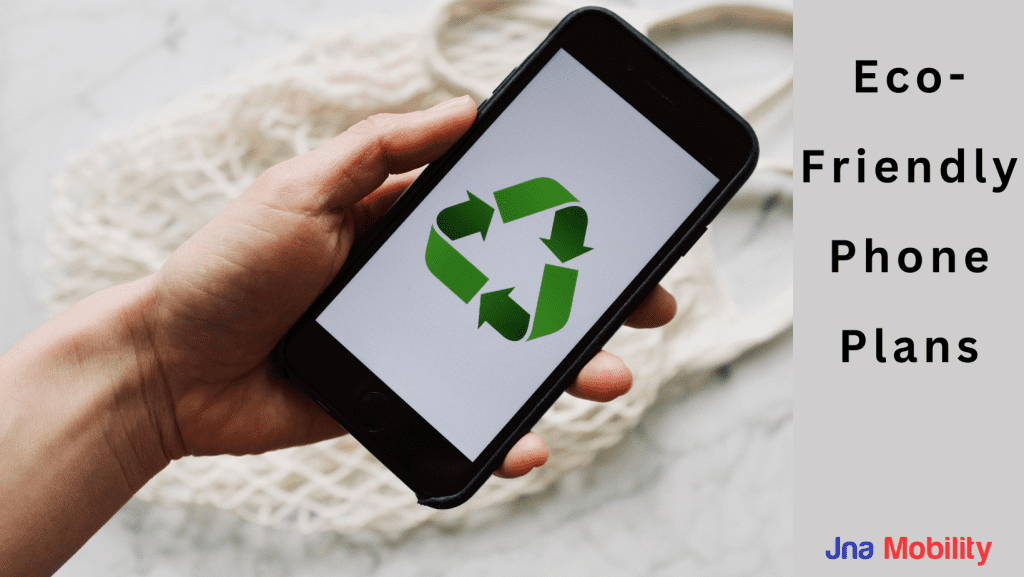
Eco-Friendly Phone Plans

Eco-Friendly Phone Plans: Sustainable Mobile Options

As environmental consciousness becomes a global priority, individuals are seeking ways to adopt sustainable practices in various aspects of their lives, including their mobile services. Eco-friendly phone plans offer a way to stay connected while minimizing the environmental impact. In this blog post, we’ll explore how you can go green with your mobile service, highlighting the benefits of eco-friendly phone plans and providing actionable tips for a more sustainable mobile experience.

1. Choose Renewable Energy-Powered Carriers:

One way to embrace eco-friendly phone plans is by selecting carriers that prioritize renewable energy sources to power their operations. Many mobile service providers are now investing in renewable energy initiatives, such as solar and wind power, to reduce their carbon footprint. Research carriers that prioritize clean energy and contribute to a greener planet.

2. Opt for Paperless Billing:

Reduce your environmental footprint by opting for paperless billing. Most eco-friendly phone plans offer digital billing options, allowing you to receive statements and invoices electronically. Not only does this save trees, but it also reduces the energy and resources required for traditional paper billing.

3. Recycle Old Devices Responsibly:

When it’s time to upgrade your phone, don’t contribute to electronic waste. Choose eco-friendly phone plans that encourage or provide options for recycling old devices. Many carriers partner with recycling programs to ensure responsible disposal of electronic devices, minimizing their impact on the environment.

4. Explore Carbon-Neutral Plans:

Some mobile service providers offer carbon-neutral plans, where they offset their carbon emissions by investing in environmental projects or purchasing carbon credits. By choosing a carbon-neutral plan, you contribute to initiatives that mitigate the environmental impact of your mobile usage.

5. Prioritize Energy-Efficient Devices:

When selecting a new phone, consider devices that prioritize energy efficiency. Some smartphones are designed with eco-friendly features, such as energy-saving modes and sustainable materials. Opting for energy-efficient devices aligns with the principles of eco-friendly phone plans.

6. Conserve Data and Battery Usage:

Practice sustainable mobile habits by conserving data and battery usage. Streaming videos and downloading large files contribute to increased energy consumption. By minimizing data-heavy activities and optimizing battery usage, you not only save energy but also extend the lifespan of your device.

7. Support Green Initiatives:

Choose mobile carriers that actively support green initiatives and environmental causes. Some eco-friendly phone plans allocate a portion of their proceeds to environmental organizations or participate in tree-planting programs. Your mobile service can contribute to positive environmental impact beyond its operational practices.

Conclusion:

Embracing eco-friendly phone plans is a meaningful step towards a sustainable future. By choosing carriers with renewable energy commitments, opting for paperless billing, recycling devices responsibly, exploring carbon-neutral plans, prioritizing energy-efficient devices, conserving data and battery usage, and supporting green initiatives, you can make a positive contribution to the environment through your mobile service choices. Let your connection to the world reflect your commitment to a greener, more sustainable future.

Eco-Friendly Phone Plans: Sustainable Mobile Options Read More »

tracfone

How to Unlock Unlimited Data on Tracfone

Tracfone is a prepaid wireless service provider in the United States. They offer affordable no-contract cell phone plans with a bring your own device approach. With Tracfone, you only pay for the minutes, texts, and data you need. 

In today’s world of ubiquitous smartphone use and mobile apps, many Tracfone customers find that they need more data than their current plans provide. Streaming video and music, using social media, and browsing the web can quickly eat through limited data caps. This is why unlimited data plans are becoming increasingly popular and important for Tracfone users.

Unlimited data allows you to use as much LTE data as you want without worrying about overage fees or slow speeds. This means you can stream HD videos, play online games, download files, and use data-intensive apps without restraints. For Tracfone customers who rely on their mobile devices for work, school, entertainment, or communication, having an unlimited data plan can provide much-needed flexibility and convenience.

Understanding Tracfone Data Plans 

Tracfone offers prepaid cell phone plans with a variety of data options to meet different needs and budgets. The main data plan choices with Tracfone are:

Airtime Cards – These let you add set amounts of talk, text, and data that last for 30-90 days. For data, cards provide between 500MB to 1GB typically. Prices range from $10-$20 per card.

Monthly Unlimited Plans – These plans give you unlimited talk, text, and data that lasts 30 days. Prices start at around $25/month. Data speeds are throttled after a certain usage level each month.

Annual Plans – These provide a year of service upfront with monthly allotments of talk, text, and data. The data allowance is typically around 3GB per 30 days. Prices are around $100-$150 per year. 

Unlimited Data Plans – Special standalone data plans offer truly unlimited high-speed data without throttling. They cost around $50/month.

Compared to major carriers, Tracfone data allotments tend to be smaller but at lower prices. Paying per megabyte with airtime cards can get expensive, so unlimited monthly plans are the best value for heavier data users. Understanding the different data plan options is key to picking the right amount of data at the right price.

Adding Data with Airtime Cards

Tracfone allows you to add data to your existing plan by purchasing airtime cards. Airtime cards come in various denominations and provide a set amount of service days, minutes, texts, and data. This can be a convenient and affordable way to add more data without upgrading your entire plan.

Some examples of airtime cards that add data include:

$20 airtime card – Adds 500MB of data 
$25 airtime card – Adds 1GB of data
$35 airtime card – Adds 2GB of data 
$50 airtime card – Adds 4GB of data

When you add an airtime card to your account, the data allowance combines with your existing data balance. For example, if you have a plan with 1GB of data and add a $25 airtime card, you will then have 2GB of total data (1GB + 1GB from the airtime card).

The data from airtime cards is typically valid for 30-90 days, depending on the specific card purchased. So it’s a good idea to add an airtime card when you think you’ll need extra data for the next 1-3 months. Just keep in mind that the data doesn’t roll over, so if you don’t use it during the validity period, you’ll lose any unused data.

Adding airtime cards can be a cost-effective way to get short-term data boosts as needed. You can purchase airtime cards from retail stores or directly through Tracfone. Just make sure to pick a card that provides enough extra data for your usage needs.

Unlimited Data with Monthly Plans

Tracfone offers several monthly plan options that include unlimited high-speed data. These plans provide a set amount of data at 4G LTE speeds, after which speeds may be reduced but data usage is unlimited.

The main monthly unlimited data plan options include:

Unlimited Talk, Text & Data Plan – $50/month. Includes unlimited talk, text and high-speed data on Tracfone’s network. After 60GB of data usage per month, speeds may be reduced.

Unlimited MAX Plan – $60/month. Unlimited talk, text and high-speed data. After 60GB of data usage per month, speeds may be reduced. Includes perks like unlimited streaming on certain apps and 500MB of hotspot data.

Unlimited Ultimate Plan – $85/month. Unlimited talk, text and high-speed data. After 100GB of data usage per month, speeds may be reduced. Includes streaming perks, 10GB of hotspot data, and global coverage in over 200 countries. 

The Unlimited Talk, Text & Data plan provides a basic unlimited option at $50/month. The Unlimited MAX plan adds some extra features like streaming perks and hotspot data for $10 more per month. And the Unlimited Ultimate plan provides the highest data thresholds and most perks at a premium $85/month price.

The specific data speeds may depend on the network but are typically 4G LTE speeds up to a certain data usage level per month, before speeds are reduced but data remains unlimited. These plans provide unlimited full-speed data for most users’ typical monthly usage.

Unlimited Data with 1-Year Plans

Tracfone offers 1-year unlimited data plans that provide unlimited talk, text, and data on the Verizon, AT&T, or T-Mobile networks. These plans can be a great option for heavy data users who want the simplicity of unlimited data without worrying about running out each month.

The 1-year unlimited plans available from Tracfone include:

Total Unlimited Max – Unlimited talk, text and data on Verizon’s network for $399/year. This plan includes unlimited high-speed data up to 25GB per month, after which speeds may be reduced. It’s the most expensive 1-year plan but provides access to Verizon’s large nationwide network.

Total Unlimited – Unlimited talk, text and data on Verizon’s network for $299/year. Speeds may be throttled at any time to 2G speeds. A solid medium-price option on Verizon’s network.

Unlimited Talk & Text – Unlimited talk & text on AT&T’s network with 10GB of high-speed data per month for $199/year. After 10GB speeds are reduced to 2G. One of the most affordable 1-year unlimited options.

Unlimited – Unlimited talk, text, and 4G LTE data on T-Mobile’s network for $249/year. Speeds may be temporarily slowed at times of network congestion after 50GB of monthly usage. Provides access to T-Mobile’s fast and growing 5G network.

The main pros of 1-year unlimited plans are the convenience of unlimited data without monthly recharges, potential cost savings compared to monthly plans, and network access on major carriers. The downsides are the large upfront payment, being locked into a single carrier for a year, and having no flexibility to change plans. But for heavy data users who value simplicity, 1-year unlimited data plans can be a great fit with Tracfone.

Understanding Data Usage

When you have a limited data plan with Tracfone, it’s important to keep track of how much data you are using to avoid going over your limit and incurring overage charges. Here are some tips to help monitor and optimize your data usage:

Use the Tracfone app or log into your account online to track your remaining data allowance. The app and website will show you how much data you have used so far in the current service period.

Set data alerts through the Tracfone app. You can set up notifications to alert you when you reach 75%, 90%, and 100% of your data usage. This helps you stay aware of your data consumption.

Use Wi-Fi whenever possible to save your mobile data allowance. Connect to public Wi-Fi hotspots or home/work Wi-Fi networks for downloading, streaming, etc. Reserve mobile data for when Wi-Fi is not available.

Disable automatic app updates and syncing. Apps can use data in the background, so disable auto-updates and syncing in your device settings and do them manually only when on Wi-Fi.

Lower streaming resolution/quality. Higher video and music quality uses more data. Lower the streaming resolution in apps like YouTube, Netflix, etc. 

Be aware of which apps use the most data. Social media, music/video streaming, web browsing, and navigation use large amounts of data. Limit their use or use Wi-Fi when possible.

Consider adding data when needed. If you are regularly getting close to your data limit, you can add high-speed data through Airtime cards rather than upgrading your core plan.

Carefully monitoring your data usage through the Tracfone tools available and making adjustments to your usage habits can help you maximize your plan’s data allowance and avoid costly overages each month.

Data Speeds and Streaming on Tracfone

Tracfone uses the networks of major carriers like Verizon, AT&T, T-Mobile, and Sprint to provide service. The data speeds you get with Tracfone depend on the network and if you have a 3G or 4G LTE capable device. 

Compare 3G vs 4G LTE Speeds

3G networks have data speeds typically in the range of 1-4 Mbps for downloads and up to 1 Mbps for uploads. This is enough for basic web browsing, email, social media, and music streaming. However, video streaming and HD content may buffer frequently on 3G.

4G LTE is significantly faster with download speeds of 5-12 Mbps and uploads of 2-5 Mbps on average. This enables seamless video streaming, HD content, gaming, and other data intensive tasks. 4G LTE provides a much smoother and more responsive data experience.

The specific data speeds will vary based on network traffic, signal strength, and other factors. But in general 4G LTE will provide dramatically faster speeds compared to 3G.

Impact on Video Streaming

With 3G speeds, lower resolution video such as 480p may stream fine but frequently pausing to buffer. 1080p HD video will likely be choppy and frequently buffering if it streams at all. This is frustrating for video streaming.

On 4G LTE networks, standard definition 480p video should play smoothly with almost no buffering. You can often stream HD 1080p video without issue. This enables streaming high quality video reliably.

So if you plan to stream a lot of video or music, 4G LTE is highly recommended over 3G networks. The faster speeds allow for smooth streaming with less buffering and frustration. Check that your Tracfone device is 4G LTE capable or upgrade to take advantage of faster data.

Using Wi-Fi for Data 

Connecting to Wi-Fi networks whenever possible can significantly reduce the amount of mobile data you use. This helps avoid unexpected data overages which can lead to throttled data speeds or additional charges. Here are some tips for using Wi-Fi to conserve your mobile data:

At home, connect to your Wi-Fi network instead of using cellular data. Disable cellular data when connected to Wi-Fi to prevent apps from using it unnecessarily.

When out and about, look for “free Wi-Fi” networks in businesses like cafes, stores, hotels, and restaurants. Connect when available but be mindful of security on public networks.

If you have access to a secure private Wi-Fi network, like at work or school, use that whenever possible for downloading apps, streaming, and other data-heavy tasks.

When connecting to public Wi-Fi, avoid doing anything sensitive like online banking. Public networks often lack encryption.

Consider using a VPN app when connecting to open public networks to encrypt your data traffic.

If your plan allows Wi-Fi calling, use that feature to make calls over Wi-Fi when available to avoid using phone minutes.

Disable automatic app updates over cellular connections. Update apps manually when connected to Wi-Fi.

Download maps, playlists and other data ahead of time over Wi-Fi to use later when cellular data is unavailable.  

Using Wi-Fi judiciously allows you to enjoy your smartphone’s features without worrying about data limits. Seek out and connect to secure Wi-Fi networks whenever possible to conserve your monthly data allowance.

Optimizing Data Usage

Smartphones use data for many processes in the background that you may not be aware of. Here are some tips to limit background data and optimize your data usage:

Turn off background app refresh and automatic updates. Go to Settings > General > Background App Refresh and disable apps you don’t need updating in the background. Also turn off automatic app updates in the App Store.

Disable location services for apps that don’t need it. Go to Settings > Privacy > Location Services and select which apps can access your location.

Turn off auto-play video and audio. Go to Settings > General > Accessibility and disable Media Auto-Play.

Use low resolution images in messaging and email. Go to Settings > Messages > Send Low Quality Image and enable this for reduced data usage.

Compress images before uploading or sending. Use an app like ImageOptim to compress images which will reduce file size and data usage.

Save data when browsing. Enable Low Data Mode in Safari settings which compresses web pages before loading them.

Download offline maps. Use Google Maps to download offline maps and directions for when you don’t have data access.

Turn on Wi-Fi Assist. This automatically uses Wi-Fi to supplement your cellular data which can help reduce usage. Go to Settings > Cellular > Wi-Fi Assist.

Monitor usage in Settings. Check Settings > Cellular to see which apps are using the most data and troubleshoot from there.

Following these tips will help you optimize data usage on your Tracfone device so you can make the most of your available data.

Conclusion

Getting unlimited data on Tracfone requires understanding the options available and choosing the plan that fits your usage needs and budget. The main options covered in this guide are:

Adding high-speed data with Airtime cards – This allows you to add data in increments, but does not provide unlimited data. It is the most flexible pay-as-you-go option.

Monthly unlimited plans – These provide truly unlimited high-speed data for one device for a monthly fee. This is the best option if you need unlimited data on one device.

Annual unlimited plans – For a yearly fee, these provide unlimited talk, text and high-speed data on one device. This option saves money compared to monthly fees over the course of a year.

The key benefits of an unlimited data plan with Tracfone include predictable bills, no overage charges, and the ability to use as much data as you want without limits. For heavy data users, unlimited plans provide peace of mind knowing you won’t run out of high-speed data.

Tracfone also offers both 3G and 4G LTE plans depending on coverage and device capabilities. With unlimited data, you can freely stream video and music, use social media, browse and search the web, and more without worrying about surprises on your bill. Evaluate your needs and opt for unlimited data on Tracfone to maximize the value and performance of your wireless service.

How to Unlock Unlimited Data on Tracfone Read More »

prepaid and postpaid plans

Save Money With Comparing Prepaid and Postpaid Phone Plans

Prepaid and postpaid are the two main options when signing up for cell phone service. With prepaid plans, you pay upfront for a set amount of minutes, texts, and data that expire after a certain period. Postpaid plans bill you monthly after using the service, allowing flexibility in your usage amounts. Customers with bad credit often cannot qualify for postpaid, but prepaid plans are available to anyone regardless of credit. Both options have pros and cons to weigh when deciding which type of cell phone plan makes the most sense for your needs. This guide examines the key differences between prepaid and postpaid phone plans.

Cost of Phone Plans

When comparing prepaid and postpaid cell phone plans, one of the biggest differences is the cost structure.  

With prepaid plans, you pay for the service upfront. There are no contracts or commitments. The main costs are:

Upfront costs – Prepaid plans typically require you to purchase the phone upfront at full price. This can range from $100 for a basic phone up to $1000 or more for the latest flagship smartphone. You also need to purchase a SIM card which is usually around $10.

Monthly fees – Prepaid plans have lower monthly fees ranging from $15-50 per month depending on the amount of data, minutes and texts included. The fees are predictable each month.

Overage charges – With prepaid, if you exceed the allotted data, minutes or texts in your plan, you will pay predetermined overage fees. These are usually around 10 cents per minute, 5 cents per text, and $10 per GB. Overage charges can add up quickly.

Postpaid plans have higher monthly fees but no upfront costs. The tradeoffs are:

– Carriers subsidize the phone so you only pay a small upfront cost.

– Monthly fees range from $50-100+ depending on data amounts. Extra lines and device fees can increase this.

– Overage charges are often vague or extremely high. Going over your data limit by 1 GB could incur a $15 fee.

So in summary, prepaid plans have lower monthly costs but you pay full price for the phone. Postpaid has subsidies on devices but higher recurring fees.

Network Coverage 

When it comes to network coverage, there are some key differences between prepaid and postpaid plans. 

Prepaid plans typically use the major wireless networks like Verizon, AT&T, T-Mobile, and Sprint. However, prepaid plans may not get access to the full network coverage that postpaid plans do. The major carriers often reserve their most advanced network capabilities and widest coverage for postpaid subscribers only.

With prepaid plans you may experience slower data speeds, less reliable connections, and more limited coverage, especially in rural areas. Most prepaid plans do not include domestic roaming outside your carrier’s home coverage area. So if you travel frequently, a postpaid plan may provide better nationwide coverage and fewer dead zones.

Postpaid plans directly through the major carriers provide access to the full breadth of their network coverage. You’ll get the fastest network speeds, most robust and reliable connections, and broadest coverage domestically. Postpaid plans include domestic roaming for seamless coverage while traveling.

The major downside of postpaid coverage is that it comes at a premium price. You’ll pay more per month for those extra coverage perks compared to a prepaid carrier using the same underlying network.

So in summary, postpaid generally provides better coverage, speeds, and roaming ability, but prepaid can still utilize the major carrier networks on a more limited basis for less money. Consider where you need coverage and how much you’re willing to pay monthly when weighing prepaid vs postpaid plans.

Phone Options

When choosing between prepaid and postpaid plans, one key difference is the phone options available. 

Bring Your Own Device (BYOD)

With prepaid plans, you usually have the option to bring your own compatible device. This allows you to use an existing smartphone you already own and like. Postpaid plans often require you to purchase one of their phones, although some postpaid carriers like Verizon now offer BYOD options.

The advantage of BYOD with prepaid is you avoid paying several hundred dollars upfront for a new device. The potential drawback is that your existing phone may not have all the latest features and specs of new models. With postpaid, you typically get the latest high-end phones but have to pay more for the device.

Provided Devices

Prepaid carriers like TracFone often sell basic and inexpensive smartphones intended for their plans. These affordable Android devices lack some bells and whistles but get the job done for budget-focused users. 

Postpaid carriers like AT&T and T-Mobile offer premium smartphones including the latest iPhones and Galaxy models. However, these state-of-the-art devices cost much more, often $800+ without any carrier subsidies.

So with prepaid you can save on phones, but have more basic options. Postpaid gives you cutting edge devices for a premium price tag. Consider which factors are most important to make the right choice for your needs and budget.

Plan Flexibility

One of the key differences between prepaid and postpaid plans is the flexibility to change plans or services. 

With prepaid plans, you can usually change between available prepaid plans at any time without penalty. Many prepaid providers have an online account dashboard or app that makes it easy to switch plans instantly. This gives you the flexibility to increase or decrease your plan amounts or data usage from month to month.

Prepaid plans also often allow you to rollover unused plan balances to the next month. For example, if you purchase a $50 monthly plan but only use $40 of talk/text/data, the remaining $10 balance rolls over to the next month. This gives you flexibility in how you use your prepaid service.

In contrast, postpaid plans usually lock you into a 1 or 2 year service contract. It can be difficult, expensive, or impossible to change plans before your contract term is up unless you pay an early termination fee. Postpaid services also do not offer rollover balances – any allotted services you don’t use in a month are lost.

So if having the ability to freely change plans or roll over unused allotments is important, prepaid plans offer much more flexibility than postpaid plans in most cases. Just be aware of any plan change fees or policy restrictions specific to your chosen prepaid provider.

Credit Checks 

Most postpaid plans require a credit check before service can be started. This is because you are essentially taking out a loan from the wireless provider for the cost of the phone and service. They want to ensure you have good credit and will be able to make the monthly payments.

Prepaid plans do not require any credit checks. Since you pay for the service upfront, there is no loan or credit extension from the wireless company. Prepaid services are available to anyone regardless of their credit score. 

This makes prepaid plans a great option if you have bad credit or no credit history. You don’t have to worry about being denied for service. As long as you can pay for the service upfront, you can get a prepaid phone and plan.

Contract Commitment 

One of the biggest differences between prepaid and postpaid plans is the contract commitment required. 

With postpaid plans, you typically have to sign a long-term service contract, usually 1-2 years. This locks you into that carrier and plan for the duration of the contract. If you want to cancel early, you’ll face an expensive early termination fee, often hundreds of dollars.

Prepaid plans do not require any contract at all. You simply pay month-to-month for service, with no long-term commitments. This gives you the flexibility to change carriers or plans at any time without penalties. 

Many people prefer the freedom of prepaid plans to avoid being stuck in a long contract if they want to switch carriers or plans down the road. With prepaid, you have the control to change your service at any time.

Features of Prepaid and Postpaid Plans

Prepaid and postpaid plans differ quite a bit when it comes to included features. Here’s an overview of what’s typically included with each type of plan:

Prepaid Plans

Basic features: Prepaid plans tend to offer basic talk, text, and data. Some plans may include extras like mobile hotspot usage, international calling, etc. But most just provide simple talk/text/data.

No streaming services included: You’ll have to pay extra for streaming subscriptions like Spotify Premium or Apple Music. Prepaid plans don’t usually include these by default.

Limited hotspot data:  Most prepaid plans only allow a small amount of 4G LTE hotspot usage per month (typically a few GB). If you need more, you’ll have to pay for data passes.

No premium network extras: Perks like streaming services, cloud storage, or other network extras are not included with prepaid. Those types of features are more commonly found with postpaid plans.

Postpaid Plans

More features included: Postpaid plans tend to be bundled with additional features like streaming music/video, mobile hotspot data, cloud storage, etc.

Potentially unlimited hotspot data: Some postpaid plans offer unlimited 4G LTE hotspot usage, allowing you to use your phone’s data for other devices.

Premium network extras: Depending on the carrier and plan, you may get extras like subscription music/video streaming, cloud storage, sports streaming, etc. included.

International features: Postpaid plans are more likely to include international talk, text, and data as well as other travel-friendly features.

So in summary, postpaid plans tend to be packaged with more robust features while prepaid plans offer more basic talk, text, and data. The extra hotspot data, streaming services, and network extras make postpaid more appealing for heavy data users.

Customer Service 

When it comes to customer service, there are some key differences between prepaid and postpaid plans. 

Prepaid plans generally offer more limited customer service options compared to postpaid plans. Many prepaid providers rely primarily on self-service through their websites and automated phone systems. Getting through to speak to a live agent can be difficult and time consuming. Support is often more restricted, with shorter service hours and longer wait times to speak to a representative. 

In contrast, postpaid providers typically offer phone support 24/7 as well as in-store support. Wait times to speak to a live agent are usually shorter. Support reps often have more training and resources available to address issues. They are also able to make adjustments to your account that prepaid reps may not be able to do.

The more limited customer service with prepaid plans is one of the tradeoffs for the lower cost. But many customers are willing to accept longer wait times and less personalized support in exchange for no contracts or credit checks. The quality of customer service on prepaid plans has improved over the years, but postpaid carriers still tend to offer a higher level of support overall.

When weighing prepaid vs postpaid, assess your customer service needs. If you want access to in-depth support anytime, a postpaid plan may be the better choice. But if you rarely need customer assistance, then a prepaid plan can provide solid service options at a lower price point. Check reviews and test out customer service yourself before committing to determine if a prepaid carrier’s support will meet your needs. Quality customer service is important on both types of plans, but your requirements may help guide you towards prepaid or postpaid when deciding between the two.

Conclusion

When deciding between prepaid and postpaid cell phone plans, there are several key factors to consider. 

Prepaid plans tend to have lower monthly costs, no long-term contracts, and no credit checks. This makes them appealing for budget-conscious users or those with poor credit. However, prepaid plans generally offer fewer plan features, less flexible options, and more limited network coverage. Phones must be purchased upfront at full price.

Postpaid plans require credit checks and long-term contracts. However, they offer better network coverage, especially with major carriers. Postpaid plans also include more features like mobile hotspot, advanced network prioritization, and international roaming. Subsidized phone pricing makes high-end devices more affordable. 

Ultimately, choosing between prepaid and postpaid depends on your budget, credit standing, desired features, and network coverage needs. Prepaid plans are better for cost savings and flexibility. Postpaid is preferable for premium features, expansive networks, and device subsidies. Assess your personal usage and financial situation to determine the best fit. Either plan can be a good option with the right provider. Do your research to find a carrier matching your priorities for the optimal prepaid or postpaid plan.

Save Money With Comparing Prepaid and Postpaid Phone Plans Read More »