JNA Mobility

Phone plans

trade-in programs

The Best Trade-In Programs for Smartphones and Tablets

Trading in your old smartphone or tablet is a smart way to save money on your next device while contributing to sustainability. With a growing number of trade-in programs available, it can be challenging to identify the best one for your needs. This guide will explore the top trade-in programs, how to maximize value, and why trade-ins are a win-win for both your wallet and the planet.


Why Consider a Trade-In Program?

Trade-in programs allow you to exchange your old devices for credit toward a new purchase or receive cash back. These programs are ideal for those who want to offset the cost of upgrading their gadgets or ensure their old devices are recycled responsibly.

For a comprehensive overview of how device trade-ins support sustainability and value, check out this guide on maximizing trade-in benefits.


Top Trade-In Programs for Smartphones and Tablets

1. Xfinity iPhone Trade-In Program

The Xfinity iPhone Trade-In Program offers competitive trade-in values for a wide range of iPhone models. It’s an excellent choice for those who are loyal to Apple and looking to upgrade to the latest iPhone. This program provides credit that can be applied to your Xfinity account, making it a convenient option for existing customers.

2. Carrier-Specific Programs

Many wireless carriers offer trade-in programs to help customers upgrade to the latest devices. These programs often feature promotional offers, such as additional credit when purchasing a new phone or tablet on a contract.

3. Manufacturer Trade-In Programs

Brands like Apple and Samsung provide direct trade-in programs, allowing users to get credit toward their next purchase. These programs are straightforward, and because you’re dealing with the manufacturer, you can trust the process will be hassle-free.


How to Maximize the Value of Your Trade-In

  1. Keep Your Device in Good Condition: A device free from cracks, scratches, and other damage will fetch a higher trade-in value.
  2. Include Accessories: Original chargers and packaging can increase the value of your trade-in.
  3. Check for Promotional Offers: Many programs offer bonus trade-in credit during promotional periods.

When planning your trade-in, explore the options available at a reputable phone shop to find the best deals on your next device.


The Environmental Benefits of Trading In Devices

By participating in a trade-in program, you’re also contributing to sustainability. These programs often refurbish or recycle old devices, reducing electronic waste. For consumers who prioritize eco-conscious choices, this is an easy way to make a positive impact.


Conclusion

Whether you’re upgrading to the latest smartphone or switching to a new tablet, trade-in programs are a cost-effective and sustainable choice. With programs like the Xfinity iPhone Trade-In Program and options available through trusted retailers, you can maximize the value of your old devices while saving on your next purchase.

Ready to upgrade? Visit JNA Mobility’s Phone Shop for more trade-in insights and top deals on new smartphones and tablets!

The Best Trade-In Programs for Smartphones and Tablets Read More »

no-contract phone plans

No-Contract Phone Plans: New Offers

No-contract phone plans have revolutionized the mobile market, offering flexibility and affordability for users who want to avoid long-term commitments. With new offers hitting the market, it’s easier than ever to find a plan that meets your needs without breaking the bank. This blog explores the latest deals and how to choose the best no-contract phone plan for your lifestyle.


1. What are No-Contract Phone Plans?

No-contract phone plans, also known as prepaid plans, allow users to pay for their service upfront without being tied to lengthy contracts. These plans offer freedom and often come with lower costs, making them ideal for budget-conscious consumers. Learn more about affordable phone plans for budget-conscious users to find great options.


2. Benefits of No-Contract Phone Plans

1. Flexibility

Switch carriers or plans anytime without penalties.

2. Cost-Effectiveness

No hidden fees or early termination charges, making it easier to control your expenses.

3. Customization

Choose plans that align with your usage, whether it’s data-heavy streaming or light calling and texting. For light users, explore the cheapest cell phone plans designed to save you money.


3. New Offers for No-Contract Phone Plans

1. Unlimited Data Plans

Some providers are now offering prepaid unlimited data plans at competitive rates, perfect for streaming, gaming, and remote work.

2. Pay-As-You-Go Plans

Pay for what you use with no overage fees—ideal for occasional users.

3. Bundled Offers

Look for plans that bundle mobile service with perks like international calling or hotspot data at no extra cost.


4. Comparing No-Contract Plans

When choosing a no-contract plan, consider the following factors:

1. Data Needs

If you’re a heavy data user, opt for unlimited plans. For lighter usage, a minimal data plan will suffice.

2. Network Coverage

Ensure the plan offers reliable coverage in your area. Check out the network coverage map for details on nationwide availability.

3. Pricing

Compare upfront costs and recurring charges to find the best value. JNA Mobility provides an overview of various plans to suit every budget.


5. Who Should Choose a No-Contract Plan?

1. Students and Young Professionals

Enjoy the flexibility to change plans as your needs evolve.

2. Budget-Conscious Consumers

No hidden fees mean you can better manage your monthly expenses.

3. Light Users

For those who only use their phones for calls and texts, no-contract plans are a cost-effective solution.


6. How to Switch to a No-Contract Plan

1. Research Providers

Look for providers that offer the features you need, such as unlimited data or family plans.

2. Bring Your Own Device (BYOD)

Many no-contract plans allow you to keep your current phone, saving you the cost of a new device.

3. Transfer Your Number

Most carriers let you transfer your existing number, ensuring a seamless transition.


Conclusion

No-contract phone plans offer the perfect blend of affordability and flexibility, making them an excellent choice for a wide range of users. With new offers in the market, now is the time to explore your options and switch to a plan that works for you.

Ready to find your perfect plan? Start with JNA Mobility’s affordable phone plans or explore network options and coverage to ensure you’re always connected.

No-Contract Phone Plans: New Offers Read More »

International Phone Plans

Top 10 Cheapest Cell Phone Plans for Light Users

Staying connected doesn’t have to cost a fortune, especially if you’re a light user. Whether you only need minimal data or just a plan for calls and texts, affordable cell phone plans are readily available. In this article, we’ll dive into the top 10 cheapest cell phone plans for light users and offer tips to help you save even more.

What Defines a Light User?

Light users typically fall into one of these categories:

  • Use less than 2GB of data monthly
  • Primarily need calls and texts
  • Only use apps occasionally (e.g., maps, email)

For light users, expensive, data-heavy plans are overkill. Instead, they need cost-effective options that focus on their actual usage patterns.


Top Considerations for Choosing a Plan

When choosing a cell phone plan as a light user, consider:

  1. Cost Efficiency: Look for plans with minimal fixed costs and usage-based pricing.
  2. Network Coverage: Ensure the provider has a reliable network in your area.
  3. Flexibility: Decide if a prepaid or postpaid option better suits your needs. Learn about the pros and cons of pay-as-you-go phone plans to see if this fits your lifestyle.

The Pros and Cons of Affordable Plans

Pros

  • Significant cost savings
  • Customizable options for data, talk, and text
  • Freedom from long-term contracts

Cons

  • Limited features (e.g., no international roaming)
  • Lower priority on busy networks

Understanding these pros and cons can help you pick a plan that aligns with your expectations.


Top 10 Cheapest Cell Phone Plans for Light Users

1. Pay-As-You-Go Plans

Perfect for users who rarely use their phones. You only pay for what you use, making it one of the most economical choices. Learn more in affordable phone plans.

2. Prepaid Plans with Minimal Data

Prepaid plans like those offered by MVNOs allow flexibility without commitment. Learn more about the pros and cons of prepaid phone plans.

3. Family Sharing Plans for Light Users

Share a single plan with family members to spread the cost.

4. Discounted MVNO Plans

Mobile Virtual Network Operators (MVNOs) offer lower prices by using larger carrier networks.

5. Senior-Specific Plans

Many providers offer plans tailored to seniors with reduced data and costs.

6. Student-Friendly Plans

Designed for younger users with tight budgets.

7. Postpaid Lite Plans

Postpaid options with low data allowances can sometimes be cheaper than prepaid alternatives.

8. Seasonal or Temporary Plans

Ideal for travelers or those who need a short-term plan.

9. International SIM Cards

For occasional travelers, these cards save money on roaming fees.

10. Budget 5G Plans

With growing 5G networks, some providers now offer affordable options for basic 5G connectivity. Check out top tips for getting the best deals on 5G phones.


Breaking Down the Costs

Make sure to review:

  • Per-minute and per-MB charges
  • Setup fees and hidden charges
  • Taxes and regulatory fees

Prepaid vs. Postpaid Plans

Prepaid Plans

  • No contracts
  • Pay upfront
  • Easy to manage costs

Postpaid Plans

  • Offers premium features
  • Requires credit checks
  • More flexible upgrades

Explore future trends in postpaid plans to see if they might suit your long-term needs.


Conclusion

Light users have more choices than ever when it comes to affordable phone plans. By focusing on your usage patterns and exploring options like pay-as-you-go or prepaid plans, you can save money while staying connected. Don’t forget to compare deals, and remember: the cheapest plan is the one that fits you best.

Top 10 Cheapest Cell Phone Plans for Light Users Read More »

affordable plan

Top 5 Affordable Phone Plans for Budget-Conscious Consumers

Finding an affordable phone plan that still provides the essentials is a must for budget-conscious consumers. With so many providers offering competitive deals, it can be tough to know which plan gives you the most bang for your buck. In this guide, we’ll walk through the top five budget-friendly phone plans that offer great value without breaking the bank. Let’s dive into the details and find the perfect plan for your needs.

If you’re someone who likes to keep your monthly expenses in check, an affordable phone plan can make a big difference. Thankfully, budget-friendly phone plans have evolved to offer a variety of perks without high prices. Here, we’ll break down the most affordable and feature-packed options that won’t sacrifice your connectivity needs.

Top Considerations for Choosing an Affordable Plan

1. Data Needs

Before choosing a plan, think about how much data you use. A plan with limited data might work for light users, but heavy streamers or social media users may prefer unlimited options.

2. Coverage and Network Quality

Your phone plan should also have reliable coverage. Ensure that your chosen provider, like JNA Mobility, offers network support in areas where you spend most of your time.

3. Flexibility and Additional Features

Many providers now include perks like mobile insurance, streaming access, and 5G network coverage to enhance user experience. Choosing a plan with extra features can offer more value at a lower cost.

Plan #1: JNA Mobility Basic Plan

The JNA Mobility Basic Plan is ideal for light phone users who prioritize affordability. This plan covers all the essentials like talk and text, along with a modest data limit.

Benefits and Drawbacks

  • Benefits: Low monthly cost, essential features
  • Drawbacks: Limited data might not suit heavy users

If you primarily use your phone for calls and texts, the JNA Mobility Basic Plan could be a solid, affordable choice.

Plan #2: JNA Mobility Comprehensive Plan

A unique plan for those who want peace of mind, JNA Mobility’s Comprehensive Plan covers damage and theft, which is especially valuable for families or individuals prone to accidents.

  • Features: Complete insurance coverage, talk, text, and a reasonable data allowance.
  • Ideal For: Users looking to avoid extra repair costs and unexpected expenses.

For more on the importance of insurance in mobile plans, check out this article on comprehensive insurance options for phone plans.

Plan #3: JNA Mobility Prepaid Plan

Prepaid plans are a great choice for users who want complete control over their spending. The JNA Mobility Prepaid Plan allows you to pay upfront without a monthly contract.

Features of Prepaid Plans

  • Flexibility: No contracts or commitments
  • Cost-Efficient: Ideal for those who want a simple, low-cost solution

To learn more about the benefits of prepaid plans, check out this guide on prepaid phone plans.

Plan #4: JNA Mobility 5G Ten Gig Plan

If you’re ready for the next level of mobile connectivity, the JNA Mobility 5G Ten Gig Plan offers the speed and reliability of 5G without an excessive price tag.

  • Benefits: Access to high-speed 5G, 10 GB of data suitable for average use
  • Drawbacks: Limited data for heavy streaming

Ideal for those who want the power of 5G without committing to an unlimited plan, this plan allows you to experience the benefits of high-speed mobile internet at a fraction of the cost.

Plan #5: JNA Mobility Unlimited Data Plan

For those who want the freedom to stream and browse without worry, the JNA Mobility Unlimited Data Plan is a great option. This plan caters to heavy data users and includes unlimited talk and text.

  • Benefits: No data restrictions, suitable for streaming and social media enthusiasts
  • Drawbacks: Higher price compared to limited data plans

You can explore how unlimited data can benefit your mobile experience at unlimited data plan benefits.

Comparing Features of Each Plan

PlanDataMonthly CostIdeal For
Basic PlanLimitedLowLight users
Comprehensive Insurance PlanModerateModerateUsers needing phone protection
Prepaid PlanPay-As-You-GoFlexibleBudget-conscious users
5G Ten Gig Plan10 GBMid-rangeModerate users needing 5G
Unlimited Data PlanUnlimitedHigher-endHeavy data users

How to Decide on the Best Plan for You

When selecting a budget-friendly phone plan, consider your usage habits and monthly budget. Those who use mobile data sparingly may find significant savings with limited data plans, while heavy users might benefit from unlimited options.

Top Tips for Maximizing Savings on Phone Plans

  1. Utilize Seasonal Promotions: Providers like JNA Mobility often offer promotions. Staying updated can help you secure a great deal.
  2. Bundle Services: Some providers offer additional discounts when bundling multiple lines or services.
  3. Compare Data Usage: Regularly review your data usage and adjust your plan as needed.

Conclusion

With these five affordable phone plans from JNA Mobility, finding the right balance between cost and functionality is easier than ever. Whether you’re a light user, a family in need of coverage, or a tech enthusiast, there’s an option here to keep you connected without breaking the bank.

Top 5 Affordable Phone Plans for Budget-Conscious Consumers Read More »

phone plan with a free phone

Top Prepaid Phone Plans That Come with Free Phones

Many prepaid phone plans offer the convenience of a no-contract option while including the added bonus of a free phone. If you’re searching for a phone plan that meets your needs and provides excellent value, this blog will guide you through the top prepaid phone plans that come with free phones, helping you make an informed decision.

Why Choose a Prepaid Phone Plan?

Prepaid phone plans offer flexibility and control over your monthly expenses, allowing you to pay in advance for the services you need without any long-term commitment. With no hidden fees or surprise charges, it’s easy to manage your budget. If you’re considering a prepaid plan, it’s worth weighing the pros and cons of prepaid phone plans to ensure it’s the right choice for you.

What to Look for in Prepaid Plans That Include Free Phones

When choosing a prepaid phone plan that offers a free phone, there are several factors to consider. These include:

  • Network coverage: Make sure the plan operates on a reliable network in your area.
  • Data limits: Check how much data is included each month and whether it suits your needs.
  • Phone selection: Some plans offer a wide range of phones, while others may only provide entry-level models.
  • Additional features: Look out for extras like unlimited talk, text, or international calling.

For a detailed guide on selecting the best plan, take a look at what to look for in phone plans to avoid any unwanted surprises.

1. Metro by T-Mobile

Metro by T-Mobile offers a range of prepaid plans with affordable pricing and free phones. With their entry-level $40 plan, you can get a free Samsung Galaxy or Motorola phone when you switch to their network. Metro by T-Mobile’s prepaid plans also include unlimited talk and text, making it a strong contender for anyone looking for a comprehensive phone plan.

Key Features:

  • Free phone options include Samsung Galaxy and Moto G models.
  • Nationwide 5G coverage.
  • Plans starting at $40 per month.
  • Unlimited talk, text, and data with select plans.

2. Boost Mobile

Boost Mobile is another excellent option for prepaid phone plans with free phones. With their $50/month plan, Boost offers a variety of free devices, including popular models like the Samsung Galaxy A32. Boost’s network uses T-Mobile’s towers, so you’ll enjoy strong coverage nationwide. Plus, they frequently run promotions, so you might score an even better deal if you time your switch correctly.

Key Features:

  • Free Samsung Galaxy and other phones when you switch.
  • Access to T-Mobile’s 5G network.
  • No contract or credit check required.

For those unsure about the differences between prepaid and postpaid plans, check out this comparison to help guide your decision.

3. Cricket Wireless

Cricket Wireless offers free phones when you sign up for their prepaid plans, with options ranging from budget-friendly Androids to more feature-rich devices like the Samsung Galaxy A14. Plans start at $30/month, but you’ll need to sign up for at least their $60/month unlimited plan to qualify for a free phone.

Cricket’s plans include unlimited talk, text, and data, and they use AT&T’s reliable network, ensuring strong nationwide coverage.

Key Features:

  • Free Android phones like the Samsung Galaxy A14.
  • Unlimited data, talk, and text with their higher-tier plans.
  • No annual contracts or hidden fees.

4. Verizon Prepaid

Verizon Prepaid offers a selection of free phones, including the popular Motorola moto g Pure, when you sign up for their prepaid unlimited plan. Verizon’s network is known for having some of the best coverage in the U.S., making it an attractive choice for users who want reliable service.

Verizon’s prepaid plans start at $40/month, with discounts available if you enroll in autopay. However, their unlimited plan, which includes the free phone, starts at $60/month.

Key Features:

  • Access to Verizon’s top-rated nationwide 5G network.
  • Free Motorola and Samsung phones available.
  • Unlimited talk, text, and data on select plans.

5. AT&T Prepaid

AT&T Prepaid offers a range of free phones when you switch to one of their prepaid plans. Their plans start at $30/month for basic services but go up to $65/month for unlimited data, which includes a free phone. AT&T’s strong coverage makes it a great option for anyone looking for reliable service and a free phone.

AT&T also offers flexible pay-as-you-go options, giving you more control over your monthly bill. If you’re curious about how these plans differ from other options, check out the pros and cons of pay-as-you-go plans for additional insights.

Key Features:

  • Free Samsung and LG phones.
  • Strong nationwide coverage through AT&T’s network.
  • No annual contract or hidden fees.

Conclusion

Choosing a prepaid phone plan with a free phone is a great way to save money without sacrificing quality. Whether you’re switching to Boost Mobile, Cricket Wireless, Verizon, or AT&T Prepaid, each provider offers a variety of free phones and competitive plans that can fit your lifestyle and budget. Be sure to compare network coverage, data limits, and the available phone models before making your decision.

For more information on prepaid phone plans, don’t miss out on reading the pros and cons of prepaid phone plans, so you can make an informed choice and enjoy your new phone with confidence!

Top Prepaid Phone Plans That Come with Free Phones Read More »

phone plans insurance

Top Phone Plans with Comprehensive Insurance Options

In today’s fast-paced world, having a reliable phone plan is essential, but equally important is ensuring that your phone is protected. Accidents happen—whether it’s a cracked screen or water damage—and having comprehensive insurance can save you both money and hassle. In this article, we’ll explore the top phone plans that offer comprehensive insurance options, helping you decide which one suits your needs best.

1. Why Comprehensive Insurance Matters for Your Phone

1.1 Protecting Your Investment

Your smartphone is likely one of the most expensive devices you own. Whether it’s an iPhone, Samsung, or any other high-end device, the costs of repair or replacement can be steep. Comprehensive insurance offers peace of mind by covering accidental damage, theft, and sometimes even loss. Many phone plans now include insurance, making it easy to bundle everything into one convenient package.

1.2 Avoiding High Repair Costs

Without insurance, a cracked screen or damaged phone can cost hundreds of dollars to fix. Comprehensive insurance plans cover these repairs for a small monthly fee, which is often much less than out-of-pocket repair costs.

2. Top Phone Plans Offering Comprehensive Insurance

2.1 Affordable Mobility Plans

If you’re looking for affordable options, consider exploring affordable mobility plans. These plans provide a balance of reliable service and protection for your device, ensuring that you don’t have to worry about unexpected repair costs.

2.2 Plans with Broad Coverage

Not all plans are created equal, and it’s essential to find one that offers broad insurance coverage, including accidental damage, theft, and loss. JNA Mobility’s phone plans offer a variety of options to meet your insurance needs.

3. Prepaid vs. Postpaid: Which Offers Better Insurance?

3.1 Comparing Prepaid and Postpaid Insurance Options

When comparing prepaid vs. postpaid SIM cards, it’s crucial to evaluate the insurance options that come with each. While postpaid plans tend to offer more comprehensive coverage, prepaid plans may offer cheaper alternatives with essential coverage.

3.2 Flexibility and Coverage

Postpaid plans generally provide better protection, but if you prefer flexibility, prepaid plans may be the way to go. Some prepaid plans even allow you to add insurance as an optional extra.

4. The Benefits of Adding Insurance While Traveling

4.1 Roaming and Device Protection

Traveling exposes your phone to new risks, from accidental drops to theft. If you frequently travel, consider roaming SIM plans that include insurance for international use. This will help protect your phone no matter where you go.

4.2 Peace of Mind for Frequent Travelers

International phone insurance is particularly valuable if you travel frequently for work or leisure. With the right plan, you’ll be covered both at home and abroad, saving you from costly repairs or replacements in foreign countries.

5. Don’t Get Stuck with the Wrong Plan

Choosing the right phone plan is about more than just picking the one with the cheapest price or most data. You also need to ensure you’re getting the right insurance coverage. Make sure to review all the details of your plan before committing to avoid being stuck with a plan that doesn’t meet your needs. For tips on selecting the right phone plan, check out this guide: Don’t get stuck with the wrong plan.

6. How to Compare Insurance Options in Phone Plans

6.1 Coverage Types

When comparing insurance options, check what is covered under each plan. Some plans might only cover accidental damage, while others also include theft and loss. Make sure to choose a plan that covers the most common risks for your lifestyle.

6.2 Deductibles and Premiums

Look at the deductibles and monthly premiums of each insurance option. A lower premium might seem appealing, but if the deductible is too high, you might end up paying more in the long run when something happens to your phone.

7. Factors to Consider When Choosing Insurance for Your Phone Plan

7.1 Your Device’s Value

If you have an expensive device, comprehensive insurance is a no-brainer. However, if your phone is older or less valuable, you might be able to get by with a less expensive insurance option.

7.2 Frequency of Accidents

If you’re prone to dropping your phone or have a busy lifestyle that puts your device at risk, you should definitely consider full insurance coverage. For more careful users, a basic insurance plan might suffice.

8. The Convenience of Bundling Insurance with Your Phone Plan

Bundling your insurance with your phone plan makes managing your expenses easier. Instead of paying separately for phone insurance, many plans now allow you to bundle it all into one monthly bill, saving you time and hassle.

9. How to File an Insurance Claim for Your Phone

9.1 Understanding the Process

If you need to file an insurance claim, knowing the process beforehand can save you time. Most phone plans with insurance offer an easy-to-use online portal for filing claims, though the process may differ slightly between providers.

9.2 Expected Turnaround Times

Typically, phone repairs or replacements are completed within a few days after a claim is filed, but this can vary based on your plan and insurance provider.

10. External Insurance Providers vs. Phone Plan Insurance

10.1 Pros and Cons

While some people opt for insurance provided by third-party companies, phone plan insurance is often more convenient. However, third-party providers might offer more comprehensive coverage at a lower price, so it’s essential to compare both options.

11. Phone Plans for Families: Protecting Multiple Devices

11.1 Family Plans with Insurance

Many family phone plans offer the option to add insurance for all devices under one account. This can be a great way to ensure everyone in your household is protected without paying for separate insurance policies.

11.2 Managing Multiple Claims

With family insurance plans, managing claims is usually simplified, and most providers offer easy ways to track and file claims for multiple devices.

12. The Future of Phone Insurance

As phones continue to evolve, so do the options for protecting them. From insurance plans that cover wear and tear to coverage for lost accessories, phone insurance is becoming more comprehensive. It’s worth keeping an eye on emerging trends to ensure your phone stays protected in the future.

Top Phone Plans with Comprehensive Insurance Options Read More »

mobile hotspot plan

How to Maximize Your Mobile Hotspot Plan: Tips and Tricks

Mobile hotspot plans are a lifesaver for anyone needing internet access on the go. Whether you’re working remotely, traveling, or just want a backup connection, a mobile hotspot can keep you connected wherever you are. But if you’re not careful, you might burn through your data or miss out on the full potential of your plan.

In this blog post, we’ll explore how to maximize your mobile hotspot plan with tips and tricks that can help you get the most value out of your data and maintain a fast, reliable connection.


Understanding Your Mobile Hotspot Plan

Before diving into ways to maximize your mobile hotspot, it’s important to fully understand the specifics of your plan. Not all mobile hotspot plans are created equal, and knowing the details of your plan will help you avoid overage fees and slowdowns. Many plans have different data caps, speeds, and pricing structures.

For instance, JNA Mobility’s mobile hotspot plans offer various tiers that cater to different needs, ranging from casual users to heavy data consumers. Make sure you’re on the right plan that suits your usage habits.


Tip #1: Choose the Right Mobile Hotspot Device

One of the first steps in maximizing your mobile hotspot plan is selecting the right device. Not all hotspot devices offer the same speed, range, or reliability, so it’s crucial to pick one that works well with your plan and data needs.

For fast and reliable internet on the go, check out top mobile hotspot devices that offer excellent performance and compatibility with most mobile carriers. A good device will enhance your connectivity and help you avoid frustrating slowdowns or dropped connections.


Tip #2: Monitor Your Data Usage

Data is often the biggest limitation with mobile hotspot plans. Many providers offer a limited amount of high-speed data before slowing down your connection or charging overage fees. To avoid surprises, regularly monitor your data usage.

Most mobile carriers, including JNA Mobility, offer apps or online portals where you can easily check your data consumption in real time. This way, you’ll know exactly when you’re approaching your limit and can adjust your usage accordingly.


Tip #3: Connect Only Necessary Devices

Another way to maximize your mobile hotspot plan is by limiting the number of devices connected at once. The more devices connected, the more data you’ll consume. Additionally, too many devices sharing the same hotspot can cause slowdowns, particularly if you’re using bandwidth-heavy services like video streaming.

Make sure only essential devices are connected to your hotspot. Disconnect any gadgets that aren’t in use to conserve data and maintain faster speeds for the devices that matter.


Tip #4: Use Data-Saving Features

Many apps and devices have data-saving features that can help you reduce your usage. For example, when streaming videos, opt for a lower resolution to use less data. Many platforms, such as Netflix and YouTube, allow you to adjust the quality settings for this purpose.

Browsers like Chrome also offer data-saver modes, which compress websites and use less bandwidth. Utilizing these features can significantly cut down on your data usage, allowing you to get more out of your mobile hotspot plan.


Tip #5: Opt for Prepaid or Postpaid Plans Based on Your Needs

Choosing between a prepaid and postpaid mobile hotspot plan depends on your specific needs and budget. Prepaid plans are great for flexibility since you pay only for the data you use. However, they may not always offer the best value for heavy users. Postpaid plans, on the other hand, tend to offer more data at better rates but come with monthly commitments.

Explore the pros and cons of prepaid plans to determine which type of plan is right for you. Alternatively, if you’re thinking long-term and want to plan for future trends, check out this guide on what’s next for mobile users with postpaid plans to see how things may evolve.


Tip #6: Take Advantage of Network Optimizations

Mobile hotspots rely on network strength, and certain areas may have better coverage than others. To ensure you’re getting the best signal, try moving to different locations and avoid crowded areas where network traffic can cause slowdowns. Some devices even allow you to switch between different networks to find the best connection.

If you live or work in a rural or low-coverage area, consider investing in a signal booster to improve your connectivity. Additionally, ensure that you’re connected to the right network for your device—choosing between a 4G or 5G network can drastically affect your internet speeds.


Tip #7: Avoid Background Data Usage

Many apps and devices consume data in the background without your knowledge. Automatic updates, notifications, and background syncing can quickly drain your data allowance. To prevent this, turn off background data usage for apps that you don’t need active while connected to your hotspot.

Both Android and iOS offer settings that let you manage data usage on an app-by-app basis. This will ensure that only necessary apps are consuming your mobile hotspot data.


Tip #8: Schedule Large Downloads for When You Have Wi-Fi Access

If you need to download large files or updates, try to schedule them for when you have access to a traditional Wi-Fi network. This will prevent you from using up your mobile hotspot data allowance on high-bandwidth activities.

This is especially helpful if you’re using your mobile hotspot for work or school, where large downloads can eat into your data quickly. Saving these tasks for Wi-Fi can help you conserve your mobile data for more critical needs.


Tip #9: Consider Plan Upgrades if Needed

If you find that you’re consistently exceeding your data limit or your current plan doesn’t meet your needs, it might be time to consider upgrading. Many mobile carriers offer flexible plans that can be tailored to your usage habits. You don’t want to get stuck with a plan that doesn’t suit your needs, so make sure you’re choosing the best option for your situation.

For more details on how to choose the best phone plan, this guide provides valuable insights on what to look for.


Conclusion

Maximizing your mobile hotspot plan doesn’t have to be complicated. With a little planning, understanding your plan’s limits, and taking advantage of the right tools and strategies, you can ensure that your mobile data lasts longer and provides reliable internet when you need it most.

By following these tips and tricks, you can make the most of your mobile hotspot, whether you’re working remotely, traveling, or simply using it as a backup for home internet. Keep an eye on your data usage, choose the right device, and optimize your network connection for the best results.

How to Maximize Your Mobile Hotspot Plan: Tips and Tricks Read More »

seasonal discounts

Seasonal Discounts on Prepaid SIM Plans

If you’re looking to save money on your mobile plan, seasonal discounts on prepaid SIM plans offer a fantastic opportunity to do just that. With mobile service providers offering various deals throughout the year, it’s possible to find promotions that perfectly align with your needs, whether you’re looking for a short-term solution or a more cost-effective alternative to postpaid plans.

In this blog, we’ll discuss how you can make the most of these seasonal offers, the key benefits of prepaid SIM cards, and why understanding comparing prepaid vs postpaid SIM cards is crucial in your decision-making process.

Why Prepaid SIM Plans Are a Smart Choice

Prepaid SIM plans give you flexibility and control over your mobile usage. They don’t come with the long-term commitment or hidden fees that often accompany postpaid plans. More importantly, you can tailor your spending according to your needs, with options to top up whenever necessary.

This makes them especially attractive during seasonal promotions, where you can take advantage of seasonal discounts to save even more.

Key Times of Year for Seasonal Discounts

New Year’s Discounts

Many mobile providers kick off the year with deep discounts to attract new customers. New Year’s promotions often feature great deals on data bundles, international calling packages, or extended validity on prepaid plans. If you’re considering switching or upgrading, this could be the best time to explore your options.

Back-to-School Offers

As students return to school in late summer, mobile carriers roll out student-friendly discounts that focus on affordability and data usage. Whether you’re a student or simply someone who uses more data for streaming and apps, these promotions typically provide extra data at a reduced cost. It’s also a good time to compare options between prepaid and postpaid plans to see which fits your lifestyle.

Holiday Promotions

During the holiday season, mobile providers pull out all the stops with discounts on prepaid plans. These are usually some of the best deals of the year, so it’s worth checking out what your carrier is offering. Many holiday promotions also include added bonuses, such as free SIM card activation or additional international minutes for those traveling during the holidays.

How to Find the Best Seasonal Deals

Sign Up for Provider Newsletters

Mobile providers frequently notify their customers of upcoming deals through newsletters. This is one of the best ways to stay informed about seasonal discounts. By signing up, you’ll be the first to know when discounts are available and can take advantage of limited-time offers before they expire.

Compare Offers Online

Before you jump into any deal, it’s crucial to compare multiple providers and their plans. Check their websites or use comparison tools to see which one offers the best value for the services you need. Some promotions might look great upfront, but it’s essential to ensure that the plan fits your requirements for data, talk time, and international roaming.

You can also take a look at the SIM card activation and deactivation process to ensure switching is hassle-free if you’re considering a new carrier.

Take Advantage of Referrals and Bonuses

In addition to seasonal discounts, many mobile providers offer referral bonuses or perks for customers who bring in new users. If you’ve been happy with your prepaid plan, sharing it with friends or family could result in extra savings for both of you.

Pros and Cons of Prepaid SIM Plans

Advantages of Prepaid Plans

  • Cost Control: Prepaid SIM plans allow you to control exactly how much you spend each month. You can add credit as needed, ensuring you never overspend.
  • No Contracts: Unlike postpaid plans, prepaid plans don’t lock you into long-term agreements. This flexibility is especially beneficial if your needs fluctuate from month to month.
  • Flexibility with Usage: Prepaid plans can be tailored to your usage patterns. For instance, if you travel frequently, you can easily opt for international bundles during travel seasons.
  • Seasonal Discounts: One of the key advantages of prepaid SIM cards is the ability to benefit from seasonal promotions, which are often more frequent than postpaid deals.

Disadvantages of Prepaid Plans

  • Limited Features: Prepaid plans often come with fewer features compared to postpaid plans. For example, you might miss out on perks like free streaming services or unlimited data.
  • Frequent Recharges: Depending on your usage, you might need to recharge frequently, which can be inconvenient.
  • Higher Data Costs: In some cases, prepaid plans may charge more for additional data compared to postpaid plans with data rollovers.

How to Maximize Your Savings on Prepaid Plans

Look for Unlimited Data Bundles

If you’re a heavy data user, many prepaid plans now offer unlimited data bundles. These are often discounted during seasonal promotions, making them an excellent way to keep your internet costs down while maintaining high-speed data.

Use Auto-Top Up Features

Many mobile providers offer auto-top-up options, which allow you to automatically renew your plan each month. During seasonal promotions, these auto-top-up features can come with additional perks like bonus data or discounts on future recharges.

Seasonal Discounts vs. Regular Promotions

Seasonal discounts are often larger than regular promotions, as mobile providers aim to attract new customers during specific times of the year. Whether it’s the back-to-school season or a holiday deal, these promotions typically include more perks and deeper discounts.

Regular Promotions Are Year-Round

While seasonal discounts offer the biggest savings, regular promotions are available throughout the year. Keep an eye out for these as well, as they can offer consistent savings on prepaid plans.

Conclusion

Prepaid SIM plans are an excellent option for anyone looking to take control of their mobile usage and costs. With the added benefit of seasonal discounts, you can save even more throughout the year. Be sure to stay informed about upcoming deals by signing up for newsletters, comparing offers, and taking advantage of referral bonuses. Whether you’re a student looking for data-heavy plans or a traveler needing flexible options, prepaid SIM plans give you the flexibility and savings you need.

By keeping an eye on promotions, you’ll not only save money but also find the perfect mobile plan tailored to your needs. Ready to start saving? Explore prepaid SIM cards and make the most of the next seasonal promotion!

Seasonal Discounts on Prepaid SIM Plans Read More »

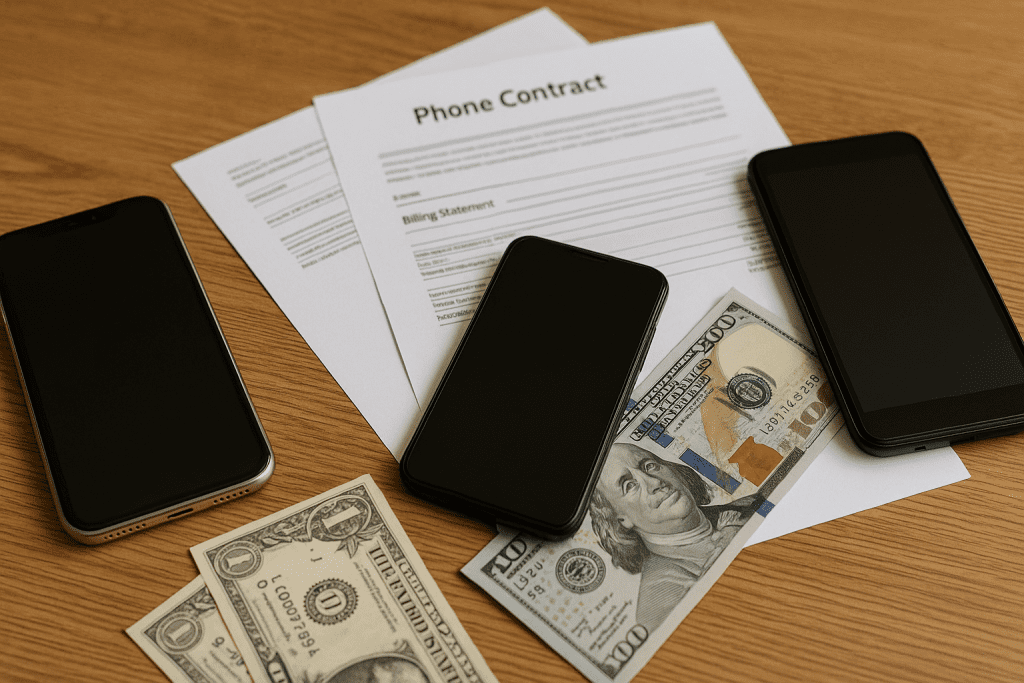
Before You Sign That Phone Plan: 8 Hidden Costs You’re Probably Overlooking

Before You Sign That Phone Plan: 8 Hidden Costs You’re Probably Overlooking

Choosing a phone plan can feel exciting — a new plan often means a new phone, faster data speeds, or better coverage. But before you get caught up in the excitement of flashy ads and “unlimited everything” offers, it’s worth taking a closer look at the fine print.

The truth is, many carriers promote their plans as affordable or all-inclusive, yet there are often hidden costs that don’t show up until your first bill arrives. These surprise charges can turn what looked like a great deal into a financial headache.

In this post, we’ll break down the most common hidden costs of phone plans — and what you can do to avoid overpaying.


1. Activation and Setup Fees

Most phone carriers charge a one-time activation or setup fee when you sign up for a new line or switch to a new plan. This might seem small at first glance — maybe $30 or $40 — but when you’re setting up multiple lines or upgrading often, those fees can add up fast.

Some carriers even charge extra if you activate your phone in-store rather than online. Before signing up, always ask:

  • Is there an activation fee?

  • Can it be waived if I order online?

Taking the time to check this small detail could save you money right away.


2. Overage Charges and Data Limits

“Unlimited” doesn’t always mean truly unlimited.

Many carriers promote unlimited data, but if you look closer, you’ll see that data throttling often kicks in after a certain threshold — for example, 20GB or 50GB per month. After that, your speeds may slow to a crawl.

Other plans charge overage fees if you exceed your talk, text, or data limits. These extra costs can appear without warning, especially if your data usage spikes from streaming videos or downloading large files.

Make sure you understand what your carrier means by “unlimited,” and check your plan’s data cap before signing up.

👉 Pro tip: To learn how to maximize your data usage, check out our guide on how to unlock unlimited data on Tracfone.


3. Roaming Charges: The Traveler’s Trap

If you travel frequently — whether across the country or abroad — roaming fees are something to watch closely.

Domestic roaming can occur when you’re outside your carrier’s network area, while international roaming applies when you’re overseas. These charges can be shockingly high, especially for data usage.

Before traveling, ask your provider if your plan includes free or discounted roaming. Some plans include international coverage in over 100 countries, while others charge by the megabyte — which adds up quickly.

If you travel often, look for plans that clearly state “no roaming fees” or “free international coverage.” It might cost a little more upfront, but you’ll avoid those unexpected $100+ bills.


4. Device Fees and Installment Plans

That shiny new smartphone may not be as “included” in your plan as it seems.

Carriers often separate your device cost from your service cost. This means you’re paying for your plan and for your phone — either through a lump sum or a monthly installment.

For example, if your plan costs $60 per month but you’re paying $25 per month for your phone, your real bill is $85.

Before agreeing, always check:

  • Is the device fully paid upfront or financed?

  • What happens if I cancel early?

  • Can I bring my own device to save money?

Sometimes, buying an unlocked phone and choosing a SIM-only plan from JNA Mobility can save you hundreds in the long run.


5. Taxes and Regulatory Fees

One of the most overlooked costs in any phone bill is taxes and government fees. These charges are required by law and can vary significantly depending on your location.

Your bill might include:

  • Federal Universal Service Fund fees

  • 911 service fees

  • Local telecom taxes

  • State and city surcharges

While these aren’t technically “hidden,” they’re rarely included in the advertised price — which means your $50 plan might actually cost $60 or more each month.

When comparing plans, look for carriers that show the estimated total cost including taxes and fees before checkout. Transparency here makes budgeting much easier.


6. Insurance and Protection Plans

Many carriers will offer you an insurance or protection plan at checkout. While these plans can be valuable if your phone is lost, stolen, or damaged, they often come with a monthly fee that adds up over time.

Let’s say you pay $15 a month for device protection — that’s $180 a year. Over a two-year contract, that’s $360 — sometimes more than the cost of replacing the phone yourself.

Before saying yes, consider:

  • Does your credit card or homeowner’s insurance already cover phone damage or loss?

  • Is your device worth protecting for that long?

  • How high is the deductible if you file a claim?

In many cases, skipping the insurance and setting aside a small emergency fund can be the smarter financial move.


7. Upgrade and Early Upgrade Fees

If you’re the type who loves upgrading to the latest iPhone or Samsung Galaxy every year, you might face upgrade fees.

Some carriers charge you to upgrade early or enroll in special “early upgrade” programs. Others may require you to pay off your device balance before switching.

While upgrading often feels exciting, it can also trap you in a cycle of ongoing payments. Instead, consider waiting until your contract ends or choosing a BYOD (Bring Your Own Device) plan to gain more flexibility.


8. Cancellation Fees and Contract Penalties

Last but not least: cancellation fees.

If you decide to cancel your plan before your contract is over, most carriers will hit you with a termination fee. This can range from a flat amount to the remaining balance of your phone’s installment plan.

Before committing, read the fine print on:

  • Early termination fees

  • Device payoff requirements

  • Whether your plan is month-to-month or contract-based

If you anticipate switching carriers soon, choose a no-contract phone plan. They offer more freedom and fewer penalties — perfect for those who value flexibility.


Final Thoughts: Choose Smart, Stay Informed

Finding the right phone plan isn’t just about the advertised price — it’s about understanding the real total cost.

Before signing up, take the time to:

  1. Review every fee and clause in the plan details.

  2. Ask your carrier to provide a full price breakdown.

  3. Compare plans side-by-side — including activation, taxes, and overage fees.

Being informed now will prevent financial surprises later.

At JNA Mobility, we believe in transparency and helping customers make the best choice for their budget and lifestyle. Whether you’re looking for an affordable prepaid plan, unlimited data, or a flexible business phone solution, we’ve got you covered.

Explore our latest phone plans and deals today and find the plan that truly fits your needs — without the hidden costs.

Before You Sign That Phone Plan: 8 Hidden Costs You’re Probably Overlooking Read More »

Choosing phone plan

Don’t Get Stuck with the Wrong Plan: What to Look for in Phone Plans

Choosing the right phone plan can be overwhelming, especially with so many options available. Whether you’re deciding between prepaid and postpaid, looking for the best data allowance, or trying to save money, it’s important to understand what each plan offers and how it fits your lifestyle. In this post, we’ll guide you through the key factors you should consider when choosing a phone plan so that you don’t get stuck with the wrong one.

Types of Phone Plans

Prepaid vs. Postpaid Plans

One of the first decisions you’ll have to make is whether to go for a prepaid or postpaid plan. Both have their pros and cons, and the choice largely depends on your personal needs and preferences.

  • Prepaid Plans: With prepaid, you pay for your service upfront. This option is ideal if you want control over your spending without the commitment of a long-term contract. Learn more about the differences by checking out comparing prepaid vs postpaid SIM cards to see which one fits your lifestyle best.
  • Postpaid Plans: Postpaid plans, on the other hand, allow you to pay for your service at the end of each month. These plans often come with more benefits, such as access to premium features or lower rates for higher data usage. To dive deeper, read about the perfect mobile plan for your lifestyle.

Flexibility and Commitment

Prepaid plans are known for their flexibility. They typically don’t require a contract, which allows you to switch carriers or change plans whenever you like. This can be ideal for those who don’t want to be locked into a long-term commitment.

Postpaid plans, on the other hand, may come with contract terms but often include better perks such as lower rates for high usage or family plans. These plans are great for people who use their phone regularly and don’t mind committing to a carrier for a longer period.

Data, Talk, and Text Allowance

Choosing the Right Data Plan

Your data needs will likely be the biggest factor in determining which phone plan is right for you. If you’re someone who uses data frequently for streaming videos, browsing the internet, or working on the go, you’ll want a plan with a generous data allowance.

For casual users who only need data for occasional browsing or social media, a lower data plan will suffice. However, for heavy users, choosing a plan with unlimited data can be the best option to avoid overage charges.

Unlimited Talk and Text Options

Most carriers offer unlimited talk and text with both prepaid and postpaid plans. This feature has become standard, but it’s still essential to check the fine print to make sure there aren’t any hidden limitations or extra charges.

Cost Considerations

Upfront vs. Monthly Costs

When comparing phone plans, it’s crucial to understand the difference between upfront and monthly costs. Prepaid plans typically require you to pay upfront, which means you’re not tied to any long-term commitments, but you also need to ensure that you can afford the cost each time you top up.

Postpaid plans spread the cost out over monthly payments, which may seem easier on the wallet in the short term. However, these plans sometimes come with hidden fees or extra costs that can add up over time.

How to Save Money on Phone Plans

Looking to save some money? It’s essential to compare different phone plans and check for any discounts or promotions. Many carriers offer special deals on prepaid plans, while postpaid plans may have family or multi-line discounts that lower the cost per user.

For a detailed guide on saving money, check out save money with comparing prepaid and postpaid phone plans to make sure you’re not overpaying for services you don’t need.

Network Coverage and Speed

Checking Carrier Coverage

Before choosing a phone plan, make sure that the carrier provides adequate coverage in your area. Some carriers may offer excellent plans but lack reliable coverage in certain regions. Most carriers provide coverage maps that allow you to check the strength of their signal in your location.

Importance of Network Speed

If you rely on your phone for work, streaming, or gaming, network speed is just as important as coverage. Plans on 5G networks will offer the fastest speeds, but they may come with higher costs. If high-speed data is crucial to you, look for a plan that offers access to these networks.

International Calling and Roaming

Does the Plan Include International Features?

If you frequently travel abroad or need to make international calls, it’s essential to choose a plan that offers affordable international calling rates or roaming options. Some postpaid plans include free or discounted international minutes, while prepaid plans often charge extra for this service.

Roaming Charges

Roaming charges can quickly add up if you’re not careful. Make sure to read the fine print of any plan to understand its roaming policies, especially if you travel frequently. Some plans may offer affordable roaming packages, while others might charge hefty fees.

Add-Ons and Perks

Extra Features to Look Out For

Many phone plans come with additional features, such as mobile hotspot access, device protection, or streaming service subscriptions. While these add-ons can be useful, they can also increase the cost of your plan. Make sure you’re not paying for features you don’t need.

Family and Group Plans

If you’re looking for a plan that covers more than one person, family or group plans can be a great option. These plans often come with discounts for adding multiple lines, making them more cost-effective than individual plans.

How to Switch Phone Plans

Can You Keep Your Number?

One of the most important things to consider when switching phone plans is whether you can keep your existing number. Most carriers will allow you to port your number from one plan to another, but it’s always a good idea to check beforehand.

No-Contract Plans vs. Contract Plans

If you’re switching from a postpaid plan to a prepaid plan, you’ll enjoy the benefit of not being locked into a contract. On the flip side, switching from a prepaid to a postpaid plan may require a contract commitment, so be sure to read the terms carefully.

Conclusion

Choosing the right phone plan is essential to avoid unnecessary costs and hassles down the road. Whether you decide to go with a prepaid or postpaid plan, the key is to understand your needs, compare different options, and look for flexibility, data allowance, and coverage. Don’t get stuck with the wrong plan—make an informed choice that fits your lifestyle and budget.

For more insights into mobile plans and how to choose the best one, check out comparing plans and ensure you’re making the right decision.

Don’t Get Stuck with the Wrong Plan: What to Look for in Phone Plans Read More »