JNA Mobility

Phone plans

Spectrum Mobile Deals

Get the Best Spectrum Mobile Deals

Introduction to Spectrum Mobile deals

Spectrum Mobile is a wireless service provider operated by Spectrum, which also provides cable TV, internet, and home phone services. Spectrum Mobile launched in 2018 as a mobile virtual network operator (MVNO) that utilizes Verizon’s extensive 4G LTE network. 

As an MVNO, Spectrum Mobile does not own or operate its own cell phone towers. Instead, it purchases network access from Verizon at wholesale rates and then sets its own retail pricing for subscribers. This allows Spectrum to offer cellular service without maintaining its own network infrastructure.

The key advantage of Spectrum Mobile is its integration with Spectrum’s other services. Spectrum internet customers get unlimited mobile data access and unlimited talk/text when bundling mobile with home internet. Spectrum also allows customers to mix-and-match unlimited data options based on individual needs.

Overall, Spectrum Mobile deals aim to leverage Spectrum’s large internet subscriber base and Verizon’s premium network to deliver a flexible and seamless connectivity experience across devices. It’s an appealing option for existing Spectrum households seeking mobile service.

Spectrum Mobile Plans

Spectrum Mobile offers customers two main plan options to choose from: unlimited data or by-the-gig data.

The unlimited data plan provides unlimited talk, text, and data on Spectrum Mobile’s network for $45/month per line. This plan includes 5G data access at no extra cost. Some key highlights of the unlimited data plan include:

– No caps on data usage – customers can use as much LTE and 5G data as they want without slowdowns.

– Unlimited talk and text to U.S. numbers.

– Free calling to Canada and Mexico. 

– spam call blocking and fraud monitoring free of cost.

– Free access to Spectrum WiFi hotspots when away from the mobile network.

The by-the-gig plan charges $14/GB of data used per month, with options to add 1GB for $14 or 3GB for $30 as needed. Additional highlights include:

– Pay only for the data used each month, with options to roll over unused data.

– Unlimited talk and text to U.S. and Canada.

– Free spam call blocking and fraud monitoring.

– Access to Spectrum WiFi hotspots.

– Ability to switch to unlimited data anytime.

Both plans allow mixing and matching lines on different plans to customize for each family member’s needs. Taxes and fees are included in the monthly prices for simplicity.

Network Coverage

Spectrum Mobile uses Verizon’s cellular network to provide coverage for its customers. This gives Spectrum Mobile customers access to Verizon’s extensive network, which has been consistently rated as one of the best cellular networks for coverage and performance.

Verizon’s 4G LTE network reaches over 2.6 million square miles, covering over 99% of all Americans. Verizon has invested heavily in their network, with state of the art fiber optic and wireless infrastructure. They have worked to expand their coverage, especially in rural areas that have traditionally lacked good connectivity.

What makes Verizon’s network stand out is its consistent performance and speed, even when networks are congested or being used heavily. Verizon’s network has great capacity, meaning slower speeds at peak times are less of an issue compared to other carriers.

In third party testing and reports, Verizon’s network consistently delivers fast download and upload speeds, wide coverage, and reliable performance. RootMetrics, J.D. Power, and PCMag have all ranked Verizon as a top network for overall coverage, speed, data performance and call reliability.

By leveraging Verizon’s network, Spectrum Mobile is able to provide its customers with excellent connectivity across the United States. Users can enjoy fast 4G LTE data, reliable calls and texts, and robust coverage while on the go. Spectrum Mobile customers get access to the same great network experience that Verizon customers do.

Bring Your Own Device

One of the most appealing features of Spectrum Mobile is the ability to bring your own compatible device. This allows you to keep your current smartphone instead of having to purchase a new one. 

Spectrum Mobile has an extensive list of devices that are compatible with their network. This includes most modern iPhones, Samsung Galaxy devices, Google Pixel phones, and many other Android smartphones. Generally speaking, if the device is relatively new and was created for use on major cellular networks in the United States, it will likely work with Spectrum Mobile.

When you sign up for Spectrum Mobile service, you can simply provide the phone’s IMEI number to verify compatibility. As long as the device is listed as compatible, you can then pop in Spectrum’s SIM card and will be ready to start using their service. This makes switching very convenient since you can keep your existing phone, contacts, apps, and data.

Some things to keep in mind with BYOD:

– Your device must be unlocked to allow use of a different SIM card. Most newer phones purchased directly from Apple, Samsung etc are unlocked. 

– Although your phone will work on the Spectrum network, certain provider-specific features may not function, like WiFi calling. Visual voicemail may also need to be configured separately.

– You will need to purchase a standard or micro SIM card from Spectrum to activate service on an existing phone. This usually costs around $10.

The ability to bring your own smartphone provides more choice and flexibility when signing up for Spectrum Mobile. As long as your device is compatible and unlocked, you can avoid the cost of purchasing a new phone when switching carriers. This perk makes it easier for many customers to take advantage of the competitive pricing and coverage Spectrum Mobile offers.

Spectrum Mobile Phones

Spectrum Mobile offers a variety of phones that you can purchase directly through them. Here are some of the details on the phone options:

– iPhone options – Spectrum Mobile offers the latest iPhones from Apple including the iPhone 14, iPhone 14 Plus, iPhone 14 Pro, and iPhone 14 Pro Max. You can purchase the phones upfront or spread payments over 24 months.

– Samsung Galaxy – Current Samsung phones available include the Galaxy S22, S22+, and S22 Ultra as well as the Z Flip 4 and Z Fold 4. Top of the line Samsung devices that allow for 5G connectivity.

– Google Pixel – Spectrum Mobile sells unlocked Pixel phones including the Pixel 7, Pixel 7 Pro, Pixel 6a, Pixel 6, and Pixel 6 Pro. 

– Moto – Motorola phones like the Moto G Stylus 5G and Moto G Play are affordable options starting under $200.

– Other Android options – You’ll also find phones like the OnePlus 10 Pro 5G, Sony Xperia 1 IV, and ZTE Axon 40 Ultra on Spectrum Mobile.

– Certified Pre-owned – Spectrum sells certified pre-owned and refurbished iPhones and Samsung Galaxy phones which can be a cost-effective option.

– Accessories – Cases, chargers, headphones and more accessories are available for your new smartphone.

Spectrum Mobile aims to offer competitive pricing on the latest flagship smartphones as well as lower-cost budget-friendly options. Phones are sold unlocked so you can use them on other carriers if you switch. Overall, Spectrum provides an appealing selection of new phones that work on their network.

Perks of Spectrum Mobile

Spectrum Mobile offers several unique benefits not found with other carriers. Most notable is that Spectrum Mobile customers get free 5G access automatically with no extra fees. Spectrum was one of the first carriers to roll out 5G service across the country, so customers can enjoy ultra-fast speeds in hundreds of cities. 

Another perk is unlimited data options. Spectrum Mobile has an unlimited data plan that does not throttle speeds after a certain data usage level. This means customers can stream, browse, and use as much data as they want without slowdowns. Video typically streams at HD quality too without any limitations.

Spectrum Mobile also provides unlimited talk and text to Mexico and Canada at no extra charge. The unlimited plans have no hidden fees and taxes are included in the advertised price. Overall, Spectrum Mobile’s unlimited data plans provide excellent value compared to other major carriers.

Customers also get access to Spectrum’s nationwide WiFi hotspot network. This provides users with an additional data source when away from cellular towers. Spectrum has over 500,000 hotspots across the country to enhance coverage.

Lastly, Spectrum Mobile offers personalized customer support and easy account management through their helpful mobile app. Customers can perform tasks like paying bills, tracking data usage, and contacting support conveniently through the app.

In summary, Spectrum Mobile’s perks like free 5G, unlimited data, WiFi hotspots, and great customer service make it an appealing choice for many cellular customers. The carrier offers high-quality service with excellent value.

Limitations of Spectrum Mobile

One major limitation of Spectrum Mobile is that it is only available to existing Spectrum internet customers. If you don’t already have Spectrum internet service at your home, you won’t be able to sign up for Spectrum Mobile as a standalone wireless plan. This restricts the provider’s potential customer base to those who are able to get Spectrum internet service, which may not be available in all areas.

Another downside of Spectrum Mobile is that data speeds may be slowed after 20GB of usage each month. While the first 20GB of data on Spectrum Mobile plans is at full 4G LTE speeds, any data used after hitting that threshold is subject to reduced speeds. This is similar throttling policies in place at other major wireless carriers like Verizon, AT&T and T-Mobile. However, having speeds slowed can be frustrating for heavy data users.

Additionally, Spectrum Mobile only allows streaming video at up to HD quality, capping it at 1080p resolution. Other carriers like Verizon and T-Mobile allow unlimited streaming at higher resolutions. So customers wanting the ability to stream 4K or ultra HD video may find Spectrum Mobile limiting.

In summary, key restrictions of Spectrum Mobile include:

– Only available for existing Spectrum internet subscribers

– Speeds may be throttled after 20GB of data usage per month  

– Video streaming quality capped at 1080p HD resolution

For some customers, especially those who want maximum data speeds and video streaming quality, these limitations could be deal breakers when considering Spectrum Mobile. Evaluating your own wireless data needs is important when deciding if Spectrum Mobile is a good fit.

Customer Satisfaction

Spectrum Mobile is a relatively new service, having launched in 2018, so there are not a huge number of customer reviews available yet. However, early reviews seem mostly positive. 

On Trustpilot, Spectrum Mobile has a rating of 4 out of 5 stars based on just over 1,100 reviews. Positive reviews praise the value, network quality and customer service. Negative reviews cite issues with activation, billing errors and lack of smartphone options.

On the Better Business Bureau (BBB) website, Spectrum Mobile has an A+ rating, despite having nearly 300 complaints in the last 3 years. Spectrum has responded to most of the complaints and worked to resolve issues. Complaints range from activation problems to deceptive advertising.

One of the most common sources of dissatisfaction with Spectrum Mobile seems to be the requirement to have an existing Spectrum internet subscription. Some customers have complained about needing to get Spectrum internet just to access Spectrum Mobile, especially if they were happy with their existing internet provider.

Overall, Spectrum Mobile appears to have fairly satisfied customers so far. As with any newer service, there have been some growing pains. But the value and quality of the Verizon-based service seems to outweigh most issues for many customers. More time is likely needed to establish longer-term satisfaction levels.

Bottom Line 

Spectrum Mobile is best suited for existing Spectrum internet customers looking to bundle mobile service with their home internet. By leveraging Spectrum’s network infrastructure, Spectrum Mobile can offer competitive prices compared to other major carriers. 

The two main Spectrum Mobile plans are Unlimited for $45/month and By The Gig at $14/GB. Both plans include unlimited talk and text, access to nationwide 5G, and no hidden fees. Customers can also mix and match unlimited and by the gig options on family plans. 

A major benefit of Spectrum Mobile is that it runs on Verizon’s robust 4G LTE and 5G networks. So customers get extensive coverage similar to Verizon without paying Verizon prices. Bring Your Own Device is supported or customers can choose from a decent selection of mobile devices.

While Spectrum Mobile offers competitive pricing and network coverage, the biggest limitation is that it’s only available to existing Spectrum internet subscribers. So it’s not an option for customers outside of Spectrum’s internet coverage area. Data speeds may also be slower than Verizon since Spectrum Mobile is deprioritized on the Verizon network during high traffic times.

Overall, Spectrum Mobile is a great value for existing Spectrum internet subscribers looking to bundle mobile service. The combination of unlimited data options, expansive coverage, and low prices makes Spectrum Mobile worth considering. Customers who want premium data speeds may want to weigh other carrier options. But Spectrum Mobile hits a nice sweet spot between value, network quality, and flexibility.

Get the Best Spectrum Mobile Deals Read More »
prepaid and postpaid plans

Save Money With Comparing Prepaid and Postpaid Phone Plans

Prepaid and postpaid are the two main options when signing up for cell phone service. With prepaid plans, you pay upfront for a set amount of minutes, texts, and data that expire after a certain period. Postpaid plans bill you monthly after using the service, allowing flexibility in your usage amounts. Customers with bad credit often cannot qualify for postpaid, but prepaid plans are available to anyone regardless of credit. Both options have pros and cons to weigh when deciding which type of cell phone plan makes the most sense for your needs. This guide examines the key differences between prepaid and postpaid phone plans.

Cost of Phone Plans

When comparing prepaid and postpaid cell phone plans, one of the biggest differences is the cost structure.  

With prepaid plans, you pay for the service upfront. There are no contracts or commitments. The main costs are:

Upfront costs – Prepaid plans typically require you to purchase the phone upfront at full price. This can range from $100 for a basic phone up to $1000 or more for the latest flagship smartphone. You also need to purchase a SIM card which is usually around $10.

Monthly fees – Prepaid plans have lower monthly fees ranging from $15-50 per month depending on the amount of data, minutes and texts included. The fees are predictable each month.

Overage charges – With prepaid, if you exceed the allotted data, minutes or texts in your plan, you will pay predetermined overage fees. These are usually around 10 cents per minute, 5 cents per text, and $10 per GB. Overage charges can add up quickly.

Postpaid plans have higher monthly fees but no upfront costs. The tradeoffs are:

– Carriers subsidize the phone so you only pay a small upfront cost.

– Monthly fees range from $50-100+ depending on data amounts. Extra lines and device fees can increase this.

– Overage charges are often vague or extremely high. Going over your data limit by 1 GB could incur a $15 fee.

So in summary, prepaid plans have lower monthly costs but you pay full price for the phone. Postpaid has subsidies on devices but higher recurring fees.

Network Coverage 

When it comes to network coverage, there are some key differences between prepaid and postpaid plans. 

Prepaid plans typically use the major wireless networks like Verizon, AT&T, T-Mobile, and Sprint. However, prepaid plans may not get access to the full network coverage that postpaid plans do. The major carriers often reserve their most advanced network capabilities and widest coverage for postpaid subscribers only.

With prepaid plans you may experience slower data speeds, less reliable connections, and more limited coverage, especially in rural areas. Most prepaid plans do not include domestic roaming outside your carrier’s home coverage area. So if you travel frequently, a postpaid plan may provide better nationwide coverage and fewer dead zones.

Postpaid plans directly through the major carriers provide access to the full breadth of their network coverage. You’ll get the fastest network speeds, most robust and reliable connections, and broadest coverage domestically. Postpaid plans include domestic roaming for seamless coverage while traveling.

The major downside of postpaid coverage is that it comes at a premium price. You’ll pay more per month for those extra coverage perks compared to a prepaid carrier using the same underlying network.

So in summary, postpaid generally provides better coverage, speeds, and roaming ability, but prepaid can still utilize the major carrier networks on a more limited basis for less money. Consider where you need coverage and how much you’re willing to pay monthly when weighing prepaid vs postpaid plans.

Phone Options

When choosing between prepaid and postpaid plans, one key difference is the phone options available. 

Bring Your Own Device (BYOD)

With prepaid plans, you usually have the option to bring your own compatible device. This allows you to use an existing smartphone you already own and like. Postpaid plans often require you to purchase one of their phones, although some postpaid carriers like Verizon now offer BYOD options.

The advantage of BYOD with prepaid is you avoid paying several hundred dollars upfront for a new device. The potential drawback is that your existing phone may not have all the latest features and specs of new models. With postpaid, you typically get the latest high-end phones but have to pay more for the device.

Provided Devices

Prepaid carriers like TracFone often sell basic and inexpensive smartphones intended for their plans. These affordable Android devices lack some bells and whistles but get the job done for budget-focused users. 

Postpaid carriers like AT&T and T-Mobile offer premium smartphones including the latest iPhones and Galaxy models. However, these state-of-the-art devices cost much more, often $800+ without any carrier subsidies.

So with prepaid you can save on phones, but have more basic options. Postpaid gives you cutting edge devices for a premium price tag. Consider which factors are most important to make the right choice for your needs and budget.

Plan Flexibility

One of the key differences between prepaid and postpaid plans is the flexibility to change plans or services. 

With prepaid plans, you can usually change between available prepaid plans at any time without penalty. Many prepaid providers have an online account dashboard or app that makes it easy to switch plans instantly. This gives you the flexibility to increase or decrease your plan amounts or data usage from month to month.

Prepaid plans also often allow you to rollover unused plan balances to the next month. For example, if you purchase a $50 monthly plan but only use $40 of talk/text/data, the remaining $10 balance rolls over to the next month. This gives you flexibility in how you use your prepaid service.

In contrast, postpaid plans usually lock you into a 1 or 2 year service contract. It can be difficult, expensive, or impossible to change plans before your contract term is up unless you pay an early termination fee. Postpaid services also do not offer rollover balances – any allotted services you don’t use in a month are lost.

So if having the ability to freely change plans or roll over unused allotments is important, prepaid plans offer much more flexibility than postpaid plans in most cases. Just be aware of any plan change fees or policy restrictions specific to your chosen prepaid provider.

Credit Checks 

Most postpaid plans require a credit check before service can be started. This is because you are essentially taking out a loan from the wireless provider for the cost of the phone and service. They want to ensure you have good credit and will be able to make the monthly payments.

Prepaid plans do not require any credit checks. Since you pay for the service upfront, there is no loan or credit extension from the wireless company. Prepaid services are available to anyone regardless of their credit score. 

This makes prepaid plans a great option if you have bad credit or no credit history. You don’t have to worry about being denied for service. As long as you can pay for the service upfront, you can get a prepaid phone and plan.

Contract Commitment 

One of the biggest differences between prepaid and postpaid plans is the contract commitment required. 

With postpaid plans, you typically have to sign a long-term service contract, usually 1-2 years. This locks you into that carrier and plan for the duration of the contract. If you want to cancel early, you’ll face an expensive early termination fee, often hundreds of dollars.

Prepaid plans do not require any contract at all. You simply pay month-to-month for service, with no long-term commitments. This gives you the flexibility to change carriers or plans at any time without penalties. 

Many people prefer the freedom of prepaid plans to avoid being stuck in a long contract if they want to switch carriers or plans down the road. With prepaid, you have the control to change your service at any time.

Features of Prepaid and Postpaid Plans

Prepaid and postpaid plans differ quite a bit when it comes to included features. Here’s an overview of what’s typically included with each type of plan:

Prepaid Plans

Basic features: Prepaid plans tend to offer basic talk, text, and data. Some plans may include extras like mobile hotspot usage, international calling, etc. But most just provide simple talk/text/data.

No streaming services included: You’ll have to pay extra for streaming subscriptions like Spotify Premium or Apple Music. Prepaid plans don’t usually include these by default.

Limited hotspot data:  Most prepaid plans only allow a small amount of 4G LTE hotspot usage per month (typically a few GB). If you need more, you’ll have to pay for data passes.

No premium network extras: Perks like streaming services, cloud storage, or other network extras are not included with prepaid. Those types of features are more commonly found with postpaid plans.

Postpaid Plans

More features included: Postpaid plans tend to be bundled with additional features like streaming music/video, mobile hotspot data, cloud storage, etc.

Potentially unlimited hotspot data: Some postpaid plans offer unlimited 4G LTE hotspot usage, allowing you to use your phone’s data for other devices.

Premium network extras: Depending on the carrier and plan, you may get extras like subscription music/video streaming, cloud storage, sports streaming, etc. included.

International features: Postpaid plans are more likely to include international talk, text, and data as well as other travel-friendly features.

So in summary, postpaid plans tend to be packaged with more robust features while prepaid plans offer more basic talk, text, and data. The extra hotspot data, streaming services, and network extras make postpaid more appealing for heavy data users.

Customer Service 

When it comes to customer service, there are some key differences between prepaid and postpaid plans. 

Prepaid plans generally offer more limited customer service options compared to postpaid plans. Many prepaid providers rely primarily on self-service through their websites and automated phone systems. Getting through to speak to a live agent can be difficult and time consuming. Support is often more restricted, with shorter service hours and longer wait times to speak to a representative. 

In contrast, postpaid providers typically offer phone support 24/7 as well as in-store support. Wait times to speak to a live agent are usually shorter. Support reps often have more training and resources available to address issues. They are also able to make adjustments to your account that prepaid reps may not be able to do.

The more limited customer service with prepaid plans is one of the tradeoffs for the lower cost. But many customers are willing to accept longer wait times and less personalized support in exchange for no contracts or credit checks. The quality of customer service on prepaid plans has improved over the years, but postpaid carriers still tend to offer a higher level of support overall.

When weighing prepaid vs postpaid, assess your customer service needs. If you want access to in-depth support anytime, a postpaid plan may be the better choice. But if you rarely need customer assistance, then a prepaid plan can provide solid service options at a lower price point. Check reviews and test out customer service yourself before committing to determine if a prepaid carrier’s support will meet your needs. Quality customer service is important on both types of plans, but your requirements may help guide you towards prepaid or postpaid when deciding between the two.

Conclusion

When deciding between prepaid and postpaid cell phone plans, there are several key factors to consider. 

Prepaid plans tend to have lower monthly costs, no long-term contracts, and no credit checks. This makes them appealing for budget-conscious users or those with poor credit. However, prepaid plans generally offer fewer plan features, less flexible options, and more limited network coverage. Phones must be purchased upfront at full price.

Postpaid plans require credit checks and long-term contracts. However, they offer better network coverage, especially with major carriers. Postpaid plans also include more features like mobile hotspot, advanced network prioritization, and international roaming. Subsidized phone pricing makes high-end devices more affordable. 

Ultimately, choosing between prepaid and postpaid depends on your budget, credit standing, desired features, and network coverage needs. Prepaid plans are better for cost savings and flexibility. Postpaid is preferable for premium features, expansive networks, and device subsidies. Assess your personal usage and financial situation to determine the best fit. Either plan can be a good option with the right provider. Do your research to find a carrier matching your priorities for the optimal prepaid or postpaid plan.

Save Money With Comparing Prepaid and Postpaid Phone Plans Read More »

Business Broadband and Phone Packages

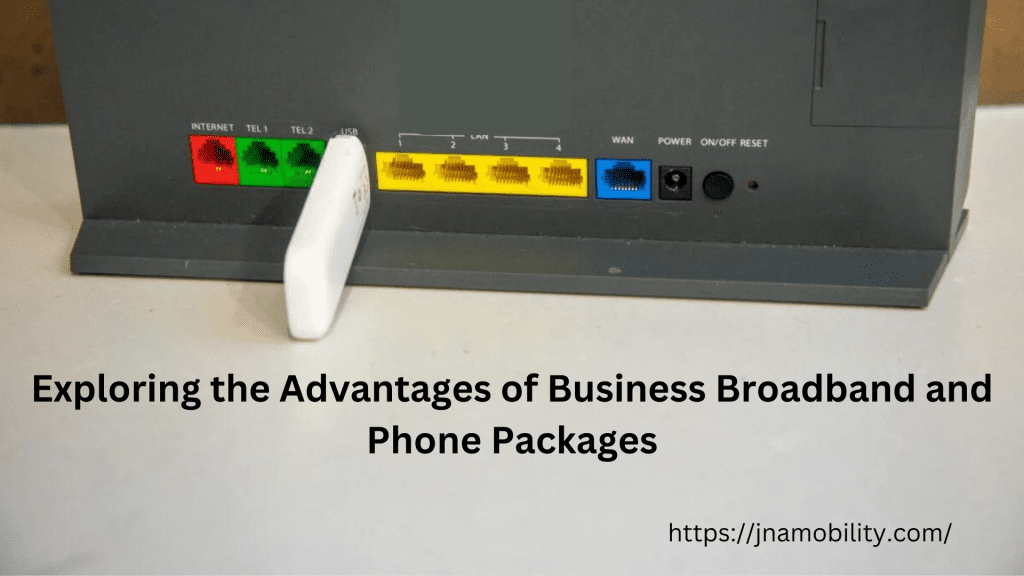
Exploring the Advantages of Business Broadband and Phone Packages

In the dynamic landscape of business operations, establishing a robust and dependable communication infrastructure is paramount for seamless connectivity and productivity. The amalgamation of business broadband and phone packages has emerged as an essential solution for organizations seeking effective and economical communication tools. In this blog post, we will delve into the key advantages of opting for integrated business broadband and phone packages, empowering businesses to stay connected and flourish in the digital age.

Efficient Communication Streamlining

Business broadband and phone packages offer a consolidated platform for communication, allowing organizations to streamline their operations. By entrusting a single provider to manage both broadband and phone services, companies can benefit from integrated solutions that simplify communication processes, contributing to overall operational efficiency.

Economical Solutions

Choosing bundled business broadband and phone packages often leads to cost savings for organizations. These packages typically come with discounted rates compared to individual services, providing cost-effective solutions. This economic efficiency is particularly advantageous for small and medium-sized enterprises (SMEs) looking to maximize their budget without compromising on communication service quality.

Scalability and Flexibility Advantages

Business needs evolve over time, and the scalability and flexibility offered by integrated broadband and phone packages are invaluable. As businesses expand, they can easily upgrade their plans to accommodate increased communication demands. This adaptability ensures that businesses can scale their connectivity solutions in tandem with their growth trajectory.

Heightened Reliability Assurance

Reliable communication serves as the backbone of any successful business. Business broadband and phone package often come with service level agreements (SLAs) that guarantee a specific level of uptime and reliability. This assurance is crucial for organizations that rely on continuous and uninterrupted connectivity for their day-to-day operations.

Unified Support and Maintenance Simplification

Managing both broadband and phone services through a single provider simplifies support and maintenance processes. Businesses can enjoy the convenience of a unified point of contact for technical support and issue resolution. This integrated approach minimizes downtime, ensuring that communication services are consistently optimized.

Feature-Rich Solutions

Business broadband and phone packages typically include a variety of features designed to enhance communication capabilities. From advanced call management features to high-speed internet access, these packages offer a comprehensive suite of tools that contribute to increased productivity and collaboration within the organization.

Dedicated Customer Support Accessibility

Selecting a reputable provider for business broadband and phone package guarantees access to dedicated customer support. Businesses can benefit from responsive and specialized assistance for both their broadband and phone services, addressing any concerns promptly and effectively.

Fostering Collaboration

Integrated communication solutions foster increased collaboration among team members. With seamless connectivity between phone lines and high-speed internet access, employees can communicate and collaborate more efficiently, leading to improved teamwork and productivity.

Business broadband and phone package represent a strategic investment for companies aiming to optimize their communication infrastructure. The integration of broadband and phone services offers a host of benefits, including streamlined communication, cost efficiency, scalability, and enhanced reliability. As businesses continue to embrace the digital era, choosing comprehensive communication solutions becomes a cornerstone for success. Explore the diverse options available in business broadband and phone packages to empower your organization with connectivity that aligns with your unique needs and goals.

Exploring the Advantages of Business Broadband and Phone Packages Read More »