JNA Mobility

admin

5G Plans That Will Last: Future-Proof Your Connection

5G Plans That Will Last: Future-Proof Your Connection

5G plans that will last are essential in today’s fast-paced digital world, where staying connected matters more than ever. Whether you’re streaming your favorite shows, video chatting with family, or managing your smart home devices, a reliable internet connection is key. With the rollout of 5G technology, you gain faster speeds and lower latency, but that also means you need to be more selective when choosing your mobile plans. In this blog, we’ll explore how to find a plan that not only meets your current requirements but also adapts as technology continues to advance, allowing you to enjoy seamless connectivity today and in the future.

Understanding 5G Technology

Before diving into selecting the right 5G plans that will last, it’s crucial to grasp what 5G technology offers. 5G stands for fifth generation, and it significantly enhances mobile network performance compared to its predecessor, 4G LTE. With faster speeds, reduced latency, and increased capacity, 5G supports the growing demands of users.

The Advantages of 5G

  • Speed: 5G networks provide significantly faster download and upload speeds. This improvement allows for quicker streaming, smoother video calls, and efficient data transfer.
  • Low Latency: With reduced lag time, 5G enables real-time communication, which proves essential for applications like gaming, telemedicine, and autonomous vehicles.
  • Increased Connectivity: 5G supports a larger number of devices simultaneously, making it ideal for households with multiple smart devices.

These advantages clearly highlight why choosing the right 5G plan is crucial for future-proofing your connection.

Key Features to Look for in 5G Plans

When selecting 5G plans that will last, consider the following features:

Coverage and Network Reliability

First and foremost, coverage is one of the most important factors. Not all providers offer the same network reach, especially in rural areas. Therefore, you must choose a provider that delivers robust coverage in your location. For more details on this aspect, visit our section on 5G in rural areas.

Data Limits

In today’s era of high-definition streaming and heavy app usage, unlimited data plans often prove preferable. Therefore, look for 5G plans that will last and offer unlimited data or generous data caps to accommodate your future technology needs.

Plan Flexibility

As technology evolves, your connectivity needs may change. Thus, choose a plan that allows for easy adjustments. This flexibility could mean changing data limits, adding features, or even switching devices without incurring penalties. For a deeper understanding of what to look for in your next smartphone contract, check our guide on navigating 5G plans.

Cost Effectiveness

While 5G plans often cost more than their 4G counterparts, finding a plan that offers good value for money is essential. Therefore, look for promotions, bundling options, and deals that can help reduce overall costs. You can find affordable options on our site, including affordable 5G phones that work seamlessly with your plan.

Evaluating 5G Providers

When considering 5G plans that will last, you must evaluate different providers. Here are some key aspects to consider:

Reputation and Customer Reviews

Researching provider reputation proves crucial. Look for reviews that focus on customer service, network performance, and reliability. Gathering this information will guide your choice and help you avoid potential pitfalls.

Comparison of Plans

Take the time to compare different 5G plans from various providers. Our resource on comparing Samsung 5G mobile phones offers insights into how different devices perform under various plans, which can serve as a deciding factor.

Additional Features and Benefits

Moreover, some providers offer additional features like international roaming, mobile hotspots, or family plan discounts. These options can significantly enhance your overall experience.

The Future of 5G Technology

Understanding how 5G plans that will last fit into the broader picture of technology evolution is essential. As 5G technology advances, we can expect several exciting enhancements, such as:

Enhanced IoT Connectivity

The Internet of Things (IoT) is set to grow, and 5G will play a critical role in connecting smart devices in homes and businesses. This growth means your chosen plan should support a variety of devices seamlessly.

Improved Mobile Security

With the rise of mobile technology comes the necessity for enhanced security measures. Understanding the role of 5G in mobile security can help you choose plans that prioritize data protection, ensuring your personal information remains secure.

Conclusion: Selecting 5G Plans That Will Last

In conclusion, selecting 5G plans that will last involves considering multiple factors such as coverage, data limits, plan flexibility, and provider reputation. By thoroughly researching and comparing options, you can future-proof your connection and ensure that it meets your needs as technology continues to evolve.

For more insights on your options, explore our detailed pages on 5G plans and the ever-evolving landscape of 5G technology. With the right choice, you can enjoy the full benefits of 5G while being prepared for the innovations that lie ahead.

5G Plans That Will Last: Future-Proof Your Connection Read More »

5g plans

Navigating 5G Plans: What to Look for your Next Smartphone Contract

The rise of 5G technology has sparked a revolution in mobile communication. With faster speeds, lower latency, and enhanced network capacity, 5G is changing the way we interact with our smartphones. But with all these advancements come more complex choices when selecting your next smartphone contract. Whether you’re upgrading to a new device or switching providers, understanding the key factors in a 5G plan is essential to ensure you get the best value. In this blog post, we’ll walk through what you should look for in a 5G smartphone contract to make sure you’re making the right choice.


1. Understanding 5G and Its Benefits

Before diving into plan specifics, it’s important to understand the benefits of 5G. This technology offers:

  • Faster Speeds: 5G networks deliver data at lightning-fast speeds, allowing you to download large files or stream high-definition videos with minimal lag.
  • Lower Latency: 5G significantly reduces the time it takes for devices to communicate with each other, which is crucial for real-time applications like gaming and video calls.
  • Greater Network Capacity: With 5G, more devices can connect to the network without congestion, making it ideal for busy urban areas.

If you’re curious about how the telecom industry is evolving with the integration of 5G and AI, the future of communication is already here, reshaping your phone and data plans.


2. Choosing the Right Data Plan for 5G

When choosing a 5G plan, one of the first things to consider is your data needs. 5G data usage can be significantly higher due to faster download speeds and more data-intensive applications. Here are some key factors to keep in mind:

  • Data Limits: Look for a plan that offers generous data allowances, especially if you plan to stream a lot of video or use cloud services.
  • Unlimited Data Options: If you’re a heavy user, an unlimited data plan might be your best option to avoid costly overages.

As mobile data plans continue to evolve with the introduction of the Internet of Things (IoT), your phone contract should be flexible enough to accommodate new data demands. This is especially important if you’re using connected devices like smartwatches, home automation systems, or IoT-enabled gadgets.


3. 5G Network Coverage and Availability

One of the most crucial aspects of choosing a 5G plan is checking the network coverage in your area. While many major cities have robust 5G networks, some rural or suburban areas may still be catching up.

  • Urban vs Rural Coverage: Urban areas typically have the best 5G coverage, while rural areas may still rely on older networks. Be sure to check a provider’s coverage map before committing to a plan.
  • Global Coverage: If you frequently travel internationally, consider a plan that offers 5G service in multiple countries.

The 5G revolution is driving changes to phone contracts, and it’s important to know how these innovations will impact your bill and coverage. Understanding these shifts will help you make an informed decision when upgrading to a 5G plan.


4. Device Compatibility

Not all smartphones are 5G-compatible, so it’s essential to ensure that your current or next device can access 5G networks. Here’s what to look for:

  • 5G-Ready Phones: Make sure the phone you’re purchasing supports 5G technology. Most modern smartphones released after 2020 come with 5G capabilities, but double-check if you’re buying an older model.
  • Dual SIM Functionality: Some phones offer dual SIM functionality, allowing you to use two different networks, which can be beneficial if you travel frequently or want to keep your work and personal numbers separate.

For more details on selecting a phone that fits your needs, check out JNA Mobility’s network options to find a 5G phone that pairs well with your chosen plan.


5. Contract Flexibility and Term Length

When it comes to signing up for a 5G plan, consider how flexible the contract is. Are you locked into a multi-year agreement, or does the plan offer month-to-month flexibility?

  • Long-Term Contracts: These often provide a lower monthly rate but can tie you into a deal for two or more years.
  • No-Contract Plans: While typically more expensive upfront, no-contract plans give you the flexibility to switch carriers or plans without penalty.

JNA Mobility’s flexible mobile plans offer a range of options, whether you’re looking for a long-term commitment or something more flexible, helping you find the right fit for your lifestyle and budget.


6. Pricing and Hidden Fees

While 5G plans promise faster speeds and better connectivity, they can also come with higher costs. Be on the lookout for hidden fees such as:

  • Activation Fees: Some carriers charge a fee to activate your 5G service.
  • Roaming Charges: Make sure your plan includes free or affordable roaming if you travel frequently.
  • Overage Fees: Even if you have a high data limit, going over it can result in expensive fees.

Being aware of these potential costs will help you avoid surprises on your bill and choose a plan that truly fits your budget.


7. Special Features and Perks

Many carriers offer additional perks to entice customers to their 5G plans. Look for features like:

  • Streaming Services: Some providers offer free or discounted subscriptions to streaming services like Netflix or Spotify.
  • Bundled Plans: If you’re already paying for home internet or TV services, bundling your mobile plan with these services can save you money.
  • Priority Data: Some plans offer priority data during times of network congestion, ensuring you get the best possible speeds even in busy areas.

Before signing up, it’s worth checking out the best 5G plans available to see what perks and features are included.


8. Future-Proofing Your Plan

As 5G technology continues to evolve, your smartphone contract should be able to adapt. Choose a plan that offers:

  • Upgradeable Options: Some carriers allow you to upgrade your data plan or switch devices without penalties.
  • IoT Integration: With the rise of smart home devices and wearable tech, your data plan should support multiple connections beyond just your smartphone.

Understanding how mobile data plans are changing with the advent of IoT will ensure that your contract can meet future needs as more devices become connected to the network.


Conclusion: Making the Right 5G Plan Choice

With the rollout of 5G networks, it’s important to understand the options and features available in mobile plans today. From data allowances and network coverage to device compatibility and pricing, taking the time to compare your options ensures you’ll get the best deal. As 5G continues to shape the mobile landscape, now is the perfect time to upgrade your plan and device.

For more insight into how 5G and AI are transforming communication, staying informed on these developments can help you make smarter choices for your smartphone contract.

Navigating 5G Plans: What to Look for your Next Smartphone Contract Read More »

product knowledge

The Importance of Product Knowledge in Selling Mobile Phones

Selling mobile phones is more than just making a transaction—it’s about providing customers with a seamless buying experience and ensuring they find the right device for their needs. In today’s competitive market, the importance of product knowledge in selling mobile phones cannot be overstated. Whether you’re an independent retailer or part of a large electronics chain, having in-depth knowledge about the products you’re selling is key to standing out from the competition and building long-term customer relationships.

In this blog post, we’ll dive deep into why product knowledge is crucial, how it impacts customer satisfaction, and how you can improve your expertise to boost sales.


Why Product Knowledge Matters in Mobile Sales

When customers walk into a store or visit a website, they often seek guidance. While they may have done some initial research, many will still have questions about specific features, pricing, and comparisons between different phone models. This is where your product knowledge comes into play.

Understanding every detail of the products you’re selling gives you the confidence to offer valuable advice. This helps customers make informed decisions, resulting in greater satisfaction and increased trust in your expertise.


The Role of Product Knowledge in Customer Confidence

One of the most significant impacts of strong product knowledge is the confidence it instills in potential buyers. When a salesperson can answer questions quickly and accurately, it reassures customers that they are making the right choice. This is particularly important in the tech industry, where buyers may feel overwhelmed by the vast array of options.

If you have a deep understanding of mobile phone specifications, you can easily highlight the strengths of different models, whether it’s the camera quality, battery life, or software performance. Additionally, being able to explain the differences between devices, like whether a tablet or phone offers better productivity for a customer’s needs, can help you guide them to the right purchase. If you’re interested in understanding more about this comparison, you can explore tablets vs phones to see how they differ in functionality.


How Product Knowledge Enhances Customer Experience

In today’s fast-paced world, customers expect fast and accurate responses to their queries. If you’re able to offer knowledgeable advice about features like screen size, resolution, processing power, or even the phone’s overall durability, you make the buying process smoother and more enjoyable.

In contrast, a salesperson lacking product knowledge can create frustration for customers. This may lead to lost sales and harm the store’s reputation. Therefore, being an expert in the phones you sell directly translates to higher levels of customer satisfaction.


Upselling and Cross-Selling Opportunities

Product knowledge isn’t just about answering customer questions; it’s also crucial for identifying upselling and cross-selling opportunities. For example, if you know the ins and outs of various mobile accessories—such as chargers, cases, or wireless earbuds—you can suggest complementary products that enhance the customer’s experience with their new phone.

Understanding product ecosystems can also help you suggest an upgrade, like guiding a customer from an older model to a more advanced option. If a buyer is comparing different phones, being able to explain the nuances between flagship models and budget-friendly options can help them feel confident in investing in a premium device. For those who are exploring mobile phones, your expertise can lead them to discover various options available at phone shops.


Differentiating Between Similar Models

With many mobile phone brands offering similar features, knowing how to differentiate between models is critical. For example, two phones may have the same screen size and resolution, but one may have a longer battery life or a superior camera.

When a customer is deciding between two similar models, being able to clearly articulate these differences allows them to make an informed decision based on their personal needs. Whether they’re looking for the best camera for photography, longer battery life for travel, or superior processing power for gaming, product knowledge allows you to offer targeted recommendations.


Building Long-Term Customer Relationships

When you consistently demonstrate strong product knowledge, customers begin to see you as a trusted advisor, not just a salesperson. This builds customer loyalty and encourages repeat business. A well-informed sales approach is often the difference between a one-time purchase and a lifelong customer.

In the mobile phone industry, this is particularly important because customers are likely to return for upgrades or replacements in the future. When they’ve had a positive buying experience with you in the past, they’re more likely to come back for their next device or recommend your services to friends and family.


Keeping Up with the Latest Trends

The mobile phone industry evolves rapidly, with new devices and technologies being released frequently. Keeping up with the latest trends ensures that you’re always prepared to answer customer questions and offer the most current advice.

In addition to knowing about individual products, it’s important to stay updated on broader industry trends, such as the growing shift towards 5G technology, foldable phones, and the latest software updates. By staying informed, you can position yourself as an industry expert and ensure that you’re always one step ahead of the competition.


How to Improve Your Product Knowledge

Improving your product knowledge is an ongoing process. Here are some ways to enhance your understanding of mobile phones and boost your sales:

  • Attend training sessions: Many mobile phone brands offer regular training for salespeople to help them stay updated on new products and technologies.
  • Research online: Make use of online resources, including tech blogs, mobile forums, and comparison websites, to stay informed about the latest trends and devices.
  • Ask for feedback: Talk to customers about their experiences with different devices. Their feedback can provide valuable insights into how specific models perform in real-world conditions.

Conclusion

In the fast-paced world of mobile phone sales, having in-depth product knowledge is crucial for building customer trust, improving sales performance, and ensuring long-term success. By understanding the products you’re selling and being able to articulate their features and benefits, you not only help customers make informed decisions but also position yourself as a trusted expert in the industry.

For those in the mobile phone sales business, there’s always room to grow your knowledge and expertise. Whether you’re looking to enhance your selling skills or simply want to stay updated on the latest trends, investing in your product knowledge will pay off in both customer satisfaction and increased sales.

The Importance of Product Knowledge in Selling Mobile Phones Read More »

mobile providers

How Mobile Plan Providers Are Competing on Customer Service

Mobile plan providers now consider customer service as one of key factors that sets companies apart. Whether you’re choosing between prepaid or postpaid, or deciding on which provider to go with, customer service has now become a game-changer in this highly competitive market. Let’s explore how mobile providers are leveraging superior customer service to win over customers, offering them more than just mobile plans.

The Shift Toward Customer-Centric Mobile Plans

In the past, most consumers made their decision based on price alone. But as mobile services have become more complex with multiple offerings like data, roaming, and 5G, customer service has taken center stage. It’s no longer enough to just offer cheap plans; customers want to feel valued and supported at every step of their journey. Mobile plan providers that invest in customer service see the results in increased satisfaction, loyalty, and positive reviews.

For instance, tailoring mobile plans to individual needs, like those mentioned in the article on top mobile plans for every lifestyle, is becoming an essential part of the customer service experience.

Traditional vs. Modern Customer Service Methods

Call Centers and Long Wait Times

The days of being stuck on hold for hours are slowly fading. Traditional call center models, where customers were kept on hold for extended periods, are giving way to modern, more efficient systems. However, mobile providers still need to optimize their wait times to ensure customer satisfaction.

Digital and AI-Driven Customer Service

Many mobile providers have embraced digital solutions like chatbots, AI, and automated systems that offer quick, efficient responses. These systems are designed to solve basic inquiries in a matter of seconds and are increasingly seen as a staple of good customer service. For example, companies are using AI to offer personalized plans and immediate responses, similar to what’s highlighted in the article on comparing prepaid vs. postpaid SIM cards.

The Role of Personalization in Customer Service

Tailoring Mobile Plans to Individual Needs

Consumers now expect mobile providers to cater to their specific needs. Personalization is no longer just a luxury—it’s a necessity. By using AI and data-driven strategies, providers can offer mobile plans that are customized to an individual’s usage patterns and preferences, ensuring they get the best service for their lifestyle.

The Rise of AI in Offering Personalized Plans

AI is becoming a major player in the mobile service world, allowing companies to analyze usage data and suggest plans that suit the customer best. Whether you’re a data-heavy user or someone who prefers minimal usage, AI makes it possible to find the perfect plan, which can increase satisfaction and retention rates.

Customer Service as a Key Differentiator Among Mobile Providers

Who’s Leading the Charge?

Certain providers have built their reputations on delivering stellar customer service. These companies invest heavily in 24/7 support, easy-to-use mobile apps, and user-friendly self-service options, making them stand out from the competition.

Importance of Real-Time Support

Real-time support has become a must-have in the mobile industry. The ability to get immediate help via live chat or a customer service hotline can make or break a customer’s experience. For example, mobile providers offering 24/7 customer support through apps or websites are winning over customers with their accessibility.

Case Study: How Mobile Providers Leverage Customer Service for Competitive Advantage

Notable Mobile Providers That Excel in Customer Service

Several mobile providers have embraced customer service as a competitive advantage. Providers that offer round-the-clock support, quick solutions, and flexibility in upgrading or downgrading plans are pulling ahead of the pack. For instance, offering easy access to plan comparisons through resources like finding the best price on 5G mobile plans ensures customers get the best deal possible.

Strategies They Use to Stay Ahead

Providers leading in customer service are employing strategies like quick response times, knowledgeable staff, and advanced mobile apps that allow users to manage their plans effortlessly.

Impact of Prepaid and Postpaid Plans on Customer Service

Difference in Customer Service Needs for Prepaid vs. Postpaid

Prepaid and postpaid customers often have different expectations when it comes to customer service. Prepaid users usually expect more self-service options, while postpaid customers expect more in-depth support, especially when dealing with billing or plan adjustments.

What Customers Expect from Each?

Prepaid users prioritize ease of use and quick troubleshooting, while postpaid customers seek detailed, personalized support that can accommodate more complex issues, such as billing inquiries or plan changes.

Mobile Plan Flexibility and Customer Satisfaction

Flexibility is a big driver of customer satisfaction. Providers that allow customers to easily switch between plans, whether they’re upgrading or downgrading, gain a significant edge in the market. Customers value flexibility and transparency when it comes to their mobile plans.

24/7 Support: A Game Changer for Mobile Providers

The ability to access support at any time of day is becoming a standard expectation. Providers offering 24/7 support can significantly enhance customer satisfaction by ensuring that help is always available. This real-time support plays a crucial role in retaining customers.

The Role of Mobile Apps in Enhancing Customer Service

Self-Service Options Through Mobile Apps

Mobile apps are essential for providers aiming to offer superior customer service. With mobile apps, users can manage their accounts, pay bills, and troubleshoot issues on their own, all without needing to speak with a representative. This level of convenience is highly valued by today’s customers.

Benefits of Instant Troubleshooting and Inquiries

Mobile apps provide users with the ability to handle issues instantly, whether it’s upgrading their plan or resolving a technical problem. This self-service approach increases customer satisfaction by offering immediate solutions.

Competitive Pricing Paired with Quality Service

How Pricing Strategies Influence Customer Service Expectations

While competitive pricing is important, it must be paired with quality service. Mobile providers offering affordable plans alongside excellent customer service are more likely to retain customers and receive positive reviews.

Affordable Plans with Top-Tier Service

Providers that offer value for money by combining low-cost plans with superior service stand out from the crowd. The right balance between affordability and service quality is key to winning over customers.

Future Trends in Customer Service for Mobile Providers

The Impact of 5G and Future Mobile Technology

As mobile technology continues to evolve with the introduction of 5G, customer service needs are also changing. Providers will need to stay ahead of the curve, offering innovative solutions to meet new demands from customers.

AI and Chatbots in Streamlining Customer Interactions

The future of customer service in the mobile industry will be heavily influenced by AI and chatbots, which can streamline interactions and offer personalized assistance at any time.

Conclusion

In today’s competitive mobile plan market, customer service is the key differentiator. Mobile providers that excel in customer service not only retain their customers but also attract new ones. With advancements in AI, 24/7 support, and personalized plans, mobile providers are competing more than ever on delivering a stellar customer experience.

How Mobile Plan Providers Are Competing on Customer Service Read More »

Why JNA Mobility is the Leading Choice for Customized Mobility Aids

JNA Mobility is the leading choice when it comes to finding the perfect mobility aid tailored to your specific needs. Navigating the vast array of options in the mobility aid market can be overwhelming. Fortunately, JNA Mobility stands out by offering personalized products that seamlessly integrate into your life. If you’ve ever felt swamped by too many choices, you’ll appreciate how JNA Mobility simplifies the process. This blog will explore why JNA Mobility is the top choice for customized mobility aids, focusing on their unique approach, extensive product range, and customer-centric philosophy.

The Unique Approach of JNA Mobility

JNA Mobility is the leading choice because they prioritize understanding each individual’s unique needs. Their approach centers on customization and personalization, ensuring every product fits perfectly into your lifestyle.

Personalized Consultation and Solutions

One key reason JNA Mobility is the leading choice is their dedication to personalized consultations. They start by conducting thorough assessments to understand each customer’s specific requirements. This allows them to recommend solutions that are not only effective but also tailored to enhance your comfort and usability.

For a closer look at how JNA Mobility customizes its solutions, check out their phone shop and tablet shop. You’ll discover a range of products designed to meet your unique needs, including advanced smartwatches and customizable phone accessories.

Cutting-Edge Technology and Design

JNA Mobility is the leading choice because they consistently integrate the latest technology and innovative design into their products. By staying ahead of industry trends, they ensure their solutions include state-of-the-art features.

For instance, whether you’re interested in the newest affordable 5G phones or top-rated mobile hotspot devices, JNA Mobility offers products designed to enhance your connectivity and usability.

Comprehensive Product Range

JNA Mobility is the leading choice thanks to their diverse product range, which caters to various mobility and connectivity needs. Their extensive selection ensures you find exactly what you need to improve your daily living and stay connected.

Tailored Technology Solutions

At JNA Mobility, they craft each product with the user’s needs in mind. Their offerings span from smartphones and tablets to smartwatches and accessories, all designed to provide a seamless experience. Whether you need a device with specific features or accessories to complement your existing tech, JNA Mobility delivers.

Explore their phone insurance page for added security and consider their tailored mobile data plans to keep you connected in today’s fast-paced technological landscape.

Reliable Connectivity and Support

Another reason JNA Mobility is the leading choice is their commitment to delivering reliable connectivity solutions. Their network solutions ensure fast and dependable internet, which is crucial for managing your daily tasks and staying connected.

For flexible options that offer value and meet your connectivity needs, check out their plans.

Customer-Centric Philosophy

JNA Mobility is the leading choice not only for their products but also for their exceptional customer service. Their philosophy centers around providing a supportive and personalized experience for each customer.

Personalized Support and Consultation

JNA Mobility excels in offering personalized support, ensuring every customer receives the assistance they need. Their team is ready to answer questions, provide guidance, and offer solutions tailored to your specific requirements.

For details on how they can assist you, visit their affordable 5G phones page and explore how JNA Mobility can help you choose the right technology.

Commitment to Quality and Value

Choosing JNA Mobility as the leading choice means selecting a provider that values quality and value. Each product meets high standards of performance and reliability, all while offering competitive pricing.

Discover their top mobile hotspot devices to see how JNA Mobility combines exceptional value with cutting-edge technology.

The Impact of JNA Mobility’s Solutions

JNA Mobility is the leading choice for customized solutions because their products make a significant impact on users’ lives. By providing tailored technology solutions, they help individuals enhance their connectivity and improve their quality of life.

Real-Life Success Stories

Many customers have shared their positive experiences with JNA Mobility’s products, highlighting the substantial improvements in their daily lives. These success stories demonstrate how customized solutions can significantly affect various aspects of life.

For more inspiring examples, visit their the rising demand for mobile deals page to see how JNA Mobility’s solutions are making a difference.

Future Innovations and Developments

JNA Mobility remains committed to innovation and development, ensuring they stay ahead of emerging trends and challenges. Their focus on future advancements means they will continue offering cutting-edge products that meet evolving needs.

Stay informed about their latest innovations by exploring their how mobile data plans are evolving with IoT page for insights into future trends and developments.

Conclusion: JNA Mobility is the Leading Choice for Customized Mobility Aids

In conclusion, JNA Mobility is the leading choice for customized mobility aids due to their unique approach, extensive product range, and customer-centric philosophy. By offering tailored solutions that address individual needs and preferences, JNA Mobility distinguishes itself from competitors and provides users with products that enhance their connectivity and quality of life.

Whether you’re looking for advanced technology, reliable connectivity solutions, or personalized support, JNA Mobility is your go-to provider. Explore their phone shop, tablet shop, and other offerings to find the ideal product for your needs. With JNA Mobility, you can trust that you’re choosing a provider that truly understands and meets your mobility and connectivity requirements.

Why JNA Mobility is the Leading Choice for Customized Mobility Aids Read More »

SIM card activation

Everything You Need to Know About SIM Card Activation and Deactivation

In today’s mobile-dependent world, SIM cards play an essential role in staying connected. Whether switching carriers, upgrading your phone, or traveling, knowing how to activate and deactivate your SIM card is crucial. This blog covers the steps, benefits, and challenges of these processes to help you navigate them smoothly.

What is a SIM Card?

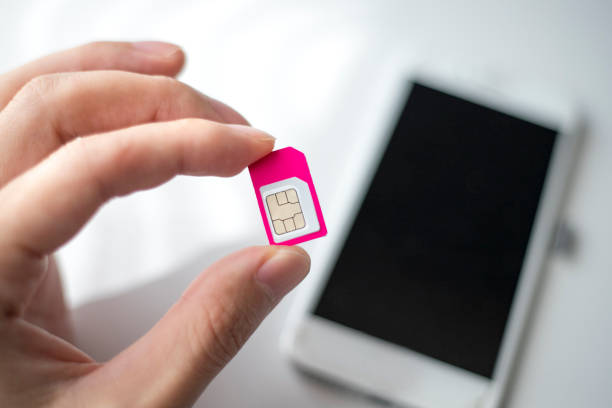
A SIM (Subscriber Identity Module) card stores essential information that allows your mobile device to connect to a network. It’s what enables you to make calls, send texts, and use mobile data. SIM cards are typically tied to either prepaid or postpaid plans, with each option offering different advantages.

If you’re deciding between these two, check out this comparison of prepaid vs. postpaid SIM cards to find which plan works best for you.

The Basics of SIM Card Activation

When you purchase a new SIM card or switch providers, the first step is to activate it. SIM card activation is the process that allows your card to register with your mobile carrier’s network. This is essential for you to start using your phone for calls, texting, and data.

1. How to Activate a SIM Card

Activating a SIM card can vary depending on the carrier and phone model, but the process is generally simple:

  • Insert the SIM card: Turn off your phone, remove the SIM card tray using the provided tool, and insert your new SIM card.
  • Turn on your device: Once the SIM card is in place, turn your device back on. You should see the network’s name in the top corner of your screen.
  • Follow carrier instructions: Some carriers will automatically activate your SIM, while others may require you to visit their website or call customer support to complete the process. Many carriers also provide an activation code or guide via email or SMS.
  • Test your connection: After activation, make a test call or send a text to ensure that everything is working correctly.

2. Online SIM Activation Options

Many carriers now offer the convenience of online SIM card activation. By logging into your carrier’s account portal, you can follow simple steps to activate your SIM card without leaving home. Some carriers even allow you to activate your SIM card via a dedicated app, adding another layer of convenience.

Benefits of SIM Activation

Activating your SIM card not only connects you to your mobile network but also unlocks other benefits, especially when considering SIM-only plans. Here’s why SIM card activation is important:

  • Improved connectivity: Whether on a prepaid or postpaid plan, an activated SIM allows access to calls, texts, and data.
  • Flexibility with international use: For those who frequently travel, an active SIM card can work internationally, especially if it’s from a provider that supports GSM unlocked phones.
  • Seamless network access: Activation ensures that your SIM card is fully registered with your carrier, giving you uninterrupted access to your network’s services.

Understanding SIM Card Deactivation

Deactivating a SIM card is crucial when changing carriers, selling your device, or protecting your privacy. It disconnects the phone from the network, preventing calls and mobile data use.

1. How to Deactivate a SIM Card

There are a few common scenarios where you might need to deactivate your SIM:

  • Switching carriers: When you change to a new mobile service provider, you’ll need to deactivate your old SIM card, usually by contacting your current provider and requesting deactivation.
  • Lost or stolen phones: If your phone is lost or stolen, contacting your carrier to deactivate the SIM is an essential step in preventing unauthorized use.
  • Temporary deactivation: Some carriers allow users to temporarily suspend or deactivate their SIM cards, which can be useful during travel or extended periods of not using your phone.

Postpaid vs. Prepaid SIM Deactivation

It’s worth noting that postpaid SIM cards often require you to close or transfer your account with the carrier before deactivation. Prepaid SIM cards, on the other hand, are typically easier to deactivate, especially when no contracts are involved.

Key Considerations When Deactivating a SIM Card

Before deactivating a SIM, here are some things to keep in mind:

  • Transfer your contacts: Ensure that all your contacts and important information stored on the SIM card have been backed up to your phone or the cloud before deactivation.
  • Account closure: For postpaid accounts, make sure all outstanding bills are settled before requesting deactivation.
  • SIM card reuse: In many cases, once a SIM card is deactivated, it cannot be reactivated or reused. You’ll need to get a new SIM card from your carrier if you wish to use the same phone number or services again.

Traveling Abroad and SIM Card Activation

For international travelers, GSM unlocked phones are ideal as they let you switch carriers globally by just changing the SIM card. This enables you to take advantage of local network rates rather than paying costly international roaming fees.

Read more about how GSM unlocked phones work internationally and how they can benefit frequent travelers.

Everything You Need to Know About SIM Card Activation and Deactivation Read More »

mobile data plans IoT

How Mobile Data Plans Are Evolving with IoT (Internet of Things)

The rise of the Internet of Things (IoT) has revolutionized the way we use technology, and it’s rapidly changing how mobile data plans are structured. From smart homes to connected cars, IoT devices are becoming more prevalent, requiring more robust and flexible mobile data solutions. As the demand for IoT grows, mobile carriers are adapting their plans to cater to the ever-increasing data needs of these devices.

In this blog, we’ll explore how mobile data plans are evolving with the IoT, what this means for consumers and businesses, and how to choose the best mobile data plans to support your IoT devices.

What is IoT and Why Does It Matter?

The Internet of Things (IoT) refers to the network of physical devices connected to the internet, allowing them to collect and exchange data. These devices include everything from smart home gadgets like thermostats and lights to wearables, medical equipment, and industrial machines. With billions of IoT devices in use today, the amount of data being transferred across networks has grown exponentially.

This explosion in connectivity has significantly impacted the mobile data industry, as IoT devices rely on stable and reliable internet access to function. To meet this growing demand, mobile carriers are reshaping their data plans to support these interconnected devices.

How IoT is Shaping the Future of Mobile Data Plans

IoT devices require continuous, low-latency, and reliable data connections. To accommodate this, mobile carriers are evolving their data offerings in the following ways:

1. Increased Data Caps and Unlimited Data Options

As more devices are added to mobile networks, the need for higher data allowances is clear. Consumers and businesses alike are using multiple connected devices that consume a lot of data over time. To keep up with this demand, many carriers are now offering unlimited data plans or plans with significantly increased data caps.

Mobile users who rely on IoT for personal or business use should seek data plans that offer the flexibility to handle multiple connected devices. You can find a comprehensive guide to the best mobile data plans for students studying online, which highlights how some carriers are tailoring their offerings for specific user needs, such as students who are increasingly relying on IoT devices for their online education.

2. Tailored Data Plans for IoT Devices

Some mobile carriers are now offering IoT-specific data plans, designed for devices that don’t require massive amounts of data individually but need a consistent connection. These plans provide smaller data packages at lower costs, catering specifically to IoT devices such as smart sensors, GPS trackers, or home security systems.

Businesses can take advantage of these tailored data plans to manage their IoT ecosystems more effectively. By selecting the right plan, companies can ensure they don’t overpay for data while maintaining the connectivity their devices need.

3. The Shift from 4G to 5G: A Game-Changer for IoT

The shift from 4G to 5G technology is one of the biggest factors driving changes in mobile data plans. With 5G’s low latency and higher bandwidth, IoT devices can operate more efficiently and handle more data. As 5G networks continue to expand, mobile data plans will evolve to include IoT-specific features that take advantage of these faster speeds and improved network performance.

For consumers and businesses looking ahead, the future trends in postpaid plans are likely to revolve around the integration of 5G and IoT. Postpaid plans may offer greater flexibility and data-sharing options for multiple devices, catering to the growing IoT ecosystem.

Prepaid vs. Postpaid Data Plans for IoT: Which is Better?

When choosing the right mobile data plan for your IoT devices, you may wonder whether prepaid or postpaid plans are more suitable. Each has its advantages and is worth considering based on your usage needs.

Prepaid Plans for IoT Devices

Prepaid plans offer the flexibility to pay for data upfront, without the commitment of a long-term contract. These plans are great for consumers or small businesses that may not need a large data allowance or want to control their spending. Prepaid plans are often more affordable, and you can find a breakdown of how these plans compare in this article on comparing prepaid vs postpaid SIM cards.

Postpaid Plans for IoT Devices

For businesses or users with multiple IoT devices, postpaid plans might be a better option. Postpaid plans typically offer larger data packages, and with the evolution of IoT, some postpaid plans now allow data-sharing across multiple devices. This can be particularly useful if you’re managing a network of IoT devices that rely on consistent data access.

How Mobile Carriers Are Supporting IoT Growth

Mobile carriers are quickly realizing the potential of the IoT market, and many are investing heavily in infrastructure and new technologies to support the growing demand. In addition to rolling out 5G networks, carriers are introducing IoT-specific services such as device management platforms and machine-to-machine (M2M) communication solutions.

These tools help businesses manage and optimize their IoT devices, allowing for seamless data transfer, remote monitoring, and real-time analytics. As IoT continues to grow, expect more scalable and efficient data plans that cater to the unique needs of connected devices.

The Role of 5G and Beyond

As mentioned earlier, 5G is set to revolutionize mobile data plans, but the evolution won’t stop there. Future technologies, such as 6G, are already being developed, promising even faster speeds, lower latency, and more efficient data management for IoT devices. As these technologies roll out, mobile data plans will continue to adapt, offering even more tailored solutions for IoT users.

Conclusion

The IoT is fundamentally changing the way we interact with the world around us, and mobile data plans are evolving to keep pace. With the demand for higher data allowances, faster speeds, and IoT-specific services, mobile carriers are reshaping their offerings to ensure consumers and businesses can stay connected in an increasingly connected world.

Whether you’re a consumer with a few smart devices or a business managing a fleet of IoT sensors, finding the right mobile data plan is essential. Take the time to compare options like prepaid vs postpaid SIM cards and consider the benefits of emerging technologies like 5G. To learn more about available data plans, visit JNA Mobility’s mobile data plans and discover the best solution for your IoT needs.

How Mobile Data Plans Are Evolving with IoT (Internet of Things) Read More »

hidden features

Top 5 Hidden Features of the Latest Apple Watch Series

The latest Apple Watch series is packed with cutting-edge technology that can transform the way you manage your health, stay connected, and optimize your daily life. But while many people are familiar with its core features like fitness tracking and notifications, there are hidden gems that often go unnoticed. In this blog, we’ll uncover the top 5 hidden features of the latest Apple Watch series that you probably didn’t know about but should definitely be using. Let’s dive in!

Hidden Features of the Latest Apple Watch

Apple is known for packing a lot of technology into a small device, and the Apple Watch is no exception. Beyond the usual suspects like heart rate monitoring and notifications, Apple has integrated several lesser-known features that take usability and health tracking to the next level. If you’re ready to unlock the full potential of your smartwatch, here are five features you need to know about.

Feature 1: Handwash Detection

You probably didn’t expect your watch to keep track of when you wash your hands, but Apple has included a handwash detection feature in its latest models. With this feature, your Apple Watch will automatically detect when you’re washing your hands and will remind you to scrub for at least 20 seconds.

Why Handwash Detection is Essential

In today’s world, proper hand hygiene has never been more critical. This feature not only tracks how long you wash but also gives you gentle reminders when it detects you’re doing it too quickly. This is a great tool for maintaining a habit that benefits both personal and public health. For more ideas on how technology can change your daily habits, be sure to check out these top smartwatch apps that will change how you use your device.

Feature 2: Sleep Tracking Optimization

Apple Watch’s sleep tracking has come a long way, with improvements in accuracy and usability. The latest models now track not just how much sleep you get, but also the quality of your sleep by monitoring breathing and heart rate variability.

Syncing with Sleep Schedules

One of the best parts about this feature is how it syncs with your sleep schedule across devices. You can use this data to better understand your sleep patterns and even set personal sleep goals. Apps that integrate with the Apple Watch make it easy to adjust your routine and improve sleep quality over time.

Feature 3: Blood Oxygen Monitoring

Another impressive feature is the blood oxygen monitoring tool, which can provide real-time data about your oxygen levels. It’s particularly useful for athletes, but it can also alert everyday users to potential health concerns, such as respiratory issues.

Health Monitoring in Real-Time

By using this tool, you can monitor your oxygen levels during workouts or at rest. This real-time data can help you make informed decisions about your fitness and health. To explore how other smartwatches are pushing boundaries with health monitoring, check out unlocking the potential of smartwatches.

Feature 4: Walkie-Talkie Mode

The Walkie-Talkie mode is one of those fun but practical features that you might not know about. It allows you to instantly communicate with other Apple Watch users in real-time, just like a traditional walkie-talkie.

Using Walkie-Talkie for Instant Communication

This feature is especially useful for quick chats when you don’t want to send a message or make a full call. Just tap and speak—ideal for keeping in touch with family members or friends when you’re out and about.

Feature 5: Cycle Tracking for Women

For women, the cycle tracking feature is a game-changer. It allows users to log and monitor their menstrual cycles, helping them understand their bodies better and make informed decisions about their health.

Syncing Cycle Tracking with Health Apps

This feature integrates seamlessly with other health apps to give you a complete picture of your health. It’s another great example of how the Apple Watch helps users stay in control of their well-being.

Bonus Feature: Unlocking Your Mac with Your Watch

Lastly, did you know you can unlock your Mac using your Apple Watch? This is one of the most convenient features, saving you time and making life just a little bit easier. All you need to do is enable the setting, and your Mac will automatically unlock when your watch is nearby.

Conclusion

The latest Apple Watch series is more than just a fitness tracker or a notification tool. By using these hidden features, you can unlock its full potential and make your daily life more efficient, healthier, and fun. Whether you’re looking to improve your sleep, monitor your health, or communicate more easily, these hidden gems have you covered.

Top 5 Hidden Features of the Latest Apple Watch Series Read More »

Affordable 5G Phones

Affordable 5G Phones: Great Options Without Breaking the Bank

When it comes to affordable 5G phones, upgrading to the latest technology doesn’t have to cost a fortune. Many of us are excited about experiencing 5G but worry about the impact on our wallets. Thankfully, you don’t need to spend a lot to get a great 5G phone.

In this guide, we will explore some of the best budget-friendly 55G phones that deliver impressive performance and features without breaking the bank. We will compare these options with their more expensive counterparts to help you find the best value for your money. Let’s dive into how you can enjoy the benefits of 5G technology while staying within your budget.

The Rise of Affordable 5G Phones

The introduction of 5G technology has transformed the mobile landscape, offering faster speeds, reduced latency, and more reliable network connections. Despite the initial high costs, the market for affordable 5G phones has grown significantly. Now, you can find excellent options that don’t strain your budget.

At JNA Mobility, we understand that price matters when choosing a new phone. Therefore, we’ve curated a list of budget-friendly 5G phones that offer great performance and features at lower prices. For more options, visit our phone shop.

Affordable 5G Phones: Samsung Options

Samsung Galaxy A12: Budget-Friendly with Essential Features

The Samsung Galaxy A12 stands out among affordable 5G phones. Starting at just $7.49 per month for 24 months with 0% APR, this phone provides a fantastic entry point into 5G connectivity.

Key Features:

  • 5G Connectivity: Experience faster data speeds and improved network performance.
  • Display: Enjoy a 6.5-inch screen that offers a good viewing experience for everyday tasks.
  • Battery Life: Benefit from a long-lasting battery that keeps you connected throughout the day.

To compare Samsung’s 5G options in more detail, visit our Samsung 5G mobile phones comparison.

Samsung Galaxy A32 5G: A Step Up with Enhanced Performance

For those seeking a bit more power, the Samsung Galaxy A32 5G is an excellent choice. Starting at $11.66 per month for 24 months with 0% APR, it balances performance and affordability.

Key Features:

  • 5G Connectivity: Enjoy improved network speeds and connectivity.
  • Camera System: Utilize a versatile camera setup for various photography needs.
  • Display: Benefit from a 6.5-inch Super AMOLED screen that delivers vibrant visuals.

Learn more about how 5G technology enhances your experience by exploring our streaming and browsing capabilities.

Affordable 5G Phones: Apple Options

Apple iPhone 12: A Premium Experience at a Lower Cost

For those who prefer iOS, the Apple iPhone 12 is a great affordable 5G phone. Starting at $22.08 per month for 24 months with 0% APR, it combines cutting-edge technology with Apple’s renowned ecosystem.

Key Features:

  • 5G Connectivity: Enjoy the speed and reliability of 5G networks.
  • Display: Take advantage of a 6.1-inch Super Retina XDR display for crisp visuals.
  • Performance: The A14 Bionic chip ensures smooth operation.

To find out more about securing the best deals on 5G phones, check out our top tips for getting the best deals.

Apple iPhone 13 Pro and Pro Max: Higher Performance at a Higher Cost

If your budget allows for a bit more, consider the Apple iPhone 13 Pro and Pro Max. The iPhone 13 Pro starts at $33.33 per month, while the Pro Max starts at $37.50 per month for 24 months with 0% APR.

Key Features:

  • 5G Connectivity: Fully support the latest 5G networks.
  • Camera: Utilize advanced camera systems with enhanced low-light performance.
  • Display: Experience ProMotion display for smoother visuals and better responsiveness.

These models offer top-tier performance but come at a higher price. If you’re considering an upgrade, these devices represent a significant investment in technology. Learn more about the role of 5G and its impact on your daily life.

Comparing Affordable 5G Phones to More Expensive Models

When evaluating affordable 5G phones against their pricier counterparts, consider several factors:

Performance

While affordable 5G phones may not feature the latest high-end processors, they still deliver reliable performance for everyday tasks. Models like the Samsung Galaxy A12 and Apple iPhone 12 provide a smooth user experience, making them excellent options for budget-conscious consumers.

Features

Although budget-friendly models might lack some advanced features, they include essential functionalities such as decent cameras, good display quality, and reliable battery life. These phones offer significant value for their price.

Connectivity

One of the key advantages of 5G phones is their connectivity capabilities. Even at lower price points, these devices support the latest 5G networks, ensuring faster internet speeds and better network performance.

Value for Money

Ultimately, value for money is crucial. Affordable 5G phones strike a great balance between cost and performance. By choosing a budget-friendly model, you can enjoy the benefits of 5G technology without overspending.

Conclusion

In conclusion, affordable 5G phones offer an excellent opportunity to experience the latest mobile technology without breaking the bank. Whether you choose the Samsung Galaxy A12, the Galaxy A32 5G, or the Apple iPhone 12, you’ll find impressive performance and features at a lower cost. For more information and options, explore our phone shop and find the model that best suits your needs.

By selecting an affordable 5G phone, you can enjoy faster speeds, better connectivity, and a range of features while staying within your budget. For further insights into 5G technology and its benefits, check out our 5G phones and security and future of 5G articles.

Discover the world of affordable 5G phones and make a smart choice that fits your lifestyle and budget. If you have any questions or need assistance, don’t hesitate to contact us at JNA Mobility.

Affordable 5G Phones: Great Options Without Breaking the Bank Read More »

tablets and phones

Tablets vs. Phones: Which Gadget Offers Better Productivity Features?

In the age of digital devices, we are constantly presented with two popular options for productivity: tablets and phones. Both gadgets come with their own set of features designed to enhance productivity, but which one truly excels? In this blog post, we’ll take a deep dive into the key differences between tablets and phones and help you decide which device is better for your productivity needs.

Tablets and smartphones are both essential tools in the modern world, each offering a range of features to help you stay organized and productive. While phones are typically smaller and easier to carry around, tablets provide a larger screen that many people find useful for multitasking. But when it comes to productivity, which one stands out?

Portability and Convenience

Tablets: Great for Portability, But Bulky for Some

Tablets, especially the newer models, are incredibly lightweight and portable. If you need a device for travel or on-the-go work, tablets offer a larger screen while still being relatively easy to carry. However, they are often too large to fit in a pocket, making them less convenient for quick access.

Phones: Always in Your Pocket

Smartphones, on the other hand, win the battle when it comes to convenience. They are small enough to fit into any pocket, which makes them ideal for users who need to work while moving between meetings, locations, or even during commutes. For users seeking a device they can access instantly, phones are hard to beat.

For users interested in buying a portable tablet, you can explore the available models at this tablet shop.

Screen Size and Display Quality

Tablets: A Bigger Canvas for Work

The larger screen size of tablets offers a better viewing experience, especially when working on presentations, editing documents, or designing. A big display allows for better multitasking and easier navigation between apps.

Phones: Compact but Effective

Phones may have smaller screens, but modern smartphones boast high-resolution displays that make them suitable for a variety of tasks. If your productivity tasks don’t involve intensive design or editing work, a phone can serve just as well.

For a deeper comparison of how phones and tablets stack up when choosing the right device for your needs, check out this detailed guide: Phones vs. Tablets: Choosing the Right Device for Your Needs.

Multitasking Capabilities

Tablets: Made for Multitasking

Tablets typically excel in multitasking. Many modern tablets support split-screen modes, allowing you to run two apps simultaneously. This is great for comparing documents, answering emails while reviewing a presentation, or working with design tools.

Phones: Limited, But Still Effective

While newer smartphones are also incorporating split-screen features, the smaller display can sometimes make multitasking challenging. However, for quick tasks like answering emails or scheduling appointments, phones are more than capable.

Keyboard and Typing Efficiency

Tablets: Typing Like a Laptop

One of the major advantages tablets offer is the ability to connect external keyboards. This gives you a laptop-like experience without the bulk, making typing documents or emails much more efficient. Many users opt for tablets with keyboard attachments to enhance productivity further.

Phones: Compact Typing, but Slower

Typing on a smartphone is, by nature, slower and less efficient than on a tablet. Although voice typing is becoming more accurate, it still doesn’t compare to the speed and convenience of a full keyboard.

Battery Life: Which Device Lasts Longer?

Tablets: Long-Lasting Power

Tablets tend to have larger batteries, making them ideal for long work sessions without needing a charge. Many users find that tablets last an entire day of intensive use, especially when performing tasks that require more power.

Phones: Quick Charges, Shorter Lifespan

While smartphones are improving in battery life, they typically won’t last as long as tablets, especially when running multiple apps or using high-performance features.

Apps and Software for Productivity

Both tablets and phones use similar operating systems, whether it’s iOS or Android. However, the larger screen of a tablet allows for more powerful productivity apps, like graphic design software, to function more effectively.

Tablets: Ideal for Creative Tasks

If you’re into design, writing, or any creative work, tablets are your go-to device. With apps that utilize the larger display and offer stylus support, tablets can serve as a handy tool for artists, designers, and writers.

Phones: Great for Quick Access and Communication

Phones, while compact, are great for managing quick tasks like checking emails, setting reminders, or communicating with your team. Many productivity apps on phones are optimized for small screens, offering smooth and efficient performance.

Storage and File Management

Tablets: More Space for Your Files

Tablets typically come with more storage options compared to smartphones, making them a better choice for users who need to store large files like presentations, videos, or high-resolution images.

Phones: Compact, With Cloud Solutions

Although phones come with limited storage, cloud-based solutions are often integrated to provide seamless file management. For users who don’t need local storage, phones can still handle plenty of productivity tasks through cloud apps.

Affordability and Pricing

Tablets: A Bigger Investment

Tablets can be pricier, especially when you factor in accessories like keyboards or styluses. However, for those looking to get the most out of their productivity features, the investment may be worth it.

Phones: More Affordable, But Less Versatile

Phones are generally more affordable, but they don’t offer the same productivity capabilities as tablets. If you’re on a budget, however, a smartphone can still meet your basic productivity needs.

For affordable plans to pair with your gadget of choice, you can browse the available phone and tablet plans to find the best fit.

Customizing Your Gadget to Boost Productivity

Both devices allow for various customization options to enhance your workflow. From adding productivity apps to setting shortcuts and organizing your home screen, personalizing your gadget can make a significant difference in how productive you can be.

Plans and Data Usage

Another consideration is the type of plan you’ll need to support your device. If you’re opting for a tablet or phone, choosing the right data plan is essential for optimizing productivity on the go. A cost-effective data plan can ensure you stay connected without breaking the bank. Check out these plans for the best data deals.

Conclusion

So, which gadget offers better productivity features: tablets or phones? Ultimately, the answer depends on your specific needs. Tablets offer a larger screen, better multitasking, and support for external keyboards, making them ideal for intensive tasks. On the other hand, phones are portable, convenient, and perfect for quick tasks on the go. Assess your personal work style and choose the device that aligns best with your productivity goals.

Tablets vs. Phones: Which Gadget Offers Better Productivity Features? Read More »