JNA Mobility

5G network

US Prepaid Wireless Market

US Prepaid Wireless Market: Trends, Growth, and Opportunities

The prepaid wireless market in the United States has experienced significant growth and transformation in recent years, driven by changing consumer preferences, technological advancements, and competitive offerings from mobile carriers. With an increasing number of consumers opting for prepaid plans over traditional postpaid contracts. The prepaid wireless market has become a dynamic and competitive landscape. In this blog post, we’ll delve into the trends, growth drivers, and opportunities shaping the US prepaid wireless market.

Rise in Prepaid Subscriptions:

One of the defining trends in the US prepaid wireless market is the steady increase in prepaid subscriptions. According to industry reports, the number of prepaid wireless subscribers has been on the rise, fueled by factors such as affordability, flexibility, and accessibility. Many consumers, including budget-conscious individuals, students, and those with limited credit history, prefer prepaid plans for their simplicity and no-contract options.

Shift Towards Unlimited Data Plans:

In response to growing demand, prepaid wireless carriers have expanded their offerings to include unlimited data plans, mirroring the trend in the postpaid segment. Unlimited data plans provide customers with peace of mind and flexibility, allowing them to stream, browse, and communicate without worrying about data caps or overage charges. This shift towards unlimited data plans has been a significant driver of growth in the prepaid market.

Expansion of MVNOs:

Mobile Virtual Network Operators (MVNOs) play a significant role in the US prepaid wireless market. Offering a diverse range of prepaid plans and services to consumers. MVNOs lease network infrastructure from major carriers and resell wireless services under their own brand. With the rise of MVNOs, consumers have access to a wider selection of prepaid options. Including niche offerings tailored to specific demographics or usage patterns.

Emphasis on Value-Added Services:

To differentiate themselves in a crowded market, prepaid wireless carriers are increasingly focusing on value-added services and features. This includes perks such as international calling, mobile hotspot usage, streaming subscriptions, and loyalty rewards programs. By offering additional benefits beyond basic voice and data services. Prepaid carriers attract and retain customers seeking added value for their money.

Also, Read : Tracfone in 2024: A Crossroads for the Prepaid Giant

Opportunities for Innovation:

The US prepaid wireless market presents numerous opportunities for innovation and growth. As consumer preferences evolve and technology continues to advance, prepaid carriers have the opportunity to innovate and differentiate their offerings. This includes embracing emerging technologies such as 5G. Expanding coverage in underserved areas, and exploring new revenue streams through partnerships and collaborations.

Conclusion:

The US prepaid wireless market is a dynamic and competitive space, driven by evolving consumer preferences, technological advancements, and market forces. With the rise in prepaid subscriptions, expansion of unlimited data plans, proliferation of MVNOs, emphasis on value-added services, and opportunities for innovation. The prepaid market presents a promising landscape for carriers and consumers alike. As competition intensifies and demand for prepaid services continues to grow, expect to see further advancements, innovations, and disruptions in the US prepaid market in the years to come.

US Prepaid Wireless Market: Trends, Growth, and Opportunities Read More »

Xfinity Mobile

Is Xfinity Mobile a Good Option for Your Wireless Needs?

In recent years, the landscape of mobile phone service providers has expanded, offering consumers a plethora of options beyond the traditional carriers. Xfinity Mobile, a relatively new player in the field, has gained attention for its unique approach to wireless service. But is Xfinity Mobile a good option for your wireless needs? Let’s delve into the details and explore whether Xfinity Mobile is worth considering.

What is Xfinity Mobile?

Xfinity Mobile is a wireless service provider owned and operated by Comcast, a leading telecommunications and entertainment company. Launched in 2017, Xfinity Mobile operates as a Mobile Virtual Network Operator (MVNO). Utilizing the network infrastructure of Verizon Wireless to provide coverage and service to its customers.

Also, Read :  Advantages of Using Mobile Virtual Network Operators ( MVNOs )

Key Features of Xfinity Mobile:

Flexible Plans: Xfinity offers flexible plans that allow customers to pay for only the data they use or choose from unlimited data options. With no activation fees or contracts, Xfinity Mobile plans provide flexibility and affordability for users.

Access to Nationwide Coverage: By leveraging Verizon’s extensive network infrastructure, Xfinity customers have access to nationwide coverage, ensuring reliable service and connectivity across the United States.

Seamless Integration with Xfinity Services: Xfinity integrates seamlessly with other Xfinity services, such as internet, TV, and home security, offering bundled discounts and incentives for customers who subscribe to multiple services.

WiFi Hotspots: Xfinity customers have access to millions of Xfinity WiFi hotspots nationwide, allowing them to conserve data usage and stay connected while on the go.

Customer Benefits: Xfinity offers additional perks and benefits for its customers, such as discounts on devices, free international texting, and the option to bring your own device (BYOD) for added convenience.

Also, Read : Tracfone in 2024: A Crossroads for the Prepaid Giant

Considerations for Potential Users:

While Xfinity Mobile offers several compelling features and benefits. There are some considerations to keep in mind before making the switch:

Network Coverage: While Xfinity Mobile utilizes Verizon’s network, it may prioritize network traffic differently compared to Verizon’s own customers during times of congestion, potentially impacting data speeds for Xfinity users.

Device Compatibility: Xfinity may have limitations on device compatibility. Particularly for users who wish to bring their own device or use unlocked devices from other carriers. It’s essential to verify device compatibility before signing up for service.

Data Throttling: Like many other carriers, Xfinity Mobile may implement data throttling for users who exceed certain data usage thresholds during a billing cycle. Customers on unlimited plans should review the carrier’s data usage policies to understand potential limitations.

Customer Service: As with any service provider, the quality of customer service and support can vary. Some users may have positive experiences with Xfinity Mobile’s customer service, while others may encounter challenges or frustrations.

Conclusion:

Xfinity Mobile offers a compelling wireless service option with flexible plans, nationwide coverage, and seamless integration with other Xfinity services. For consumers who are already Xfinity customers or seeking affordable wireless plans with access to Verizon’s network, Xfinity may be a good fit. However, it’s essential to consider factors such as network coverage, device compatibility, data usage policies, and customer service when evaluating whether Xfinity is the right choice for your wireless needs. Conduct thorough research, compare plans and features, and weigh the pros and cons before making a decision. Ultimately, the best wireless provider for you will depend on your individual preferences, usage patterns, and budgetary considerations.

Is Xfinity Mobile a Good Option for Your Wireless Needs? Read More »

The Future of Smartphones in 2030

The Future of Smartphones in 2030

The evolution of smartphones over the past decade has been nothing short of remarkable. From simple communication devices to multifunctional pocket-sized computers, smartphones have transformed the way we live, work, and interact with the world around us. But what does the future hold for these ubiquitous gadgets? Let’s peer into the crystal ball and explore the potential future of smartphones in the year 2030.

Foldable and Flexible Displays

In 2030, smartphones are likely to feature foldable and flexible display technologies that revolutionize form factors and user experiences. Imagine a device that can seamlessly transition from a standard smartphone to a tablet-sized screen with a simple fold or unfold. Foldable displays will offer greater screen real estate for multitasking, gaming, and media consumption while maintaining portability and convenience.

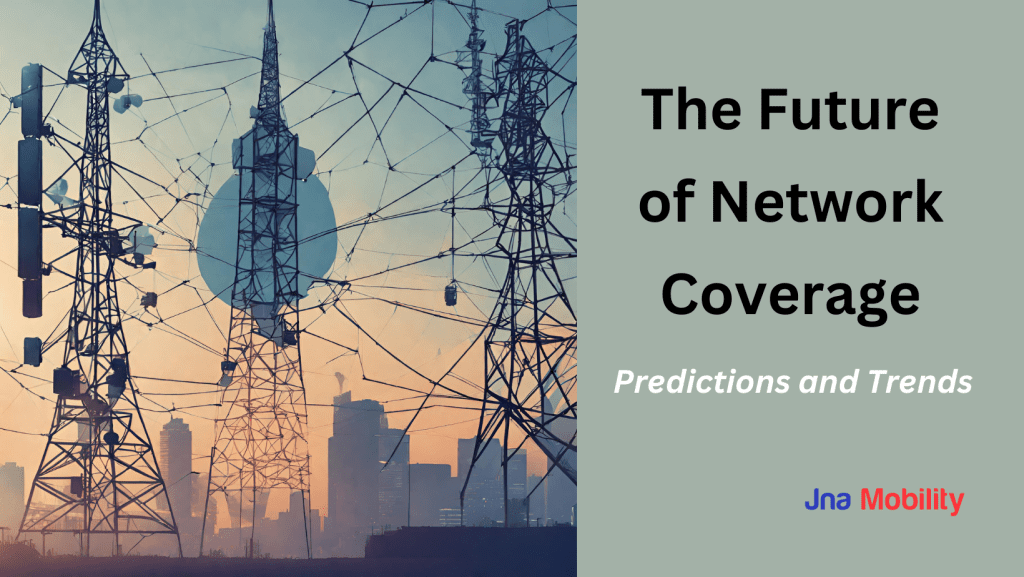
Also, Read : The Future of Network Coverage: Predictions and Trends

Augmented Reality (AR) Integration

Augmented reality (AR) will play a prominent role in the future of smartphones, blurring the lines between the digital and physical worlds. In 2030, smartphones will leverage AR technology to overlay digital information and interactive experiences onto the user’s surroundings. From immersive gaming and virtual try-on experiences to enhanced navigation and real-time translation, AR will unlock a new realm of possibilities for smartphone users.

Artificial Intelligence (AI) Assistance

Artificial intelligence (AI) will continue to advance, powering intelligent virtual assistants and personalized user experiences on smartphones. In 2030, AI-powered algorithms will anticipate user needs, automate routine tasks, and provide contextual recommendations tailored to individual preferences and behaviors. Smartphones will become even smarter, seamlessly integrating into daily life and enhancing productivity, efficiency, and convenience.

Also, Read : Telecom Industry: How 5G and AI are Transforming Communication

Biometric Authentication and Security

Biometric authentication will evolve to become more seamless, secure, and versatile in future smartphones. Facial recognition, iris scanning, and fingerprint authentication will continue to replace traditional passcodes and passwords, ensuring enhanced security and privacy for users. Additionally, advancements in biometric sensors may enable new authentication methods such as voice recognition, palm scanning, or even DNA authentication.

Sustainable and Eco-Friendly Design

As environmental consciousness grows, smartphones of the future will prioritize sustainable materials, energy efficiency, and eco-friendly design. Manufacturers will innovate to reduce carbon footprint, minimize electronic waste, and incorporate renewable energy sources into smartphone production and usage. Modular designs and recyclable components will enable easier repair, upgrade, and recycling of smartphones, fostering a more sustainable tech ecosystem.

Also, Read : Advantages of 5G Networks

5G and Beyond

By 2030, 5G technology will be ubiquitous, enabling lightning-fast connectivity and powering a new era of innovation and connectivity. Beyond 5G, emerging technologies such as 6G or terahertz communication may further enhance data speeds, network capacity, and latency, unlocking new possibilities for immersive experiences, real-time communication, and interconnected devices in the Internet of Things (IoT) ecosystem.

Conclusion

The future of smartphones in 2030 promises to be an exciting journey of innovation, transformation, and technological advancement. From foldable displays and augmented reality to artificial intelligence and sustainable design. Smartphones will continue to evolve and shape the way we interact with the world. While the specifics of future smartphone technologies may remain uncertain, one thing is clear: the smartphone revolution is far from over, and the possibilities are endless.

The Future of Smartphones in 2030 Read More »

Will 4G Phones Work on 5G Networks? Exploring Compatibility and Considerations

With the rollout of 5G networks gaining momentum, many smartphone users are curious about the compatibility of their existing 4G phones. In this blog, we’ll explore whether 4G phones can work on 5G networks, what factors affect compatibility, and what users should consider when upgrading to 5G.

Understanding 5G Technology

Before diving into compatibility concerns, let’s briefly explain what 5G technology entails. 5G, or fifth-generation wireless technology, promises faster download and upload speeds, lower latency, and increased connectivity compared to its predecessors. It achieves these improvements through the use of higher frequency bands, advanced antenna technologies, and network infrastructure upgrades.

Also, Read : Advantages of 5G Networks

Can 4G Phones Work on 5G Networks?

The short answer is no, 4G phones cannot access 5G networks. 5G networks operate on different frequency bands and require compatible hardware to take advantage of their capabilities. While 4G phones will still function on existing 4G networks, they will not be able to access the enhanced speeds and performance of 5G networks.

Factors Affecting Compatibility

Several factors determine whether a smartphone is compatible with 5G networks:

Hardware: 5G compatibility requires specific hardware components, including a 5G modem and antenna, which are not present in most 4G phones.

Frequency Bands: 5G networks operate on a variety of frequency bands, including low-band, mid-band, and high-band (mmWave). Different 5G phones support different frequency bands, so compatibility may vary depending on the device.

Network Infrastructure: Accessing 5G networks also depends on the availability of 5G coverage in your area. Even if you have a 5G-compatible phone, you may not be able to access 5G services if they are not available in your location.

Also, Read : Exploring the Evolution: 4G vs 5G Network Coverage

Considerations for Upgrading to 5G

If you’re considering upgrading to 5G, here are a few key considerations:

Device Compatibility: Ensure that the smartphone you choose is compatible with the 5G networks available in your area. Research the supported frequency bands and network compatibility of different devices before making a purchase.

Coverage Availability: Check the coverage maps of various mobile carriers to determine the availability of 5G networks in your area. Keep in mind that 5G coverage may be limited in certain regions, particularly in rural areas.

Future-proofing: Investing in a 5G-compatible phone can future-proof your device and ensure that you can take advantage of 5G networks as they continue to expand and evolve.

Conclusion

While 4G phones cannot directly access 5G networks, users can upgrade to 5G-compatible devices to experience the benefits of next-generation wireless technology. Understanding the factors affecting compatibility and considering key factors like device compatibility and coverage availability can help users make informed decisions when upgrading to 5G. As 5G networks continue to expand, the transition to 5G-compatible devices will become increasingly prevalent, ushering in a new era of connectivity and innovation.

Will 4G Phones Work on 5G Networks? Exploring Compatibility and Considerations Read More »

4g and 5g

Exploring the Evolution: 4G vs 5G Network Coverage

In the realm of telecommunications, the transition from 4G to 5G represents a significant leap forward in connectivity, promising faster speeds, lower latency, and greater capacity. But what exactly sets these two generations of wireless technology apart, especially when it comes to network coverage? Let’s delve into the differences between 4G and 5G network coverage to understand how each technology shapes our digital landscape.

Understanding 4G Network Coverage

Introduced in the late 2000s, 4G (or fourth-generation) wireless technology revolutionized mobile communication by offering faster data speeds and more reliable connections than its predecessors. 4G networks primarily operate on LTE (Long-Term Evolution) technology, delivering peak download speeds of up to 100 Mbps or higher in ideal conditions.

Key Features of 4G Network Coverage:

Widespread Availability: Over the years, 4G network coverage has become ubiquitous in many parts of the world, spanning urban, suburban, and rural areas. Major carriers have invested heavily in expanding their 4G infrastructure to reach as many users as possible.

Reliable Performance: 4G networks provide consistent performance for activities such as streaming video, browsing the web, and using social media. With low latency and high bandwidth, users can enjoy seamless connectivity on their smartphones, tablets, and other devices.

Limited Capacity: Despite its advancements, 4G technology has limitations in terms of capacity, especially in densely populated areas or during peak usage times. This can lead to network congestion and slower speeds for users, particularly in urban centers.

Also, Read : Power of Seamless Communication: Exploring Voice over LTE (VoLTE)

Introducing 5G Network Coverage

5G (or fifth-generation) wireless technology represents the next evolution in mobile connectivity, promising to deliver unprecedented speed, reliability, and scalability. Unlike 4G, which primarily relies on traditional cellular infrastructure, 5G networks leverage a combination of new technologies, including mmWave (millimeter wave) spectrum and massive MIMO (Multiple Input Multiple Output) antennas.

Key Features of 5G Network Coverage:

Enhanced Speed and Performance: 5G networks offer significantly faster speeds and lower latency compared to 4G, with peak download speeds reaching up to 10 Gbps or more. This enables a wide range of bandwidth-intensive applications, including virtual reality, augmented reality, and 4K video streaming.

Expanded Capacity: One of the most significant advantages of 5G is its ability to support a vast number of connected devices simultaneously. With increased capacity and improved spectral efficiency, 5G networks can accommodate the growing demand for data-intensive services and applications.

Improved Coverage and Reliability: While 5G is still in the early stages of deployment, its coverage is gradually expanding in urban areas and select regions worldwide. The deployment of small cells, beamforming technology, and network slicing techniques helps enhance coverage and reliability, even in challenging environments.

Comparing Coverage: 4G vs 5G

When it comes to network coverage, 4G currently holds the upper hand in terms of availability and reliability, thanks to its established infrastructure and widespread deployment. However, as 5G continues to roll out across the globe, its coverage will gradually improve, offering users access to faster speeds and more advanced services.

Factors to Consider:

Geographic Location: 4G coverage is more widespread and accessible in most regions. While 5G is primarily concentrated in urban areas and select markets. Users in densely populated areas may experience faster speeds and better coverage with 5G, whereas those in rural or remote areas may rely on 4G networks for the time being.

Device Compatibility: While the latest smartphones and devices support both 4G and 5G connectivity. Older devices may only be compatible with 4G networks. As 5G adoption increases, users will have access to a wider range of compatible devices, enabling them to take full advantage of the technology’s capabilities.

Network Deployment: The pace of 5G deployment varies depending on factors such as regulatory approvals, infrastructure investments, and carrier initiatives. Some regions may have extensive 5G coverage, while others are still in the early stages of rollout. It’s essential to check with local carriers to determine the availability of 5G in your area.

Conclusion

In the ongoing evolution of wireless technology, both 4G and 5G play crucial roles in shaping our digital future. While 4G offers widespread coverage and reliable performance. 5G represents the next frontier of connectivity, with faster speeds, lower latency, and expanded capacity. As 5G networks continue to mature and expand, they will eventually surpass 4G in terms of coverage and performance. Ushering in a new era of innovation and connectivity for users around the world. Whether you’re streaming videos on the go, gaming online, or connecting with loved ones. The transition from 4G to 5G promises to elevate the mobile experience to new heights.

Exploring the Evolution: 4G vs 5G Network Coverage Read More »

Exploring Voice over LTE (VoLTE)

Power of Seamless Communication: Exploring Voice over LTE (VoLTE)

In an age where communication is key, technological advancements continuously strive to make connections faster, clearer, and more convenient. One such innovation that has revolutionized voice communication is Voice over LTE (VoLTE). This technology promises not only clearer calls. But also enhanced features and benefits that pave the way for a new era of seamless communication. Let’s delve into what VoLTE is, how it works, and the myriad benefits it offers to users worldwide.

What is VoLTE?

Voice over LTE, or VoLTE, is a technology that enables voice calls to be made over a 4G LTE network. Rather than traditional circuit-switched networks. By utilizing the same network as data services, VoLTE allows for simultaneous voice and data transmission. Leading to improved call quality, faster call setup times, and a richer communication experience overall.

How Does VoLTE Work?

Traditional voice calls are routed through circuit-switched networks, which dedicate specific channels for voice communication. In contrast, VoLTE converts voice calls into data packets and transmits them over the same IP-based network used for data services. This allows for more efficient use of network resources and enables a broader range of features and capabilities. Such as high-definition (HD) voice, video calling, and seamless handovers between LTE and Wi-Fi networks.

Benefits of VoLTE:

High-Quality Calls: VoLTE delivers crystal-clear voice calls with HD audio quality, significantly reducing background noise and enhancing overall clarity. This ensures that every conversation is heard loud and clear, even in noisy environments.

Faster Call Setup: VoLTE boasts faster call setup times compared to traditional circuit-switched networks. Thanks to its optimized signaling protocols and efficient packet switching. This means less time spent waiting for calls to connect, leading to a more responsive and streamlined communication experience.

Improved Coverage and Reliability: By leveraging the robust infrastructure of 4G LTE networks, VoLTE offers broader coverage and greater reliability. Even in areas with weak signal strength or network congestion. This ensures that users can stay connected wherever they go, without compromising on call quality or reliability.

Simultaneous Voice and Data: One of the most significant advantages of VoLTE is its ability to support simultaneous voice and data transmission. This means users can browse the internet, stream media, or use data-intensive applications while on a voice call, without experiencing any degradation in performance.

Richer Communication Features: VoLTE opens the door to a wide range of advanced communication features and services, including video calling, real-time language translation, and multimedia messaging. These capabilities enhance the overall communication experience and empower users to connect in new and innovative ways.

Also, Read : Advantages of 5G Networks

Is VoLTE the same as 5G?

5G promises faster data speeds, lower latency, greater capacity, and increased connectivity compared to previous generations. It utilizes advanced technologies such as millimeter wave (mmWave) frequencies. Massive multiple-input multiple-output (MIMO) antennas, and network slicing to deliver ultra-fast broadband speeds and support a wide range of applications. Including augmented reality (AR), virtual reality (VR), Internet of Things (IoT), and autonomous vehicles.

While VoLTE operates on 4G LTE networks, 5G represents the next evolution in wireless technology, offering even greater performance and capabilities. However, it’s worth noting that 5G networks also support voice calls, and technologies like Voice over New Radio (VoNR) are being developed to deliver voice services over 5G networks. So, while VoLTE and 5G are not the same, they are complementary technologies that work together to provide seamless voice and data communication experiences in the modern era.

Conclusion:

Voice over LTE (VoLTE) represents a significant leap forward in the evolution of voice communication, offering unparalleled call quality, faster call setup times, and a wealth of advanced features and capabilities. By leveraging the power of 4G LTE networks, VoLTE delivers a seamless and immersive communication experience that redefines the way we connect with others. As this technology continues to evolve, we can expect even greater innovations that further enhance our ability to communicate effortlessly and effectively in the digital age.

Power of Seamless Communication: Exploring Voice over LTE (VoLTE) Read More »

URLLC 5G

An Introduction to URLLC Technology

What is URLLC?

URLLC stands for Ultra-Reliable Low-Latency Communications. It refers to a set of features and mechanisms that allow data transmission with extremely low latency and very high reliability in 5G networks.

More specifically, URLLC aims to achieve:

Latency of 1 millisecond or lower for small data transmissions

Reliability of 99.999% for packet delivery

The “ultra-reliable” part ensures packets are delivered successfully within a specified time frame, even in challenging network conditions. The “low latency” aspect focuses on minimizing delay and lag for real-time applications.

Together, these capabilities enable mission-critical services that demand tight timing controls and very low packet loss rates. This includes uses like industrial automation, remote surgery, autonomous vehicles, and other applications where network performance impacts human safety or large financial costs.

So in summary, URLLC provides the speed, consistency, and precision required by systems that cannot tolerate data delays or interruptions. It expands 5G into specialized areas requiring fully deterministic connectivity.

Importance of Low Latency

Latency refers to the time it takes for data to get from one point to another in a network. While we typically think of throughput (bandwidth) as the most important metric for cellular networks, latency is equally critical for certain applications.

Specifically, ultra-reliable low latency communications (URLLC) refers to the ability to reliably transmit small packets of data with very low end-to-end latencies below 1ms. This level of latency is orders of magnitude faster than what 4G LTE networks can achieve today, which is typically around 10-20ms at best.

Achieving ultra low latency is essential for mission-critical applications where any delay or jitter can have significant real-world consequences. Key examples include:

Industrial Automation – In smart factories, autonomous machines and robots need to coordinate actions and respond to sensor data in near real-time. Even a few milliseconds of delay could lead to production slowdowns or equipment failures.

Transportation Systems – Self-driving vehicles rely on extremely fast sensor data transmission and response times to operate safely. Latency needs to be well below 100ms to allow for proper collision avoidance and smooth rides.

Remote Surgery – Doctors need to be able to control surgical robots and receive haptic feedback with minimal lag for precise procedures. Latency above 10ms could negatively impact surgical outcomes.

AR/VR – To avoid motion sickness and create immersive experiences, augmented and virtual reality systems require very low motion-to-photon latency below 20ms.

Cloud Gaming – Game streaming services must transmit inputs and render frames fast enough to satisfy gamers who expect highly responsive experiences. Latency above 50ms degrades gameplay significantly.

In summary, while we often think of mobile broadband as just enabling media streaming and web browsing, emerging applications demand so much more. Delivering an acceptable user experience means pushing latencies to unprecedented lows – into the single digit millisecond range. This is the central premise behind URLLC in 5G and beyond.

Use Cases for URLLC

URLLC enables several emerging technologies that require extremely reliable low latency connectivity. Some of the key use cases and applications include:

Self-Driving Cars

Self-driving cars need to make rapid driving decisions based on sensor data and communicate with other cars. A delay in data transmission can mean the difference between a smooth ride and an accident. URLLC provides the low latency vehicle-to-vehicle communication necessary for safe autonomous driving.

Industrial Automation

Smart factories with autonomous robots, real-time monitoring, and coordinated assembly lines require the ultra reliable low latency connections URLLC offers. Any lag or delay can lead to breakdowns in automated systems and disrupt the entire production process.

Remote Surgery

Remote robotic surgery allows expert surgeons to operate on patients thousands of miles away. This is made possible by URLLC networks that provide the real-time precise control needed despite the long distances involved. Even the slightest delay could prove catastrophic during complex surgical procedures.

Augmented Reality

Augmented reality overlays digital information and graphics onto the real world. To ensure the virtual and physical environments remain perfectly synchronized, AR platforms depend on URLLC’s high reliability and low latency performance. Any discrepancy can lead to poor user experiences.

5G Enabling URLLC

5G networks are designed to support the ultra-reliable and low latency communications required for URLLC services through several key capabilities:

Network Slicing

One of the most important 5G capabilities for URLLC is network slicing. This allows operators to create multiple virtual networks on top of a common physical infrastructure. For example, a separate network slice can be created just for URLLC traffic. The URLLC slice gets allocated a guaranteed portion of network resources to ensure the capacity, latency, reliability etc. needed for the URLLC use cases. The other slices are unaffected by the resource demands of the URLLC slice.

Edge Computing

5G networks push computing capabilities to the edge of the network, closer to where the users and devices are located. This significantly reduces latency as data does not need to travel all the way to the core network. For time-critical URLLC applications, edge computing is enabling real-time data processing and analytics.

Advanced Antenna Technologies

5G utilizes advanced antenna technologies like massive MIMO. This allows more users and devices to be served simultaneously through beamforming and spatial multiplexing techniques. For URLLC, massive MIMO provides better coverage and link reliability.

Network Analytics

5G networks provide real-time network analytics capabilities using technologies like machine learning. This allows efficient network monitoring and optimization for ensuring quality of service. Network conditions can be monitored proactively to identify and resolve any issues before they impact URLLC performance.

With these 5G capabilities, operators can offer URLLC services with the high reliability and low latency required by mission-critical applications and industrial use cases. The ultra-responsive connectivity of 5G is essential for enabling the real-time control and automation needed in domains like industrial IoT, autonomous vehicles, healthcare etc.

Technologies for Achieving URLLC

URLLC requires major improvements in latency compared to 4G networks. Here are some of the key technologies that allow 5G networks to achieve the 1ms latency target:

Advanced Modulation Schemes

5G uses advanced modulation schemes like 1024 QAM (quadrature amplitude modulation) and Pi/2 BPSK (binary phase shift keying) to encode more data in each waveform. This increases the data rate and reduces transmission time compared to 4G modulation schemes like 256 QAM.

Mini-Slots

5G introduces shorter transmission intervals called mini-slots that are as short as one OFDM (orthogonal frequency division multiplexing) symbol. Mini-slots reduce the wait time for uplink grants, enabling faster turnaround times.

Grant-Free Access

With grant-free access, devices do not have to request uplink grants from the base station before transmitting. This removes the grant request-grant-transmission steps, significantly reducing latency for uplink communication.

Together, these technologies allow 5G to overcome the limitations of 4G and meet the 1ms air interface latency target to enable new real-time applications with URLLC. Ongoing research aims to push air interface latency even lower through further enhancements and innovations.

Challenges for Implementing URLLC

Guaranteeing ultra-reliable low latency communication is challenging due to several factors. Here are some of the main challenges:

Guaranteeing reliability – URLLC requires extremely high reliability, with packet error rates up to 10^−5 or better. This is very difficult to achieve consistently, especially in dynamic wireless environments. Factors like signal interference, network congestion, and channel fading can easily disrupt reliability. Robust encoding, retransmission protocols, and network resource allocation techniques are needed.

Overcoming unfavorable channel conditions – Wireless channels can change rapidly, due to factors like user mobility, obstacles, weather, interference etc. These unpredictable channel variations make it hard to maintain the consistent ultra low latency required by URLLC. Advanced signal processing techniques like beamforming and diversity reception help overcome poor channel conditions.

Power limitations – URLLC mandates the ultra reliable delivery of small packets within a tight deadline. Achieving this high reliability requires transmitting signals with very high power. However, real-world devices have limits on transmit power, so operating within these power constraints poses challenges.

Scalability – URLLC networks need to provide deterministic latency guarantees even as the number of devices scales up. Ensuring consistent ultra low latency during episodes of high network load is difficult. Careful network planning and resource allocation is required for scalability.

Overcoming these challenges requires highly resilient system design across all layers of the network protocol stack. Guaranteeing URLLC performance criteria consistently at scale is an active area of wireless research and development.

URLLC Design Principles

URLLC requires design principles focused on achieving ultra-reliable low-latency communications. The key principles include:

Minimizing Latency

To achieve the 1ms latency target, URLLC requires minimizing delays throughout the network. This includes optimizing the radio interface to reduce transmission time through methods like mini-slot durations and pre-configured grants. The network architecture must also reduce processing delays and optimize routing. Edge computing helps bring applications closer to users to reduce latency.

Maximizing Reliability

URLLC demands 99.999% reliability for mission-critical use cases. To maximize reliability, URLLC uses techniques like ultra-lean transmission, diversity, and redundancy. Error correcting codes, dense deployments, and multi-connectivity provide redundancy across networks. Reaching users through multiple paths improves reliability.

Scalability

URLLC must support scalability for large numbers of devices with critical needs across wide geographic areas. Scalability requires sufficient network capacity and spectrum flexibility. Network slicing enables optimized support for URLLC traffic even as networks scale. Distributed architectures and edge computing also facilitate scalability.

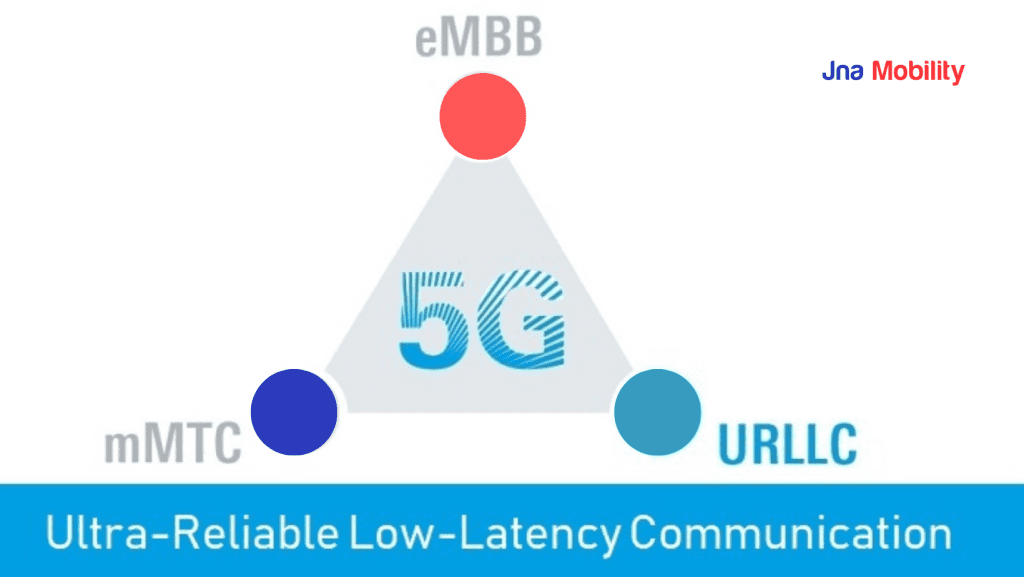
URLLC vs eMBB

URLLC (Ultra-Reliable Low-Latency Communications) and eMBB (Enhanced Mobile Broadband) are two key 5G use cases with very different requirements. While eMBB focuses on delivering high data rates and bandwidth, URLLC prioritizes extremely low latency and ultra reliability.

The key differences between URLLC and eMBB include:

Latency – URLLC requires latencies under 1ms for mission-critical applications, while eMBB can tolerate latencies around 4-20ms.

Reliability – URLLC demands 99.999% reliability. eMBB can operate at 99% reliability.

Data rates – eMBB delivers multi-Gbps data rates. URLLC only requires rates up to ~250 Kbps.

Traffic – URLLC supports intermittent small data packets. eMBB handles continuous high throughput traffic flows.

Density – URLLC connections are sporadic with low device density. eMBB supports dense networks with many active users.

Jitter – URLLC requires precise timing and jitter under 1ms. eMBB can handle 10s of ms of jitter.

Use cases – URLLC enables mission-critical IoT apps like industrial control, autonomous vehicles. eMBB focuses on bandwidth-hungry apps like 4K video streaming.

While eMBB and URLLC have divergent requirements, 5G networks must support both use cases. Advanced techniques like network slicing and edge computing allow operators to deliver eMBB and URLLC over a common infrastructure.

The Future of URLLC

URLLC is an emerging technology that is still rapidly developing and evolving. As 5G matures and new use cases arise, the requirements for URLLC will likely continue to advance. Here are some insights into how URLLC may progress in the coming years:

Evolution of Use Cases and Requirements

Automotive: Autonomous vehicles will demand even lower latency and higher reliability. As vehicles communicate for cooperative driving, traffic management, and safety, sub-millisecond latency may become necessary.

Industrial Automation: As automation expands to new sectors like healthcare and logistics, flexible and adaptable URLLC will be required. Latency and reliability needs will increase as automation grows more advanced.

Augmented/Virtual Reality: These immersive technologies will require highly responsive networks so user experiences are seamless. Latencies below 5ms could become typical.

Smart Cities: Urban applications like traffic flow optimization and public safety will need latency down to 1ms and reliability up to 99.999%.

Financial Trading: High-frequency algorithmic trading demands latencies below 50μs. Reliability requirements will also increase to avoid losses.

As use cases evolve, latency targets could reach 100μs and reliability could approach “six nines” availability (99.9999%). This will put pressure on networks to advance URLLC capabilities.

6G Ambitions

The 6G era will look to take URLLC even further:

Latency below 1ms for general use cases, with specialized use cases targeting latencies below 100μs.

Reliability of 99.99999% and higher for mission-critical services.

Support for extremely dense deployments of Internet of Things devices that require URLLC.

Security and resilience built deeply into the architecture to protect URLLC use cases.

Intelligence integrated into the network to dynamically optimize for URLLC requirements.

Expanded use of higher frequency bands above 100GHz to deliver extreme data rates and capacity.

6G will likely make flexible, adaptable, and ultra-responsive connectivity nearly ubiquitous. it will be an essential enabler to make many emerging real-time applications possible.

Conclusion

URLLC is a unique 5G technology that enables ultra-reliable and low latency communications for mission-critical applications and services. It provides capabilities that were not possible with previous cellular generations. The importance of maintaining extremely low latency and very high reliability is paramount for use cases like industrial automation, remote surgery, autonomous vehicles and more. These revolutionary applications can transform various industries and potentially society as a whole.

However, there are still challenges to implementing it on a wide scale. Ensuring the end-to-end latency from the device to the edge application is very difficult. New network slicing techniques can guarantee quality of service, but deploying the required infrastructure is complex. There is also a need for advances in radio interface design, new waveforms and access protocols optimized for URLLC. Very sophisticated scheduling and edge computing techniques must work together to enable the desired reliability and extreme low latency.


An Introduction to URLLC Technology Read More »

Advantages of 5G Networks

Advantages of 5G Networks

Faster Data Speeds

One of the biggest advantage of the 5G network is significantly faster data speeds compared to 4G LTE networks. 5G offers peak download speeds up to 20 Gbps, versus peak speeds of around 1 Gbps on 4G LTE. In real-world tests, early 5G networks are averaging download speeds of 300 Mbps, while 4G LTE speeds average around 30 Mbps.

This speed increase has a noticeable impact on many mobile activities. Streaming 4K or 8K video content can happen instantly without any buffering delays. Multiplayer mobile gaming is incredibly responsive, with lag and latency dramatically reduced compared to 4G. Video calls and conferencing have stunning quality even with multiple users. Augmented and virtual reality experiences are more immersive without interruptions.

Essentially, 5G enables a broadband-like experience on mobile devices. Any activity involving transferring large amounts of data will happen exponentially faster on 5G networks. The speed upgrade brings the power of fixed fiber connections to smartphones and tablets for the first time.

Lower Latency

Latency refers to any delay or lag in data transmission over a network. 4G networks have average latency around 50ms, whereas 5G aims for 1ms. This ultra-low latency opens up new possibilities for real-time applications.

For example, lower latency will significantly improve augmented reality (AR) and virtual reality (VR) experiences. These technologies overlay digital information onto the real world or immerse users in a simulated environment. High latency results in lag between a user’s movements and system response, causing motion sickness. With 5G’s reduced latency, AR/VR will feel instantaneous and lifelike.

Latency also matters for autonomous vehicles and drones. At just 1ms, 5G allows data sharing between vehicles to happen almost simultaneously. This enables cooperative collision avoidance and traffic management not possible before.

Telemedicine and remote surgery can also benefit from 5G’s real-time transmission. Doctors can operate robotic surgical tools and receive touch feedback as if they were in the room with the patient.

For industrial automation, ultra-reliable low latency communications (URLLC) will support time-sensitive control of robots, machinery, and other elements. This is critical for digital transformation of manufacturing, logistics, and other sectors.

In general, the responsiveness unlocked by 5G latency improvements will facilitate new types of applications across many industries. It will help enable the Internet of Things (IoT) by allowing near instantaneous communication between countless connected devices.

Increased Connectivity

5G networks are designed to support a 100x increase in connected devices compared to 4G LTE networks. This allows for a massive expansion of the Internet of Things (IoT) and connectivity for smart home devices and other equipment.

Whereas 4G LTE may struggle with thousands of devices connected to a single cell tower, 5G is engineered to easily handle over a million device connections simultaneously. The 5G infrastructure utilizes network slicing technology which allows mobile operators to create multiple virtual networks within a single physical 5G network.

For example, one slice could be allocated for IoT sensors and low-power wide area networks. Another slice could handle vehicle-to-vehicle communications. Additional slices can provide high-speed, low-latency connectivity for critical applications. Network slicing enables supporting an extremely high density of devices efficiently.

The superior connectivity of 5G will allow for advanced smart home capabilities and automation. Appliances, security cameras, climate control systems and more can be seamlessly linked and managed remotely via 5G connectivity. Cities will also become more intelligent and connected through embedded 5G sensors to monitor traffic patterns, public transit use, and other data to optimize infrastructure. 5G enables the full potential of the IoT and a smarter, more automated world.

Also, Read : The 5G Revolution: Why Your Phone Bill is Changing

Greater Capacity

One major advantage of 5G is its ability to handle significantly more data capacity compared to previous networks. 5G utilizes wider bandwidth technologies such as mmWave to transmit data more efficiently. It also makes use of advanced antenna technologies like massive MIMO to allow multiple users and devices to connect simultaneously without reducing individual user speeds.

Whereas 4G LTE networks max out at around 100 Mbps download speeds shared across all users. 5G networks are designed for up to 10 Gbps speeds with the ability to support 100x more devices per area. This increased capacity is essential to support the exponential growth in connected devices and data usage driven by technologies like IoT, virtual reality, 4K/8K video streaming, and more.

The greater capacity of 5G networks means more users can access and utilize data-intensive applications simultaneously with high speeds and low latency. For example, an entire stadium full of people could stream HD video or participate in augmented reality experiences at the same time during a live event. Or smart sensors throughout a city could continuously transmit data back to analytics platforms to enable real-time automation and control.

In summary, 5G’s massive gains in bandwidth and connectivity density unlock transformative new use cases and experiences not possible before.

New Services & Capabilities

5G enables new types of services that were not possible before. Two key capabilities that 5G introduces are network slicing and multi-access edge computing.

Network slicing allows cellular operators to create multiple virtual networks on top of a common physical infrastructure. For example, one slice could provide ultra-reliable, low-latency connectivity for autonomous vehicles while another provides high-bandwidth connections for VR gaming. Slicing enables greater flexibility and customization.

Multi-access edge computing (MEC) pushes processing power and cloud capabilities to the edge of the network, closer to users. This significantly reduces latency as data doesn’t need to travel all the way to a central data center. MEC facilitates real-time applications like streaming, gaming and augmented reality. It also aids deployment of IoT devices by enabling processing at the source of data.

Overall, capabilities like network slicing and MEC will enable transformative new services with 5G. From industrial automation to smart cities, 5G opens the door to innovations that can benefit consumers, businesses and society.

Energy Efficiency

One of the major advantage of 5G is that, it is designed to be much more energy efficient than previous cellular network generations. 5G networks accomplish this in a few key ways:

New radio technologies like massive MIMO allow more data to be transmitted using less power. Massive MIMO uses multiple antennas to focus signals directly to devices rather than broadcasting in all directions.

Small cell networks with shorter distances between antennas require less power for signal transmission.

Advanced beamforming techniques steer signals directly to devices, reducing network-wide transmission power.

5G networks are able to intelligently scale power usage up or down based on real-time demand. This avoids wasting power at times of lower data usage.

New hardware advancements like more integrated and compact chipsets reduce power needs.

The increased energy efficiency of 5G provides environmental benefits. As 5G replaces legacy 3G and 4G networks, global cellular networks will consume less energy and produce less emissions. Some estimates project 5G networks will be 90% more energy efficient per traffic unit compared to 4G LTE networks. The rollout of 5G is an important step towards sustainable connectivity that balances society’s connectivity needs with environmental impacts.

Reliability

5G networks aim to provide users with a more reliable mobile connectivity experience through sophisticated network management and new radio technologies. Some key advantages of 5G networks for reliability include:

Ultra-reliable low latency communications (URLLC) – This feature of 5G allows for extremely fast and reliable data transmissions, reducing latency to 1-10 milliseconds. This enables mission-critical applications like remote surgery, autonomous vehicles, and real-time monitoring of critical infrastructure.

Network slicing – 5G networks can create multiple virtual networks or “slices” within a single physical network. Each slice can be optimized for a particular use case, ensuring highly reliable connectivity tailored for applications like smart grids, industrial IoT, and public safety.

Advanced beamforming – 5G uses targeted beams to precisely direct signals between base stations and devices. This allows for stronger, more stable connections compared to the “cell blanket” approach of past generations.

Edge computing – By processing data closer to the user, edge computing minimizes the distance between devices and applications. This reduces network hops and potential failure points, improving reliability.

Self-healing networks – 5G networks utilize predictive analytics and software-defined networking to instantly detect and mitigate connectivity issues. This enables greater service resilience.

With ultra-fast speeds, low latency, and intelligent network management, 5G will support the reliable exchange of vast amounts of data. This paves the way for innovations in robotics, autonomous transport, augmented reality, and other cutting-edge use cases.

Security

5G networks introduce new security protocols and features to help protect user data and privacy. Some key aspects of 5G security include:

Built-in user authentication: 5G networks require device authentication using a SIM card or digital certificate before allowing access. This prevents unauthorized devices from connecting.

Encryption: 5G uses encryption standards like 256-AES and 384-AES to encrypt data in transit over the network. This protects against eavesdropping or data interception.

Network slicing: Networks can be logically separated into slices using virtualization technology. This isolates and secures data within each slice.

DDoS protection: 5G architectures allow for distributed denial of service (DDoS) attack prevention and monitoring. This defends against attempts to overwhelm or crash the network.

Edge computing: Processing data closer to the edge minimizes the distance it travels, reducing potential vulnerabilities.

Automated threat detection: Machine learning algorithms can detect anomalies and automatically flag potential threats in 5G networks. This enables a rapid response to emerging cybersecurity issues.

Standards: Industry groups like 3GPP are developing security specifications for 5G networks. Interoperability testing will help verify equipment meets strong 5G security standards.

Upgrades: Core network infrastructure upgrades provide inherent security enhancements compared to legacy networks.

With these improvements, 5G aims to provide greater levels of security than predecessor networks. But the focus on security in the 5G standards helps create a more inherently secure network.

Widespread Availability

5G networks are rapidly being rolled out around the world, with the first major deployments occurring in 2019. While 5G coverage is still limited to certain areas and major cities in most countries, carriers are aggressively expanding their networks.

According to Ericsson, they project that 5G coverage will reach 45% of the world’s population by the end of 2024. China is leading the way and aims to have deployed over 130,000 5G base stations by the end of 2020. In the US, all major carriers have launched 5G in select markets with nationwide coverage expected in 2-3 years.

New User Experiences

The increased speeds and capabilities of 5G networks will enable new experiences for smartphone users that weren’t possible before. Here are some of the key ways 5G will change how we use our phones:

Augmented reality & virtual reality – 5G’s high bandwidth and low latency allows for advanced AR and VR apps that can place immersive digital content into the real world in real-time. This could revolutionize gaming, entertainment, shopping, and more.

Connected cloud gaming – Cloud gaming services will be able to stream high fidelity games directly to phones thanks to 5G’s speed and reliability. No need for expensive consoles or PCs.

Autonomous vehicles – 5G will help enable self-driving car technology by allowing vehicles to communicate with each other, traffic signals, and other infrastructure in real-time. This is critical for navigation and safety.

Telemedicine – Doctors will be able to diagnose, treat, perform checkups, and operate remotely in high definition video thanks to 5G networks. Healthcare can become more accessible.

Industrial automation – Factories can implement advanced automation, robotics, and machine learning to streamline operations and production through 5G connectivity. The workforce becomes more productive.

Enhanced multimedia – Streaming ultra HD video, downloading high res movies in seconds, and videoconferencing in crystal clarity will be possible with 5G phone networks. Media experiences get better.

IoT innovation – The Internet of Things will explode thanks to the connectivity of 5G. Our homes, vehicles, appliances and more can become intelligent and interconnected.

So in summary, 5G is a game changer for what we can do with our mobile devices thanks to vastly improved speeds, reliability, and connectivity. It will enable many tech innovations that enhance our lives. The smartphone experience is about to change dramatically.

Advantages of 5G Networks Read More »

How Technology Is Revolutionizing the Smartphone Industry

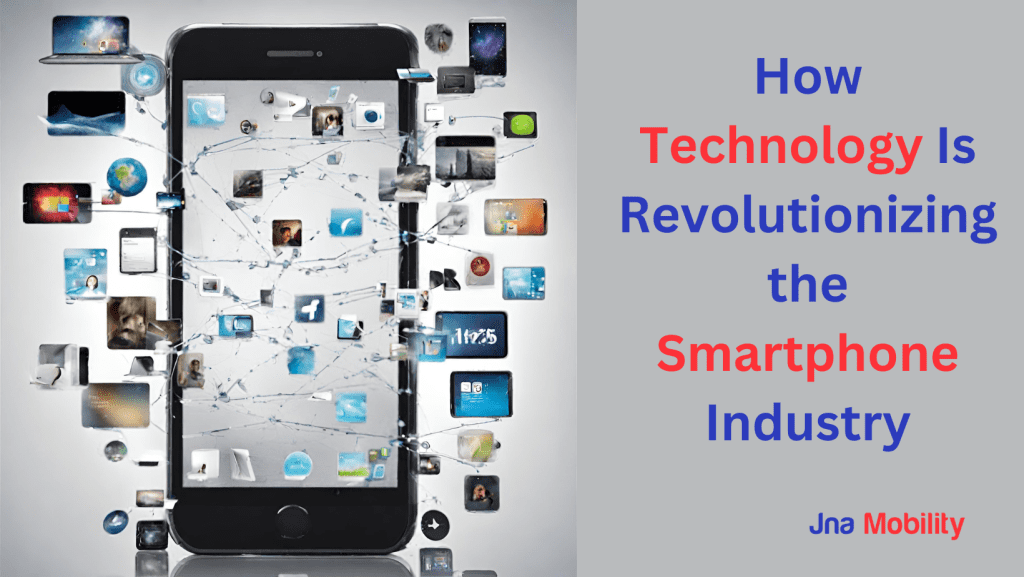
How Technology Is Revolutionizing the Smartphone Industry

Over the past decade, smartphones have evolved at a remarkably fast pace. The smartphone we carry in our pocket today bears little resemblance to the models from just 10 years ago. While early smartphones focused mainly on communication functions like calling and texting, today’s devices are packed with advanced computing technology that enables mobile internet access, photography, videography, gaming, navigation and much more.

The relentless pace of innovation has brought constant upgrades and improvements across all aspects of smartphone technology. From high-resolution OLED displays to multi-lens camera systems, 5G connectivity, biometrics, and machine learning applications, it seems progress knows no bounds. Many core technologies like processors, memory, sensors and batteries have also seen major advancements over a short period of time.

This article explores the key technological innovations revolutionizing smartphones today. We will examine the drivers and latest developments across core components like displays, cameras, connectivity, processors, batteries, biometrics and durability. The rapid rate of change shows no signs of slowing down, promising even more dramatic improvements in the years ahead. Ultimately, these advances are transforming the smartphone from a communications device into an indispensable, feature-packed mobile computer.

Displays

Smartphone displays have undergone major advancements in recent years. One key trend is the transition from LCD (liquid crystal display) panels to AMOLED (active-matrix organic light-emitting diode) displays. AMOLED screens provide better image quality with higher contrast ratios, true blacks, and vivid colors. They also allow for slimmer smartphone designs and can be more energy-efficient.

Another major development is the move to larger screen sizes and thinner bezels. Early smartphones typically had 3.5-4 inch screens, while today 6-6.5 inch displays are common on flagship models. Edge-to-edge designs with minimized bezels allow for more immersive viewing experiences. This expanded screen real estate enables new use cases like split-screen multitasking.

Higher refresh rate displays are also becoming more prevalent. While 60Hz was once standard, 90Hz and even 120Hz panels are now available. These higher refresh rates result in smoother scrolling and animations. Motion is more fluid and natural.

Under-display cameras represent an emerging innovation. This technology hides the front-facing camera underneath the display, eliminating the notch. It allows for true all-screen designs without compromises. This tech is still in its early stages but could become mainstream in the next few years.

Overall, displays are an area of rapid change in smartphones. Screens are growing larger, sharper and more vivid. They are also becoming more seamless and immersive. Display tech will likely continue advancing to further improve the visual experience.

Cameras: Capturing Better Photos

Cameras in smartphones have evolved rapidly over the past decade, moving from single-lens basic cameras to intricate multi-lens setups capable of professional-level photography. Previously, smartphones relied on a single, small lens and image sensor that produced grainy, low-resolution photos. But thanks to several key innovations, smartphone cameras can now rival dedicated digital cameras.

The first major shift was the transition from single to multi-lens cameras. By incorporating multiple lenses – typically a standard wide-angle, a telephoto zoom, and an ultra-wide angle – smartphones can zoom in optically, create blurred background bokeh effects, and stitch together expansive panoramas. Dual and triple camera arrays are now standard even on mid-range devices.

Image sensors and pixel size have also increased dramatically, allowing more light capture and superior low light performance. Premium smartphones now boast massive 1-inch sensors with 48+ megapixels. Combined with wider f/1.5-1.8 apertures, photos turn out brighter and clearer in all conditions.

Both optical and electronic image stabilization have also improved through OIS and EIS. These technologies reduce blur from shaky hands by mechanically or digitally stabilizing the camera module. The results are incredibly stable videos and sharp stills.

Using advanced software techniques like machine learning and neural networks, smartphones can now offer sophisticated features like portrait/bokeh modes. By mapping the scene and depth-of-field, the background can be artfully blurred while keeping the subject in sharp focus. Other computational photography features like night modes leverage multi-frame exposures and AI to obtain well-lit low noise images where traditional cameras struggle.

With powerful multi-lens arrays, improved light capture capabilities, and intelligent software processing, smartphone cameras have truly been revolutionized to achieve amazing photographic capabilities in the palm of your hand.

Connectivity: Faster Speeds for a More Connected Experience

The connectivity capabilities of smartphones have progressed rapidly, with each new generation of devices able to access faster data networks and more advanced wireless standards.

One major connectivity milestone has been the emergence of 5G networks. 5G delivers substantially higher bandwidth and lower latency than predecessor 4G networks, enabling smartphones to transfer data at blazing-fast speeds. This allows users to stream high-definition video, quickly download large files, and enjoy lag-free gaming on the go. Most flagship smartphones now contain 5G support, and as infrastructure continues to develop, 5G connectivity will become standard.

Along with cellular network upgrades, smartphones integrate the latest WiFi standards for fast local connectivity. WiFi 6 and the newest WiFi 6E dramatically increase throughput and reduce congestion through more efficient data encoding and by opening up the 6 GHz band. This provides a seamless wireless experience at home and in public spaces.

Smartphones are also beginning to adopt ultra wideband (UWB) technology for proximity awareness. UWB enables centimeter-level location accuracy by transmitting data across a wide frequency channel. This allows devices to pinpoint exact locations, like finding a lost item using a UWB-equipped smartphone. It also facilitates information transfer when devices are in close contact. As more manufacturers integrate UWB, it may enable advanced applications like mobile contactless payments, indoor navigation, and multi-player mobile gaming.

Ongoing enhancements in cellular, WiFi, and other wireless protocols will allow smartphones to deliver innovative experiences, intensive media applications, and new productivity tools by removing connectivity bottlenecks. With each generation packing greater bandwidth and more advanced capabilities, the smartphone’s role as an essential connected computing platform will only expand.

Related : Buy 5G Mobile Phones

Faster, Smarter Processors

Smartphone processors have undergone a major transition in recent years. Chipmakers have moved from slower, legacy processors like Snapdragon to newer, faster ARM-based chips designed specifically for mobile devices.

The latest flagship processors boast clock speeds over 3GHz, compared to 1-2GHz just a few years ago. This translates to much faster app loading times and smoother responsiveness when multitasking or gaming. The shift to ARM also enables thinner, lighter smartphone designs with better battery life.

These new-generation processors go far beyond just delivering speed. They incorporate dedicated AI and machine learning components to enable next-level on-device intelligence. For example, the Pixel 6’s Google Tensor chip has a Titan M2 security core and tensor processing units to power Google’s AI-driven applications and features.

Imaging is another area seeing innovation, with processors like the A15 Bionic containing a 16-core neural engine and new image signal processor. These handle up to 4 trillion operations per photo, enabling incredible computational photography. Some manufacturers are also adding independent processors focused solely on security, such as the Qualcomm SPU for privacy and encryption.

Battery & Charging

Smartphone batteries and charging technology have seen major advancements in recent years. Battery capacities have steadily increased, with many flagship phones now featuring batteries of 4000 mAh or larger. This allows for longer battery life between charges.

Fast charging standards like USB Power Delivery allow phones to charge up quickly when you need a boost. Using specialized chargers, some phones can now go from 0 to 50% charge in as little as 15 minutes. This makes it easier for users to top up their phone battery during the day.

Wireless and reverse wireless charging are also gaining popularity. Wireless charging allows you to simply place your phone on a charging pad, eliminating the need to plug in a cable. Reverse wireless charging enables you to use your phone to wirelessly charge other devices, like wireless earbuds or smartwatches. This opens up new possibilities for on-the-go power.

Overall, innovations in battery capacity, fast charging, and wireless charging are ensuring that smartphone users can stay powered up with less hassle than ever before. Smartphone batteries have never been bigger or faster to charge.

Biometrics Revolutionize Smartphone Security

Smartphone manufacturers are integrating advanced biometric sensors to enable convenient yet secure user authentication. This allows smartphones to be unlocked using fingerprint, face, or iris recognition, eliminating the need to remember and type in passcodes.

Fingerprint scanning is one of the most widely adopted biometric authentication methods in smartphones today. Capacitive fingerprint sensors were traditionally mounted on the front or back of devices. However, recent flagships like the Samsung Galaxy S10 feature in-display fingerprint sensors embedded beneath the screen. This allows users to unlock their phones seamlessly by placing their finger on the display. Under-display fingerprint technology is also emerging, with sensors placed under the entire display instead of a dedicated area.

Face recognition has gained popularity as an unlocking mechanism thanks to the TrueDepth camera system on iPhones and Time-of-Flight (ToF) 3D cameras on Android devices. Face unlock is considered more convenient than fingerprint scanning as it works without any user touch, but may be less secure.

More advanced smartphones are beginning to adopt iris scanning technology which maps and recognizes the unique patterns of a user’s irises. The iris scanning process uses safe infrared light and machine learning algorithms to capture and verify the user’s identity. While not as ubiquitous as fingerprint or face scanning yet, iris recognition provides robust biometric security for smartphones.

Durability

Smartphone durability has also seen major improvements in recent years. Manufacturers are making devices more resistant to water, dust, and drops.

Many flagship phones now have water and dust resistance ratings of IP67 or IP68. This means they can withstand being submerged in 1-3 meters of water for 30 minutes without damage. The more premium phones use gaskets and rubber seals around ports and openings to prevent ingress of water and particles.

Glass displays are also much stronger due to the use of Corning Gorilla Glass, Dragontrail or sapphire crystal glass. These provide enhanced scratch resistance and shatter protection when dropped. High-end smartphones may even use stainless steel or aluminum alloy frames for improved sturdiness.

Some examples of durable, high-end smartphones include:

  • iPhone 12 Pro – IP68 water resistant, Ceramic Shield display glass, stainless steel frame
  • Samsung Galaxy S21 Ultra – IP68 rating, Gorilla Glass Victus display, aluminum frame
  • Google Pixel 5 – IP68, Gorilla Glass 6, aluminum body

With people increasingly relying on their smartphones, durability innovations allow the devices to better withstand the rigors of daily use and accidental drops. This improves the lifespan of smartphones and reduces the need for repairs or replacements.

Software & AI

Smartphone software and AI capabilities have advanced rapidly in recent years. Mobile operating systems like Android and iOS now offer features unimaginable just a decade ago.

On-device AI enables smartphones to recognize objects, understand natural language, and respond to voice commands. For example, Google Assistant can now handle complex voice commands entirely on a Pixel phone, without needing to connect to the cloud. Apple’s neural engine hardware allows Siri to understand and process requests faster than ever.

Augmented reality (AR) apps are also emerging as a major new smartphone capability. Apps like IKEA Place let you preview furniture in your actual room using your phone’s camera. Snapchat and Instagram filters showcaseplayful AR effects. More practical applications are coming too – imagine getting walking directions overlaid on the sidewalk in front of you via your phone’s camera.

AI also enables computational photography, producing photos through software optimization that no normal camera could capture. Portrait mode and night mode on the latest smartphones demonstrate this well. Google, Apple, and Samsung continue to push the boundaries of what’s possible through on-device AI.

As smartphones gain more advanced chipsets to handle intensive processing, we’ll see even more intelligent features. The combinations of powerful hardware and software will open up creative new possibilities that further integrate smartphones into our daily lives.

Conclusion

Over the past decade, smartphones have undergone a dramatic evolution in technology and capabilities. From advanced displays and cameras to faster connectivity and processors, smartphones today look very different from models introduced 10 years ago.

Some of the most significant innovations in smartphone technology we’ve seen in recent years include:

  • High-resolution OLED and AMOLED displays that offer more vivid colors and deep blacks. Display resolutions have increased from 720p to 1080p and now 4K.
  • Dual and triple camera systems with 12MP+ sensors, ultra wide angle lenses, 5x optical zoom, and advanced software for computational photography and videography.
  • 5G network connectivity for faster downloads, lower latency, and expanded capacity compared to 4G LTE networks.
  • More powerful and energy-efficient processors based on ARM and Apple Silicon architectures, enabling better performance and battery life.
  • Fast charging capabilities with some phones supporting up to 80W wired charging and 15W wireless charging. This allows shorter charging times.
  • In-display fingerprint sensors and 3D facial recognition systems for faster and more secure biometric authentication.
  • Improved water resistance and stronger glass to better withstand drops and scratches.

Looking ahead, key areas where we are likely to see additional advancements in smartphone technology include:

  • Fully flexible displays that can bend and fold without being damaged.
  • Under-display selfie cameras to provide uninterrupted views on the front screen.
  • Enhanced extended reality (XR) capabilities through tighter software/hardware integration.
  • 5G standalone networks, multi-SIM 5G connectivity and Wi-Fi 6/6e support.
  • New semiconductor materials like gallium nitride (GaN) to enable faster charging.
  • Further improvements to battery life through more efficient power management.

In summary, the smartphone industry has made incredible progress over the past 10 years but still has room for continued innovation. As smartphones play an increasingly central role in our daily lives, advancements in areas like displays, cameras, connectivity, biometrics and durability will remain high priorities for the industry. It’s an exciting time to follow smartphone technology as new capabilities emerge on the horizon.

How Technology Is Revolutionizing the Smartphone Industry Read More »

Network Coverage

Future of Network Coverage: Predictions & Trends 2025+

Reliable network coverage has become an essential part of our daily lives. From empowering businesses and education to enabling advancements in healthcare, network connectivity opens up possibilities that were unimaginable just a decade ago. We now live in a world that is more connected than ever before through the internet and mobile devices. Network coverage provides the critical infrastructure that allows us to access information, communicate, and participate in the digital world anytime, anywhere.  

Yet, there are still gaps in network availability and speeds that prevent some communities from fully utilizing these technologies. Network coverage is not consistently reliable across geographies, and many rural areas still lack the connectivity that urban residents may take for granted. As more of our economy and day-to-day activities shift online, inequalities in access to fast, reliable networks will continue growing. 

Closing these digital divides should be a top priority as we look to the future of network coverage. Major investments, policy changes, and infrastructure upgrades will be required to bring the entire population online and give businesses access to the tools they need to innovate and grow. In this article, we will explore the most important trends and predictions shaping the future of network coverage. Anticipating where this technology is headed will allow us to take proactive steps to ensure more equitable access for all.

5G Rollout 

5G networks are being rolled out around the world, promising faster speeds, lower latency, and the ability to connect more devices than previous cellular generations. After initial launches in 2018-2019, 5G coverage accelerated globally in 2020. 

According to the Global Mobile Suppliers Association (GSA), over 190 operators have launched 5G service in nearly 70 countries as of March 2021. The leaders in 5G deployment currently include China, South Korea, the United States, and parts of Europe. However, 5G coverage remains limited mainly to urban centers and select areas in these countries right now.  

Widespread mainstream adoption of 5G globally is still in early phases. Initial estimates projected that 5G connections would reach 1 billion globally by 2023. However, those estimates now appear overly optimistic. Ericsson predicts 5G will account for around 27% of mobile subscriptions in North America by the end of 2025, and around 26% in Northeast Asia. In other parts of the world, 5G is expected to represent less than 10% of subscriptions by 2025.

Challenges to rapid 5G deployment include infrastructure costs, spectrum availability, device penetration, and return on investment for telecom operators. Despite the hype around 5G, expanding coverage across entire countries and demographics will realistically take years. Nevertheless, ongoing investment and trials suggest 5G will gradually become a ubiquitous technology over the next decade in many parts of the world.

Rural Broadband

Rural connectivity has long lagged behind urban areas, but significant initiatives are underway to close this digital divide. The FCC and telecom companies are investing billions to expand high-speed internet access into rural communities through programs like the Rural Digital Opportunity Fund and private-public partnerships. 

New technologies like fixed wireless and satellite broadband are helping bring faster speeds to remote areas. Electric co-ops and municipalities are also building their own broadband networks. Despite the challenges of low population density and difficult geography, rural access is improving. Over the past 5 years, the number of Americans without access to a wired connection fast enough for modern needs dropped from 30% to less than 20%.

Sustained federal funding, creative solutions like TV white spaces spectrum, and community-led efforts will be vital to finish the job of connecting every American, regardless of location. Reliable internet empowers rural small businesses, enables telemedicine and remote work, and supports local economies. As consumers increasingly participate in the digital world, universal broadband must remain a priority. With thoughtful policies and ongoing investment, the rural-urban digital divide can close in the next decade.

Satellite Internet

With over 19 million Americans lacking access to fixed broadband services, satellite internet has become an important option for providing internet access in rural and remote areas. Historically, satellite internet suffered from high latency and inconsistent speeds. However, advances in satellite and ground station technologies have led to improved performance that can rival fiber optic networks.

Some key advantages of satellite internet include:

Ubiquitous coverage – Satellites can provide internet access to any location they cover, without the need for cables or cell towers. This makes satellites ideal for serving remote communities.

Quick deployment – Satellite dishes can be installed in just a day or two, enabling rapid deployment of internet access. This contrasts with laying fiber or building cell towers which can take months or years.

Reliability – Satellite connectivity does not suffer from terrestrial disruptions like fiber cuts. The distributed nature of satellite networks provides inherent resiliency.

Scalability – Satellite capacity can be expanded by launching more satellites. This allows networks to scale flexibly to meet growing demand.

Mobility – Many satellite networks maintain high bandwidth links even while in motion, unlike cellular or WiFi. This enables connectivity for aviation, maritime and ground vehicles.

Key players in satellite internet include SpaceX’s Starlink, Amazon’s Project Kuiper, OneWeb and others. These emerging mega-constellations with thousands of low earth orbit satellites have the potential to provide global high-speed broadband connectivity. With continued innovation and declining launch costs, satellite internet promises to play a pivotal role in connecting the next billion users across the planet.

IoT Connectivity

The proliferation of internet-connected devices and sensors, collectively known as the Internet of Things (IoT), will require reliable network connectivity. By some estimates, there will be over 30 billion IoT devices by 2025, ranging from consumer electronics to industrial equipment. 

Ensuring these IoT devices have adequate network access presents challenges. Many IoT devices are low-bandwidth and transmit intermittent data, often from remote locations. Traditional cellular networks are not optimized for massive numbers of IoT connections. New IoT-focused networking technologies are emerging, like NB-IoT and LTE-M networks. These provide long-range, low-power connectivity tailored to IoT traffic patterns.  

5G networks will also facilitate IoT adoption. With greater bandwidth and reduced latency, 5G enables real-time control of IoT devices. Advanced 5G capabilities like network slicing can provide customized virtual networks optimized for IoT connectivity. Partnerships between telecom providers and IoT platform vendors will drive large-scale deployments.

To fully realize the potential of IoT, network coverage must extend far beyond densely populated urban areas. Many important IoT applications involve assets in rural areas, like agricultural equipment on farms. Providing robust connectivity to these remote regions is a key priority. With thoughtful planning and investment, the networks of the future can provide the coverage and capabilities needed for the promised IoT revolution.

Network Infrastructure

As data demands increase, network infrastructure will need major upgrades to keep up. This includes enhancing the backbone network, improving connectivity at the last mile, and densifying cell towers. 

Fiber optic cables will continue replacing older copper wire infrastructure. Fiber offers huge bandwidth potential, future-proofing networks as demands grow. Expect increased fiber rollout to cell towers, buildings, and homes.

5G’s super-fast speeds depend on dense small cell networks. Carriers must deploy high numbers of low-powered small cells versus fewer traditional towers. Small cells sit on light poles, rooftops and more. Many households may soon have their own miniature cell tower.

Software will help manage the complexity of 5G small cell networks. AI and automation will handle real-time network tuning and interference management. Network slicing technology will allow many customized virtual networks to run on one physical 5G network.

Edge computing also plays a role. By processing data closer to users, less must traverse the network backbone. Smart cities will install edge data centers to lower latency and support new 5G applications.

Spectrum Allocation 

With the upcoming rollout of 5G and continued demand for mobile data, spectrum allocation will play a critical role in ensuring optimal network coverage. More spectrum will need to be allocated by regulators for 5G implementation. Key bands like millimeter wave (mmWave) and mid-band spectrum will provide the necessary bandwidth for faster speeds. 

However, low-band spectrum below 1 GHz will remain important for rural coverage given its propagation advantages. Balancing the allocation of low, mid and high band spectrum will enable carriers to support both urban and rural users. Techniques like spectrum sharing and dynamic access may help optimize spectrum utilization as well. Policymakers will need to collaborate closely with industry to enable sufficient licensed and unlicensed spectrum for network operators.

Spectrum auctions and re-farming of bands for 5G must also accelerate. As legacy 2G/3G networks sunset, regulators will need to work quickly to repurpose spectrum for new technologies. Coordinated efforts by government agencies can help align policy, standards and spectrum availability for timely 5G deployments. With the right spectrum resources and strategy, carriers can enhance coverage across diverse geographies and deployments.

Network Resiliency

Network outages can occur for many reasons – severe weather, natural disasters, cyber attacks, fiber cuts, software bugs, and more. As our world becomes increasingly dependent on internet connectivity, network resiliency is more important than ever. 

Several trends are improving network resiliency:

Distributed networks with no single point of failure. Major providers are shifting to distributed network architectures rather than centralized models. This allows traffic to automatically route around localized outages.

Rapid disaster recovery systems. Providers are getting better at quickly deploying portable cell towers and makeshift network infrastructure after disasters knock systems offline. For example, drones can now autonomously inspect and repair fiber lines.

Multi-carrier redundancy. Many businesses are using SIM cards from multiple carriers, automatically switching between cellular networks if one goes down.

Microgrids and renewable energy. Wind, solar, battery and generator microgrids allow cell towers to operate off-grid during power outages. 

Satellite and mesh networks. These can maintain connectivity when terrestrial infrastructure is impaired. Starlink and other LEO sat providers may play a bigger role.

Real-time network monitoring. AI and big data analytics allow providers to detect anomalies and failures faster. Software-defined networking lets them quickly redirect traffic and load balance.

Cybersecurity and resilience. Providers are structuring networks in more secure ways, isolating critical systems and data, to prevent cyber attacks from spreading impact.

With climate change expected to increase extreme weather events, and cyber threats growing, network resilience will continue improving to match the demand for 24/7 connectivity. Redundancy, decentralization and rapid recovery systems will become the norm.

Regulation and Policy

The laws and regulations surrounding connectivity are constantly evolving. Governments play a key role in shaping the future of network coverage through their policy decisions. Several regulatory factors could impact network rollout in the coming years:

Infrastructure Investment – Government infrastructure spending will likely accelerate network expansion, especially into rural and remote areas. Initiatives like the bipartisan Infrastructure Investment and Jobs Act in the U.S. allocate billions towards broadband access. Similar investments by other countries could follow.

5G Deployment Rules – The shift to 5G requires governments to allocate more wireless spectrum and update regulations around small cell siting. Streamlined permitting and access to public infrastructure will be key for rapid 5G buildouts. Policy battles around local control, fees, aesthetics and potential health risks could slow deployment.

Net Neutrality – Rules requiring equal treatment of internet traffic will shape how networks manage capacity and prioritize services. Different approaches by regulators worldwide create uncertainty around net neutrality.

Security Standards – Stricter security protocols, equipment certification and data privacy laws enacted by governments may impact networking costs and equipment supply chains. Policy differences also risk fragmentation.

Merger Oversight – Regulator scrutiny of mergers between telecoms, cable and media giants will influence industry consolidation and competition. Mega-deals face skepticism, forcing divestitures of assets to gain approval.

Navigating this changing regulatory landscape will be imperative for network operators. Policy decisions in the years ahead will shape whether the promise of broader 5G connectivity is fully realized. Striking the right balance between accelerating deployment, safeguarding competition, and protecting the public interest remains a key challenge for governments worldwide.

Conclusion

As we’ve seen, the future of network coverage promises exciting innovations that will transform how we connect and communicate. The rollout of 5G and expansion of rural broadband will bring high-speed connectivity to more people across the country. Emerging satellite internet constellations like Starlink aim to provide global broadband access, while developments in IoT and network infrastructure will enable new applications and use cases. 

However, realizing this potential will require overcoming challenges around spectrum allocation, network resiliency, and regulatory policy. Governments and industry stakeholders will need to collaborate to balance rapid innovation with sensible guardrails. There are also concerns around potential health impacts of increased EMF radiation that merit further research.

Looking ahead, networks are poised to become faster, more ubiquitous, and more intelligent. 5G and WiFi 6 will empower new mobile experiences, while growth in fiber and core network capacity will support rising data demands. Edge computing and network slicing will enable specialized services optimized for applications like gaming, telemedicine, and autonomous vehicles.  

To fully materialize this future potential, we must ensure networks remain open, secure, and inclusive so all can participate in the digital economy. Overall, the outlook is bright for continued innovation in how we connect to information, resources, and each other. But realizing the full promise will require coordinated efforts between both the public and private sectors across a range of complex policy issues.

Future of Network Coverage: Predictions & Trends 2025+ Read More »