JNA Mobility

Uncategorized

sim cards

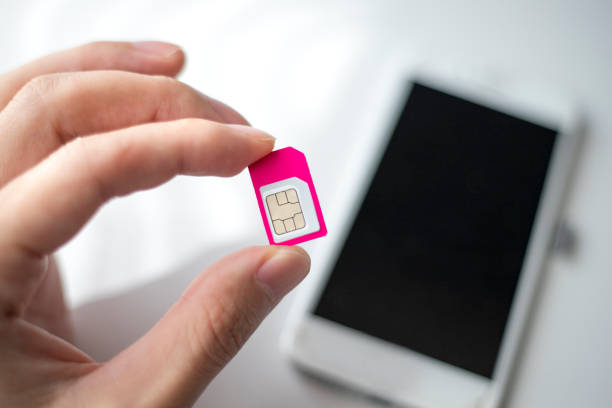
Comparing Prepaid vs Postpaid SIM Cards: Which Is Better?

Staying connected is more important than ever, but making calls, sending texts, or browsing the internet, having a reliable mobile plan is essential. When it comes to choosing between prepaid and postpaid SIM cards, the decision can be a bit tricky. Each option has its own set of advantages and disadvantages, and what works best for one person might not be ideal for another. In this article, we’ll compare prepaid and postpaid SIM cards to help you determine which option is right for you.

Understanding Prepaid SIM Cards

Prepaid SIM cards are mobile plans that require you to pay for your service upfront. You purchase a certain amount of talk time, text messages, and data, and once you’ve used up your balance, you need to recharge or “top up” to continue using the service.

Advantages of Prepaid SIM Cards

  1. No Contracts: One of the biggest advantages of prepaid SIM cards is the absence of long-term contracts. You can switch plans or providers at any time without worrying about early termination fees.
  2. Cost Control: With prepaid plans, you only pay for what you use. This can be a great option for budget-conscious users who want to avoid unexpected charges.
  3. Flexibility: Prepaid plans offer flexibility in terms of usage and payment. You can choose different plans based on your needs, making it easy to adjust your usage.

Disadvantages of Prepaid SIM Cards

  1. Limited Features: Prepaid plans often come with fewer features compared to postpaid plans. For instance, you might not get access to premium services or add-ons.
  2. Higher Rates: The cost per minute or per megabyte can be higher with prepaid plans compared to postpaid plans.
  3. Frequent Top-Ups: If you use your phone a lot, you might find yourself needing to top up frequently, which can be inconvenient.

Understanding Postpaid SIM Cards

Postpaid SIM cards, on the other hand, involve paying for your mobile service at the end of the billing cycle. You sign a contract with the provider, and you’re billed monthly based on your usage.

Advantages of Postpaid SIM Cards

  1. Convenience: With postpaid plans, you don’t need to worry about running out of credit. You can use your phone freely and pay for it at the end of the month.
  2. Better Features: Postpaid plans often come with additional features like international roaming, family plans, and access to premium content.
  3. Bundled Services: Many postpaid plans offer bundled services, combining mobile, internet, and TV services at a discounted rate.

Disadvantages of Postpaid SIM Cards

  1. Contracts: Postpaid plans usually require a contract, which means you’re committed to the provider for a certain period. Breaking the contract can result in hefty fees.
  2. Potential Overages: If you exceed your plan’s limits, you might incur overage charges, which can be expensive.
  3. Less Flexibility: Postpaid plans offer less flexibility compared to prepaid plans. Changing your plan or provider can be more complicated.

Key Factors to Consider

When choosing between prepaid and postpaid SIM cards, consider the following factors:

Usage Patterns

  • Prepaid: Ideal for users with varying usage patterns who want to control their spending.
  • Postpaid: Better for users with consistent usage patterns who value convenience and additional features.

Budget

  • Prepaid: Suitable for budget-conscious users who want to avoid unexpected charges.
  • Postpaid: Suitable for users who don’t mind paying a fixed monthly fee for convenience and additional benefits.

Flexibility

  • Prepaid: Offers greater flexibility with no long-term commitments.
  • Postpaid: Offers less flexibility due to contractual obligations.

Additional Services

  • Prepaid: Basic services with fewer add-ons.
  • Postpaid: Enhanced services with premium features and bundled options.

Trends in the Mobile Industry

The mobile industry is constantly evolving, with new trends and technologies shaping the way we use our devices. For instance, the rise of MVNOs (Mobile Virtual Network Operators) is providing more options for consumers, offering competitive rates and unique plans. Additionally, advancements in GSM technology are improving network coverage and reliability.

The Future of Postpaid Plans

Looking ahead, the future of postpaid plans is likely to be influenced by several factors. According to future trends in postpaid plans, we can expect to see more personalized plans, better integration with other services, and enhanced customer experiences.

Exploring Market Trends

Understanding market trends can also help you make an informed decision. The US prepaid wireless market is growing, with more consumers opting for prepaid plans due to their flexibility and cost control. Keeping an eye on these trends can help you choose a plan that aligns with your needs.

Conclusion

Choosing between prepaid and postpaid SIM cards ultimately depends on your personal preferences and needs. Prepaid plans offer flexibility and cost control, making them ideal for budget-conscious users. On the other hand, postpaid plans provide convenience and additional features, making them suitable for users who value a hassle-free experience.

Comparing Prepaid vs Postpaid SIM Cards: Which Is Better? Read More »
phone sim plans

The Future of Phone SIM Plans: Trends to Watch

In the rapidly evolving world of telecommunications, phone SIM plans are continuously adapting to meet the needs of consumers and businesses. As technology advances and user expectations grow, several key trends are shaping the future of phone SIM plans. In this blog post, we’ll explore these trends and what they mean for consumers and businesses alike.

The Rise of eSIM Technology

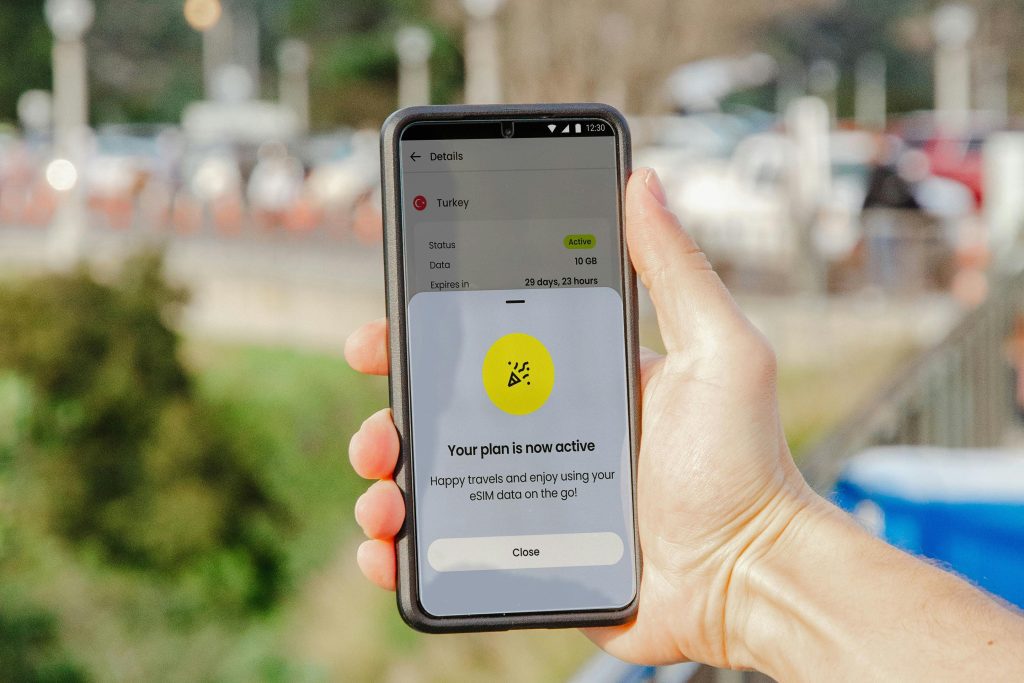
Trend: One of the most significant developments in the telecom industry is the introduction of eSIM (embedded SIM) technology. Unlike traditional SIM cards, eSIMs are embedded directly into devices, allowing users to switch carriers without changing physical SIM cards.

Impact: eSIM technology simplifies the process of switching providers and managing multiple carrier profiles. This flexibility is especially beneficial for frequent travelers and business users who need to switch networks seamlessly. For more details on available plans that may incorporate this technology, check out SIM plans.

Growth of Prepaid Wireless Plans

Trend: The prepaid wireless market is experiencing substantial growth as more consumers seek flexibility and control over their mobile expenses.

Impact: Prepaid plans offer no long-term contracts and lower monthly costs, making them attractive to a wide range of users. As the market grows, providers are enhancing their offerings with more data, better coverage, and added features. For insights into this market, explore US prepaid wireless market trends.

Integration of 5G Technology

Trend: The rollout of 5G networks is revolutionizing mobile connectivity with faster speeds, lower latency, and enhanced reliability.

Impact: 5G technology will enable new applications and services, such as augmented reality, IoT devices, and smart cities. SIM plans will evolve to support these advanced capabilities, offering users unprecedented connectivity and performance.

Focus on Data-Centric Plans

Trend: With the increasing consumption of data for streaming, gaming, and remote work, phone plans are shifting towards data-centric models.

Impact: Providers are offering larger data allowances and even unlimited data options to meet the growing demand. These plans cater to the needs of heavy data users and support the seamless operation of data-intensive applications.

Personalized and Flexible Plans

Trend: Consumers are seeking more personalized and flexible phone plans that can be tailored to their specific needs.

Impact: Providers are introducing customizable plans where users can select the features and services they need, such as data, talk time, and international calling options. This trend enhances customer satisfaction by allowing users to pay only for what they use.

Bundling of Services

Trend: Bundling phone services with other telecom offerings, such as broadband and TV, is becoming increasingly popular.

Impact: Bundled packages provide cost savings and convenience, as users can manage multiple services under one account. This trend is particularly beneficial for businesses looking to streamline their communication and connectivity needs. To explore the advantages of such packages, visit business broadband and phone packages.

Enhanced Security Features

Trend: As mobile devices become integral to daily life, the need for enhanced security features in SIM plans is growing.

Impact: Providers are incorporating advanced security measures, such as two-factor authentication and encrypted communications, to protect users from cyber threats. These features are crucial for safeguarding personal and business information.

Eco-Friendly SIM Solutions

Trend: Sustainability is becoming a priority, with providers exploring eco-friendly SIM solutions.

Impact: Initiatives like biodegradable SIM cards and reduced packaging are being introduced to minimize environmental impact. This trend appeals to environmentally conscious consumers and supports broader sustainability goals.

Global Roaming and International Plans

Trend: The demand for global roaming and international calling plans is rising as travel and global connectivity increase.

Impact: Providers are offering competitive international plans with affordable rates and extensive coverage. These plans are ideal for frequent travelers and expatriates who need to stay connected across borders.

Future-Proof Network Infrastructure

Trend: Investing in future-proof network infrastructure is essential to support the evolving needs of SIM plans.

Impact: Providers are upgrading their networks to handle higher data loads, improve coverage, and deliver faster speeds. This investment ensures that users can enjoy reliable and high-quality mobile services.

Conclusion

Moreover, the future of phone SIM plans appears bright and brimming with innovation. With the adoption of eSIM technology and the expansion of data-centric and flexible plans, the trends discussed in this post underscore the dynamic landscape of the telecom industry. Lastly, by staying abreast of these developments, consumers and businesses can enhance their decision-making processes and fully capitalize on the advancements in mobile connectivity.

The Future of Phone SIM Plans: Trends to Watch Read More »

postpaid prepaid

Postpaid vs. Prepaid: Finding the Perfect Mobile Plan for Your Lifestyle

With the multitude of options available choosing the right mobile plan is not easy. One of the primary decisions you’ll need to make is whether to go with a postpaid or prepaid plan. Each type has its own set of benefits and drawbacks, and the best choice depends on your lifestyle and needs. This guide will help you navigate through the key differences between postpaid and prepaid plans, so you can find the perfect fit.

What Are Postpaid and Prepaid Plans?

Postpaid Plans

Postpaid plans are traditional mobile plans where you pay for the services at the end of each billing cycle. These plans typically come with a contract and offer a variety of features, including unlimited talk and text, and larger data allowances.

Prepaid Plans

Prepaid plans, on the other hand, require you to pay upfront for a set amount of service. These plans are flexible, with no long-term contracts, and you can choose the amount of data, talk, and text you need for the month.

Key Differences Between Postpaid and Prepaid Plans

Cost and Budgeting

Postpaid Plans:

  • Usually come with higher monthly fees.
  • May include additional costs such as overage charges and extra fees for international roaming.
  • Often offer premium features like data rollover and family sharing options.

Prepaid Plans:

  • Typically more budget-friendly, with lower monthly costs.
  • No overage charges since you pay for what you use.
  • Ideal for those who want to avoid long-term contracts and control their monthly expenses.

For more insights on how to save money by comparing prepaid and postpaid phone plans, check out this comprehensive guide on saving money with comparing prepaid and postpaid phone plans.

Flexibility and Control

Postpaid Plans:

  • Provide consistent service with the convenience of not having to recharge regularly.
  • Often come with contractual obligations, making it harder to switch plans or providers without incurring penalties.

Prepaid Plans:

  • Offer greater flexibility with no contracts, allowing you to change plans or providers with ease.
  • You can adjust your plan based on your current needs, giving you better control over your usage and spending.

Data and Features

Postpaid Plans:

  • Generally offer larger data allowances and additional perks such as international calling, data rollover, and streaming service subscriptions.
  • Ideal for heavy data users and those who need consistent and reliable connectivity.

Prepaid Plans:

  • Provide smaller data packages, which may be sufficient for light to moderate users.
  • Some plans offer add-ons for extra data or international calling as needed.

For further insights into why it might be worthwhile to invest in a postpaid plan, explore this helpful article on determining the best data options for your lifestyle.

Coverage and Network Priority

Postpaid Plans:

  • Often have higher network priority during peak usage times, ensuring better service quality.
  • Usually include access to the full range of network features, such as 5G connectivity.

Prepaid Plans:

  • May experience lower network priority compared to postpaid users, potentially leading to slower speeds during high-traffic periods.
  • Still offer access to major networks but might lack some premium features.

Customer Support

Postpaid Plans:

  • Generally come with better customer support and access to dedicated service representatives.
  • Often include benefits such as device insurance and financing options.

Prepaid Plans:

  • Customer support might not be as robust, but many providers still offer reliable service.
  • Limited access to premium support features.

Choosing the Right Plan for Your Lifestyle

Deciding between a postpaid and prepaid plan depends on your specific needs and lifestyle. Here are some scenarios to help you determine which type of plan might be best for you:

Go with a Postpaid Plan if:

  • You need a high data allowance and consistent service.
  • You prefer the convenience of a monthly billing cycle and don’t mind a contract.
  • You value premium features and customer support.

For more reasons why it might be worth paying more for a postpaid plan, read about the 3 reasons why postpaid plans are worth paying more.

Opt for a Prepaid Plan if:

  • You want to control your spending and avoid long-term contracts.
  • You have moderate data needs and prefer the flexibility to change plans frequently.
  • You’re looking for a budget-friendly option with no hidden fees.

Conclusion

Choosing between postpaid and prepaid mobile plans is a personal decision that depends on your specific needs and lifestyle. By understanding the key differences and considering your usage habits, you can find the perfect plan that offers the right balance of cost, flexibility, and features.

Postpaid vs. Prepaid: Finding the Perfect Mobile Plan for Your Lifestyle Read More »

maximize your trade-in value

Trade Smarter, Not Harder: Insider Tips for Getting the Most Out of Phone Trade-Ins

Savvy consumers know that they can offset the cost of upgrading by trading in their old phones. In this article, we’ll explore insider tips for maximizing the value of your phone trade-ins, helping you trade smarter, not harder.

Understanding Trade-In Value

Factors that influence trade-in value

Several factors can influence the trade-in value of your old phone, including its age, condition, model, and market demand. Understanding these factors is key to maximizing your trade-in value.

Tips for maximizing trade-in value

To maximize your trade-in value, take steps to ensure that your phone is in optimal condition, remove any personal data, and research trade-in offers from multiple providers to find the best deal.

Choosing the Right Trade-In Program

Comparison of trade-in programs offered by major retailers and carriers

Many major retailers and wireless carriers offer trade-in programs for old phones, each with its own benefits and limitations. Compare trade-in offers from different providers to find the program that offers the best value for your device.

Benefits of online trade-in platforms

In addition to traditional retailers and carriers, there are also several online platforms where you can sell or trade in your old phone. These platforms often offer competitive prices and convenient options for upgrading to a new device.

Preparing Your Phone for Trade-In

Steps to ensure your phone is in optimal condition

Before trading in your old phone, take steps to ensure that it is in good condition. This may include cleaning the device, removing any accessories, and checking for any signs of damage or defects.

Importance of data backup and factory reset

Before trading in your old phone, be sure to back up any important data and perform a factory reset to erase personal data from the device. This will help protect your privacy and prevent unauthorized access to your information.

Timing Your Trade-In

Best times to trade in your phone for maximum value

Timing can play a significant role in maximizing your trade-in value. Consider trading in your phone when demand is high, such as when a new model is released or during promotional events.

Considerations for timing your upgrade

When timing your upgrade, consider factors such as the condition of your current phone, the availability of new models, and any upcoming promotions or trade-in deals offered by retailers and carriers.

Negotiating Trade-In Offers

Strategies for negotiating trade-in offers

When trading in your old phone, don’t be afraid to negotiate with the trade-in provider to get the best deal possible. Be prepared to shop around and leverage competing offers to negotiate a higher trade-in value.

Understanding the trade-in process and potential pitfalls

Before agreeing to a trade-in offer, make sure you understand the terms and conditions of the trade-in program, including any fees or restrictions that may apply. Avoid common pitfalls such as accepting lowball offers or trading in your phone before researching all available options.

Conclusion

Phone trade-ins offer consumers a convenient and cost-effective way to upgrade to the latest devices while reducing electronic waste. By following the insider tips and strategies outlined in this article, you can maximize the value of your phone trade-ins and trade smarter, not harder.

Trade Smarter, Not Harder: Insider Tips for Getting the Most Out of Phone Trade-Ins Read More »

Voice over LTE

The Future of Voice Calls: Embracing Voice over LTE (VoLTE) Technology

Voice calls have been a fundamental part of human communication for decades, connecting people across distances and facilitating meaningful conversations. As technology continues to evolve, Voice over LTE (VoLTE) emerges as a game-changer in the telecommunications industry, offering enhanced call quality, faster connections, and improved reliability.

Understanding VoLTE Technology

Definition and Functionality

Voice over LTE (VoLTE) is a technology that enables voice calls to be transmitted over Long-Term Evolution (LTE) networks, the standard for high-speed wireless communication. Unlike traditional calls, VoLTE uses packet-switched tech to transmit voice as IP packets, boosting efficiency and performance.

Advantages over Traditional Voice Calls

VoLTE offers several advantages over traditional voice calls, including higher call quality, HD voice support, reduced background noise, and faster call setup and connection times. Additionally, VoLTE allows for simultaneous voice and data transmission, enabling seamless multitasking and enhanced user experience.

The Evolution of Voice Calls

From Circuit-Switched Networks to VoIP

The evolution of voice calls traces back to the era of circuit-switched networks, where voice signals were transmitted through dedicated channels. With the advent of Voice over Internet Protocol (VoIP) technology, voice calls began to transition to digital networks, utilizing the Internet for transmission and enabling cost-effective and scalable communication solutions.

Transition to VoLTE Technology

VoLTE represents the next phase in the evolution of voice calls, leveraging LTE networks to deliver high-quality voice services with greater efficiency and reliability. As mobile operators upgrade their networks to support VoLTE, users benefit from improved call quality, faster connections, and expanded coverage areas.

Benefits of VoLTE Technology

Enhanced Call Quality and Clarity

One of the primary benefits of VoLTE technology is its ability to deliver crystal-clear voice calls with HD voice support. By utilizing wider frequency ranges and advanced audio codecs, VoLTE ensures superior call quality, free from distortions or background noise.

Faster Call Setup and Connection Times

VoLTE enables faster call setup and connection times compared to traditional voice calls. Users experience quicker call initiation and seamless connectivity, even in areas with weak signal strength.

Improved Coverage and Reliability

VoLTE technology enhances coverage and reliability by leveraging LTE networks’ extensive infrastructure and advanced radio technologies. With VoLTE, users enjoy better call quality and fewer dropped calls, even in remote or congested areas with challenging network conditions.

VoLTE Deployment and Adoption

Global Trends and Market Penetration

VoLTE adoption has been steadily increasing worldwide, driven by the growing demand for high-quality voice services and the widespread availability of LTE networks. Leading mobile operators are deploying VoLTE technology to enhance their voice offerings and stay competitive in the market.

Challenges and Barriers to Adoption

Despite its benefits, VoLTE faces challenges such as interoperability issues, device compatibility, and network optimization requirements. Additionally, legacy infrastructure and regulatory constraints may hinder the widespread adoption of VoLTE technology in some regions.

Future Trends and Innovations

Integration with 5G Networks

The integration of VoLTE with 5G networks represents a significant opportunity for advancing voice communication capabilities. VoLTE over 5G promises ultra-fast data speeds, ultra-low latency, and seamless connectivity, enabling new applications and services beyond traditional voice calls.

Enhanced Features and Capabilities

Future advancements in VoLTE technology are expected to introduce enhanced features and capabilities. These will further enrich the user experience and redefine the way we communicate.

Potential Impact on Communication Landscape

As VoLTE technology continues to evolve it has the potential to reshape the communication landscape, offering a seamless and immersive voice communication experience. VoLTE-enabled devices and networks will become the new standard for voice calls, driving innovation and connectivity worldwide.

Conclusion

The future of voice calls is bright, with VoLTE technology leading the way towards enhanced quality, reliability, and innovation. As mobile operators continue to invest in VoLTE deployment and 5G integration, users can expect unparalleled voice communication experiences

The Future of Voice Calls: Embracing Voice over LTE (VoLTE) Technology Read More »

xfinity mobile perks

Unlocking Value: Exploring Xfinity Mobile’s Perks and Benefits

Xfinity Mobile, the wireless service provided by Comcast Corporation, offers a range of perks and benefits to its customers. From affordable pricing and flexible plans to streaming perks and discounts on Xfinity services, Xfinity Mobile aims to provide added value to its subscribers. In this article, we’ll explore the various perks of Xfinity Mobile and why it’s worth considering for your wireless needs.

Introduction to Xfinity Mobile

Xfinity Mobile is a mobile virtual network operator (MVNO) that operates on the Verizon Wireless network. It offers a variety of wireless plans and services to customers, including unlimited data plans, by-the-gig data plans, and access to millions of Xfinity Wi-Fi hotspots nationwide.

Benefits of Xfinity Mobile

One of the key benefits of Xfinity Mobile is its affordable pricing. With competitive rates and flexible plan options, customers can find a plan that fits their budget and usage needs. Additionally, Xfinity Mobile offers flexibility and customization, allowing customers to switch between data plans or add lines as needed.

Xfinity Mobile Plans

Xfinity Mobile offers two main types of plans: unlimited data plans and by-the-gig data plans. Unlimited data plans provide customers with unlimited talk, text, and data, with the option to choose between different data speeds. By-the-gig data plans, on the other hand, allow customers to pay only for the data they use, with the flexibility to switch between plans at any time.

Device Options

Xfinity Mobile offers a wide range of smartphone choices, including the latest iPhone and Android models. Customers can also bring their own devices to Xfinity Mobile, as long as they are compatible with the Xfinity network.

Network Coverage

Xfinity Mobile operates on the Verizon Wireless network, which provides nationwide coverage and reliable network performance. Customers can expect seamless connectivity and high-quality service wherever they go.

Xfinity Mobile Perks

In addition to its competitive pricing and flexible plans, Xfinity Mobile offers several perks to its customers. This includes streaming perks, such as access to popular streaming services like Netflix, Hulu, and Disney+ at no extra cost. Customers also receive discounts on other Xfinity services, such as internet, TV, and home security.

Customer Support

Xfinity Mobile provides dedicated support services to its customers, including online chat, phone support, and in-store assistance. Customers can get help with billing questions, technical issues, and account management from Xfinity Mobile’s knowledgeable support team.

Customer Satisfaction

Xfinity Mobile has received positive reviews and testimonials from satisfied customers, praising its affordability, network performance, and customer service. Many customers appreciate the added value of Xfinity Mobile’s perks and benefits, making it a popular choice among wireless providers.

Conclusion

In conclusion, Xfinity Mobile offers a range of perks and benefits that make it a compelling option for wireless customers. From affordable pricing and flexible plans to streaming perks and discounts on Xfinity services, Xfinity Mobile provides added value to its subscribers. Whether you’re looking for a new wireless provider or considering switching from your current plan, Xfinity Mobile is worth considering for its array of perks and benefits.

Unlocking Value: Exploring Xfinity Mobile’s Perks and Benefits Read More »

Mobile Virtual Network Operators

Unveiling the Drawbacks: Exploring Mobile Virtual Network Operator Disadvantages

In recent years, Mobile Virtual Network Operators (MVNOs) have gained popularity as alternative wireless providers offering competitive pricing and flexible plans. However, despite their advantages, MVNOs also come with their fair share of drawbacks that consumers should be aware of before making the switch.

Introduction to Mobile Virtual Network Operators (MVNOs)

MVNOs are wireless providers that lease network infrastructure from major carriers and resell it to consumers under their own brand. They offer a range of prepaid and postpaid plans at competitive prices, making them an attractive option for budget-conscious consumers.

Understanding MVNO Disadvantages

While MVNOs offer several benefits, they also have limitations that consumers should consider before making a decision.

Limited Network Coverage

One of the primary drawbacks of MVNOs is their limited network coverage compared to major carriers. Since MVNOs rely on the infrastructure of their parent networks, coverage may be spotty in rural areas or less populated regions.

Network Prioritization

Another disadvantage of MVNOs is network prioritization, where customers may experience slower data speeds and lower service quality during peak usage times. This is because MVNOs often have lower priority access to network resources compared to direct customers of the parent network.

Customer Service Limitations

MVNOs may also face challenges with customer service, as they often have fewer resources and support staff compared to major carriers. This can lead to longer wait times and less personalized assistance for customers.

Lack of Device Variety

Unlike major carriers, MVNOs may offer a limited selection of devices, particularly high-end smartphones. This can be a drawback for consumers who prefer the latest technology or specific device models.

Risk of Network Shutdowns

Since MVNOs rely on the infrastructure of their parent networks, they are vulnerable to network shutdowns if the parent network undergoes closures or transitions. This can disrupt service for MVNO customers and lead to uncertainty about the future of their wireless provider.

Data Deprioritization

MVNO customers may also experience data deprioritization, where their data speeds are reduced during times of network congestion. This can result in slower internet browsing and streaming for MVNO customers compared to direct customers of the parent network.

Billing and Payment Concerns

MVNOs may have billing inconsistencies and payment difficulties, as they rely on third-party billing systems and may not have direct control over billing processes. This can lead to confusion and frustration for customers trying to manage their accounts.

Contractual Limitations

Unlike major carriers, MVNOs typically do not require long-term contracts and may not offer the same perks and benefits associated with contract-based plans. This can be a drawback for consumers looking for stability and additional incentives.

Market Competition

MVNOs face stiff competition from both major carriers and other MVNOs, which can make it challenging for them to attract and retain customers. This competitive landscape may limit the growth and profitability of MVNOs in the wireless market.

Consumer Awareness

It’s essential for consumers to understand the disadvantages of MVNOs before making a decision. By being aware of these limitations, consumers can make informed choices about their wireless service provider.

Navigating MVNO Disadvantages

Despite the drawbacks, there are ways for consumers to navigate the challenges of MVNOs. This includes researching different MVNOs, reading customer reviews, and carefully reviewing plan details before signing up.

Conclusion

In conclusion, while MVNOs offer competitive pricing and flexible plans, they also come with drawbacks that consumers should consider. By understanding the limitations of MVNOs and taking proactive steps to navigate these challenges, consumers can make informed decisions about their wireless service provider.

Unveiling the Drawbacks: Exploring Mobile Virtual Network Operator Disadvantages Read More »

phones and tablets

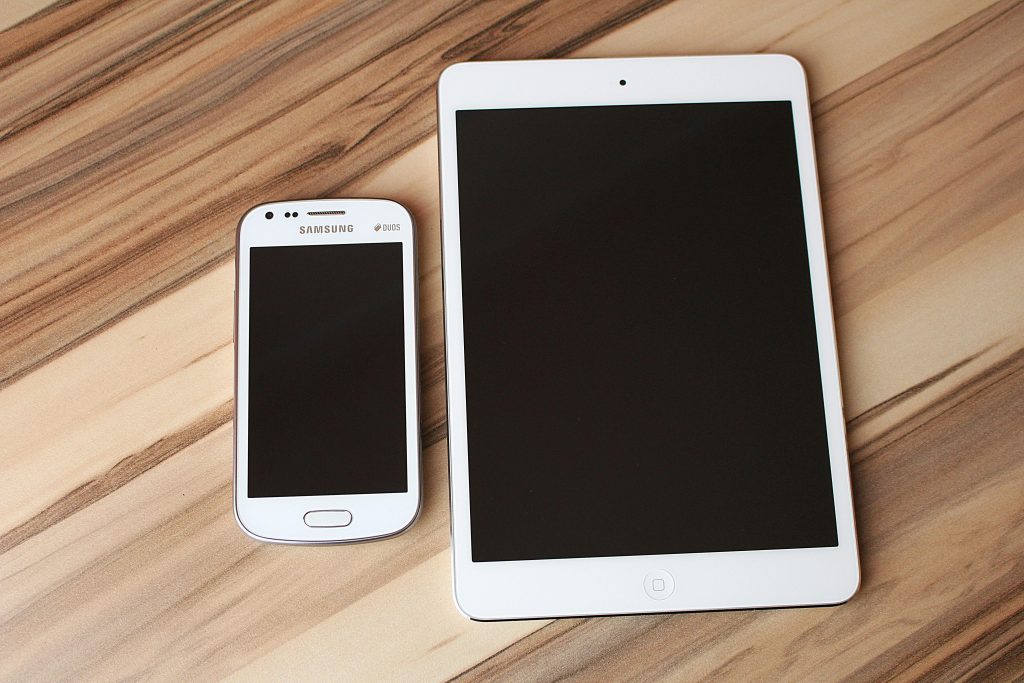
Phones vs. Tablets: Choosing the Right Device for Your Needs

Phones and tablets are two popular categories of portable electronic devices that have revolutionized the way we work, communicate, and entertain ourselves. While they share some similarities, such as touchscreen interfaces and internet connectivity, there are significant differences that distinguish them from each other.

Understanding the Difference Between Phones and Tablets

Portability and Convenience

Phones

  • Compact and lightweight design
  • Easily fit into pockets or small bags
  • Ideal for on-the-go use and one-handed operation

Tablets

  • Larger and bulkier form factor
  • Require a separate bag or case for transportation
  • Suitable for extended usage sessions and multimedia consumption

Screen Size and Display Quality

Phones

  • Smaller screen size (typically 5-7 inches)
  • High pixel density for crisp and vibrant visuals
  • Limited screen real estate for multitasking and content consumption

Tablets

  • Larger screen size (typically 7-12 inches)
  • Immersive viewing experience for movies, games, and productivity tasks
  • Enhanced productivity with split-screen multitasking and larger on-screen keyboards

Performance and Processing Power

Phones

  • Compact hardware design with limited processing power
  • Suitable for everyday tasks such as web browsing, social media, and light gaming
  • May experience performance limitations with resource-intensive applications

Tablets

  • Larger form factor allows for more powerful hardware components
  • Enhanced multitasking capabilities and faster processing speeds
  • Ideal for productivity tasks, creative work, and gaming

Operating System and Software Compatibility

Phones

  • Run mobile operating systems such as iOS (Apple) or Android (Google)
  • Access to a vast ecosystem of mobile apps optimized for smaller screens
  • Seamless integration with other devices such as smartwatches and headphones

Tablets

  • Utilize the same operating systems as smartphones but offer a tablet-optimized user interface
  • Compatible with a wide range of productivity apps, creative tools, and multimedia software
  • Enhanced multitasking features and split-screen functionality

Camera Capabilities

Phones

  • Primary focus on camera quality and performance
  • High-resolution sensors, advanced imaging algorithms, and optical image stabilization
  • Ideal for capturing photos and videos on the go

Tablets

  • Generally offer less advanced camera features compared to smartphones
  • Suitable for basic photography and video calls but may lack advanced imaging technologies
  • Secondary consideration for most tablet users

Battery Life and Usage Scenarios

Phones

  • Limited battery capacity due to compact size
  • Typically require daily charging, especially with heavy usage
  • Portable power banks and wireless charging options available for on-the-go charging

Tablets

  • Larger battery capacity for extended usage sessions
  • Longer battery life compared to smartphones, often lasting multiple days with moderate use
  • Ideal for activities such as reading, watching movies, or working on documents for extended periods

Storage Capacity and Expandability

Phones

  • Offer varying storage capacities ranging from 32GB to 512GB
  • Limited or no option for expandable storage via microSD cards
  • Cloud storage solutions available for additional storage needs

Tablets

  • Typically offer larger storage capacities starting from 64GB and above
  • Some models feature expandable storage options via microSD cards
  • Cloud storage integration for seamless access to files across devices

Connectivity Options

Phones

  • Support for cellular networks (4G/LTE/5G) and Wi-Fi connectivity
  • Dual SIM functionality for using multiple phone numbers
  • Bluetooth and NFC for wireless connectivity with accessories and payment terminals

Tablets

  • Similar connectivity options as smartphones with support for cellular and Wi-Fi networks
  • Wi-Fi-only and cellular-enabled models available
  • Bluetooth and NFC for pairing with accessories and making contactless payments

Price Considerations

Phones

  • Wide range of price points to suit different budgets
  • Premium flagship models with cutting-edge features and premium build materials
  • Mid-range and budget-friendly options with compromises in hardware and features

Tablets

  • Generally priced higher than smartphones due to larger displays and more powerful hardware
  • Premium tablets with advanced features and premium build quality
  • Budget-friendly options available with compromises in performance and display quality

User Experience and Interface

Phones

  • Designed for one-handed use with a focus on ergonomics and accessibility
  • Touchscreen gestures, shortcuts, and voice commands for navigating the interface
  • Mobile-optimized apps and user interfaces for seamless interaction

Tablets

  • Optimized for two-handed use with a larger display and more spacious layout
  • Enhanced productivity features such as split-screen multitasking and desktop-like interfaces
  • Tablet-specific apps and user interfaces for maximizing screen real estate

Choosing between phones and tablets ultimately depends on your individual needs, preferences, and usage patterns. Whether you prioritize portability, screen size, performance, or price, there is a device that’s right for you. By understanding the differences outlined in this guide, you can make an informed decision and select the device that best fits your lifestyle and requirements.

Phones vs. Tablets: Choosing the Right Device for Your Needs Read More »

smartwatches

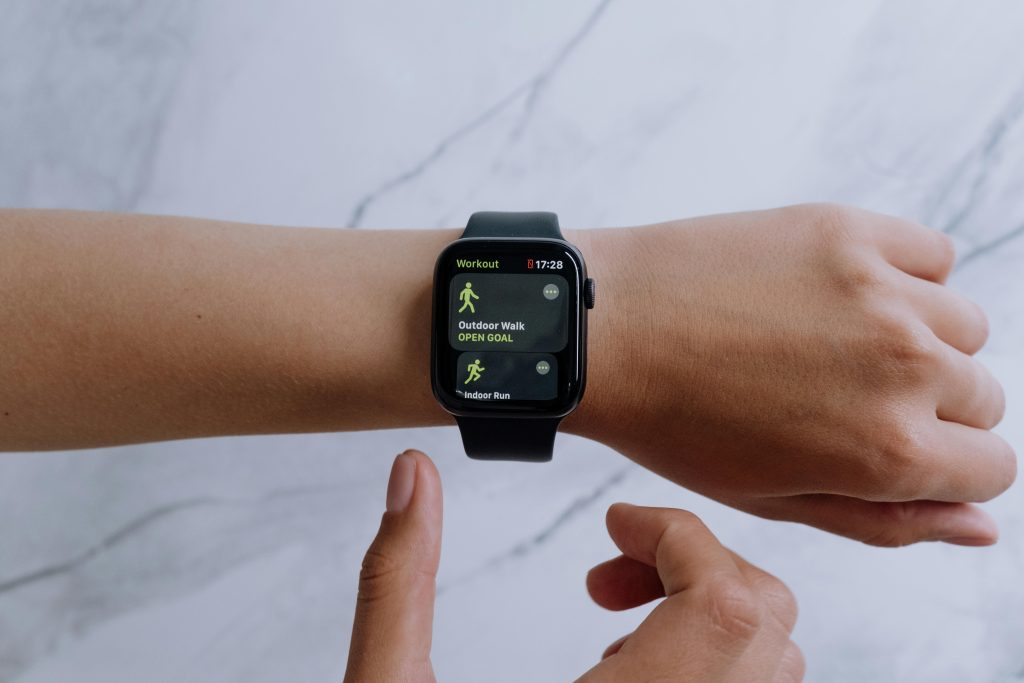
Unlocking the Potential of Smartwatches

Smartwatches have revolutionized the way we stay connected, track our health, and manage our daily lives. These wearable devices combine the functionality of a traditional watch with the capabilities of a smartphone, offering a wide range of features and benefits to users. Let’s explore what makes smartwatches so popular and how they can enhance your lifestyle.

Features of Smartwatches

Health and Fitness Tracking

Smartwatches are equipped with sensors that monitor various health metrics such as heart rate, sleep patterns, and physical activity. They can track workouts, count steps, and even provide personalized health insights to help you reach your fitness goals.

Notifications and Alerts

One of the key features of smartwatches is their ability to receive notifications and alerts from your smartphone. You can stay connected without having to constantly check your phone, any notifications are delivered directly to your wrist.

Communication Capabilities

Many smartwatches allows to make and receive calls, send text messages, and use voice commands to control your device. This hands-free functionality is especially useful when you’re on the go or in situations where using a phone is inconvenient.

Customization Options

Smartwatches offer a high level of customization, allowing you to choose from a variety of watch faces, and apps to personalize your device.

Advantages of Using a Smartwatch

Convenience and Accessibility

With a smartwatch, important information and notifications are always accessible right on your wrist, allowing you to stay connected without constantly reaching for your phone.

Health and Fitness Monitoring

Smartwatches can track your activity levels, monitor your heart rate, and provide insights into your overall health and wellness.

Enhanced Productivity

Smartwatches can help you stay organized and productive by providing reminders, calendar notifications, and task management tools right on your wrist. You can easily check your schedule, set reminders, and stay on track throughout the day.

Style and Personalization

With a wide range of designs, colors, and customizable options available, smartwatches are more than just functional devices – they’re fashion statements that allow you to express your style.

Popular Smartwatch Brands and Models

Apple Watch

The Apple Watch is one of the most popular smartwatch brands, known for its sleek design, advanced features, and seamless integration with other Apple devices.

Samsung Galaxy Watch

The Samsung Galaxy Watch offers a range of health and fitness tracking features, compatibility with both Android and iOS smartphones.

Fitbit Versa

The Fitbit Versa is a versatile smartwatch that focuses on health and fitness tracking, with features such as heart rate monitoring, sleep tracking, and guided workouts.

Garmin Forerunner

The Garmin Forerunner is a popular choice among fitness enthusiasts and athletes, offering advanced GPS tracking, activity monitoring, and performance metrics.

How to Choose the Right Smartwatch

Compatibility with Your Smartphone

Before purchasing a smartwatch, ensure that it is compatible with your smartphone’s operating system to ensure seamless connectivity and functionality.

Battery Life and Charging Method

Consider the battery life and charging method of the smartwatch, longer battery life and convenient charging options can enhance the user experience and reduce downtime.

Budget Considerations

Set a budget for your smartwatch purchase and compare prices and features, considering factors such as brand reputation, warranty coverage, and customer reviews.

Common Misconceptions About Smartwatches

Limited Battery Life

While some smartwatches may have limited battery life, many newer models offer extended battery life and energy-saving features to optimize performance and maximize uptime.

Lack of Usefulness

Contrary to popular belief, smartwatches are useful devices that offer a wide range of features including health and fitness tracking, communication, productivity, and entertainment.

Security and Privacy Concerns

Smartwatch makers prioritize user security, employing strong encryption and protocols for data protection and confidentiality.

Smartwatches revolutionize tech interaction—convenient, stylish, and health-tracking. Versatile, customizable, and compatible with smartphones.

Unlocking the Potential of Smartwatches Read More »

increasing number of mobile phone use

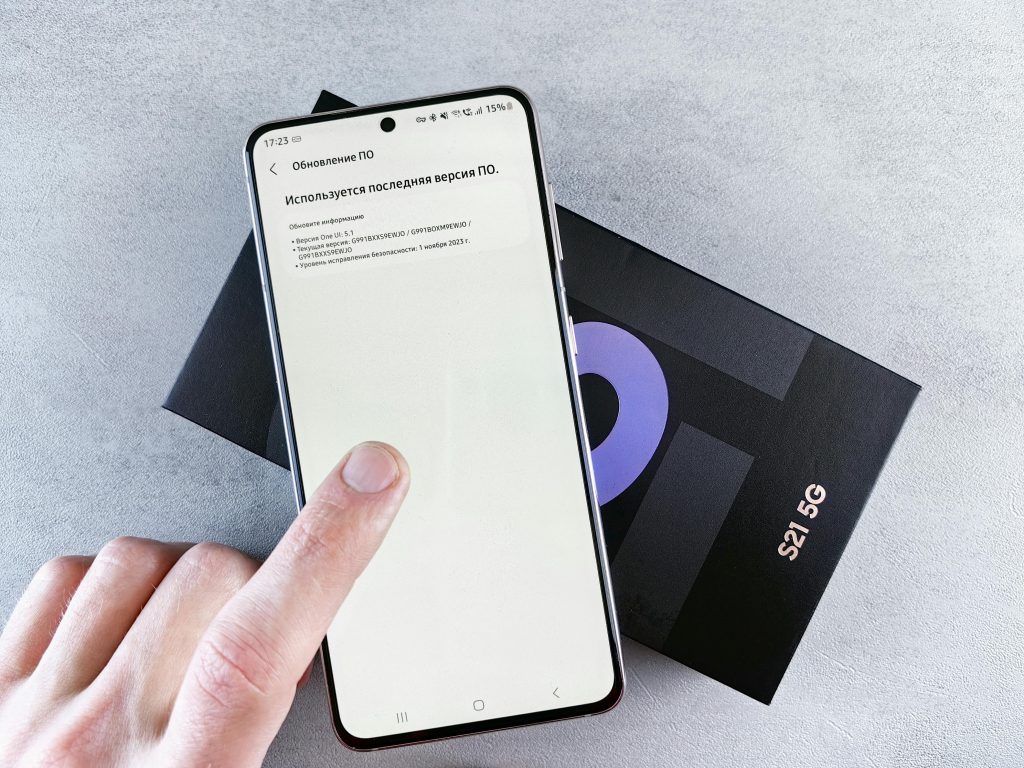
Advantages and Disadvantages of Increasing Number of Mobile Phone Use

Mobile phones have become an indispensable part of our lives, revolutionizing the way we communicate, work, and access information. With the increasing number of mobile phone users worldwide, it’s essential to explore both the advantages and disadvantages associated with this technological advancement.

Advantages of Increasing Mobile Phone Use

Improved Communication

One of the primary benefits of the growing number of mobile phone users is the improved communication it offers. Mobile phones allow us to stay connected with friends, family, and colleagues regardless of distance. Whether through calls, text messages, or social media platforms, communication has never been more convenient.

Enhanced Connectivity

With the proliferation of mobile phones, connectivity has reached unprecedented levels. People can now access the internet anytime, anywhere, enabling seamless communication, collaboration, and information sharing. This enhanced connectivity has transformed various aspects of our personal and professional lives.

Easy Access to Information and Resources

Mobile phones serve as portable gateways to a vast reservoir of information and resources. Through mobile apps and web browsing, users can access news, educational content, e-books, and online courses with ease. This democratization of information empowers individuals to learn and grow irrespective of their location or background.

Convenience and Productivity

The increasing number of mobile phone users has led to greater convenience and productivity. Mobile devices serve as multifunctional tools, allowing users to perform a myriad of tasks such as email correspondence, document editing, scheduling, and online banking on the go. This flexibility enhances efficiency and enables individuals to accomplish more in less time.

Entertainment and Leisure

Mobile phones offer a plethora of entertainment options, ranging from streaming services and gaming apps to social media platforms and digital content creation tools. These entertainment avenues provide users with relaxation and amusement, making mobile phones indispensable companions in our daily lives.

Disadvantages of Increasing Mobile Phone Use

Health Concerns

Despite their numerous benefits, mobile phones raise concerns regarding their impact on health. Prolonged exposure to screens can lead to digital eye strain, sleep disturbances, and musculoskeletal problems. Moreover, excessive mobile phone use has been associated with mental health issues such as anxiety, depression, and smartphone addiction.

Social Implications

The ubiquity of mobile phones has altered social dynamics, leading to both positive and negative consequences. While mobile communication facilitates connections across geographical boundaries, it can also undermine face-to-face interactions and interpersonal relationships. Excessive reliance on mobile devices may contribute to feelings of isolation and disconnection from the real world.

Distraction and Addiction

One of the most significant drawbacks of increased mobile phone use is the prevalence of distraction and addiction. Constant notifications, social media alerts, and addictive apps can disrupt concentration, impair productivity, and foster compulsive smartphone usage. This phenomenon, known as nomophobia (fear of being without a mobile phone), highlights the psychological dependence on mobile devices.

Privacy and Security Risks

The widespread use of mobile phones raises concerns about privacy and security vulnerabilities. From data breaches and identity theft to location tracking and unauthorized surveillance, mobile devices are susceptible to various cyber threats. Users must be vigilant about safeguarding their personal information and adopting security measures to mitigate risks.

Environmental Impact

The production, use, and disposal of mobile phones contribute to environmental degradation and resource depletion. The extraction of rare earth minerals, energy consumption during manufacturing, and electronic waste accumulation pose significant environmental challenges. Sustainable practices such as recycling, eco-friendly design, and responsible consumption are essential to mitigate the environmental impact of mobile phone use.

Finding a Balance

While mobile phones offer undeniable benefits, it’s crucial to strike a balance between their advantages and disadvantages. Adopting strategies for responsible mobile phone usage can help mitigate the negative consequences and promote digital well-being. Setting boundaries, practicing digital detox, and cultivating mindful habits are key steps towards achieving a healthy relationship with technology.

In conclusion, the increasing number of mobile phone users signifies the pervasive influence of technology in our lives. While mobile phones offer unparalleled convenience, connectivity, and access to information, they also pose challenges related to health, social interaction, and privacy. By acknowledging the advantages and disadvantages of mobile phone use and adopting responsible practices, we can harness the benefits of technology while mitigating its drawbacks.

Advantages and Disadvantages of Increasing Number of Mobile Phone Use Read More »