JNA Mobility

Smartphones

Carrier-exclusive phones

The Pros and Cons of Carrier-Exclusive Phones

Ever felt trapped by your phone carrier? You’re not alone. Carrier-exclusive phones are becoming more popular than ever, and while they may seem like a dream come true with their tempting deals and flashy models, they come with some serious trade-offs. Let’s dig into the reality behind carrier-exclusive phones and whether they’re the right fit for you.

What Are Carrier-Exclusive Phones?

Carrier-exclusive phones are devices sold only through a specific mobile carrier. Unlike unlocked phones that you can use with any network, these phones are “locked” to a particular provider until you meet certain conditions.

Simply put: you’re getting a phone that’s tailor-made — but only for one store.

Why Carriers Offer Exclusive Phones

Carriers use exclusive models to attract and keep customers. Think of it like a coffee shop offering a limited-edition latte — it’s all about pulling you in and keeping you hooked. Sometimes, these phones come with features or branding collaborations you won’t find anywhere else.

Pros of Choosing Carrier-Exclusive Phones

Lower Upfront Costs

One major plus? Lower costs at the start. Carriers often subsidize a part of the price, letting you snag a premium phone without shelling out a huge chunk of change upfront.

Special Discounts and Promotions

Ever seen those “Get the latest phone for $0 down” ads? That’s the magic of carrier-exclusive deals. Often, you’ll catch sweet promotions tied to these devices.

Unique Models and Features

Sometimes carriers lock down a truly unique device — maybe a special color, exclusive software features, or even a completely custom model.

Easier Financing Options

Carrier-exclusive phones usually come bundled with easy financing. No credit card debt here — just a small bump to your monthly mobile bill.

Cons of Carrier-Exclusive Phones

Locked Devices

The biggest bummer: your phone is usually locked to one carrier. If you want to switch networks, you might need to jump through hoops or pay fees.

Limited Flexibility When Switching Providers

Changing to another carrier can become a real headache. If you move to an area where your carrier has bad coverage, you’re stuck unless you cough up money for unlocking or a new phone.

Bloatware and Pre-installed Apps

Carriers love stuffing their exclusive phones with apps you probably don’t want or need. Not only do these clutter your phone, but they sometimes even slow it down.

Longer Contract Commitments

Snagging that cheap phone might tie you down with a two-year contract — and early exit fees if you change your mind.

Alternatives to Carrier-Exclusive Phones

Buying Unlocked Phones

Going unlocked gives you freedom. You choose the carrier, the plan, and you can travel internationally without worrying about SIM issues.

Exploring MVNOs for More Freedom

If you value flexibility, MVNOs (Mobile Virtual Network Operators) are a solid alternative. They use major networks but offer way more flexible plans and often lower prices. Read about the benefits in exploring MVNOs with access to all major carriers.

How to Decide If a Carrier-Exclusive Phone is Right for You

Ask yourself:

  • Will you stay loyal to one carrier for the next few years?
  • Are you okay with some restrictions for lower costs?
  • Do you travel a lot and need network flexibility?

If you’re mostly staying put and want to save cash, a carrier-exclusive deal could work. If you crave freedom, you might want to look elsewhere.

Best Times to Buy Carrier-Exclusive Phones

Holiday seasons, back-to-school sales, and major shopping days like Black Friday are prime times to catch deals on carrier-exclusive phones.

How Carrier-Exclusive Phones Affect Upgrades

Got your eye on the next new thing already? Carrier contracts often restrict when you can upgrade. Curious about when to make your move? Check out these insights from Is it time to upgrade your smartphone?.

Comparing Mobile Carrier Deals

Finding the best deal requires some digging. Don’t just jump on the first offer you see! Compare using this guide: best mobile carrier deals: compare offers from top providers.

Where to Shop for Your Next Phone

Ready to explore more options? Visit the Phone Shop for the latest deals and phones.

Conclusion

Carrier-exclusive phones can be a double-edged sword — amazing deals on one side, potential headaches on the other. Weigh your options carefully. If you need something quick and affordable, carrier exclusives are tempting. But if freedom and flexibility are your jam, going unlocked or exploring MVNOs could be your winning move.

The Pros and Cons of Carrier-Exclusive Phones Read More »

upgrade phone

Should You Upgrade Your Phone? When to Make the Switch

We’ve all been there—your phone feels a little slower, apps take longer to open, or maybe the battery doesn’t last as long as it used to. So, the question arises: should you upgrade your phone? Deciding when it’s time to switch to a new device can be a tricky decision, especially when there are so many options on the market. In this article, we’ll help you determine when to make the leap to a new phone, what to consider before upgrading, and how to get the most out of your phone upgrade.


Signs That It Might Be Time to Upgrade Your Phone

1. Your Phone is Slow and Struggling to Keep Up

Phones slow down over time. Software updates, new apps, and increased data usage can all contribute to a lagging experience. If your phone feels like it’s on the brink of a breakdown, it might be time for a new one. However, if you’re willing to hold off on an upgrade, you might be able to speed up your current device with a factory reset or by clearing out old apps and files.

2. Battery Life Isn’t What It Used to Be

We all rely on our phone’s battery throughout the day, but older phones tend to have weaker batteries that can’t hold a charge as long as they once did. If your phone’s battery life isn’t meeting your needs and battery replacements aren’t cutting it, it could be time for an upgrade. A newer model will likely come with a longer-lasting battery.

3. You’re Missing Out on New Features

Are you still rocking a phone that doesn’t have wireless charging, 5G capabilities, or an excellent camera? Modern devices come with a host of new features that can enhance your mobile experience. If you find yourself wishing for features your current phone doesn’t have, upgrading to a newer device could provide that boost.

4. Cracked Screen or Physical Damage

A cracked screen, water damage, or broken buttons can make it difficult to enjoy using your phone. If you’ve tried fixing it and the damage still affects your daily use, it might be time to switch. However, if the damage is minor and your phone still functions properly, you might want to hold off on upgrading and consider phone repairs instead.

5. Your Device No Longer Supports Updates

When a phone is no longer supported by software updates, it becomes a security risk. New updates patch vulnerabilities, enhance performance, and add useful features. If your phone hasn’t received an update in a while or is no longer compatible with the latest operating system, it could be time for a switch.


When Not to Upgrade Your Phone

While upgrading is often a great choice, there are also scenarios where holding off makes more sense. Here are a few reasons not to rush into a new device:

1. Your Current Phone Still Works Fine for Your Needs

If your current phone is still meeting your basic needs—like calling, texting, and social media—it may not be necessary to upgrade just yet. Consider waiting until the next major phone release to get a better deal.

2. New Phone Prices Are Too High

Phones can be expensive, especially when new models are released. If the prices are too high, consider refurbished devices or looking for deals that may offer discounts on a new phone purchase.

3. You Don’t Need Advanced Features

If you aren’t interested in the latest tech advancements, such as 5G or cutting-edge camera features, your current phone may be perfectly fine for the time being. Upgrading to a high-end phone might not make sense if you’re not going to use those features.


What to Consider Before Upgrading Your Phone

1. Choosing the Right Device for Your Needs

When upgrading your phone, it’s important to choose a device that suits your lifestyle. If you’re a first-time buyer, there are plenty of great devices for first-time mobile phone buyers that offer value and reliability. Think about what features are most important to you—whether it’s camera quality, screen size, or battery life. You can also check out Tracfone vs regular cell phone options to decide which plan or phone works best for you.

2. Your Budget

Upgrading your phone can be a significant investment. Make sure to assess your budget and compare options to find a device that fits your needs without breaking the bank. Look for deals, promotions, or financing options that could make your purchase more affordable.

3. Trade-In Your Old Phone

Many companies offer trade-in programs that can help reduce the cost of your new device. If your old phone is still in working condition, you can get some money or credit toward your next upgrade. It’s an easy way to get value from your old phone!


Where to Shop for Your Next Phone

Now that you know when it’s time to upgrade and what to consider, you might be asking, where should I shop for my new phone? You can start your search at JNA Mobility’s phone shop, where you’ll find a wide range of devices to suit different preferences and budgets. Whether you’re upgrading to a more advanced device or looking for something simple and functional, JNA Mobility has a variety of options for you.


Conclusion: Is It Time to Upgrade Your Phone?

Deciding whether to upgrade your phone is a personal decision based on your current device’s performance and your needs. If your phone is slowing down, losing battery quickly, or lacking essential features, it may be time to make the switch. However, if your current phone still works well for your daily tasks and you’re not in a hurry for the latest technology, it’s okay to wait for a better deal or the next big release.

No matter what, when you’re ready to upgrade, be sure to consider your options carefully, check out helpful resources like the best devices for first-time mobile buyers, and shop around for deals. The right phone can make a world of difference in your daily routine.

Should You Upgrade Your Phone? When to Make the Switch Read More »

first iphone

The Evolution of Smartphones: From the First iPhone to Today

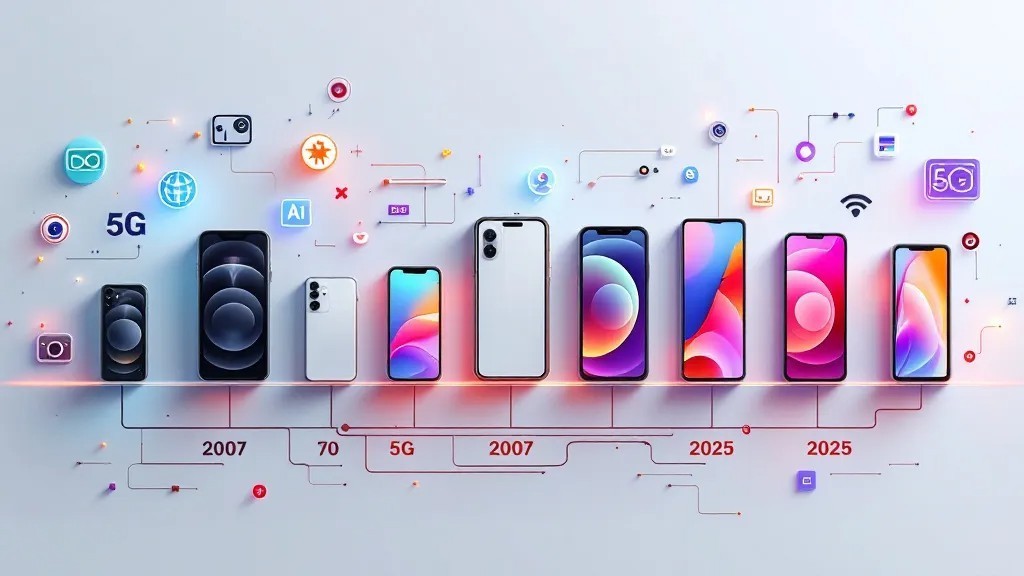
Smartphones have transformed from basic communication devices into powerful mini-computers that fit in our pockets. From the first iPhone in 2007 to today’s AI-driven, 5G-enabled devices, mobile technology has evolved at an incredible pace.

But how did we get here? Let’s take a look at the evolution of smartphones, the biggest innovations over the years, and what the future holds.


1. The First iPhone: A Revolutionary Beginning (2007)

Apple changed the mobile industry forever with the launch of the first iPhone in 2007.
It introduced a touchscreen interface, replacing physical keyboards found on earlier smartphones.
The App Store (introduced in 2008) revolutionized how users interacted with their devices.

💡 Trying to decide between an expensive flagship or a budget smartphone? Read Flagship vs. Budget Smartphones: Which One Is Right for You? to find the best fit.


2. The Rise of Android and the Smartphone Boom (2008-2015)

Android OS debuted in 2008 with the HTC Dream, introducing an open-source alternative to iOS.
The 2010s saw a massive increase in smartphone adoption, with brands like Samsung, Google, and Huawei leading innovation.
Features like high-resolution cameras, front-facing selfie cameras, and fingerprint sensors became standard.

💡 Looking to upgrade your device? Find the best trade-in programs for smartphones and tablets to get the most value.


3. Bigger Screens, Better Cameras, and AI-Powered Devices (2016-Present)

Phones evolved into larger-screen, high-performance devices with edge-to-edge OLED displays.
AI-powered cameras now use computational photography for professional-grade photos.
Innovations like facial recognition, AI assistants, and foldable screens have redefined how we use our phones.

💡 Thinking of selling your old phone? Learn whether selling smartphones locally or online is the better option.


4. The 5G Revolution and What’s Next for Smartphones

5G networks have drastically improved download speeds and reduced latency.
The future of smartphones includes rollable screens, AI-powered assistants, and deeper AR/VR integration.
Manufacturers are exploring sustainable materials and longer-lasting batteries to improve user experience.

💡 Want to know how 5G is transforming smartphones? Check out How 5G is Changing the Way We Use Our Smartphones.


Final Thoughts: Smartphones Continue to Evolve

From the first iPhone to today’s AI-driven, 5G-enabled smartphones, mobile technology continues to push boundaries. Whether you’re looking for a flagship device, a budget-friendly option, or the best trade-in deals, smartphones have never been more powerful or accessible.

The Evolution of Smartphones: From the First iPhone to Today Read More »

5g smartphones

How 5G Is Changing the Way We Use Smartphones

The arrival of 5G technology has revolutionized how we use our smartphones, offering faster speeds, lower latency, and better connectivity than ever before. From seamless video streaming to next-level gaming and smart device integration, 5G is transforming our digital experience.

But what exactly does 5G mean for everyday smartphone users? In this guide, we’ll explore how 5G is changing smartphone usage, its benefits, and whether it’s worth upgrading your device.


1. What Is 5G and Why Does It Matter?

5G, the fifth generation of wireless technology, is designed to provide:

✔ Faster internet speeds – Download movies in seconds instead of minutes.
✔ Lower latency – Instant response times for gaming and video calls.
✔ More reliable connections – Stronger signals in crowded areas.

Unlike 4G LTE, which has limitations in bandwidth and speed, 5G enables ultra-fast data transmission, making it ideal for high-performance applications like AR, VR, and cloud computing.

💡 Looking to upgrade your smartphone for 5G? Compare flagship vs. budget smartphones to find the best device for your needs.


2. How 5G Is Changing Smartphone Usage

A. Lightning-Fast Streaming and Downloads

With download speeds up to 10 times faster than 4G, 5G makes:

✔ Buffer-free video streaming in 4K and 8K resolution.
✔ Instant music and podcast downloads.
✔ Smooth, high-quality video calls with no lag.

B. Next-Level Mobile Gaming

For mobile gamers, 5G’s low latency (under 10 milliseconds) means:

✔ No lag or delays in online multiplayer games.
✔ Seamless cloud gaming, eliminating the need for high-end hardware.
✔ VR and AR gaming experiences that feel more immersive.

C. Improved Smart Device Connectivity

5G supports the Internet of Things (IoT), enabling:

✔ Faster smart home automation – control devices instantly.
✔ Better connectivity for wearable tech like smartwatches.
✔ Enhanced car-to-phone communication for navigation and safety alerts.

💡 Need a new 5G-enabled phone? Check out the latest models in the phone shop.


3. Is It Time to Upgrade to a 5G Smartphone?

Not all smartphones support 5G connectivity, so if you want to experience these benefits, you may need to upgrade.

✔ If you stream content daily, game online, or use cloud apps → 5G is worth it.
✔ If you only use your phone for calls, texting, and occasional browsing → 4G LTE may still be sufficient.

💡 Not sure if a regular or prepaid phone is better for 5G? Learn about Tracfone vs. regular cell phones to make the right choice.


Final Thoughts: The Future of Smartphones with 5G

5G is changing the way we use smartphones, providing faster, smoother, and more powerful mobile experiences. Whether you’re streaming, gaming, or connecting smart devices, 5G offers unparalleled performance.

🚀 Ready to upgrade to a 5G smartphone?

👉 Shop the Best 5G Phones Today! 📱⚡

How 5G Is Changing the Way We Use Smartphones Read More »

Smartwatches

Top 5 Smartwatches That Pair Perfectly with Your Phone

Smartwatches have evolved from simple fitness trackers to powerful devices that enhance productivity, connectivity, and health monitoring. Whether you’re an Apple user, an Android enthusiast, or looking for a budget-friendly option, there’s a smartwatch to suit your needs. Below, we’ve compiled a list of the top 5 smartwatches to pair with your smartphone this year.

1. Apple Watch Series 9

If you’re an iPhone user, the Apple Watch Series 9 is the ultimate companion. With an advanced S9 chip, enhanced health tracking, and a brighter display, it integrates seamlessly with iOS devices. It also supports features like crash detection and advanced sleep tracking.

Before purchasing, it’s essential to understand smartwatch compatibility to ensure it works with your smartphone model.

2. Samsung Galaxy Watch 6

Android users will appreciate the Samsung Galaxy Watch 6, featuring a powerful Exynos W930 processor, improved sleep tracking, and better battery life. Running on Wear OS, it offers full Google app support and deep integration with Samsung smartphones.

For those considering a smartwatch upgrade along with their phone, check out Xfinity Mobile options for bundled deals.

3. Google Pixel Watch 2

Google’s latest Pixel Watch 2 builds on its predecessor with a faster chipset, improved Fitbit-powered health features, and better software support. It’s the ideal choice for Pixel users looking for a seamless smartwatch experience.

If you’re deciding between different phone plans, you might also want to learn about the differences between Tracfone and regular cell phones before making a choice.

4. Garmin Venu 2 Plus

For fitness enthusiasts, the Garmin Venu 2 Plus stands out with its superior GPS tracking, extensive sports modes, and long battery life. Unlike most smartwatches, it focuses heavily on fitness rather than general smart features.

With mobile phone use increasing, understanding its advantages and disadvantages can help you make better tech decisions.

5. Fitbit Sense 2

The Fitbit Sense 2 is perfect for those who prioritize health tracking. It offers an advanced EDA sensor for stress monitoring, a built-in ECG, and a sleep profile feature, making it a solid choice for wellness-focused users.

If you’re shopping for more smart accessories, explore smartwatch options available to complement your smartphone.

Conclusion

Choosing the right smartwatch depends on your smartphone, budget, and personal preferences. Whether you’re looking for a fitness-focused watch, an advanced wearable for productivity, or a stylish companion, these five options cover a range of needs. Be sure to check smartphone shop deals for the latest discounts on mobile devices and accessories.

Top 5 Smartwatches That Pair Perfectly with Your Phone Read More »

smartphone shop

Why Buying from Certified Smartphone Shops Matters

When it comes to buying a smartphone, the choices can be overwhelming. From deciding between flagship and budget models to choosing where to shop, every decision impacts your experience. One of the most critical factors to consider is purchasing from a certified smartphone shop. Here’s why it matters and how it benefits you as a customer.

Guaranteed Authenticity and Quality

Certified smartphone shops provide the assurance that you are purchasing authentic products. These shops work directly with manufacturers or authorized distributors, ensuring that every device is genuine and meets the highest quality standards. Unlike uncertified sellers, certified shops eliminate the risk of counterfeit devices, which can lead to performance issues or even safety hazards.

To explore the best options for smartphones and accessories that enhance your mobile experience, check out this guide to top smartphones and accessories.

Expert Guidance and Customer Support

Shopping at a certified shop means access to knowledgeable staff who can provide expert advice. Whether you’re debating between flagship and budget smartphones, certified shops can help you understand the differences and choose the best option for your needs. For a deeper dive into the pros and cons of different smartphone categories, take a look at this comparison of flagship vs. budget smartphones.

Additionally, certified shops often provide better customer support, including warranties and repair services. If you encounter issues with your device, you can rely on them for reliable after-sales service.

Access to the Latest Models and Accessories

Certified smartphone shops are the first to receive the latest models and official accessories. This ensures you’re not only getting the newest technology but also compatible and reliable accessories. Whether it’s a protective case, charging cable, or wireless earbuds, certified shops guarantee the quality of every product they sell.

Competitive Pricing and Trade-In Options

While some may think certified shops are more expensive, they often offer competitive pricing and trade-in programs. These shops provide fair trade-in values for your old devices, making it easier to upgrade to a new smartphone. If you’re deciding between selling your smartphone locally or online, you can learn more about the advantages and disadvantages of each option here.

Peace of Mind

Ultimately, shopping at a certified smartphone shop gives you peace of mind. You’ll have the confidence that you’re investing in a device that’s authentic, supported by a warranty, and backed by reliable customer service. This security is invaluable, especially for such a significant purchase.

Final Thoughts

Whether you’re upgrading your phone, buying your first smartphone, or replacing an old device, choosing a certified shop is the smartest decision. From guaranteed authenticity to expert guidance, certified smartphone shops ensure a seamless and satisfying shopping experience.

For more insights on smartphones, accessories, and where to shop, visit JNA Mobility’s resources, including their guide on smartphone upgrades and accessories. Make informed choices and enjoy the benefits of shopping with trusted sellers.

Why Buying from Certified Smartphone Shops Matters Read More »

local and online

Selling Smartphones: Local vs. Online — Which Option Is Better?

Thanks to the rise of online marketplaces and local selling platforms, selling smartphones has become more accessible. But which is the better option: selling your devices locally or online? Each method has its advantages and challenges, and the right choice often depends on your goals and circumstances. Let’s explore the pros and cons of both approaches to help you make the best decision.


Selling Smartphones Locally

Local sales are a tried-and-true method for those who value speed and simplicity. Here’s why it could work for you:

Advantages

  1. Instant Transactions: Local sales often mean faster payments. Meeting a buyer in person can result in cash-in-hand on the same day.
  2. No Shipping Hassles: Avoiding shipping logistics reduces the risk of lost or damaged items.
  3. Face-to-Face Interaction: Meeting buyers directly can establish trust and reduce the chances of fraud.

Looking for smartphones that suit local buyers’ needs? Check out our selection of top smartphones and accessories for an upgraded mobile experience.

Challenges

  • Limited Market: Selling locally limits your potential buyers to your immediate area.
  • Safety Concerns: Meeting strangers can sometimes pose risks, requiring careful planning and public meeting spots.

Selling Smartphones Online

Selling online provides access to a much larger market and can be especially lucrative if you have sought-after devices.

Advantages

  1. Wider Audience: Online platforms connect you to buyers from all over the world, increasing your chances of making a sale.
  2. Convenience: With platforms like marketplaces and e-commerce stores, you can list your smartphone from the comfort of your home.
  3. Higher Demand: Popular models, like flagship phones, often fetch higher prices online due to their global appeal.

For those interested in the differences between devices, flagship vs. budget smartphones is a helpful guide to better understand the value of your phone.

Challenges

  • Shipping Costs: Handling and shipping can cut into your profit margin.
  • Competition: Online platforms are saturated, which can make standing out difficult.
  • Fees: Many platforms charge listing or selling fees, reducing overall profit.

Key Considerations

Before choosing between selling locally or online, consider these factors:

  • Device Type: If you’re selling a high-end device, online markets may fetch a better price. Budget devices might sell quicker locally.
  • Buyer Preferences: Some buyers prefer physical interaction before purchasing, especially for expensive gadgets.
  • Time Frame: Need cash quickly? Selling locally might be your best bet.

Explore options to find the perfect balance in your selling strategy at our phone shop, which features a variety of devices tailored to different needs.


Hybrid Approach: The Best of Both Worlds?

Why choose one when you can combine both methods? Start by listing your smartphone online to reach a larger audience. Simultaneously, promote it locally through social media or community boards. This approach maximizes your chances of finding the right buyer.

If you’re debating whether a smartphone or tablet better suits your productivity needs, check out tablets vs. phones: which gadget offers better productivity. Understanding these differences can also help you market your device effectively.


Conclusion

Both local and online selling methods have their merits, and the best choice depends on your unique situation. For faster sales, local options are ideal, but for better prices and a wider audience, online platforms are the way to go. Whether you’re upgrading your gadget or decluttering, choosing the right selling strategy can make all the difference.

Ready to make a move? Explore the latest smartphone options and accessories to stay ahead in the mobile market!

Selling Smartphones: Local vs. Online — Which Option Is Better? Read More »

Xfinity iPhone Trade-In

Xfinity iPhone Trade-In Program: Get the Best Value

Are you ready to upgrade your iPhone but don’t know what to do with your old device? The Xfinity iPhone Trade-In Program is here to make the process seamless, cost-effective, and environmentally responsible. Whether you’re eyeing the latest iPhone or simply looking to save, this program offers the best trade-in deals while supporting sustainable practices.


What Is the Xfinity iPhone Trade-In Program?

The Xfinity iPhone Trade-In Program allows customers to exchange their old iPhones for credits that can be used toward new devices, bills, or accessories. This initiative ensures you get value from your outdated technology rather than letting it gather dust.


How the Trade-In Process Works

Trading in your device with Xfinity is straightforward. Here’s how:

  1. Check Eligibility: Ensure your device meets the criteria for trade-in.
  2. Estimate Value: Use Xfinity’s online tool to get an instant quote for your device.
  3. Submit Your Device: Ship your phone or bring it to a local store.
  4. Receive Credits: Apply the credits to your account or next purchase.

Why Choose Xfinity for iPhone Trade-Ins?

Xfinity stands out in the crowded trade-in market for several reasons:

  • Competitive Values: Their offers often exceed those of competitors.
  • Eco-Friendly Practices: By refurbishing or recycling old devices, Xfinity helps reduce e-waste.

Devices Eligible for Trade-In

Not all iPhones are created equal when it comes to trade-ins. Xfinity accepts:

  • Recent Models: iPhone 13, 12, and 11 series.
  • Older Devices: iPhone X and even some earlier models, depending on condition.

Maximizing the Value of Your Trade-In

To get the best deal, ensure your iPhone is in top shape:

  • Clean Your Device: Remove dirt and fingerprints.
  • Backup and Reset: Save your data and restore factory settings.
  • Repair Minor Damage: Fixing a cracked screen might increase its value.

For more tips, check out Maximizing Value and Sustainability with Device Trade-Ins.


How Trade-In Credits Can Be Used

Once you’ve traded in your device, your credits can:

  • Offset Purchase Costs: Buy the latest iPhone or accessories.
  • Reduce Monthly Bills: Apply credits to lower your phone bill.

The Role of Device Trade-Ins in Sustainability

Trade-ins aren’t just good for your wallet; they’re great for the planet. By refurbishing or responsibly recycling old devices, Xfinity contributes to a sustainable future.


Xfinity vs. Competitors: Why It Stands Out

Xfinity doesn’t just match competitor offers—it often exceeds them. Their customer-first approach and commitment to sustainability make them a top choice.


Top Deals Available through Xfinity

Xfinity offers exclusive promotions for trade-in customers. Check out Top Tips for Getting the Best Deals on 5G Phones.


Insurance Options for Your New Device

Protect your new investment with insurance. Explore options with Phone Insurance.

Conclusion

The Xfinity iPhone Trade-In Program offers a perfect blend of value, convenience, and sustainability. Whether you’re upgrading or decluttering, it’s a win-win.

Xfinity iPhone Trade-In Program: Get the Best Value Read More »

International Phone Plans

Top 10 Cheapest Cell Phone Plans for Light Users

Staying connected doesn’t have to cost a fortune, especially if you’re a light user. Whether you only need minimal data or just a plan for calls and texts, affordable cell phone plans are readily available. In this article, we’ll dive into the top 10 cheapest cell phone plans for light users and offer tips to help you save even more.

What Defines a Light User?

Light users typically fall into one of these categories:

  • Use less than 2GB of data monthly
  • Primarily need calls and texts
  • Only use apps occasionally (e.g., maps, email)

For light users, expensive, data-heavy plans are overkill. Instead, they need cost-effective options that focus on their actual usage patterns.


Top Considerations for Choosing a Plan

When choosing a cell phone plan as a light user, consider:

  1. Cost Efficiency: Look for plans with minimal fixed costs and usage-based pricing.
  2. Network Coverage: Ensure the provider has a reliable network in your area.
  3. Flexibility: Decide if a prepaid or postpaid option better suits your needs. Learn about the pros and cons of pay-as-you-go phone plans to see if this fits your lifestyle.

The Pros and Cons of Affordable Plans

Pros

  • Significant cost savings
  • Customizable options for data, talk, and text
  • Freedom from long-term contracts

Cons

  • Limited features (e.g., no international roaming)
  • Lower priority on busy networks

Understanding these pros and cons can help you pick a plan that aligns with your expectations.


Top 10 Cheapest Cell Phone Plans for Light Users

1. Pay-As-You-Go Plans

Perfect for users who rarely use their phones. You only pay for what you use, making it one of the most economical choices. Learn more in affordable phone plans.

2. Prepaid Plans with Minimal Data

Prepaid plans like those offered by MVNOs allow flexibility without commitment. Learn more about the pros and cons of prepaid phone plans.

3. Family Sharing Plans for Light Users

Share a single plan with family members to spread the cost.

4. Discounted MVNO Plans

Mobile Virtual Network Operators (MVNOs) offer lower prices by using larger carrier networks.

5. Senior-Specific Plans

Many providers offer plans tailored to seniors with reduced data and costs.

6. Student-Friendly Plans

Designed for younger users with tight budgets.

7. Postpaid Lite Plans

Postpaid options with low data allowances can sometimes be cheaper than prepaid alternatives.

8. Seasonal or Temporary Plans

Ideal for travelers or those who need a short-term plan.

9. International SIM Cards

For occasional travelers, these cards save money on roaming fees.

10. Budget 5G Plans

With growing 5G networks, some providers now offer affordable options for basic 5G connectivity. Check out top tips for getting the best deals on 5G phones.


Breaking Down the Costs

Make sure to review:

  • Per-minute and per-MB charges
  • Setup fees and hidden charges
  • Taxes and regulatory fees

Prepaid vs. Postpaid Plans

Prepaid Plans

  • No contracts
  • Pay upfront
  • Easy to manage costs

Postpaid Plans

  • Offers premium features
  • Requires credit checks
  • More flexible upgrades

Explore future trends in postpaid plans to see if they might suit your long-term needs.


Conclusion

Light users have more choices than ever when it comes to affordable phone plans. By focusing on your usage patterns and exploring options like pay-as-you-go or prepaid plans, you can save money while staying connected. Don’t forget to compare deals, and remember: the cheapest plan is the one that fits you best.

Top 10 Cheapest Cell Phone Plans for Light Users Read More »

smartphones

Top Smartphones & Accessories for Upgraded Mobile Experience

Smartphones are indispensable, serving as everything from communication hubs to entertainment centers. But your smartphone experience isn’t just about the device itself—it’s about how you use it and the accessories that enhance its functionality. This guide will help you find the best smartphones and accessories for your needs.

Top Smartphones

Best Overall Smartphone

If you’re looking for a versatile powerhouse, flagship models like the iPhone 15 Pro Max or the Samsung Galaxy S24 Ultra deliver outstanding performance.

Best Budget-Friendly Smartphone

Affordable doesn’t mean underwhelming. Devices like the Google Pixel 7a and Samsung Galaxy A54 are perfect for value seekers.

Best Smartphone for Productivity

Business users and multitaskers will love the Microsoft Surface Duo 2 and Samsung Galaxy Z Fold 5 for their robust features.

Best Camera Smartphone

For photography enthusiasts, the Google Pixel 8 Pro or iPhone 15 offers unparalleled camera performance.


Key Features to Look for in Smartphones

Before investing in a new smartphone, evaluate its key features. A high-resolution display enhances visuals, while long-lasting battery life ensures you stay connected. Don’t overlook processing power for smooth multitasking or camera capabilities for capturing life’s moments.


Smartphone Accessories That Elevate Your Experience

Essential Accessories

  • Screen Protectors: Keep your device scratch-free.
  • Phone Cases: Combine protection with style.

Performance Boosters

  • Power Banks: Essential for long days.
  • Wireless Chargers: Convenient for at-home charging.

Audio Enhancements

  • Bluetooth Earphones: Enjoy music without tangled wires.
  • Portable Speakers: Perfect for outdoor gatherings.

Gadget Accessories

  • Stylus Pens: Ideal for productivity tasks.
  • External Lenses: Turn your phone into a professional camera.

Why 5G is a Game-Changer

5G isn’t just faster—it’s revolutionary. By upgrading to a 5G-enabled device, you unlock unparalleled speed and connectivity. Don’t miss our top tips for getting the best deals on 5G phones.


Where to Shop for Accessories

Looking for reliable accessories? Visit JNA Mobility’s Phone Accessories Shop for quality products that complement your device.


Conclusion

Investing in the right smartphone and accessories is about improving functionality and customizing the device to fit your lifestyle. With the right choices, you can turn your smartphone into an irreplaceable companion.

Top Smartphones & Accessories for Upgraded Mobile Experience Read More »